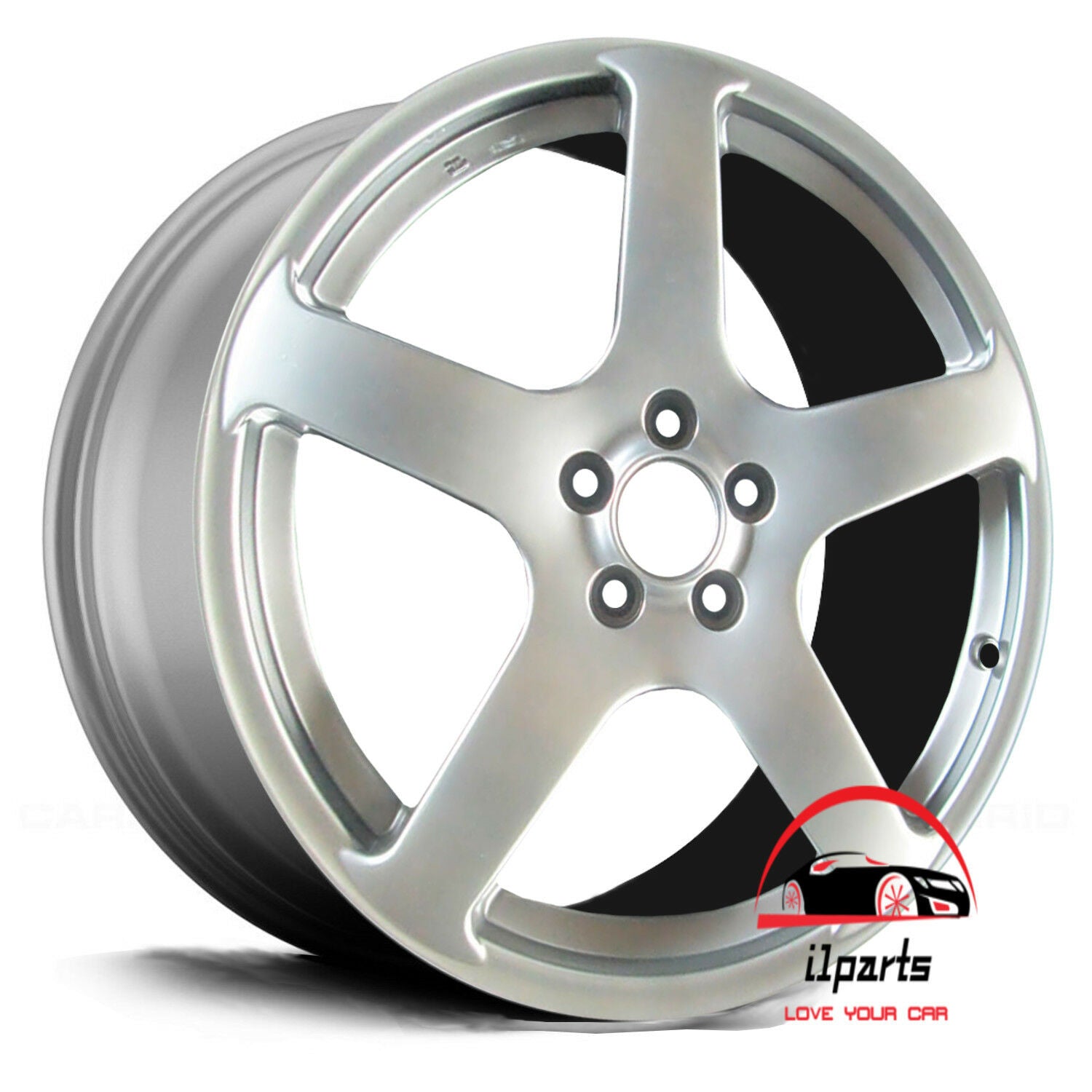
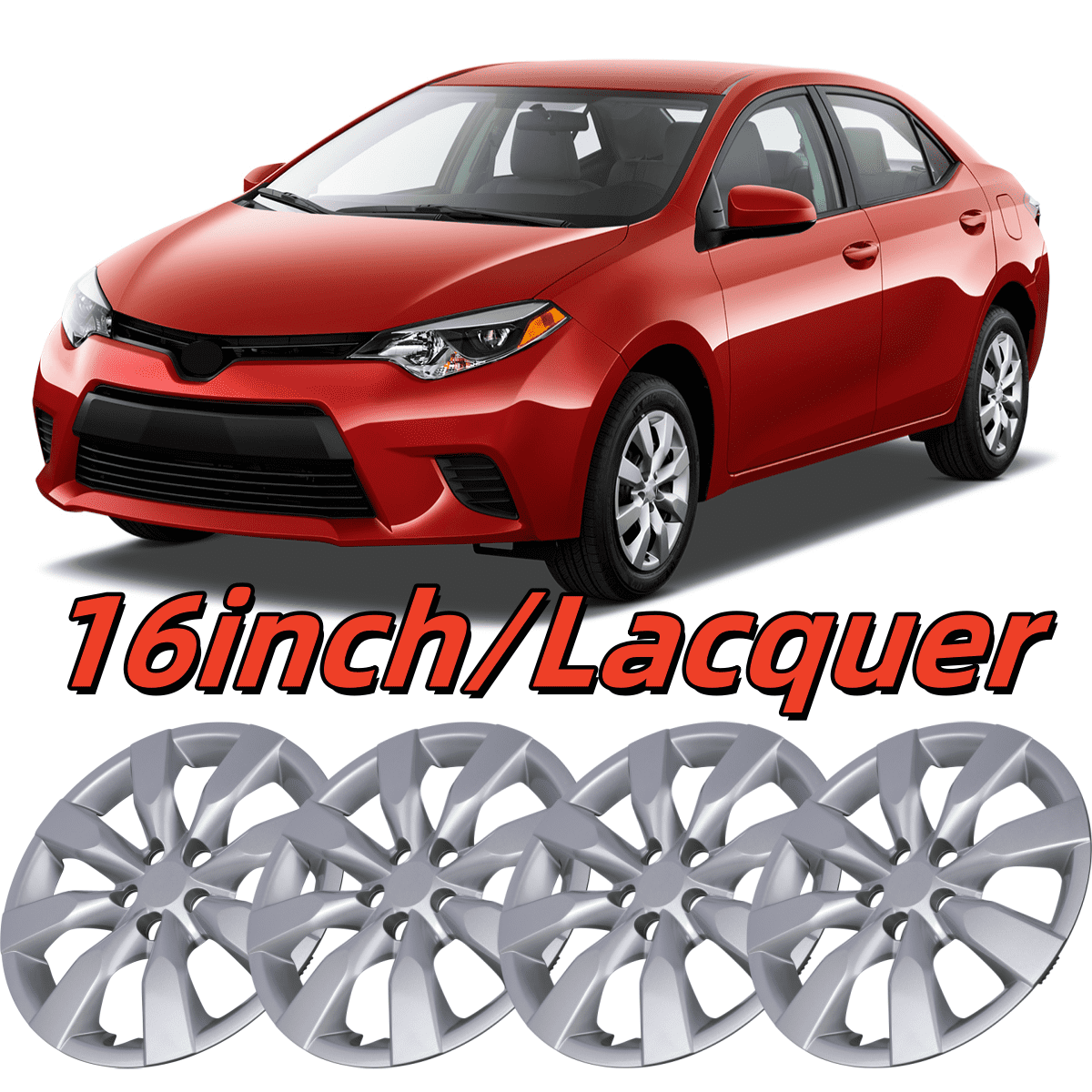
The 2014 Toyota Corolla was equipped with three primary factory rim sizes: 15-inch, 16-inch, and 17-inch, depending on the trim level. All models share a 5x100 mm bolt pattern (PCD), a 54.1 mm center bore, and an M12 x 1.5 thread pitch, with offset values ranging between +39 mm and +45 mm.
Overview of 2014 Toyota Corolla Wheel Factory Specifications
When Toyota launched the 11th-generation Corolla for the 2014 model year, it redesigned the compact sedan's exterior styling and mechanical package. A major component of this redesign included distinct wheel packages matched to specific trim lines. Selecting the correct rim size is not merely an aesthetic choice; it affects speedometer calibration, suspension travel, braking performance, fuel economy, and overall ride comfort.
Whether replacing a damaged original equipment manufacturer (OEM) wheel, purchasing a dedicated winter tire setup, or upgrading to aftermarket rims, understanding the factory dimensions prevents costly fitment mistakes.
The 2014 Corolla line comprises four main trim tiers: the base L, the high-volume LE, the fuel-focused LE Eco, and the sport-tuned S. Across these configurations, Toyota utilized steel rims with full wheel covers for entry-level models, transitioning to cast aluminum alloy wheels on higher-tier packages.
Regardless of rim diameter or material, every North American 2014 Toyota Corolla shares core hub dimensions. This standardized hub geometry means that OEM rims from a 17-inch Corolla S can physically mount onto a Corolla L that came from the factory with 15-inch steel wheels, provided the corresponding tire size is maintained to keep the overall diameter equal.
Comprehensive 2014 Corolla Rim and Tire Specification Table
The following table summarizes the official factory wheel and tire specifications across all 2014 Toyota Corolla trim levels.
| Trim Level | Rim Diameter & Width | Rim Material | Bolt Pattern (PCD) | Wheel Offset (ET) | OEM Tire Size | Center Bore | Lug Nut Thread |
|---|---|---|---|---|---|---|---|
| L | 15 x 6.0 inches | Steel w/ Cover | 5x100 mm | +39 mm | 195/65R15 | 54.1 mm | M12 x 1.5 |
| LE | 16 x 6.5 inches | Steel or Alloy | 5x100 mm | +39 mm to +45 mm | 205/55R16 | 54.1 mm | M12 x 1.5 |
| LE Eco | 15 x 6.0 in / 16 x 6.5 in | Steel or Alloy | 5x100 mm | +39 mm to +45 mm | 195/65R15 / 205/55R16 | 54.1 mm | M12 x 1.5 |
| S (Base/Plus) | 16 x 6.5 inches | Steel or Alloy | 5x100 mm | +39 mm to +45 mm | 205/55R16 | 54.1 mm | M12 x 1.5 |
| S (Premium) | 17 x 7.0 inches | Cast Alloy | 5x100 mm | +39 mm to +45 mm | 215/45R17 | 54.1 mm | M12 x 1.5 |
Detailed Rim Size Options by Trim Level
15-Inch Rim Option (15 x 6.0J)
The 15-inch rim setup was standard on the entry-level 2014 Corolla L and select baseline variations of the LE Eco. Measuring 15 inches in diameter and 6.0 inches in width, this setup features a stamped steel construction accompanied by a snap-on plastic wheel cover.
- Factory Tire Pairing: 195/65R15
- Target Characteristics: High sidewall height (approx. 126.75 mm), maximizing impact absorption over bumps, pothole resistance, and lower overall replacement cost.
- Practical Advantage: The high aspect ratio (65 series tire) yields a compliant, quiet ride. Replacement tires in this sizing are among the most economical standard passenger tires on the automotive market.
16-Inch Rim Option (16 x 6.5J)
The 16-inch option serves as the core balanced setup across the 2014 Corolla lineup. It came standard on the LE and LE Eco Plus, as well as mid-tier S models. Toyota offered this size in both steel with wheel covers and machined split-5-spoke alloy configurations.
- Factory Tire Pairing: 205/55R16
- Target Characteristics: A balance between sidewall cushion and steering response. The tire sidewall height decreases slightly to 112.75 mm compared to the 15-inch setup.
- Practical Advantage: This configuration offers improved lateral stability during cornering without introducing harshness to the cabin over highway joints and surface unevenness.
17-Inch Rim Option (17 x 7.0J)
Exclusive to the top-tier Corolla S (Plus and Premium packages), this sporty configuration features a 17-inch cast aluminum alloy rim with black-painted accents and machined face spokes.
- Factory Tire Pairing: 215/45R17
- Target Characteristics: A shorter, firmer tire sidewall (approx. 96.75 mm) that reduces flex under cornering load, translating driver steering inputs into quicker directional change.
- Practical Advantage: Enhanced visual appeal and sharper steering feel. However, the reduced sidewall provides less cushion against sharp road impacts, slightly increasing cabin road noise and susceptibility to rim bend damage from severe potholes.
Understanding Critical Technical Fitment Parameters
When sourcing replacement or custom wheels for a 2014 Toyota Corolla, rim diameter and width are only part of the equation. Mechanical fitment depends on four critical dimensions: Pitch Circle Diameter (PCD), offset, center bore, and lug hardware.
- RIM CROSS-SECTION
- Rim Width
- Rim Barrel
- Hub Mount
- Offset (ET) = Distance from center line
- Center Line
1. Pitch Circle Diameter (PCD / Bolt Pattern): 5x100 mm
The 2014 Corolla utilizes a 5x100 bolt pattern, meaning there are 5 lug holes arranged in a circle with a diameter of 100 millimeters.
- Crucial Distinction: Many other Toyota models (such as later-generation Corollas, Camry, and RAV4) use a 5x114.3 mm (5x4.5 inch) pattern. Wheels designed for a 5x114.3 pattern will not fit a 2014 Corolla without custom adapters, which are generally discouraged due to alterations in scrub radius and load stability.
2. Center Bore (Hub Bore): 54.1 mm
The center bore is the machined opening at the exact center of the wheel that slips over the vehicle's axle hub. The 2014 Corolla features a 54.1 mm center bore.
- Hub-Centric Fitment: Toyota vehicles rely on hub-centric designs, meaning the load of the vehicle rests on the center hub, not solely on the lug studs.
- Aftermarket Considerations: Most aftermarket rims feature a larger center bore (such as 73.1 mm) to fit multiple vehicle applications. When mounting aftermarket wheels, hub-centric rings (54.1 mm inner diameter to the wheel’s outer bore size) should be installed to prevent high-speed wheel vibration and strain on the lug studs.
3. Wheel Offset (ET39 to ET45)
Wheel offset (denoted by "ET") is the distance in millimeters from the wheel's centerline to its mounting face.
- Positive Offset: The 2014 Corolla uses a positive offset, where the mounting face is pulled toward the outer face of the rim. OEM values sit between +39 mm and +45 mm.
- Effects of Deviation: Lowering offset (e.g., ET30) pushes the rim outward toward the fender line, broadening the car's stance but potentially causing tire scrub on inner fender liners during full steering lock. Conversely, an offset that is too high (e.g., ET50) can cause the inside of the rim or tire sidewall to rub against strut housings or brake hardware.
4. Lug Nut Threads and Seat Type
The 2014 Corolla uses M12 x 1.5 wheel studs (12 mm diameter with a 1.5 mm thread pitch).
- OEM Alloy vs. Steel Lug Nuts: Factory alloy wheels use a mag-seat lug nut equipped with a flat washer. Factory steel wheels use a 60-degree conical (tapered) lug nut. Interchanging lug nut types incorrectly can result in catastrophic wheel loss or damaged mounting seats. Always verify lug seat style when changing rims.
Upsizing and Downsizing Rims: Dynamics and Calculations
Vehicle owners often alter their rim sizes for winter traction, style, or performance handling. Understanding the physical trade-offs ensures safety and vehicle reliability.
UPSIZING vs. DOWNSIZING
| UPSIZING (15" -> 17") | DOWNSIZING (17" -> 15") |
|---|---|
| + Sharper steering response | + Softer, cushioned ride quality |
| + Enhanced visual aesthetics | + Better pothole damage safety |
| - Increased unsprung weight | - Marginally reduced turn-in |
| - Slightly harsher ride quality | + Lower tire replacement cost |
| - Higher replacement tire cost | + Superior winter snow traction |
Overall Rolling Diameter Rule
When changing rim sizes, the overall diameter of the mounted tire must remain within ±3% of the factory standard (approx. 25.0 to 25.3 inches total height). Deviating beyond this threshold alters transmission shift points, speedometer readings, and anti-lock braking (ABS) calibration.
To calculate overall diameter: $$\text{Overall Diameter (inches)} = \left(\frac{2 \times \text{Width (mm)} \times \text{Aspect Ratio}}{2540}\right) + \text{Rim Diameter (inches)}$$
Size Comparison Table
| Size Configuration | Total Diameter (Inches) | Sidewall Height (Inches) | Speedometer Difference |
|---|---|---|---|
| 195/65R15 (Base OEM) | 25.0 inches | 5.0 inches | Baseline (0.0%) |
| 205/55R16 (Mid OEM) | 24.9 inches | 4.4 inches | -0.4% (Negligible) |
| 215/45R17 (Sport OEM) | 24.6 inches | 3.8 inches | -1.6% (Slightly slower) |
| 225/40R18 (Aftermarket Up) | 25.1 inches | 3.5 inches | +0.4% (Negligible) |
Winter Downsizing Strategy
For drivers operating in heavy snow zones, downsizing from a 17-inch or 16-inch alloy wheel to a 15-inch steel wheel is a standard automotive practice. A narrower tire width (e.g., 195 mm vs. 215 mm) exerts higher contact pressure per square inch on frozen road surfaces, cutting through slush more effectively. Additionally, 15-inch steel rims absorb impact from hidden road hazards, protecting expensive alloy wheels from road salt damage.
Practical Guide to Aftermarket Rim Selection and Installation
Installing aftermarket wheels on a 2014 Corolla requires verifying several operational details to maintain safety and drivability.
AFTERMARKET SELECTION CHECKLIST
- Confirm Bolt Pattern (5x100 mm)
- Verify Hub Bore (54.1 mm or buy hub-centric rings)
- Match Lug Seat Type (Conical vs Mag-Seat)
- Re-install or Transfer TPMS Sensors
- Torqued to Factory Spec (76 lb-ft / 103 Nm)
1. Tire Pressure Monitoring System (TPMS) Integration
The 2014 Corolla utilizes direct TPMS sensors installed inside each valve stem.
- When installing new rims, original sensors must be transferred or replaced with new compatible 315 MHz TPMS sensors.
- New sensors must be registered to the vehicle's ECU using an OBD-II diagnostic tool or tire shop programmer so the dashboard warning light functions correctly.
2. Clearance and Suspension Sweep
When choosing wider aftermarket rims (such as 17x7.5J or 18x8.0J), ensure offset remains between +38 mm and +42 mm. Lower offsets combined with wider rims risk rubbing against the outer fender lip, particularly under heavy trunk loads or rear suspension compression.
3. Lug Nut Specifications and Torque Tightening
Always torque wheel lug nuts using a calibrated torque wrench in a star-pattern sequence.
- Factory Torque Specification: 76 lb-ft (103 N·m)
- Warning: Over-torquing can warp brake rotors or stretch wheel studs, while under-torquing can lead to wheel separation while driving.
For additional technical guidelines regarding tire safety and load indices, consult the U.S. Department of Transportation Tire Safety Information or check the tire placement label affixed to the 2014 Corolla driver's side B-pillar door jamb.
Frequently Asked Questions (FAQ)
Can I install 18-inch rims on a 2014 Toyota Corolla?
Yes. An 18-inch rim will fit a 2014 Corolla provided you select a correct tire sizing such as 225/40R18 or 215/40R18. The rim dimensions should ideally be 18x7.5 inches with an offset between +38 mm and +42 mm. Keep in mind that 18-inch setups yield a firmer ride and increased vulnerability to pothole damage due to the low sidewall profile.
Will rims from a Toyota Camry fit my 2014 Corolla?
Most standard Toyota Camry rims will not fit a 2014 Corolla. Most Camry models feature a 5x114.3 mm PCD, whereas the 2014 Corolla requires a 5x100 mm PCD pattern. However, wheels from specific years of the Toyota Prius, Matrix, and Scion xD/tR share the 5x100 pattern and 54.1 mm bore, making them physical cross-fits.
What is the exact torque spec for 2014 Corolla wheel lugs?
The official factory wheel lug nut torque specification for the 2014 Toyota Corolla is 76 lb-ft (103 N·m). This specification applies to both steel and alloy factory wheels.
What happens if I put 15-inch rims on a Corolla S that came with 17-inch rims?
A 15-inch standard Corolla rim will physically fit over the brake calipers of a 2014 Corolla S, because all trim levels of the 2014 Corolla in North America share the same 10.8-inch ventilated front brake discs and rear drum/disc setups. You must match the overall tire size to 195/65R15 to keep your speedometer accurate.
Do I need hub-centric rings for my aftermarket rims?
If your aftermarket rims have a center bore larger than 54.1 mm (which is common across universal fitment wheels), you should install 54.1 mm adapter rings. Without hub-centric rings, the wheel may sit off-center by fractions of a millimeter, leading to annoying steering wheel vibrations at speeds above 45 mph (72 km/h).
How do I check if my lug nuts match my new rims?
Factory Toyota alloy wheels use flat-seat mag-style lug nuts with an attached washer. Most aftermarket rims require 60-degree conical (tapered/tuner) lug nuts. Never use mag-style lug nuts on conical aftermarket seats, as they will not clamp correctly, creating an immediate driving hazard.
Final Technical Recommendations
Choosing the optimal rim size for a 2014 Toyota Corolla comes down to balancing ride comfort, cost, performance handling, and vehicle usage:
- For Maximum Comfort and Value: Stick with 15-inch steel rims (195/65R15) or standard 16-inch alloy rims (205/55R16). These choices provide superior road shock absorption and lower tire replacement costs.
- For Sportier Handling and Appearance: Opt for the factory 17-inch alloy option (215/45R17) or a compatible 17x7.0 aftermarket wheel (+39 to +45 mm offset).
- Always Match Key Tolerances: When shopping aftermarket, ensure the specifications match 5x100 PCD, 54.1 mm center bore, and M12 x 1.5 thread specifications. Always use appropriate lug nuts and torque all wheel fasteners to 76 lb-ft.