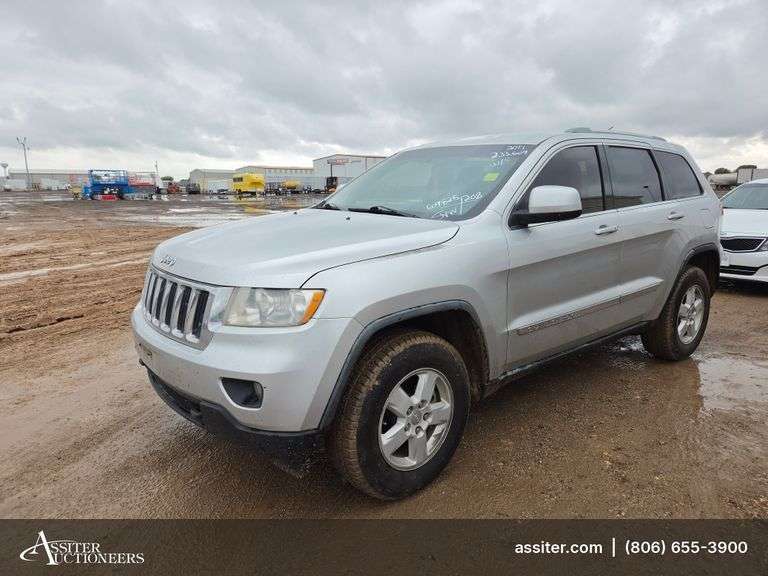
The 2011 Jeep Grand Cherokee Laredo 4D represents a pivotal turning point in the model’s history, marking the debut of the WK2 platform. This generation shifted the vehicle from a rugged, truck-like platform to a more refined, road-capable SUV, balancing iconic off-road capability with modern interior comfort and sophisticated suspension geometry for improved daily driving.
The Evolution of the WK2 Platform
The 2011 model year was not a minor update; it was a complete "clean sheet" redesign of the Jeep Grand Cherokee. Chrysler, Jeep’s parent company at the time, aimed to challenge premium European and Japanese SUVs by focusing on build quality, cabin quietness, and handling dynamics. The Laredo trim served as the gateway into this new era. By moving to a unibody construction, Jeep engineers managed to increase structural rigidity by approximately 146 percent compared to the previous generation, which drastically reduced chassis flex and improved long-term reliability of the body panels and interior fittings.
For the Laredo trim specifically, this meant inheriting the improved geometry and suspension architecture that defined the higher-end Limited and Overland trims, while maintaining a more accessible price point. The 2011 Laredo was positioned as the workhorse of the lineup, equipped with essential off-road hardware such as the Quadra-Trac I or II full-time four-wheel-drive systems, depending on the specific package selected at the time of purchase.
Powertrain and Performance Specifications
The heart of the 2011 Grand Cherokee Laredo is the 3.6-liter Pentastar V6 engine. This engine was a major upgrade over the aging V6 units used in previous Jeep models, offering a substantial boost in both horsepower and fuel efficiency. Producing 290 horsepower and 260 lb-ft of torque, the Pentastar V6 was mated to a five-speed automatic transmission.
While a 5.7-liter HEMI V8 was technically available as an option across the lineup, the vast majority of Laredo models were delivered with the 3.6-liter V6. This configuration provides a balanced power-to-weight ratio for city commuting and highway cruising. The vehicle's towing capacity remains a key selling point, with the V6-equipped Laredo capable of towing up to 5,000 pounds when properly equipped, making it a viable choice for those towing small boats or utility trailers.
Technical Performance Metrics
| Feature | Specification |
|---|---|
| Engine | 3.6L Pentastar V6 |
| Horsepower | 290 hp @ 6,400 rpm |
| Torque | 260 lb-ft @ 4,800 rpm |
| Transmission | 5-Speed Automatic |
| Drivetrain | RWD or 4WD (Quadra-Trac I/II) |
| Max Towing Capacity | 5,000 lbs |
| Fuel Tank Capacity | 24.6 Gallons |
Handling, Suspension, and Off-Road Capability
One of the most significant advancements in the 2011 redesign was the transition to a four-wheel independent suspension system. Previous generations relied on a solid rear axle, which, while durable, could lead to a harsh ride over uneven pavement. The 2011 Laredo uses short- and long-arm (SLA) front suspension and a multi-link rear suspension. This configuration allows each wheel to react independently to road imperfections, significantly improving stability during high-speed cornering and reducing body roll.
Despite the move toward road comfort, the "Jeep" DNA remains intact. The Laredo is designed to handle moderate off-road terrain with ease. Even without the advanced Quadra-Drive II system or the height-adjustable Quadra-Lift air suspension found on higher trims, the standard Quadra-Trac systems provide reliable traction in snow, mud, and light sand. The vehicle’s approach and departure angles were engineered to ensure that the Laredo can handle steep inclines and declines typical of fire roads and backcountry trails, provided the driver remains mindful of the lack of underbody armor compared to "Trail Rated" specific trims.
Interior Design and Utility
Inside, the 2011 Laredo reflected the manufacturer's goal of elevating the Grand Cherokee’s brand perception. The cabin features soft-touch materials, a more ergonomic dashboard layout, and an increase in overall interior volume. The "4D" (four-door) designation refers to the standard SUV body style, which provides ample legroom for rear-seat passengers—a notable improvement over previous versions.
Cargo capacity is generous, offering approximately 35.1 cubic feet of storage with the rear seats upright, expanding to 68.3 cubic feet when the 60/40 split-bench seats are folded flat. This utility makes the Laredo a functional choice for families or individuals who require a versatile vehicle that can transition from daily commuting to weekend adventures without requiring specialized modifications.
Maintenance and Long-Term Reliability Considerations
In 2026, prospective owners or current maintainers of the 2011 Grand Cherokee Laredo must account for the age of the vehicle. By this point, most examples have surpassed the 150,000-mile mark. Reliability for this specific model year generally centers on three primary areas:
- Electrical Gremlins: The 2011 model year was the first year of a new electrical architecture. Owners often report issues related to the Totally Integrated Power Module (TIPM). If the vehicle experiences intermittent starting issues, fuel pump relay failures, or unexplained lighting glitches, the TIPM is a primary candidate for inspection or replacement.
- Suspension Wear: While the independent suspension improved the ride, it increased the number of bushings and ball joints that require periodic inspection. By 2026, many original control arm bushings will likely be degraded, leading to clunking noises or vague steering feel.
- Cooling System: The Pentastar V6 is generally robust, but the cooling system components, specifically the water pump and thermostat housing, are known failure points. Maintaining fresh coolant is essential to prevent internal engine damage.
Comparison: Laredo vs. Higher Trims
It is important to understand what the Laredo lacks compared to the Limited or Overland trims to determine if it meets your specific needs.
- Convenience Features: The Laredo typically lacks leather seating (often featuring cloth or high-quality vinyl), premium audio systems, and advanced driver-assistance features like Blind Spot Monitoring or Adaptive Cruise Control, which were often optional or exclusive to higher trims.
- Aesthetics: The Laredo features a more conservative exterior appearance with less chrome trim compared to the Overland or Summit models.
- Versatility: If your primary use case involves heavy off-roading, the absence of the height-adjustable suspension might be a limiting factor, but for general utility, the Laredo's simpler suspension is actually cheaper and easier to repair as the vehicle ages.
Frequently Asked Questions
Is the 2011 Jeep Grand Cherokee Laredo considered reliable for daily use in 2026?
The 2011 Laredo can be a reliable daily driver provided it has been well-maintained. The powertrain is strong, but the electrical system and suspension wear are common issues. Budgeting for a pre-purchase inspection that specifically checks the TIPM and suspension bushings is highly recommended.
Does the 2011 Laredo come with four-wheel drive as standard?
No, the 2011 Laredo was available in both Rear-Wheel Drive (RWD) and Four-Wheel Drive (4WD). If you live in a region with significant snowfall, ensure you specifically search for the 4WD version, as the RWD variant will have limited traction in inclement weather.
Can I upgrade the infotainment system in the 2011 model?
Yes. The original factory head unit in the 2011 Laredo is somewhat dated by 2026 standards. Many owners replace the factory unit with aftermarket head units that support modern features like Apple CarPlay or Android Auto, which can significantly modernize the user experience of the cabin.
What is the primary difference between Quadra-Trac I and II?
Quadra-Trac I is a single-speed transfer case suitable for light conditions, whereas Quadra-Trac II includes a two-speed transfer case with a low-range gear, providing significantly better capability for steep climbing or deep snow. Check the shifter console or the glove box build sheet to identify which system your vehicle is equipped with.
Are replacement parts still widely available for the 2011 Grand Cherokee?
Yes. Because the WK2 platform was produced for many years, mechanical parts such as brakes, suspension components, and engine sensors are readily available through most automotive parts suppliers and online retailers, making this a very serviceable vehicle for the DIY mechanic.
Final Recommendation
The 2011 Jeep Grand Cherokee Laredo 4D remains a compelling value for those seeking a rugged, comfortable, and capable SUV. It is best suited for individuals who prioritize a blend of highway comfort and off-road capability but are willing to perform or pay for routine maintenance associated with a vehicle of this age. Before finalizing a purchase, verify the functionality of the electrical system and inspect the suspension for worn bushings, as these are the most likely areas to require immediate financial investment. For a practical, budget-conscious choice, a well-cared-for 2011 Laredo offers a driving experience that rivals many modern entry-level SUVs.