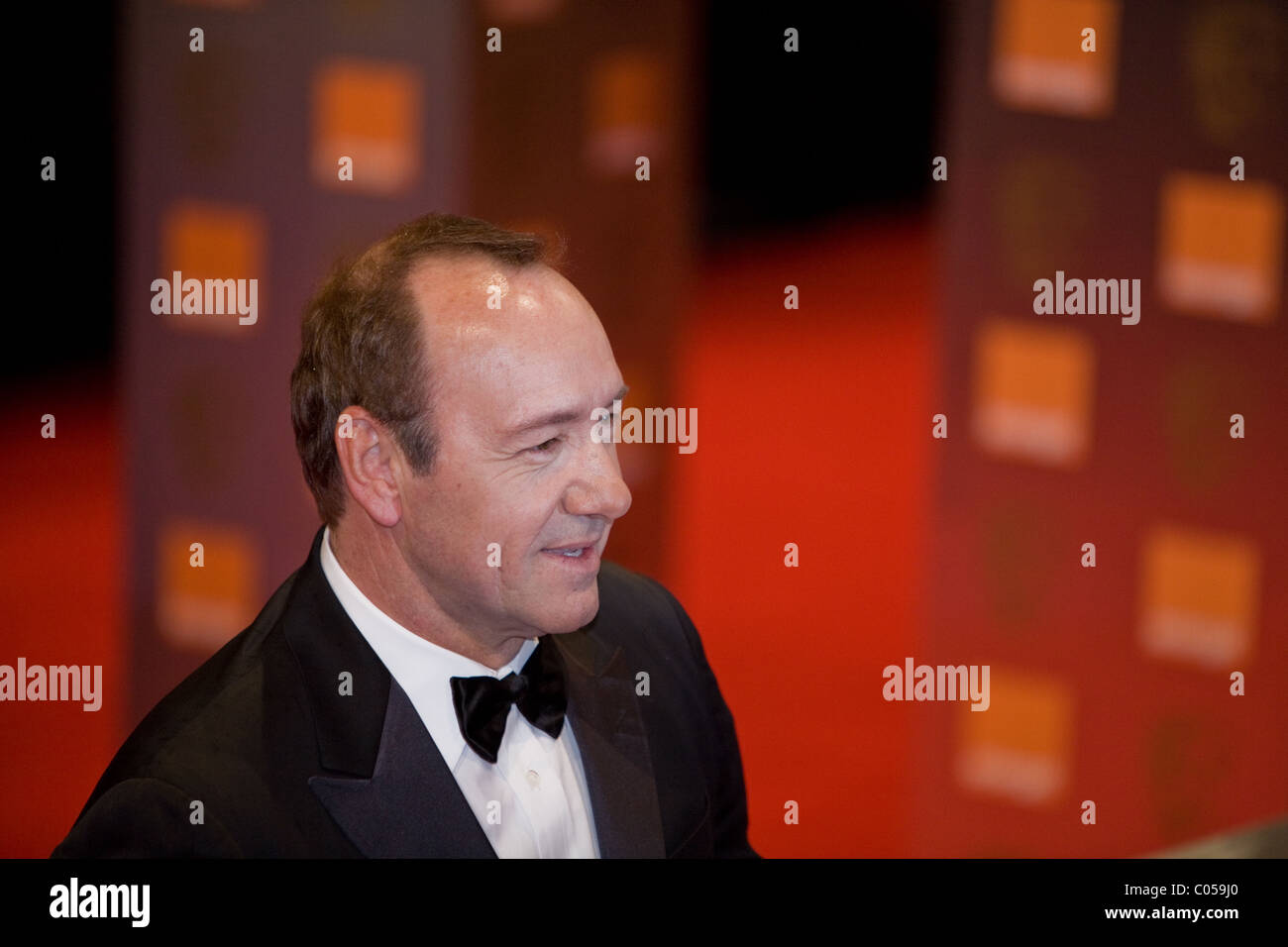
The 2011 British Academy Film Awards, formally known as the 64th British Academy Film Awards, honored the finest cinematic achievements of 2010. The selection process spanned several months of critical appraisal, culminating in a star-studded ceremony held on February 13, 2011, at the Royal Opera House in London, recognizing excellence across a wide spectrum of film production categories.
The Foundation of the 2011 BAFTA Process
The BAFTA (British Academy of Film and Television Arts) awards serve as one of the most prestigious benchmarks in the global film industry. For the 2011 ceremony, the Academy implemented a rigorous selection process designed to ensure that films released within the 2010 calendar year received fair consideration. Unlike the Academy Awards (Oscars), which often lean toward American domestic sensibilities, the BAFTA honors reflect a unique blend of British cultural pride and international cinematic standards.
The eligibility period for these awards required that films be released in the United Kingdom between January 1, 2010, and December 31, 2010. This window is critical, as it defines the "year" for the Academy, regardless of when a production might have premiered at international festivals like Cannes or Venice. Once the eligibility window closed, the various voting chapters—comprising thousands of industry professionals—began the intensive task of viewing and evaluating entries.
Key Dates and Milestone Timeline
The road to the 2011 ceremony was marked by several critical administrative milestones. Understanding this timeline provides insight into how the Academy manages the logistical complexity of judging hundreds of films across categories ranging from Best Film to Best Sound.
- Eligibility Cutoff (December 31, 2010): All films intended for consideration must have completed their mandatory commercial run in the UK by this date.
- Longlist Announcement (Early January 2011): The Academy publishes "longlists" in various categories. This serves as a secondary screening mechanism, whittling down the massive pool of eligible films to those with significant critical momentum.
- Nominations Announcement (January 18, 2011): This is the definitive moment for the industry. The final five nominees for each category were revealed at a press conference, fueling the final phase of the campaign season for studios and independent distributors.
- Final Voting (Late January – Early February 2011): Members cast their final ballots. Unlike the longlist phase, which may involve specialized committees, the final voting is generally open to the broader membership of the Academy.
- The Ceremony (February 13, 2011): Held at the Royal Opera House, the event was broadcast to millions, celebrating the winners and providing a clear signal of momentum heading into the final stages of the global awards season.
Analyzing the 2011 Nominees: A Landscape of Excellence
The 2011 nominations were characterized by a powerful convergence of historical drama and intimate character studies. The frontrunners, The King’s Speech and Black Swan, dominated the conversation, reflecting a year where psychological depth and narrative craft took precedence.
The King’s Speech, directed by Tom Hooper, led the field with 14 nominations. Its success was a quintessential "BAFTA story"—a British production exploring the intricacies of the monarchy, combined with a universal message of overcoming adversity. Its dominance was countered by the dark, stylistic intensity of Darren Aronofsky’s Black Swan, which garnered significant attention for its visual language and Natalie Portman’s lead performance.
Comparative Overview of Key Categories
The following table summarizes the competition across the most anticipated categories of the 2011 ceremony, highlighting the diverse range of talent recognized by the Academy.
| Category | Winner | Notable Nominees |
|---|---|---|
| Best Film | The King’s Speech | Black Swan, Inception, The Social Network, True Grit |
| Outstanding British Film | The King’s Speech | 127 Hours, Another Year, Four Lions, Made in Dagenham |
| Director | David Fincher (The Social Network) | Darren Aronofsky, Tom Hooper, Christopher Nolan, Danny Boyle |
| Leading Actor | Colin Firth (The King’s Speech) | Javier Bardem, Jeff Bridges, Jesse Eisenberg, James Franco |
| Leading Actress | Natalie Portman (Black Swan) | Annette Bening, Julianne Moore, Noomi Rapace, Hailee Steinfeld |
The Impact of Technical Categories
While the "Big Five" categories (Film, Director, Acting) capture most of the media attention, the technical categories at the 2011 BAFTAs provided essential context for the state of filmmaking technology. Inception, directed by Christopher Nolan, was a focal point in categories such as Best Original Screenplay, Best Cinematography, and Best Visual Effects. Its nomination and subsequent wins highlighted the Academy’s appreciation for high-concept, technically ambitious storytelling that maintains a coherent internal logic.
The inclusion of categories like Best Sound and Best Production Design allows the Academy to reward the collaborative effort of crews who often remain behind the camera. In 2011, the competition for Best Cinematography saw Roger Deakins recognized for his work on True Grit, emphasizing the importance of visual storytelling in defining the mood of the 2010 film slate.
Historical Context and Industry Reception
Looking back from the vantage point of 2026, the 2011 awards ceremony is viewed as a pivotal moment in the transition toward a more globally integrated film market. The success of The Social Network—an American production exploring the rapid rise of social media—alongside The King’s Speech proved that the BAFTAs had become a necessary stop for any film with international aspirations.
The ceremony itself was noted for its polished execution, with veteran presenter Jonathan Ross and later Graham Norton becoming synonymous with the BAFTA hosting duties during this era. The event solidified its reputation as a "litmus test" for the Oscars. When Colin Firth and Natalie Portman took home their respective trophies in 2011, it effectively signaled the beginning of their successful campaigns that would lead to their wins at the Academy Awards later that month.
Strategic Considerations for Film Campaigns
For industry observers, the 2011 awards cycle offers a masterclass in campaign strategy. Studios often use the BAFTA nominations to build critical consensus. A nomination at the BAFTAs carries significant weight because it is voted on by a body of peers—directors, producers, actors, and technicians who understand the nuances of the craft.
The "Britishness" of the awards is a strategic asset. By hosting the ceremony in London, the Academy maintains a distinct identity. For films with smaller budgets, such as Four Lions (a dark comedy about a group of inept suicide bombers), a BAFTA nomination provides a platform that traditional box office numbers might not afford. This highlights the Academy's dual role: rewarding global blockbusters while simultaneously championing local, culturally significant cinema.
Challenges and Limitations in the Judging Process
No awards body is without its critics, and the 2011 BAFTAs were no exception. A common point of discussion during this period was the perceived "lag" between the UK release date and the award ceremony, which sometimes resulted in films that had long since left theaters receiving accolades.
Furthermore, the influence of US-based studios on the nominations remains a constant topic of debate. Because major Hollywood studios invest heavily in "for your consideration" campaigns, independent films—even those with high critical acclaim—often struggle to maintain visibility against the marketing juggernauts of massive international productions. The BAFTA voting process, while designed for integrity, operates within a system where marketing budgets inevitably impact visibility.
Frequently Asked Questions
1. How did the 2011 BAFTA nominations differ from the Oscars? While there was significant overlap, the BAFTAs included a specific category for "Outstanding British Film," which celebrates domestic productions that might not receive the same attention on the global stage as international blockbusters.
2. Was the 2011 ceremony held in person? Yes, the 2011 ceremony was a traditional gala held at the Royal Opera House in London, attended by nominees, presenters, and industry professionals.
3. Why is the 2011 BAFTA timeline significant for film history? The 2011 awards cemented the transition of the BAFTAs into a critical early indicator of Oscars success. It highlighted a year of strong performances that defined the early 2010s cinematic aesthetic.
4. How does one become a BAFTA voter? Eligibility is restricted to professionals who meet specific criteria regarding their experience, credits, and standing within the film or television industry. Applications are reviewed by the Academy to ensure they maintain a high standard of professional contribution.
5. Where can I find the official records of the 2011 nominees? The official BAFTA archive remains the primary source for all historical nominations and winners. It is accessible through the organization's official website, which maintains comprehensive records of every ceremony dating back to 1948.
Conclusion and Next Steps
The 2011 BAFTA awards remain a definitive chapter in 21st-century film history. By analyzing the nominees, the timeline, and the industry environment of 2010/2011, viewers and scholars alike can gain a better understanding of how excellence is measured in the arts. For those interested in deeper research, visiting the official BAFTA database or reviewing the critical reviews of the nominated films from early 2011 provides the most accurate and nuanced perspective on this historic awards cycle. If you are conducting academic research on this topic, ensure that you cross-reference the Academy's archival data with contemporary trade publications from early 2011 for the most complete view of the critical reception at the time.