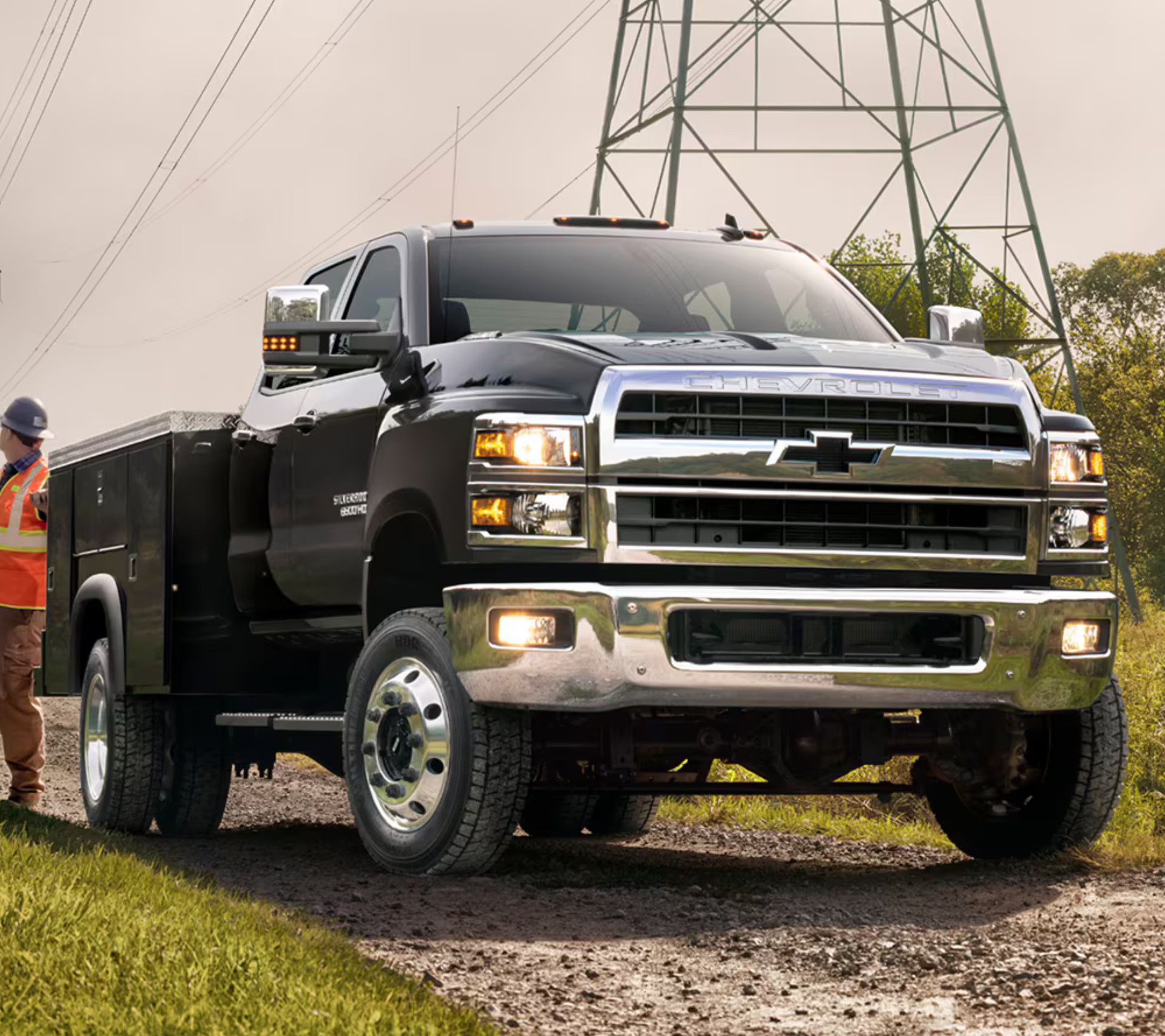
Owners and prospective buyers of the 2005 Chevrolet Silverado need to verify open safety campaigns through official National Highway Traffic Safety Administration records, as general wear, airbag module degradation, and structural corrosion have prompted multiple critical manufacturer recalls over the lifespan of this light-duty truck platform.
Understanding the 2005 Chevrolet Silverado Safety Landscape
The 2005 Chevrolet Silverado represents a high-volume, highly durable era of American full-size pickup trucks built on the GMT800 platform. While renowned for its longevity, robust V8 powertrain options, and utility, vehicles from this model year are subject to aging components that eventually triggered formal manufacturer recalls and technical service bulletins. Understanding these recalls is critical for both current owners performing maintenance and prospective buyers verifying a used truck's safety status.
Vehicle recalls occur when the manufacturer or the National Highway Traffic Safety Administration (NHTSA) determines that a vehicle, equipment, seat, or tire poses an unreasonable safety risk or fails to meet federal motor vehicle safety standards. For a vintage workhorse like the 2005 Silverado, these campaigns range from minor electrical adjustments to critical structural and occupant-protection repairs. Because many of these trucks have changed hands multiple times, keeping track of performed service versus neglected campaigns can mean the difference between reliable operation and a severe safety hazard.
Major Historical Recalls Affecting the 2005 Model Year
Over the years, the 2005 Chevrolet Silverado has been included in several campaign categories. Some campaigns affected the entire GMT800 vehicle family—including the GMC Sierra, Chevrolet Tahoe, and Cadillac Escalade—due to shared architectural components. The most severe and widely publicized recalls involve passive restraint systems, specifically airbag inflators, as well as steering and suspension components that bear heavy mechanical loads.
| Recall Category | Primary Component | Potential Safety Risk |
|---|---|---|
| Airbag Systems | Takata Inflators / Steering Wheel | Shrapnel ejection, failure to deploy |
| Structural / Chassis | Intermediate Steering Shaft | Loss of steering control, binding |
| Electrical / Lighting | Headlamp / Daytime Running Lights | Thermal degradation, melted wiring |
| Exterior / Body | Tailgate Cables / Cargo Box | Unexpected drop, cargo loss |
The Takata Airbag Recall Crisis and Inflator Degradation
The most sweeping automotive safety recall in history deeply impacted millions of vehicles globally, including specific trims and build dates of General Motors trucks. Certain 2005 Chevrolet Silverado models were equipped with frontal airbag inflators that utilize non-desicated ammonium nitrate propellants. Over time, prolonged exposure to high heat and humidity can cause these propellants to degrade.
When a degraded airbag is commanded to deploy during a collision, the internal pressure can cause the inflator housing to rupture. This rupture sends metal fragments flying into the passenger compartment, posing a severe risk of lacerations or fatal injury to vehicle occupants. Because these inflators deteriorate progressively based on environmental exposure, vehicles located in high-humidity regions (often designated by NHTSA as Zone A or Zone B) face heightened urgency. Owners must verify whether their specific VIN falls under any active Takata-related campaigns, as remedy parts and authorized dealer repair procedures have evolved over time.
Steering Shaft Binding and Intermediate Shaft Wear
Another notable mechanical campaign associated with GMT800 trucks involves the steering intermediate shaft. Drivers of 2005 Silverados have historically reported clunking sensations in the steering wheel, binding, or a temporary loss of smooth steering return during low-speed maneuvers.
General Motors issued technical service bulletins and recall-adjacent campaigns to address premature wear within the intermediate steering shaft coupling. In compromised vehicles, lack of proper factory lubrication or excessive tolerance wear allowed the shaft to bind, creating a heavy steering feel or a clunking noise when turning the wheel. While not always a catastrophic loss of control immediately, an unresolved steering shaft issue can accelerate wear on the steering gear box and create unpredictable handling dynamics, making dealer inspection and replacement crucial.
Secondary Campaigns and Technical Service Bulletins
Beyond major structural and occupant safety campaigns, the 2005 Silverado experienced several smaller-scale recalls and manufacturer service programs intended to correct localized defects. While technical service bulletins (TSBs) are distinct from official safety recalls—meaning manufacturers are not legally required to pay for them outside of warranty windows—they provide essential diagnostic context for mechanics and owners.
Daytime Running Light Thermal Degradation
A documented issue on several mid-2000s GM trucks involved the daytime running light (DRL) circuit board located within the instrument panel integration module or underhood electrical center. High electrical resistance and excessive heat generation could cause the wiring harness connector and the surrounding plastic housing to melt.
This thermal event could lead to inoperative daytime running lights, flickering headlights, or, in rare instances, localized electrical fires under the hood or behind the dash. General Motors issued campaigns to inspect, clean, and modify the electrical connectors or replace affected modules with updated, heat-resistant components.
Tailgate Support Cable Corrosion
The structural integrity of the truck bed's rear access point is vital for safe cargo loading. Certain 2005 Silverados were subject to campaigns involving tailgate support cables that could corrode prematurely, particularly in regions that utilize heavy road salt during winter months. If a corroded support cable snapped while an occupant was sitting on or loading weight onto the lowered tailgate, the sudden drop could result in physical injury or spilled cargo. Dealership inspection procedures involved replacing vulnerable steel cables with galvanized, polymer-coated replacements designed to resist moisture and road salt degradation.
How to Check Your 2005 Silverado for Open Recalls
Because vehicle safety campaigns do not expire, a 2005 Chevrolet Silverado can still have unperformed recall work completed free of charge by an authorized General Motors dealership, regardless of vehicle ownership history or mileage. Independent verification is a straightforward digital process that requires only the vehicle's unique 17-character identifier.
Using the Official NHTSA VIN Lookup Tool
The most reliable, independent method for verifying the safety status of any vehicle registered in the United States is the official database maintained by the National Highway Traffic Safety Administration.
- Locate your 17-character Vehicle Identification Number (VIN). This can be found on your vehicle registration card, automotive insurance documents, the driver-side dashboard visible through the windshield, or the certification label affixed to the driver's door jamb.
- Navigate to the official NHTSA recall lookup portal at NHTSA Recalls Tool.
- Enter your exact 17-character VIN into the search field and submit the query.
- Review the results. The system will display any uncompleted safety recalls issued within the past 15 years, along with a description of the defect, safety risk, and recommended remedy. If no recalls are listed, or if all listed campaigns display a completed status, the vehicle is clear of open federal safety notices.
Contacting Authorized Dealerships
If you prefer direct verification or require assistance interpreting complex recall histories, contacting the service department of any authorized Chevrolet dealership is an effective alternative. Provide the service advisor with your VIN, and they can pull up the GM corporate service database to confirm whether any customer satisfaction programs, TSBs, or mandatory safety recalls remain outstanding.
Step-by-Step Action Plan for Affected Owners
If your vehicle check reveals an open safety campaign, taking prompt, structured action ensures your truck remains safe for daily operation and preserves its resale value.
| Step | Action Description |
|---|---|
| 1 | Verify your specific VIN using the official NHTSA database or a GM dealer. |
| 2 | Gather documentation, including your vehicle title, registration, and contact info. |
| 3 | Call your local authorized Chevrolet dealership to confirm part availability. |
| 4 | Schedule the repair appointment. Inquire about alternative transportation if needed. |
| 5 | Complete the service and obtain a signed repair invoice for your records. |
Understanding Repair Costs and Parts Availability
Federal law mandates that authorized manufacturers remedy safety defects at no cost to the vehicle owner for vehicles up to a certain age—typically 15 years from the date of original sale—though critical life-safety campaigns like Takata airbags often receive extended support. For a 2005 model, labor and replacement components for official safety recalls are covered entirely by General Motors when performed at certified franchise dealerships.
However, because older model-year parts may require special ordering or face supply chain constraints, calling ahead to ensure the dealership has the necessary remedy kits in stock prevents wasted trips.
Frequently Asked Questions About 2005 Chevrolet Silverado Recalls
Are 2005 Chevrolet Silverado recall repairs still free?
Yes. Official safety recalls mandated by federal regulators are performed free of charge by authorized dealerships, regardless of whether you are the original owner or bought the truck used. Manufacturers are legally obligated to cover both parts and labor for safety-related recalls within statutory timeframes.
What should I do if my 2005 Silverado has an open Takata airbag recall?
Schedule an appointment with an authorized Chevrolet dealership immediately. Takata airbag inflators present an extreme physical hazard due to potential shrapnel ejection during deployment. Many dealerships offer convenient scheduling options, mobile repair services for certain campaigns, or complimentary loaner vehicles while the steering wheel module is replaced.
Can a used car dealer sell a 2005 Silverado with open recalls?
While federal law does not explicitly prohibit independent used car dealerships from selling used vehicles with open recalls, many states have consumer protection laws regarding disclosure. It is always best practice for prospective buyers to run a pre-purchase VIN check on the NHTSA portal before finalizing any private or dealership transaction.
How can I tell if a past recall was already completed on my truck?
Running your VIN through the NHTSA database will show whether a recall status is marked as "Recall Incomplete" or "Remedy Not Yet Available" versus showing no active campaigns. Dealership service advisors can also check internal GM service histories to verify past warranty and recall claim submissions.
What is the difference between a recall and a Technical Service Bulletin (TSB)?
A recall is a mandatory safety campaign issued when a defect poses an unreasonable risk to motor vehicle safety, requiring free manufacturer repair. A Technical Service Bulletin is an advisory communication sent by the manufacturer to dealerships outlining diagnostic procedures and recommended fixes for common non-safety-related issues, which owners usually pay to repair out of pocket.
Next Steps for Owners and Buyers
For current owners of a 2005 Chevrolet Silverado, checking the NHTSA database today is a vital step toward ensuring occupant safety and mechanical reliability. If you are currently shopping for a used GMT800 generation truck, never rely solely on a visual inspection; always verify the chassis history using the truck's unique VIN. Addressing outstanding structural, steering, and airbag campaigns safeguards both your investment and everyone sharing the road with you.