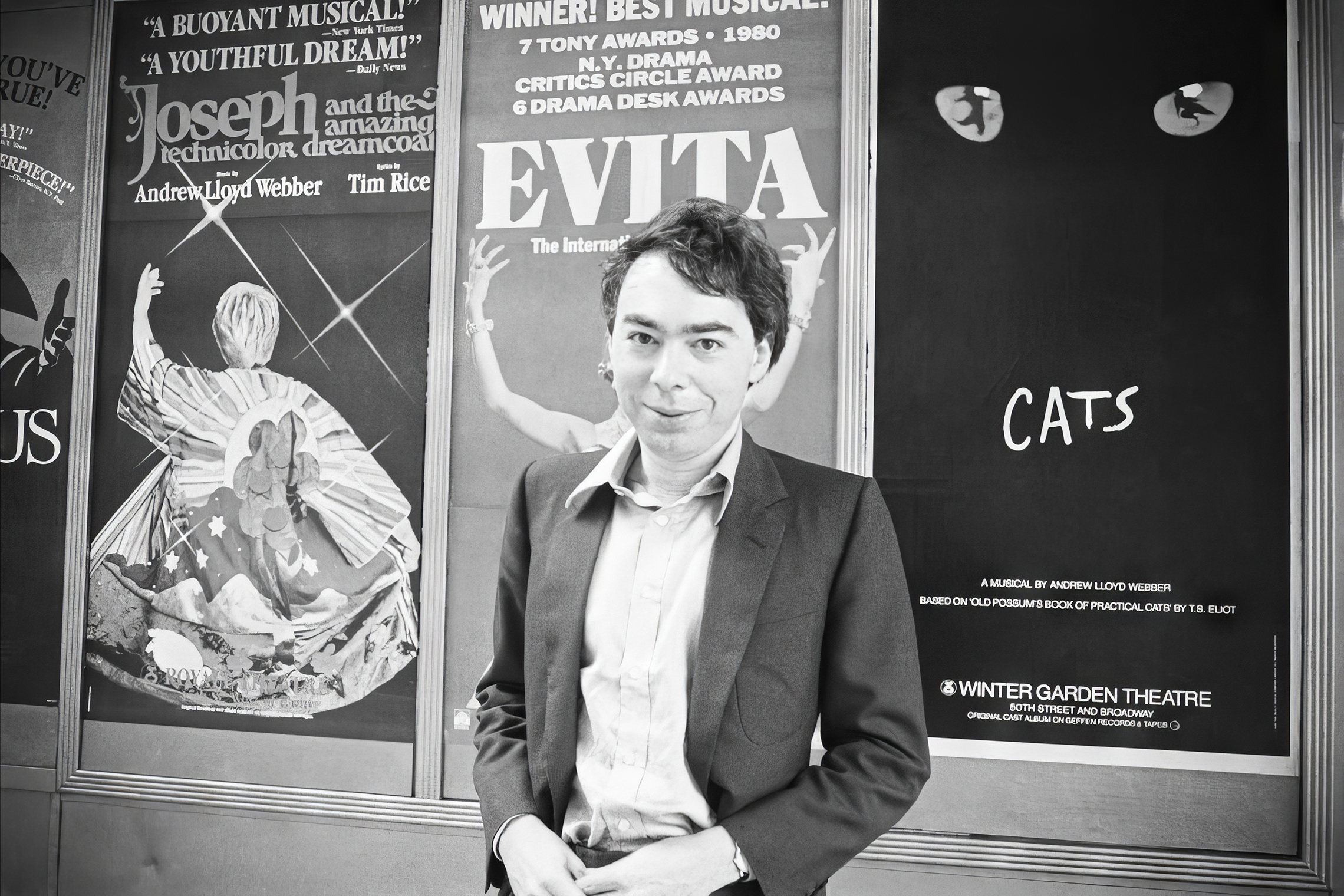
Andrew Lloyd Webber’s primary home is Sydmonton Court, a historic Grade II* listed manor house set within a 5,000-acre estate near Kingsclere in Hampshire, England. Purchased in 1978, the property serves as the composer's main country residence, houses his renowned Pre-Raphaelite art collection, and hosts the private annual Sydmonton Festival in its estate chapel.
Overview of Sydmonton Court: History and Heritage
Sydmonton Court represents one of Hampshire’s most historically continuous private estates. Located south of Newbury near the village of Kingsclere on the Berkshire-Hampshire border, the manor sits within the rolling landscape of the North Wessex Downs, an Area of Outstanding Natural Beauty.
The estate's documented history stretches back over four centuries. Following the Dissolution of the Monasteries under King Henry VIII, the land was granted in 1544 to Sir William Kingsmill. The Kingsmill family retained ownership of Sydmonton Court for over 400 years, making extensive structural additions across successive generations before selling the estate in the late 20th century. Lord Lloyd-Webber purchased the manor house and surrounding acreage in 1978, embarking on a multi-decade project of structural restoration, interior design refinement, and landscape conservation.
| Year | Event |
|---|---|
| 1544 | Estate granted to Sir William Kingsmill post-Dissolution |
| 1700s | Major Georgian exterior refacing and interior remodeling |
| 1850s | Victorian extensions designed by architect Philip Charles Hardwick |
| 1978 | Purchased by Andrew Lloyd Webber; extensive restoration begins |
| 1980s-Present | Home to the private annual Sydmonton Festival |
Architecturally, Sydmonton Court displays a layered synthesis of Tudor foundations, Georgian symmetry, and Victorian embellishment. The core structure features Elizabethan red-brick masonry, which was extensively refaced and expanded during the 18th century with classic Georgian sash windows, stone parapets, and formal entry features. In the mid-19th century, the prominent Victorian architect Philip Charles Hardwick executed further alterations, adding service wings and refining the exterior details.
According to Historic England, the house holds a Grade II* designation, placing it among the top 5.8% of historic structures in England recognized for exceptional architectural and historic interest. This protective listing covers not only the main residence, but also surrounding structures, including traditional brick outbuildings, stable blocks, and the historic estate chapel.
Architectural Features, Interiors, and the Art Collection
The layout of Sydmonton Court is designed to accommodate both comfortable family living and grand formal entertaining. The interior spaces feature high ceilings, original carved oak paneling, elaborate plasterwork cornicing, and marble fireplaces spanning multiple historical periods.
The Interior Living Spaces
The main floor centers around a sequence of interconnecting reception rooms:
- The Great Hall: Serving as the central spine of the house, the hall features double-height ceilings, historic wood paneling, and broad hearths that retain the structural proportions established during the Tudor and Stuart eras.
- The Drawing Room and Library: These rooms embody 18th-century Georgian design principles, maximizing natural light through tall sash windows overlooking formal lawns. Fitted bookpresses and fine joinery house extensive historical volumes and musical scores.
- The Dining Room: Configured for formal gatherings, this space acts as a backdrop for grand-scale hosting, framed by historic portraiture and architectural moldings.
The World-Renowned Art Collection
Sydmonton Court is celebrated among art historians as the repository for one of the world's most significant private collections of 19th-century British art, specifically works from the Pre-Raphaelite Brotherhood and their contemporaries.
Lord Lloyd-Webber began assembling this collection in the 1970s, acquiring masterpiece paintings, drawings, furniture, and decorative items that had largely fallen out of popular favor during the mid-20th century. Today, the collection inside Sydmonton Court includes seminal works by:
- Dante Gabriel Rossetti: Masterpieces demonstrating the rich color palette and romantic symbolism characteristic of early Pre-Raphaelite figure painting.
- John Everett Millais: Major narrative canvases illustrating literary and historical scenes.
- Edward Burne-Jones: Monumental works, tapestry designs, and stained-glass studies created in collaboration with the Morris & Co. decorative arts movement.
- William Holman Hunt: Detailed, highly symbolic religious and allegorical paintings.
In addition to Pre-Raphaelite works, the collection features 18th-century British portraiture by Sir Joshua Reynolds and Thomas Gainsborough, as well as architectural views by Italian master Canaletto. The artworks are displayed throughout the main reception rooms and corridors, integrated into the living fabric of the home rather than isolated in gallery space.
| Category | Artists |
|---|---|
| Pre-Raphaelite Movement | Rossetti, Millais, Burne-Jones, Holman Hunt |
| Arts & Crafts Movement | William Morris, Philip Webb |
| 18th-Century Masters | Reynolds, Gainsborough, Canaletto |
| Victorian Narrative | Richard Dadd, John William Waterhouse |
The Estate Grounds and Landscaping
The 5,000-acre estate encompasses diverse topography, combining formal gardens, traditional English parkland, working agricultural fields, and managed woodland. Immediately surrounding the house are walled gardens, knot gardens, broad stone terraces, and herbaceous borders restored to reflect late 19th-century landscape design. Further out, broad lawns roll toward the chalk scarp of the North Wessex Downs, establishing sweeping views that have remained largely unchanged for centuries.
St. Mary’s Chapel and the Sydmonton Festival
One of the most culturally significant elements of the estate is the deconsecrated parish church of St. Mary, located just yards from the main house. Built in the 16th century on medieval foundations and restored in the Victorian period, the chapel was acquired as part of the estate holdings.
Transformation into a Performance Studio
Lord Lloyd-Webber converted the chapel interior into a state-of-the-art private performance laboratory. While preserving the external architectural heritage, including stained-glass windows and timber roof trusses, the interior was fitted with acoustic treatment, flexible staging, high-specification audio equipment, and seating for an intimate audience of approximately 100 to 120 guests.
Historical Role in Musical Theater Development
Beginning in the late 1970s and early 1980s, the chapel became the birthplace of the Sydmonton Festival, an exclusive, invitation-only summer workshop event. The festival allows Lloyd Webber and his creative teams to test new musical compositions, lyrics, and stage concepts in front of a live audience of directors, producers, performers, and critics before committing to expensive commercial West End or Broadway productions.
| Musical | Workshop Details |
|---|---|
| Cats (1980) | Early song cycles based on T.S. Eliot poems |
| The Phantom of the Opera | First staging of Act I in 1985 |
| Aspects of Love (1988) | Intimate chamber musical format test |
| Sunset Boulevard (1991) | Initial presentation of score and scenes |
| School of Rock (2015) | Early staged run-through with youth cast |
Notable milestones in musical theater history occurred inside the chapel at Sydmonton Court:
- Cats (1980): Early musical settings of T.S. Eliot's Old Possum's Book of Practical Cats were performed for Valerie Eliot, the poet's widow, securing her permission to develop the project into a full stage musical.
- The Phantom of the Opera (1985): A preliminary draft of Act I was staged starring Colm Wilkinson and Sarah Brightman. The performance featured alternate lyrics and staging concepts that were refined prior to the 1986 West End premiere at Her Majesty's Theatre.
- Sunset Boulevard (1991): Early versions of the score were debuted to evaluate character dynamics and orchestral balance in an intimate setting.
- School of Rock (2015): Workshops were conducted to test the live youth rock band concept in a controlled acoustic environment.
Andrew Lloyd Webber’s Broader Real Estate Holdings
While Sydmonton Court serves as his principal country seat and creative sanctuary, Lord Lloyd-Webber has owned and managed a broader portfolio of residential properties and cultural real estate.
Belgravia Townhouse, London
In addition to his country estate, Lloyd Webber maintains a grand London residence in the exclusive district of Belgravia, near Eaton Square and Chester Square. This Grade II listed Georgian townhouse features classic stucco architecture, grand multi-story staircases, and formal entertaining suites. The home provides convenient access to London's West End theater district and serves as a secondary setting for displaying portions of his fine art and rare manuscript collection.
| Estate / Property | Location | Primary Use |
|---|---|---|
| Sydmonton Court | Hampshire, UK | Main Country Residence |
| Belgravia Townhouse | London, UK | City Residence |
| St. James Estate | St. James, Barbados | Tropical Vacation Home |
| Kiltieran House | Co. Galway, Ireland | Historical (Sold 2010) |
Caribbean Retreat: Sandy Lane, Barbados
For decades, Lloyd Webber has maintained a winter retreat in the St. James parish of Barbados, situated near the famous Sandy Lane enclave. The property features open-air coral-stone architecture, tropical gardens, and swimming pools designed for indoor-outdoor living. He has frequently used this residence as a quiet composing environment away from the commercial demands of London and New York.
Historical Holdings: Kiltieran House, Ireland
In the 1990s and 2000s, Lloyd Webber owned Kiltieran House, an 18th-century Georgian country home set on a sporting estate in County Galway, Ireland. The property was restored to preserve its period equestrian facilities and classic Irish architectural features before being sold in 2010 as part of a real estate portfolio consolidation.
Distinguishing Residential Holdings from Commercial Theaters
It is essential to distinguish between Andrew Lloyd Webber's private residential homes and his commercial property portfolio. Through LW Theatres (formerly the Really Useful Theatre Group), he owns and operates six historic West End venues in London:
- His Majesty’s Theatre (home to The Phantom of the Opera)
- Theatre Royal Drury Lane (recently restored through a £60 million conservation project)
- The London Palladium
- Gillian Lynne Theatre
- Cambridge Theatre
- Adelphi Theatre (co-owned)
While these commercial theaters are heritage assets of international renown, they operate under strict commercial venue management frameworks completely distinct from his private residential estates like Sydmonton Court.
Detailed Property Comparison Table
To understand how Sydmonton Court fits into Andrew Lloyd Webber’s overall residential and historic real estate framework, the following detailed comparison outlines the architectural period, functions, and key features of his primary holdings:
| Property Name | Geographic Location | Architectural Style / Designation | Primary Function & Uses | Key Architectural & Interior Features |
|---|---|---|---|---|
| Sydmonton Court | Hampshire, England | Grade II* Listed; Elizabethan origins with Georgian & Victorian alterations | Main family residence, art collection repository, creative workshop venue | 5,000-acre grounds, private chapel performance space, Pre-Raphaelite art gallery |
| Belgravia Townhouse | London, England | Grade II Listed; 19th-Century Georgian Stucco Townhouse | Urban residence, proximity to West End theater operations | Multi-story grand staircase, formal reception rooms, 18th-century decorative art |
| Barbados Estate | St. James, Barbados | Vernacular West Indian / Modern Caribbean Villa | Private retreat, composition studio for musical projects | Coral-stone masonry, open-air living pavilions, private beach and garden access |
| St. Mary's Chapel (Sydmonton Grounds) | Hampshire, England | Grade II Listed; 16th-Century Parish Church with Victorian restoration | Acoustic performance laboratory, home of the Sydmonton Festival | High timber-trussed ceilings, stained-glass windows, built-in sound & lighting rigs |
Heritage Preservation, Planning Regulations, and Public Access
Managing a historic estate like Sydmonton Court requires ongoing balance between private residential privacy, structural conservation, and public regulatory compliance.
Statutory Protection under Grade II* Listing
In the United Kingdom, listed building status protects structures from unauthorized alteration, demolition, or development. Because Sydmonton Court carries a Grade II listing*, any structural work—whether repairing historic brickwork, altering roof timbers, or changing interior paneling—requires specialized Listed Building Consent from the local planning authority (Basingstoke and Deane Borough Council) in consultation with Historic England.
| Requirement | Description |
|---|---|
| Consent | Listed Building Consent mandatory for internal/external changes |
| Materials | Like-for-like traditional materials (lime mortar, lead roofs) |
| Curtilage | Outbuildings and boundary walls protected under listing scope |
| Inspection | Regular surveys required to maintain structural integrity |
These strict rules dictate that maintenance must use traditional construction materials and methods:
- Masonry: Repairs must utilize historic lime-based mortars rather than modern Portland cement to allow Tudor and Georgian brickwork to breathe.
- Roofing: Original Handmade clay tiles and Welsh slates must be sourced for repairs, alongside traditional lead flashing on gables and valleys.
- Timber Conservation: Oak framing within older wings must be treated by specialist carpenters trained in traditional joinery technique.
Public Access and Right-of-Way Rules
As a private working family residence, Sydmonton Court is not open to the general public on a daily basis, nor are public tours offered for the main house, art collection, or performance chapel.
However, members of the public can still experience the surrounding estate landscape via England's statutory public rights of way system. Public footpaths and bridleways cross portions of the 5,000-acre Sydmonton estate, offering views of the manor house and surrounding downland. Hikers traveling the Wayfarer's Walk—a long-distance footpath running through Hampshire—pass close to the estate grounds near Kingsclere.
| Item / Area | Access Rule |
|---|---|
| Main House & Chapel | STRICTLY PRIVATE (No public tours or entry) |
| Sydmonton Festival | INVITATION-ONLY (Private industry event) |
| Estate Landscape | ACCESSIBLE via designated Public Footpaths |
| Local Footpath | Wayfarer's Walk passes adjacent to estate |
Frequently Asked Questions
Where is Andrew Lloyd Webber’s primary home located?
Andrew Lloyd Webber’s primary home is Sydmonton Court, situated near the village of Kingsclere in northern Hampshire, England, near the Berkshire border.
Can the general public visit Sydmonton Court or attend the Sydmonton Festival?
No. Sydmonton Court is a private residential home, and the chapel is a private performance space. Neither the main house nor the chapel is open for public tours. The Sydmonton Festival is an exclusive, invitation-only event for industry professionals, creative collaborators, and invited guests.
What famous musicals were first performed at Sydmonton Court?
Early versions and workshops of several iconic musicals debuted in the estate's chapel during the Sydmonton Festival, including Cats (1980), The Phantom of the Opera (1985), Aspects of Love (1988), Sunset Boulevard (1991), and School of Rock (2015).
What art collection is housed inside Sydmonton Court?
Sydmonton Court houses one of the world's most significant private collections of Pre-Raphaelite fine art, featuring original paintings and decorative designs by Dante Gabriel Rossetti, John Everett Millais, Edward Burne-Jones, and William Holman Hunt, as well as 18th-century masterworks by Canaletto and Sir Joshua Reynolds.
How big is the Sydmonton Court estate?
The Sydmonton estate covers approximately 5,000 acres of countryside in Hampshire, encompassing formal gardens, historic outbuildings, managed agricultural land, and natural woodland within the North Wessex Downs.
Does Andrew Lloyd Webber own the theaters where his shows are performed?
Through his theater company, LW Theatres, Andrew Lloyd Webber owns six commercial West End venues in London, including His Majesty’s Theatre, the Theatre Royal Drury Lane, and the London Palladium. However, these venues are managed as separate commercial business operations, entirely distinct from his private residential properties.
Key Recommendations for Architecture and Theater Enthusiasts
While private residential areas of Sydmonton Court remain off-limits to visitors, enthusiasts of historic English architecture and musical theater history can explore these accessible alternatives:
- Walk the North Wessex Downs Public Rights of Way: Take advantage of the UK public footpath network, such as the Wayfarer's Walk, which traverses public routes near Kingsclere. This provides scenic exterior views of the Hampshire landscape surrounding the Sydmonton estate.
- Take an Architectural Tour of LW Theatres in London: Book historic backstage tours at venues like the newly restored Theatre Royal Drury Lane, which showcases historic plasterwork, Georgian grand staircases, and Victorian auditorium engineering restored under Lord Lloyd-Webber's heritage stewardship.
- Explore Public Collections of Pre-Raphaelite Art: To view comparable works of Pre-Raphaelite art to those housed inside Sydmonton Court, visit major public institutions such as Tate Britain in London, the Birmingham Museum and Art Gallery, or the Ashmolean Museum in Oxford.
- Consult Historic England Listings: Review official architectural entries on the Historic England Official Register to study detailed architectural descriptions, structural designations, and protection maps for Sydmonton Court and its associated estate structures.