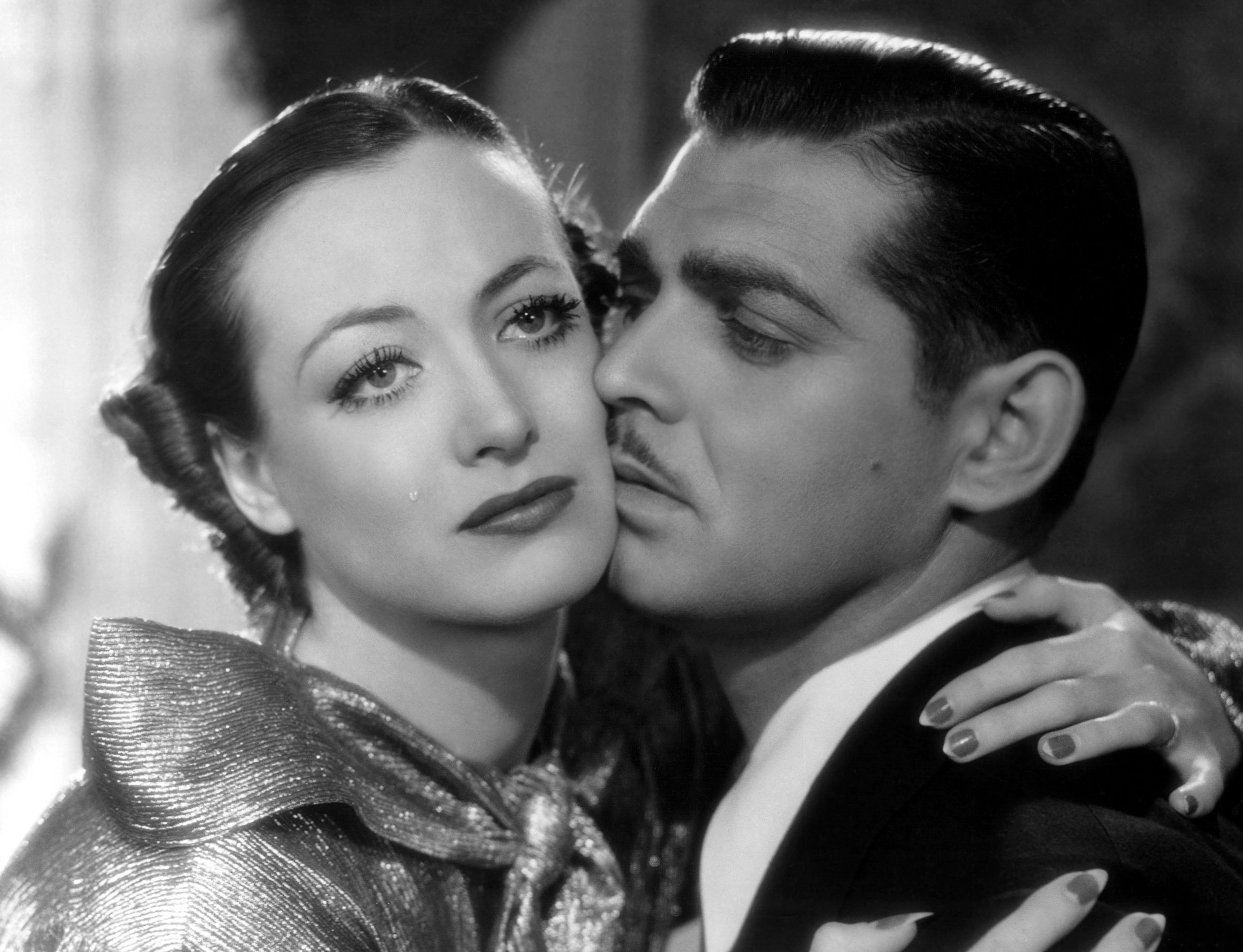
The 1974 period stands as a profound final chapter in the public life of Joan Crawford, marking her retirement from motion pictures and the crystallization of her enduring image in American cinema. Often scrutinized for her final screen appearance in the horror film Troid, this year served as the definitive transition point where Crawford shifted from an active, working actress to a legend whose influence and personal narrative became the primary focus of her historical footprint.
The Final Curtain: Assessing the 1974 Career Pivot
By 1974, Joan Crawford had spent nearly half a century as a central figure in the Hollywood studio system. Her transition from the silent era to the talkies, and eventually to the psychological horror genre in her later years, provided a career trajectory rarely matched in longevity. The year 1974 represents the moment of cessation for her professional obligations, occurring shortly after the critical and commercial reception of her final film roles.
To understand the 1974 legacy, one must examine the state of the industry at that time. The New Hollywood era was in full swing, and traditional stars of the Golden Age were increasingly finding themselves on the periphery. For Crawford, this meant a strategic withdrawal. The decision to retire was not merely a professional choice but a reaction to the shifting aesthetics of film, where the polished, disciplined style of an MGM-era star faced a generational disconnect with the gritty, naturalistic performances preferred by audiences in the mid-1970s.
Contextualizing the Final Performances
While 1974 is often cited as the year she ceased professional acting, the buildup to this departure began with her mid-1960s and early-1970s television guest spots and low-budget horror features. Unlike many contemporaries who lingered in fading roles, Crawford’s 1974 departure was marked by a keen awareness of her own public image. She chose to exit the spotlight rather than risk the dilution of her brand.
The legacy left behind in 1974 was one of absolute control. Throughout her career, Crawford was known for her meticulous management of her image, a practice that extended into her final years. The "legacy" formed at this time was a dual construction: one part defined by her formidable cinematic contributions—spanning Mildred Pierce to Whatever Happened to Baby Jane?—and one part defined by the evolving, often sensationalized, public perception of the "movie star" as an isolated, disciplined entity.
Historical Comparison of Legacy Eras
To evaluate the significance of 1974, it is helpful to categorize the distinct phases of her career that culminated in her departure from the screen.
| Career Phase | Characteristics | Primary Focus |
|---|---|---|
| Golden Age (1925–1945) | MGM Studio system, dancer-to-star trope | Glamour and technical precision |
| Mid-Century (1946–1962) | The comeback, Mildred Pierce, noir | Dramatic complexity |
| Horror/Late (1963–1974) | Baby Jane, television, final projects | Cult status and image maintenance |
This transition illustrates that by 1974, the "legacy" was no longer just about her performance in a specific film, but about her status as a cultural icon who had survived multiple eras of industry restructuring.
The Impact of Public Presentation
The 1974 period was characterized by a pivot toward private life, which ironically cemented her public legacy. Because she stopped granting the frequent, high-profile interviews of her prime, her absence created a vacuum that allowed the "Joan Crawford" mythos to grow. The scrutiny shifted from her current work to her past achievements.
For students of film history, this period is a case study in how a star manages their exit. Crawford’s legacy is often debated because of the clash between her professional achievements—which were undeniably rigorous—and the later biographical accounts that focused on her personal life. By 1974, the two narratives were inextricably linked, creating a complex legacy that combines respect for her work ethic with a fascination for the persona she created.
Professional Discipline and the Studio Model
One cannot discuss the 1974 legacy without addressing the work ethic that sustained her for 49 years. Crawford was a product of the studio system, where the actor was an asset to be managed, polished, and promoted. Her 1974 retirement marked the final sunset of that specific model of stardom. Unlike modern celebrities whose images are managed through social media, Crawford’s image was forged through high-gloss studio portraits, carefully curated publicity, and a total commitment to the "star" persona on and off the set.
This level of discipline led to both her success and her later isolation. By 1974, the industry had moved toward a more cynical, anti-heroic view of celebrity. Crawford’s commitment to the "old school" glamour—wearing makeup and gowns, maintaining a rigid professional stance—made her a target of a changing culture, but it also made her a symbol of a lost Hollywood elegance.
Frequently Asked Questions
Why is 1974 often cited as the end of Joan Crawford's career?
1974 marks the official end of her professional film and television career. After completing her final public appearances and projects, she entered a period of self-imposed seclusion that lasted until her passing. It was the point at which she stopped accepting new roles and removed herself from the daily operations of the industry.
How did the film industry change between Crawford’s peak and 1974?
The industry shifted from the studio-dominated system of the 1930s and 1940s to the independent, director-driven, and gritty naturalism of the 1970s. Crawford’s acting style, which relied on heightened emotion and technical precision, appeared formal compared to the improvisational and understated styles favored by the late 1960s and 1970s.
Was the 1974 legacy defined more by her work or her persona?
It is a mix of both. While her filmography is undeniably substantial, the legacy by 1974 became increasingly defined by the persona she had built over decades. Her image as an intense, perfectionistic, and glamorous star became as significant to the public as the specific performances she gave in her later, lower-budget projects.
How did the 1974 era influence later biographers and media portrayals?
The relative silence surrounding her life in 1974 and the subsequent years allowed for a proliferation of secondary accounts and biographies. Because she withdrew from the public eye, the narrative vacuum was filled by speculative accounts, which have become a defining, albeit controversial, part of how she is remembered today.
What is the best way to analyze her film career in retrospect?
The most objective way is to categorize her work by the studio eras she navigated. By separating her early MGM work from her post-war dramatic turn and her final horror-thriller phase, one can see a consistent thread of professional adaptability that is often overlooked in favor of purely sensationalist takes.
Practical Guidance for Researching the 1974 Era
If you are conducting academic or historical research into the 1974 period of Joan Crawford’s life, it is essential to prioritize primary sources over anecdotal biographical accounts.
- Consult Trade Publications: Look at back issues of Variety and The Hollywood Reporter from 1973 and 1974. These provide the most accurate look at the industry’s perception of her at the time, stripped of the later sensationalism.
- Examine Studio Records: Where available, studio production notes from her final projects provide insight into the logistical realities of her work environment compared to the myths that developed decades later.
- Balance Secondary Sources: When reading biographies written after 1974, cross-reference claims with documented events. The 1974-1977 period was a time of high vulnerability for the actress; verifying dates and specific events against original newspaper reports from those years is necessary to strip away retrospective bias.
Ultimately, the legacy of 1974 is a reminder of the ephemerality of fame. Joan Crawford’s decision to step away at that time prevented the further erosion of the image she had fought so hard to cultivate. Her legacy remains a testament to the power of self-invention and the endurance of the Golden Age star in an industry that was rapidly evolving toward a future she chose not to be a part of.