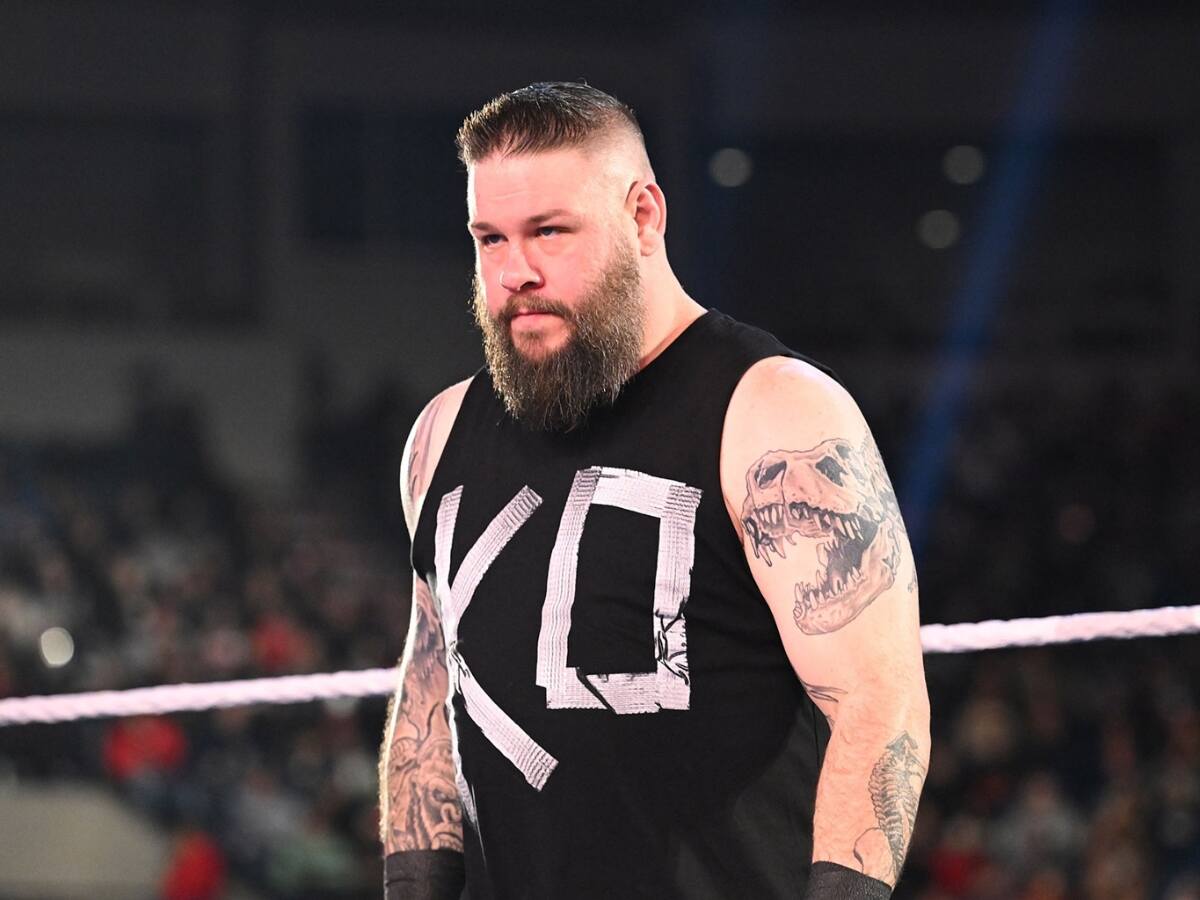
Kevin Owens commands an estimated net worth of approximately $12 million, driven by his multi-year WWE contract, high-profile main event matches, merchandise sales, and a lengthy career in independent professional wrestling.
Evaluating the financial portfolio of a professional wrestler requires looking beyond base salaries and pay-per-view bonuses. For modern athletes within World Wrestling Entertainment (WWE), financial success depends on a blend of guaranteed downside guarantees, global merchandise royalties, digital media licensing, and external endorsement opportunities. As one of the most prominent performers of his generation, Kevin Owens—born Kevin Steen—has built a stable financial foundation through two decades of physical sacrifice, strategic contract negotiations, and sustained television presence.
Understanding how a professional athlete reaches a multimillion-dollar valuation involves analyzing the structure of professional wrestling contracts, revenue streams outside the squared circle, and the broader economic landscape of sports entertainment. This analysis breaks down the primary components influencing the estimated $12 million valuation of Kevin Owens, examining his career trajectory, contract milestones, and the business mechanics behind professional wrestling wealth.
The Professional Wrestling Economic Model: Contracts and Royalties
To understand how professional wrestlers accumulate wealth, one must examine the unique economic structure of the industry. Unlike traditional team sports where salaries are public knowledge and governed by collective bargaining agreements, professional wrestling operates on individual talent contracts negotiated privately with corporate promoters like WWE.
At the core of Kevin Owens's earnings is his WWE contract. Top-tier main-roster performers typically operate under multi-year agreements that provide a guaranteed minimum base salary, often referred to in the industry as a "downside guarantee." Beyond this base figure, performers earn supplementary income through various performance and licensing mechanisms:
- Pay-Per-View and Premium Live Event Bonuses: While the shift toward flat-fee subscription models like Peacock and the WWE Network changed traditional pay-per-view buyrate bonuses, major performers still receive financial incentives tied to marquee events and gate revenues.
- Merchandise Royalties: Wrestlers receive a percentage of revenue generated from the sale of their branded merchandise, including t-shirts, hoodies, action figures, and video game likenesses. Given Owens's enduring popularity with fans, his merchandise sales represent a steady, passive revenue stream.
- Media Licensing: Appearances in video games (such as the WWE 2K franchise), trading card licensing, and action figure contracts provide substantial secondary income.
- Sponsorship and Third-Party Media: While WWE historically restricted external sponsorships, policy adjustments and individual contract negotiations have allowed high-profile stars to capture additional revenue through independent social media promotions and public appearances.
Career Trajectory and Financial Milestones
An athlete's net worth is the cumulative result of their lifetime earnings, intelligent asset management, and career longevity. Kevin Owens's financial growth mirrors his professional ascension from the independent circuit to the global stage of sports entertainment.
The Independent Circuit Foundations (2000–2014)
Before signing with WWE in 2014, Owens spent fourteen years wrestling on the independent circuit under his real name, Kevin Steen. During this era, independent wrestlers relied primarily on per-night booking fees, merchandise sales managed directly by the wrestler out of their own car trunk, and international tours—particularly with promotions like Ring of Honor (ROH), Pro Wrestling Guerrilla (PWG), and various European and Japanese organizations.
While independent wrestling did not yield millions of dollars, it established Owens's reputation as an elite in-ring performer and microphone worker. More importantly, it taught him self-promotion and direct-to-consumer merchandise management, skills that proved vital once he entered the corporate environment of professional wrestling.
The WWE NXT and Main Roster Explosion (2014–2020)
Owens signed a developmental contract with WWE in August 2014, reporting to the WWE Performance Center and the NXT brand. His rise was exceptionally rapid; within months, he captured the NXT Championship, proving his marketability to company executives. By May 2015, he transitioned to the WWE main roster on Monday Night Raw, immediately entering high-profile programs with established main-eventers like John Cena.
During this period, Owens achieved major accolades, including winning the WWE Universal Championship, the United States Championship, and multiple reigns with the Intercontinental Championship. Each championship reign and high-profile WrestleMania match incrementally improved his contract tier, moving him from a standard developmental salary to a lucrative main-roster guaranteed contract.
Main Event Status and Contract Renewals (2021–Present)
By late 2021, speculation surrounded Owens's contract status as his original WWE deal approached expiration. Major wrestling promotions actively courted his services, creating a bidding environment that significantly elevated his market value. Ultimately, Owens signed a multi-year contract extension with WWE reportedly worth several million dollars annually, securing his financial future and solidifying his status as a core pillar of the company's programming.
| Career Phase | Approximate Timeline | Primary Revenue Sources | Financial Impact |
|---|---|---|---|
| Independent Circuit | 2000–2014 | Booking fees, direct merchandise sales, seminars | Moderate earnings; built brand equity and industry reputation. |
| NXT & Early Main Roster | 2014–2020 | Base downside guarantees, initial merchandise royalties | Substantial income increase; entry into corporate sports entertainment. |
| Main Event & Contract Renewal | 2021–Present | Premium multi-year guaranteed contracts, global merchandise, media licensing | Peak earning years; primary driver of multimillion-dollar net worth. |
Asset Diversification and Wealth Management
Accumulating a net worth of $12 million requires more than earning a high salary; it demands disciplined financial management, intelligent real estate investments, and asset diversification.
Professional athletes face unique financial challenges due to the high-impact, short-duration nature of their careers. Injuries can prematurely end an in-ring tenure, making prudent money management essential. While specific details of private investment portfolios remain confidential, standard wealth-preservation strategies utilized by high-earning professional wrestlers typically include:
- Real Estate Holdings: Acquiring primary residential real estate and investment properties provides long-term stability and hedges against market volatility. Owens, who is originally from Quebec, Canada, has established permanent residence in the United States to accommodate his demanding WWE travel schedule.
- Retirement and Investment Accounts: Diversified portfolios featuring equities, bonds, and managed funds protect capital accumulated during peak earning years.
- Intellectual Property and Brand Value: Maintaining ownership over personal branding and maximizing revenue from independent appearances, autograph signings, and conventions ensures income generation independent of active in-ring competition.
Comparing Professional Wrestling Wealth Models
To contextualize Kevin Owens's financial standing, it is helpful to examine how professional wrestling compensation compares to other major North American sports leagues.
Unlike the National Football League (NFL) or National Basketball Association (NBA), where player salaries are heavily publicized and bound by salary caps, professional wrestling operates on a corporate entertainment model. Performers are independent contractors responsible for their own travel, lodging, and health insurance expenses, though WWE provides comprehensive concussion protocols and injury rehabilitation support for contracted talent.
| Attribute | WWE Main Eventer (e.g., Kevin Owens) | Major League Professional Athlete (NFL/NBA) | Independent Circuit Wrestler |
|---|---|---|---|
| Contract Structure | Private, multi-year guaranteed downside with bonuses | Public, collective bargaining-governed guaranteed contracts | Per-night booking fees or handshake agreements |
| Expense Responsibility | Self-funded travel, lodging, and gear | Team-provided travel and medical staff | Entirely self-funded travel and gear |
| Revenue Streams | Base salary, merchandise, media licensing, appearances | Base salary, performance bonuses, external endorsements | Booking fees, direct merchandise, training seminars |
| Career Longevity | Often 15–25 years total; 10+ years at top tier | Typically 3–10 years | Varies widely based on physical health |
Frequently Asked Questions
What is Kevin Owens's primary source of income?
Kevin Owens earns the vast majority of his income from his multi-year guaranteed talent contract with WWE. This includes his base downside guarantee, performance bonuses for major premium live events, and a percentage of global merchandise sales featuring his likeness and branding.
How does Kevin Owens's net worth compare to other WWE wrestlers?
An estimated net worth of $12 million places Owens firmly among the upper tier of active WWE performers. While legendary figures like John Cena, Dwayne "The Rock" Johnson, and Brock Lesnar command higher net worths due to Hollywood crossover success and historic contract terms, Owens's financial standing reflects his decade-long consistency as a main-event talent.
Are WWE wrestlers considered independent contractors?
Yes. Performers under WWE contract are classified as independent contractors rather than traditional corporate employees. Consequently, they are responsible for managing their own travel expenses, professional gear costs, and personal tax structures, though their contracts provide substantial guaranteed baseline compensation.
Did Kevin Owens wrestle under a different name before WWE?
Yes. Before signing with WWE in 2014, he competed on the independent wrestling circuit for fourteen years under his birth name, Kevin Steen. He achieved significant success in promotions such as Ring of Honor (ROH) and Pro Wrestling Guerrilla (PWG) before adopting the ring name Kevin Owens upon joining WWE's developmental brand, NXT.
What factors could influence Kevin Owens's net worth in future years?
Future financial growth will depend on ongoing contract negotiations with WWE or alternative promotions, expansion into media projects outside of wrestling (such as acting or broadcasting), merchandise longevity, and prudent management of his existing investment portfolio.
Conclusion and Financial Outlook
Kevin Owens's estimated $12 million net worth is the direct result of a calculated, hard-fought journey through the professional wrestling industry. From grinding through the independent circuit for over a decade to anchoring WrestleMania main events for the world's largest sports entertainment promotion, his financial trajectory underscores the value of resilience, in-ring mastery, and brand loyalty. As he continues his tenure in professional wrestling, his established financial acumen and market value ensure that his economic foundation remains secure.