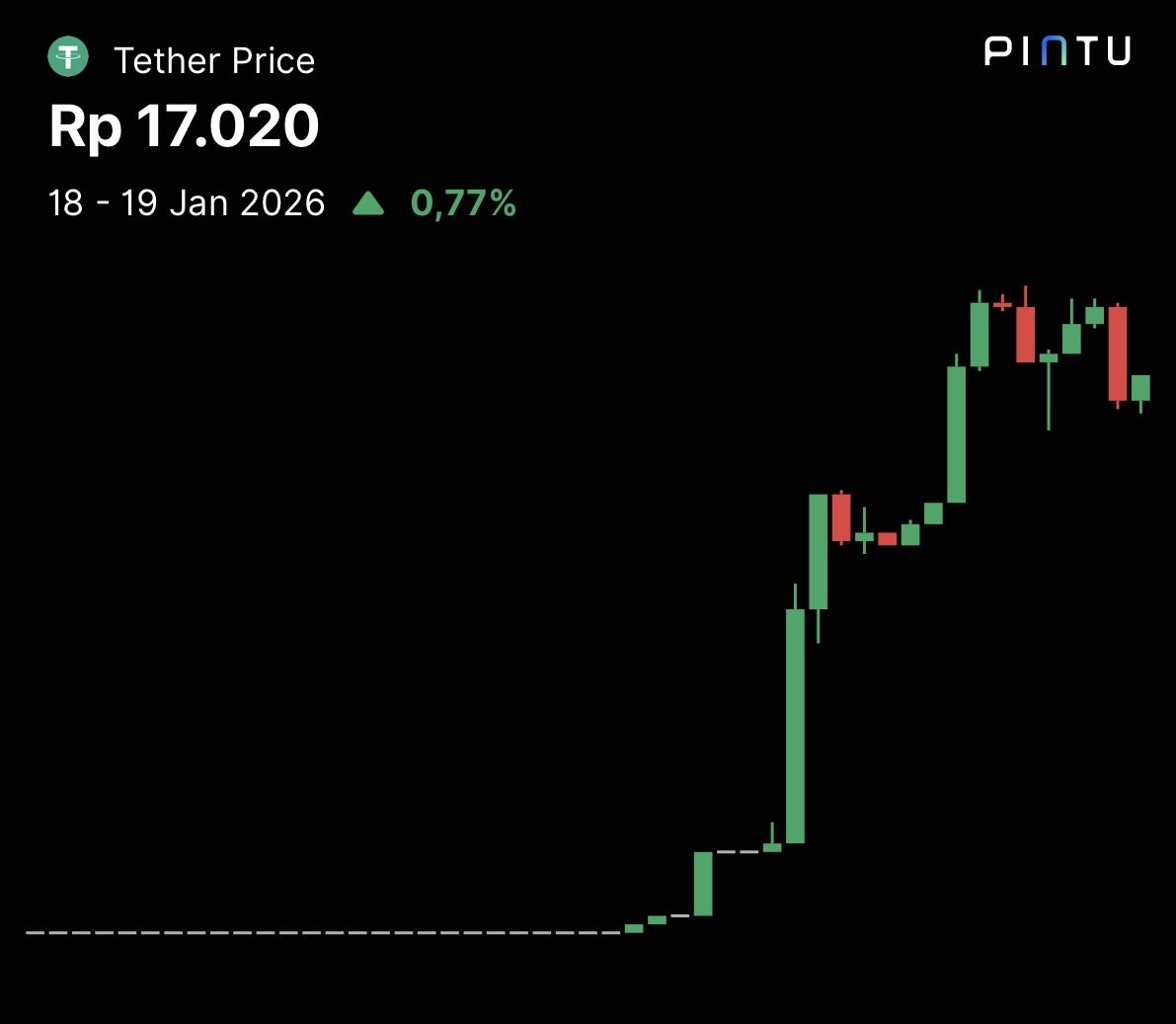
Converting 1,000 US Dollars to Indonesian Rupiah requires understanding live market rates, currency volatility, and the mechanics of international money transfers. Because foreign exchange rates fluctuate constantly based on macroeconomic indicators, central bank policies, and geopolitical events, capturing the exact value demands careful attention to timing, service provider fees, and hidden markup costs.
Understanding the Foreign Exchange Dynamic Between USD and IDR
The exchange rate between the United States Dollar (USD) and the Indonesian Rupiah (IDR) represents a relationship between a major global reserve currency and a prominent emerging market currency in Southeast Asia. When evaluating the current exchange value of 1,000 USD to IDR, observers are looking at a substantial nominal sum in Rupiah due to the structural valuation difference between the two economies.
The US Dollar serves as the world's primary invoicing and reserve currency, heavily influenced by the monetary policy decisions of the United States Federal Reserve, domestic inflation reports, and employment data. Conversely, the Indonesian Rupiah reflects the economic health of Indonesia, driven by commodity exports (such as coal, palm oil, and nickel), domestic consumption, foreign direct investment, and Bank Indonesia's monetary interventions. Because Indonesia is a major developing economy with high growth potential, its currency experiences distinct seasonal fluctuations and capital flow sensitivities.
When individuals or businesses calculate 1,000 USD in IDR, they are engaging with the retail or wholesale foreign exchange market. It is vital to distinguish between the mid-market rate—the baseline rate banks and financial institutions use to trade among themselves—and the retail rate offered to everyday consumers. Understanding this gap is the first step toward optimizing any currency conversion.
The Mechanics of Mid-Market Rates Versus Retail Exchange Rates
The mid-market rate is the midpoint between the buying and selling prices of two currencies in the global interbank market. If you search for "1,000 USD to IDR current exchange value" on financial tracking platforms like Bloomberg, Reuters, or Google Finance, the figure displayed is typically the mid-market rate.
However, retail consumers rarely receive this exact rate. Banks, remittance providers, and currency exchange booths insert a margin or markup into the exchange rate to generate profit. For example, if the mid-market rate yields a specific number of Rupiah for 1,000 USD, a commercial bank might offer a rate that provides 1.5% to 3% fewer Rupiah, while also charging a fixed transfer fee.
| Transfer Method | Typical Rate Markup | Transfer Speed | Best Suited For |
|---|---|---|---|
| Traditional Wire Transfer (SWIFT) | High (1.5% - 4%) | 2–5 Business Days | Large corporate transactions, strict banking requirements |
| Specialized Money Transfer Services | Low to Moderate (0.4% - 1.5%) | Minutes to 2 Business Days | Cost-effective personal transfers and digital remittances |
| Local Currency Exchange Booths | Variable (2% - 6%+) | Immediate (Cash) | Travelers needing physical Rupiah cash upon arrival |
| Multi-Currency Digital Wallets | Low (0.5% - 1%) | Instant | Digital nomads, frequent travelers, online shopping |
Evaluating these options ensures that when converting 1,000 USD, the net amount received in IDR is maximized. High transfer fees on a relatively moderate sum like 1,000 dollars can significantly diminish the final amount deposited into the recipient account.
Key Economic Drivers Affecting the USD/IDR Pair
Foreign exchange values do not exist in a vacuum. Several macroeconomic factors continuously push and pull the valuation of 1,000 USD when converted into IDR. Recognizing these factors helps users anticipate whether the Rupiah is strengthening or weakening.
United States Monetary Policy and Interest Rates
The Federal Reserve's benchmark interest rate is one of the most powerful catalysts for the US Dollar. When the Fed raises interest rates or signals a "higher-for-longer" monetary stance, global capital tends to flow out of emerging markets like Indonesia and back into US dollar-denominated assets, which offer higher yields with lower perceived risk. This capital flight strengthens the USD and weakens the IDR, meaning 1,000 USD would buy more Rupiah during periods of US monetary tightening.
Bank Indonesia Policy and Foreign Exchange Reserves
Bank Indonesia (BI) actively manages the stability of the Rupiah through market interventions, including selling foreign exchange reserves and adjusting domestic interest rates. If BI raises its benchmark rate to defend the Rupiah against a surging dollar, it stabilizes the exchange rate. Monitoring BI policy meetings provides critical context for short-term currency movements.
Commodity Prices and the Indonesian Trade Balance
Indonesia is a resource-rich nation. Global prices for commodities such as thermal coal, liquefied natural gas, crude palm oil, and metals heavily influence Indonesia's trade surplus. Strong commodity prices generate substantial foreign exchange earnings for Indonesian exporters, supporting the Rupiah's valuation against the USD. Conversely, falling commodity prices can pressure the Indonesian currency downward.
Inflation Differentials
Inflation erodes purchasing power. If inflation in the US is significantly lower than inflation in Indonesia, economic theory dictates that the Rupiah should depreciate relative to the Dollar over time to maintain purchasing power parity. Currency traders price these long-term inflation differentials into daily spot rates.
Step-by-Step Guide to Converting 1,000 USD to IDR Safely
Executing an international transfer or currency exchange requires a structured approach to protect funds and ensure regulatory compliance. Follow these steps to complete a conversion efficiently:
- Check the Live Mid-Market Rate: Consult a reliable financial data provider to establish the baseline value of 1,000 USD in IDR before checking provider rates.
- Compare Transfer Providers: Evaluate specialized fintech transfer platforms, international banks, and multi-currency accounts to find the provider offering the lowest combined cost of exchange rate markup and transfer fees.
- Verify Recipient Details: Ensure that the recipient's Indonesian bank account details—including the exact account holder name matching official identification, bank name, and account number—are accurate. In Indonesia, bank transfers require precise routing details to avoid processing delays.
- Complete Regulatory Declarations: Depending on the jurisdiction and the platform used, transfers over certain thresholds may require documentation regarding the source of funds or the purpose of the transaction. For 1,000 USD, requirements are typically minimal, but compliance checks are standard.
- Confirm and Track the Transfer: Review the final locked-in exchange rate, delivery timeframe, and total cost before authorizing the transaction. Utilize tracking tools provided by the remittance service to monitor the funds until they reach the destination account.
Common Mistakes to Avoid When Exchanging Currency
Many consumers lose money during currency conversions due to avoidable errors. Awareness of these pitfalls safeguards your funds.
- Accepting "Zero Fee" Claims Blindly: A provider advertising zero transfer fees often hides their profit inside an inflated exchange rate markup. Always calculate the total amount of IDR the recipient will actually receive rather than focusing solely on the stated fee.
- Using Airport Currency Kiosks for Large Sums: Airport exchange booths and tourist-area kiosks offer convenience at an exceptionally high cost, often charging double-digit percentage markups. Avoid converting 1,000 USD into physical cash at airports unless absolutely necessary.
- Ignoring Transfer Timing Delays: Foreign exchange markets close on weekends, and international wire transfers do not process on bank holidays. Failing to account for weekends and time zone differences can strand funds for several days.
- Failing to Verify Bank Account Currency Settings: Ensure the receiving Indonesian bank account is denominated in IDR. If an account receives USD directly, the local bank will perform the conversion at their own retail rate, which may be less favorable than an independent transfer service.
Frequently Asked Questions
What is the exact value of 1,000 USD in IDR today?
Exchange rates change continuously second-by-second while global currency markets are open. To find the exact live value, check a reputable financial platform like Reuters or Bloomberg using the current market spot rate.
Is it better to convert USD to IDR in the US or in Indonesia?
Generally, converting funds via digital international transfer services or multi-currency accounts yields a better rate than physical cash exchanges. If physical cash is required, exchanging currency at authorized banks or reputable exchange houses in major Indonesian cities (like Jakarta or Bali) often provides better rates than exchanging US dollars inside US domestic banks.
Do I need to pay taxes when converting 1,000 USD to IDR?
The act of converting currency is not a taxable event in most jurisdictions. However, tax obligations depend on the source of the funds and how they are utilized once converted. Consult a qualified tax professional regarding cross-border financial reporting requirements in your home country.
How long does an international transfer of 1,000 USD to Indonesia take?
Transfer times vary by provider. Specialized digital transfer services often complete transactions within minutes or up to one business day. Traditional SWIFT bank wire transfers typically require two to five business days to clear intermediary and receiving banks.
Why do different platforms show different exchange rates for 1,000 USD to IDR?
Financial platforms display the mid-market rate, which is a wholesale benchmark. Individual remittance providers, banks, and currency brokers add their own retail markups and service margins to generate revenue, resulting in slightly different final conversion amounts across platforms.
Strategic Financial Recommendation
When converting 1,000 USD to IDR, prioritize transparency by calculating the total net payout rather than relying on promotional marketing claims. Utilize reputable digital transfer providers with low margin markups to ensure the maximum amount of Rupiah reaches the intended destination. For travelers visiting Indonesia, carrying a minimal amount of physical cash exchanged beforehand combined with a fee-free international debit card offers the ideal balance of liquidity, safety, and cost efficiency.