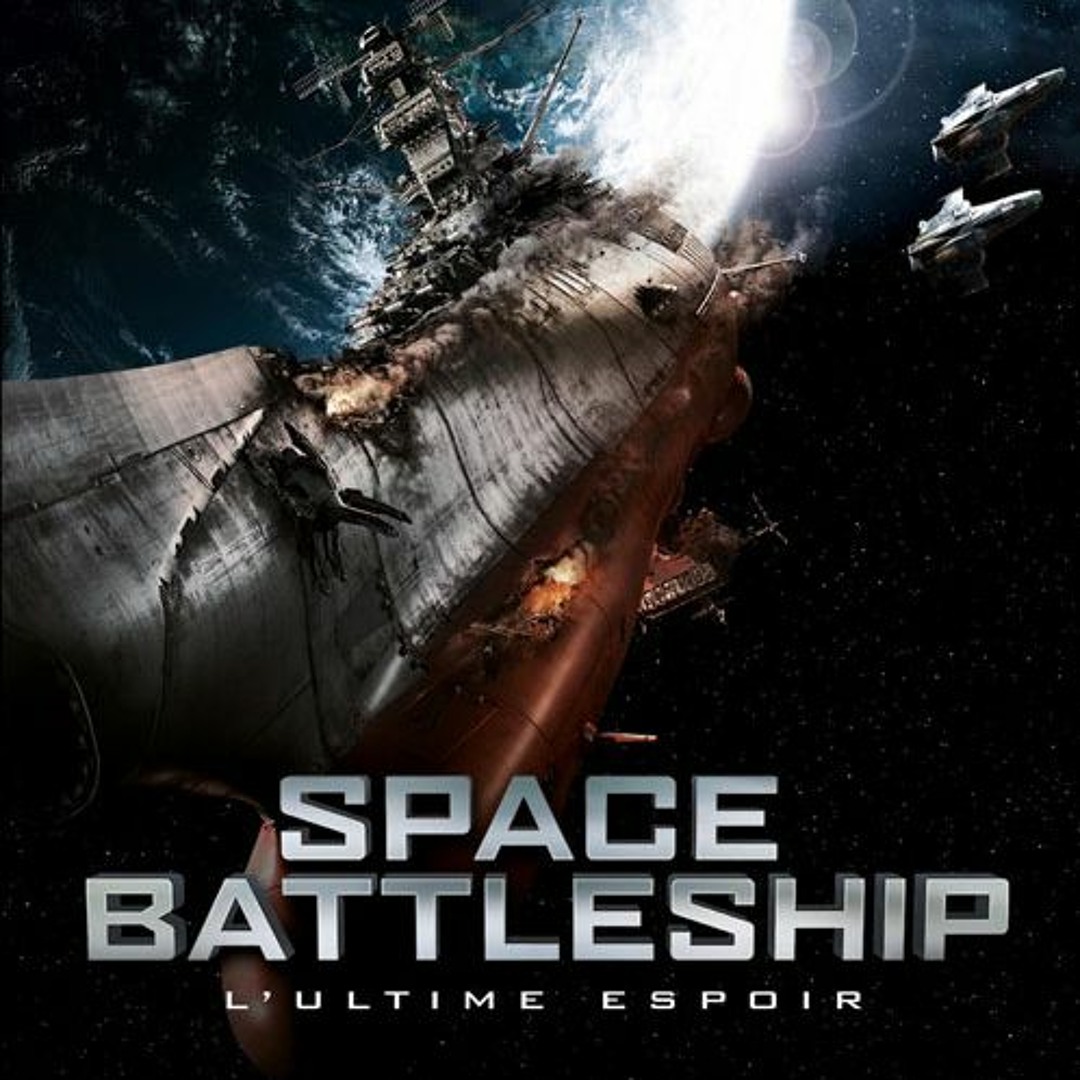
The Space Battleship Yamato 2010 movie timeline follows a standalone continuity set primarily in the year 2199. It depicts a desperate 148,000 light-year journey to the planet Iscandar to retrieve a radiation-cleansing device, following a devastating Gamilas invasion that began in 2194, five years prior to the film's main events.
Understanding the Space Battleship Yamato (2010) Narrative Scope
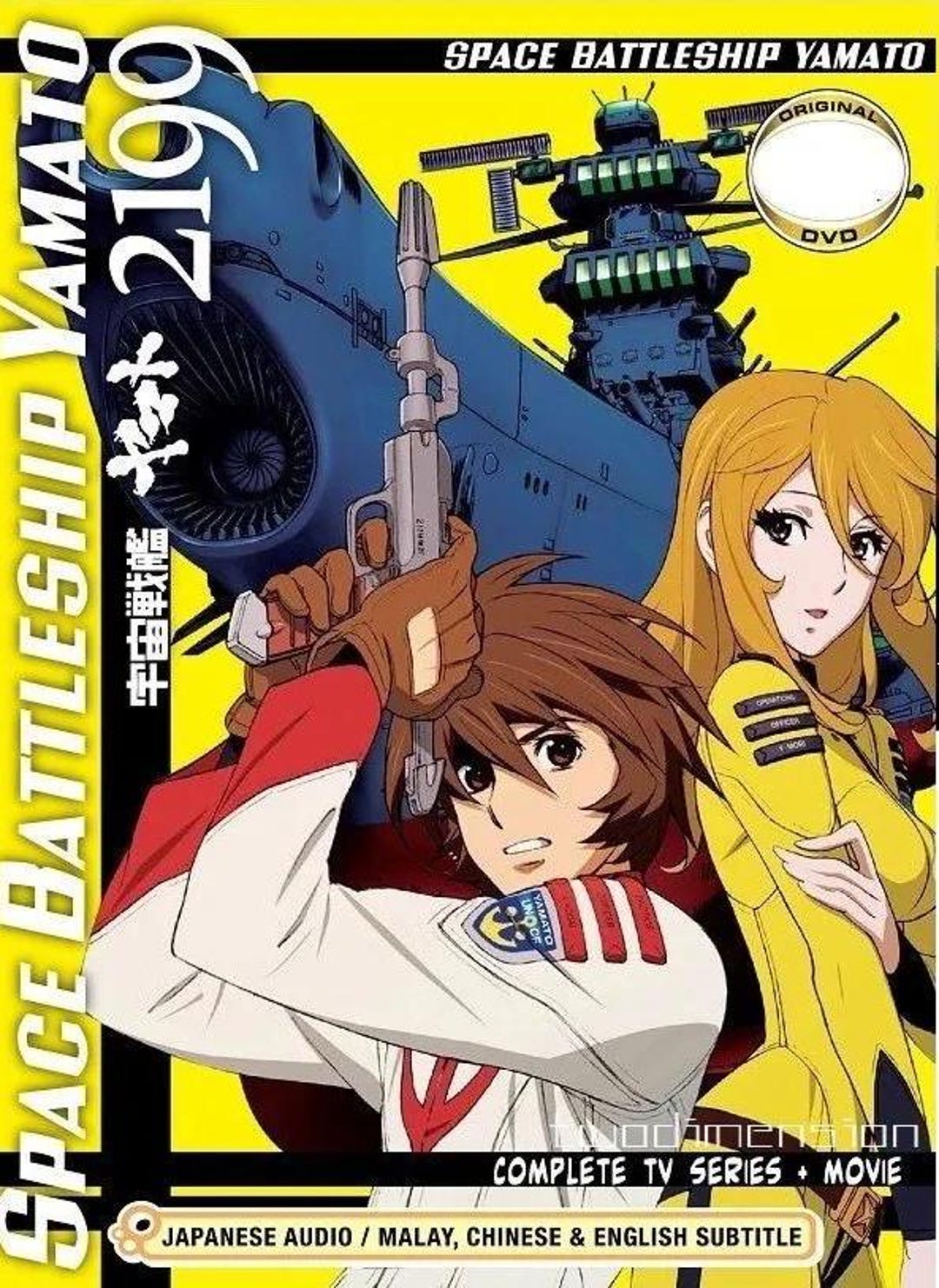
The 2010 live-action film, directed by Takashi Yamazaki and starring Takuya Kimura, represents a unique branch in the massive Yamato franchise. Unlike the multi-season television series or the more recent Star Blazers: Space Battleship Yamato 2199 animated remakes, the 2010 film is a self-contained epic. It compresses the sprawling narrative of the original 1974 series into a high-stakes, two-hour-and-ten-minute cinematic experience.
To understand the timeline, one must distinguish between the In-Universe Chronology (the fictional history of the characters) and the Production Timeline (how the film came to be). As of 2026, this film remains the only major live-action adaptation of the property, serving as a significant touchstone for fans who prefer a grittier, more grounded interpretation of the "Last Hope for Humanity."
The Standalone Continuity of the Live-Action Universe
One of the most important aspects of the 2010 movie timeline is its isolation from other Yamato projects. While it borrows heavily from the 1974 source material, it alters key events and character deaths to fit a singular movie arc. In this version, the Gamilas are not merely blue-skinned humanoids but a more alien, crystalline, and hive-mind-like species. This change significantly impacts the "First Contact" timeline and the eventual resolution of the conflict at Iscandar.
Chronological In-Universe Timeline of Events
The fictional history of the 2010 film is defined by a rapid descent from global prosperity to the brink of extinction. The timeline focuses on the five-year period between the arrival of the Gamilas and the final sacrifice of the Yamato crew.
2194: The Gamilas Invasion and the Fall of Earth
The timeline begins in 2194 when an extraterrestrial force known as the Gamilas begins launching "Meteor Bombs" at Earth. These are not traditional kinetic weapons but radioactive projectiles designed to terraform Earth into a world suitable for Gamilas biology while poisoning the human population.
- Atmospheric Collapse: Within months, the Earth's surface becomes uninhabitable due to extreme radiation levels.
- The Underground Migration: The surviving remnants of humanity retreat into massive subterranean cities built beneath the crust. These cities are temporary measures, as the radiation is projected to penetrate deep enough to kill all life within one year of the film's start date (2199).
- The Loss of the Space Navy: Initial attempts to fight back are disastrous. Earth's conventional space fleet is systematically dismantled by Gamilas superior technology, specifically their "Planet Bombs" and long-range beam weaponry.
2199: The Discovery at Mars and the Hope for Iscandar
Five years after the initial bombardment, the situation is dire. In early 2199, a communication capsule from the planet Iscandar is discovered on Mars. This capsule contains blueprints for a Wave Motion Engine and a message from Queen Starsha, promising a device capable of neutralizing the radiation on Earth.
- The Resurrection of Yamato: Using the blueprints, the Earth Defense Force (EDF) secretly builds a massive starship within the hull of the sunken World War II battleship Yamato. The old ship serves as a camouflaged dry dock, hiding the construction from Gamilas surveillance.
- The Battle of Mars: Susumu Kodai, a former pilot who left the service after the death of his brother Mamoru, is drawn back into the conflict after finding a second message. This leads to the mobilization of the crew.
- The Launch (October 2199): The Yamato launches from the dry seabed of the former Pacific Ocean. It successfully tests its Wave Motion Engine and performs the first "Warp" jump in human history, aiming for the Large Magellanic Cloud.
The Journey to the Large Magellanic Cloud
The middle segment of the 2010 timeline covers the transit from Earth to Iscandar. In this version, the journey is characterized by a series of desperate skirmishes.
- The Jupiter Operation: The Yamato tests the Wave Motion Cannon for the first time, destroying a Gamilas floating continent base. This establishes the Yamato as a legitimate threat to the invaders.
- The Internal Conflicts: The timeline of the journey is punctuated by the developing relationship between Susumu Kodai and Yuki Mori. Unlike the anime, Yuki in 2010 is a combat pilot (Black Tiger squadron) rather than a radar operator, which shifts her involvement in the timeline toward more front-line action.
- The Gamilas Interception: As the Yamato approaches the Magellanic Cloud, the Gamilas leader, Desslar, attempts to board and destroy the ship from within. This leads to a frantic struggle in the corridors of the Yamato, a departure from the ship-to-ship focus of the original series.
The Final Stand and the Rebirth of Earth (December 2199)
The climax of the timeline occurs upon reaching Iscandar. In a major twist for the 2010 film, Iscandar and Gamilas are revealed to be two aspects of the same planet (or entity).
- The Revelation: The crew learns that Starsha and Desslar represent the dual nature of the alien species. The "device" to save Earth is not a machine but an essence that must be carried back.
- The Ultimate Sacrifice: During the return journey, the Yamato is crippled. Susumu Kodai chooses to pilot the ship into a final collision/detonation to ensure the Gamilas core is destroyed and that the radiation-cleansing essence (carried within Yuki Mori) can reach Earth's surface.
- Earth's Restoration: The film ends with a jump forward to a restored Earth. The timeline concludes with Yuki and a young boy (presumably Kodai's son) standing on a green hill, looking at a world free of radiation.
Production and Release Timeline of the 2010 Film
The development of the live-action movie was a lengthy process that reflected the technical challenges of bringing a beloved 1970s anime to the modern big screen.
| Milestone | Date | Description |
|---|---|---|
| Initial Project Proposal | 2005 | Early discussions regarding a live-action adaptation began at TBS (Tokyo Broadcasting System). |
| Director Attachment | 2009 | Takashi Yamazaki was officially signed to direct, bringing his expertise in VFX. |
| Principal Photography | Oct - Dec 2009 | Filming took place over three months, primarily on soundstages with heavy green-screen usage. |
| Post-Production | 2010 | Over nine months were dedicated to the 1,500+ visual effects shots required for the film. |
| Official Premiere | Dec 1, 2010 | The film opened in Japanese theaters, eventually grossing over 4.1 billion yen. |
| International Release | 2011 - 2012 | The film was licensed for international markets, including a Blu-ray release in the West. |
Key Differences: 2010 Movie Timeline vs. Original 1974 Series
Because the 2010 film had to condense 26 episodes into 130 minutes, several significant timeline and character changes were made.
Structural Compression
In the original series, the voyage takes exactly one year. The 2010 film accelerates this pace significantly. The sense of a ticking clock is maintained, but the episodic "monster of the week" encounters are removed in favor of a continuous chase.
Character Fates
In the 1974 timeline, Captain Okita dies of radiation sickness just as the ship returns to Earth. In the 2010 timeline, Okita dies earlier, passing command to Kodai for the final battle. Furthermore, the 2010 timeline ends with the death of Susumu Kodai, whereas in the anime, he survives and appears in numerous sequels.
The Nature of Iscandar
The anime timeline presents Iscandar as a sister planet to Gamilas, home to a benevolent race. The 2010 movie timeline treats Iscandar and Gamilas as a singular biological/spiritual entity. This changes the timeline of the "discovery" at the end of the film, making the resolution more metaphysical than technological.
Technical Specifications and Visual Effects Milestones
The 2010 film was a landmark for Japanese cinema in terms of its digital timeline. At the time of its release, it featured one of the highest volumes of CGI shots in a domestic Japanese production.
- Wave Motion Cannon: The visual representation of the cannon's firing sequence was updated to feel more like a massive release of energy that strains the ship's infrastructure.
- Ship Design: The Yamato's design in the 2010 timeline is more industrial. The interior features cramped, submarine-like corridors, reflecting the desperate conditions of a humanity forced underground.
- Gamilas Technology: The alien ships were designed with organic, shifting geometries, a stark contrast to the rigid, military-inspired designs of the 1970s.
Character Arcs and Time-Sensitive Developments
The timeline of the film is also a timeline of character growth, specifically for Susumu Kodai and Captain Juza Okita.
Susumu Kodai's Redemption
At the start of the 2199 timeline, Kodai is a "scavenger" who has abandoned his military duties. His arc over the film's two-hour runtime involves reclaiming his sense of duty and moving past the trauma of losing his brother in 2194. By the final act, his transformation into the ship's commander is complete.
Captain Okita's Final Command
Okita's health is a constant timer throughout the movie. His declining physical state mirrors the declining state of Earth's atmosphere. His tactical brilliance in the early battles (such as the Jupiter maneuver) buys the crew enough time to reach the Magellanic Cloud before he eventually succumbs to his illness.
Legacy and Reception in 2026
As we look back from 2026, the 2010 Space Battleship Yamato movie is viewed as the catalyst that proved Yamato could work for a modern audience. While the animated 2199 and 2202 series have since become the dominant "new" continuity for the franchise, the live-action film is still praised for its high production values and the performance of Takuya Kimura.
It remains a popular choice for viewers who want a singular, high-octane summary of the Yamato mythos without committing to multiple seasons of television. Its influence on the visual style of subsequent Yamato projects is undeniable, particularly in how the "Wave Motion" effects and ship combat are choreographed.
Frequently Asked Questions
Does the 2010 movie follow the same timeline as the Star Blazers: 2199 anime?
No. The 2010 live-action movie is a separate continuity. While both are based on the original 1974 series, the 2010 film makes several unique changes, such as the ending where Kodai dies and the specific nature of the Gamilas aliens.
Why is the Gamilas attack timeline different in the movie?
The movie simplifies the invasion to focus on the immediate threat of radiation. By beginning the invasion in 2194 and setting the film in 2199, it creates a tight, five-year window of survival that heightens the dramatic tension for a feature-film format.
Is there a sequel to the 2010 Yamato movie?
As of 2026, there is no direct sequel to the 2010 live-action film. The ending of the movie, which sees the death of the protagonist and the restoration of Earth, was designed to be a definitive conclusion to the story.
What is the significance of the "148,000 light-years" in the timeline?
This is the distance the Yamato must travel to reach Iscandar. In the 2010 movie, this journey is depicted through a series of "Warps." The timeline of these warps is limited by the ship's energy reserves and the physical toll the jumps take on the crew.
How does Yuki Mori's role change the timeline?
In the 2010 film, Yuki Mori is a fighter pilot. This changes the timeline of her interactions with Kodai, as they often fly missions together. This makes her central to the military timeline of the ship, rather than just its internal operations.
Practical Recommendation for Viewers
If you are looking to experience the Space Battleship Yamato 2010 movie timeline, it is best viewed as a standalone "What If?" scenario. To fully appreciate the depth of the narrative, watch it as a focused epic about sacrifice and environmental recovery. While it diverges from the anime, its emotional beats are consistent with the themes of the franchise. For those interested in the broader lore, following this film with the Space Battleship Yamato 2199 animated series provides a fascinating look at how the same timeline can be interpreted in two very different ways.