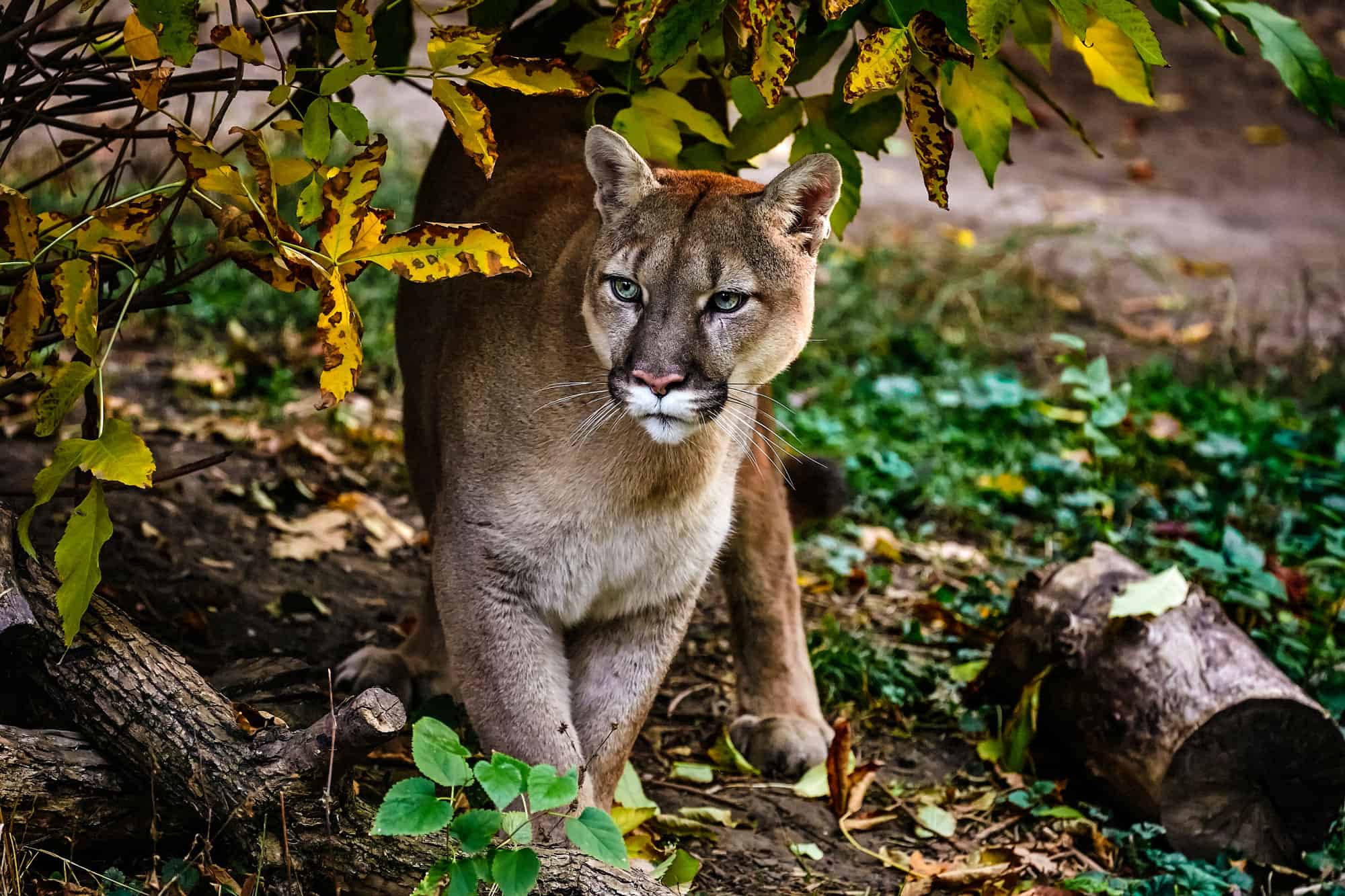
There is currently no established, breeding population of mountain lions in Pennsylvania. The Pennsylvania Game Commission, the state agency responsible for wildlife management, classifies the eastern cougar—the subspecies historically native to the region—as extirpated. While the agency receives hundreds of public reports of mountain lion sightings annually, none have been biologically verified by state experts as wild, free-ranging mountain lions.
The Historical and Biological Context
To understand the current status of mountain lions in Pennsylvania, it is necessary to differentiate between historical populations and the contemporary reality of the landscape. Historically, Puma concolor couguar, commonly known as the eastern cougar or mountain lion, roamed across the entirety of what is now Pennsylvania. These apex predators were essential components of the ecosystem, managing deer populations and maintaining a balance among smaller carnivores.
However, as European settlement expanded during the 18th and 19th centuries, the habitat of the mountain lion was systematically dismantled. Deforestation, rapid human development, and, perhaps most critically, the near-extirpation of white-tailed deer—the primary food source for mountain lions—led to the collapse of the local population. By the late 1800s, the mountain lion was considered functionally extinct within the Commonwealth.
The last officially verified mountain lion in Pennsylvania was reportedly killed in Berks County in 1874. Since that time, despite persistent rumors and anecdotal accounts, there has been no scientifically supported evidence to suggest that the species has returned to the state to form a sustainable, breeding population.
Evaluating Public Sightings and Misidentifications
The Pennsylvania Game Commission maintains a dedicated protocol for investigating reports of large, mysterious predators. Every year, residents across the state report seeing what they believe to be a mountain lion. These accounts often describe a large, tan-colored animal with a long, sweeping tail, typically spotted near woodland edges or crossing rural roadways at dusk.
When these reports are investigated by wildlife conservation officers, a pattern emerges. The overwhelming majority of these sightings are found to be misidentifications of other local wildlife. The most common look-alike species include:
- Bobcats (Lynx rufus): Pennsylvania has a robust and growing population of bobcats. While they are significantly smaller than mountain lions and have short, "bobbed" tails, their coat color and movement patterns can often be misinterpreted by observers in low-light conditions or from a distance.
- Domesticated Felines: Large, tan-colored house cats, particularly Maine Coons or feral domestic cats, can appear much larger than they are when viewed against unfamiliar terrain or in distorted perspective.
- Juvenile Black Bears: During certain times of the year, young black bears can appear lanky. Observers sometimes mistake the size or color of a bear for a cougar, especially when the bear is viewed from the side or moving through dense brush.
- Domestic Dogs: Various large dog breeds, particularly those with tawny coats like Labs or Rhodesian Ridgebacks, are frequently mistaken for mountain lions, especially when they are seen running freely in rural areas.
The psychological phenomenon of expectation also plays a role in these sightings. If a resident strongly believes that a predator exists in their area, the brain is more likely to interpret ambiguous visual stimuli—such as a shadow, a moving deer, or a coyote—as the animal they are expecting to see.
The Scientific Burden of Proof
In wildlife biology, the threshold for confirming the existence of a cryptic or elusive species is exceptionally high. To officially document the presence of a mountain lion in Pennsylvania, the Pennsylvania Game Commission requires "hard" evidence. This standard is non-negotiable and is designed to prevent the dissemination of inaccurate data.
Acceptable evidence typically includes:
- Physical Specimens: The recovery of a carcass, whether it was struck by a vehicle or died of natural causes, allows for genetic testing and clear biological verification.
- High-Quality Photographic Evidence: Clear, date-stamped, and location-verifiable images from trail cameras or high-resolution wildlife cameras.
- DNA Evidence: The collection of hair follicles, scat, or saliva samples from a kill site that can be analyzed in a lab to confirm the species.
To date, every piece of evidence submitted that claimed to be a mountain lion has failed to meet this standard. In many cases, trail camera photos show nothing more than a domestic cat or a blurry shadow. In other instances, DNA evidence collected from supposed "cougar" scat has revealed the animal to be a coyote or a red fox.
Distinguishing Between Wild and Captive Animals
A significant point of confusion involves the presence of captive mountain lions. While there is no wild population in the state, it is technically possible for an individual animal to be in Pennsylvania if it has escaped from a private collection, a roadside zoo, or an unaccredited sanctuary.
Pennsylvania law regulates the possession of exotic animals. However, illegal ownership or lapses in containment can occasionally lead to an animal escaping. If a captive mountain lion were to escape, it would be an isolated incident involving a single animal. This would not constitute a "return" of the species to the ecosystem. Such animals are typically accustomed to humans, may be malnourished, and do not possess the survival instincts required to hunt effectively in the wild. If such an animal were spotted, the risk to public safety would be treated with extreme urgency by state authorities, but it would remain a containment issue rather than a natural wildlife expansion event.
Comparing Predators in the Pennsylvania Landscape
To assist residents in accurately identifying local wildlife, it is helpful to understand the physical and behavioral differences between the animals currently confirmed to inhabit Pennsylvania and the hypothetical mountain lion.
| Feature | Mountain Lion (Absent) | Bobcat (Present) | Coyote (Present) |
|---|---|---|---|
| Weight | 80–160 lbs | 15–35 lbs | 20–50 lbs |
| Tail Length | 25–35 inches | 4–8 inches | 11–16 inches |
| Primary Color | Tan, tawny, grey | Brownish with spots | Grey/tan with thick fur |
| Sound | Deep scream/hiss | Growl/snarl/caterwaul | Yip/howl/bark |
| Status | Extirpated | Native/Increasing | Non-native/Established |
As shown in the table above, the most distinct feature of the mountain lion—the long, heavy tail—is the most reliable tool for identification. Both coyotes and bobcats, which are frequently reported as "cougars," lack this distinctive physical trait.
Frequently Asked Questions
Are the mountain lions in Pennsylvania just hiding from humans? Mountain lions are notoriously reclusive, but they are also apex predators that require large territories and substantial food sources. If a breeding population were present, it would be impossible for them to remain undetected indefinitely. They would leave behind tracks, kills, scat, and trail camera images.
Could a mountain lion migrate from a neighboring state? While mountain lions are expanding their range in the western United States and have been documented in the Midwest (such as in Nebraska and the Dakotas), the distance, major highways, and fragmented forest corridors between the nearest confirmed western populations and Pennsylvania make natural recolonization highly improbable.
What should I do if I see an animal I think is a mountain lion? Observe the animal from a safe distance and do not approach it. Try to take a high-quality photograph if it is safe to do so. Note the specific location, the time, and the physical characteristics of the animal. Report the observation to your local Pennsylvania Game Commission regional office.
Why does the state deny they exist? The Pennsylvania Game Commission does not deny that individuals might be interested in the prospect of mountain lions. However, the agency relies on empirical data. There is no biological incentive for the state to hide the presence of a predator; rather, it is a matter of maintaining scientific accuracy and managing public expectations based on evidence.
Could an escaped pet be responsible for a sighting? Yes, escaped exotic pets or even large, feral domestic cats can lead to reports of "wild lions." An animal that has been handled by humans may lack the natural fear of people, leading to closer-than-average encounters that are often misidentified as aggressive behavior by a wild predator.
Are there any programs to reintroduce them? There are no current plans or programs in place to reintroduce mountain lions to Pennsylvania. The focus of the Pennsylvania Game Commission remains on managing existing wildlife populations and habitats.
Safety Considerations for Outdoor Enthusiasts
Even though mountain lions are not present in Pennsylvania, the state is home to other large predators, most notably the American black bear. Hikers, campers, and hunters should always prioritize safety in the woods.
General safety practices include:
- Store food securely: When camping, use bear-proof containers to avoid attracting wildlife.
- Travel in groups: Hiking with others reduces the likelihood of an unexpected encounter with any predator.
- Be aware of surroundings: Keep pets on a leash and remain alert in dense, low-visibility brush.
- Know your local species: Familiarize yourself with the appearance and behavior of local bobcats, coyotes, and black bears to avoid unnecessary alarm when encountering these common Pennsylvania animals.
Next Actions and Reporting
If you are confident that you have observed an animal that does not fit the description of common Pennsylvania wildlife, the most productive step is to gather verifiable evidence. If you have a trail camera, ensure it is functioning correctly and positioned in an area where you suspect wildlife activity.
If you encounter an animal that appears dangerous or in need of intervention, contact the Pennsylvania Game Commission through their regional office dispatch. Do not attempt to trap or confront any large predator. By providing accurate information to wildlife officials, you help maintain the integrity of the state’s wildlife management data, ensuring that the records accurately reflect the reality of Pennsylvania's diverse and thriving ecosystem.