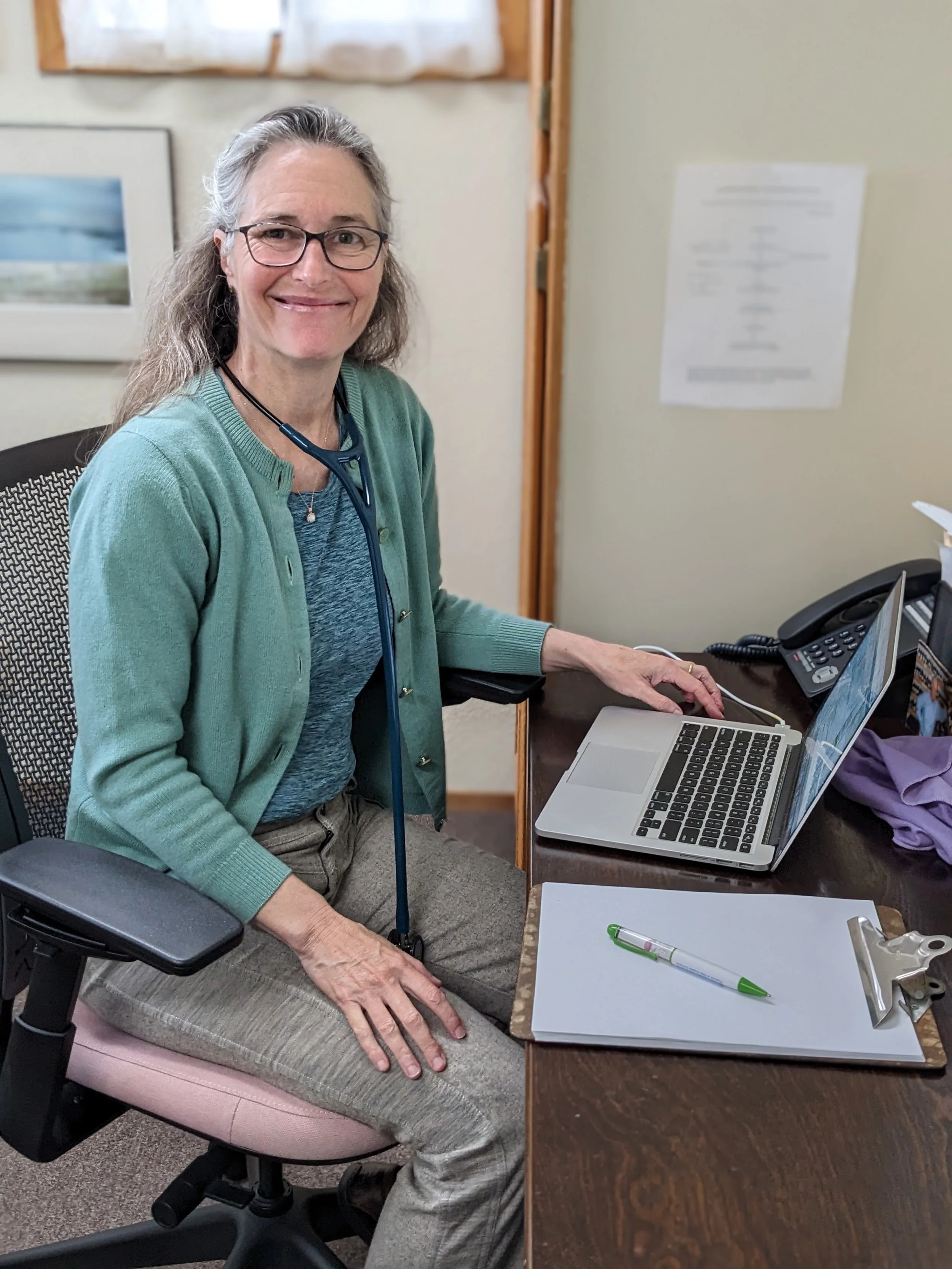
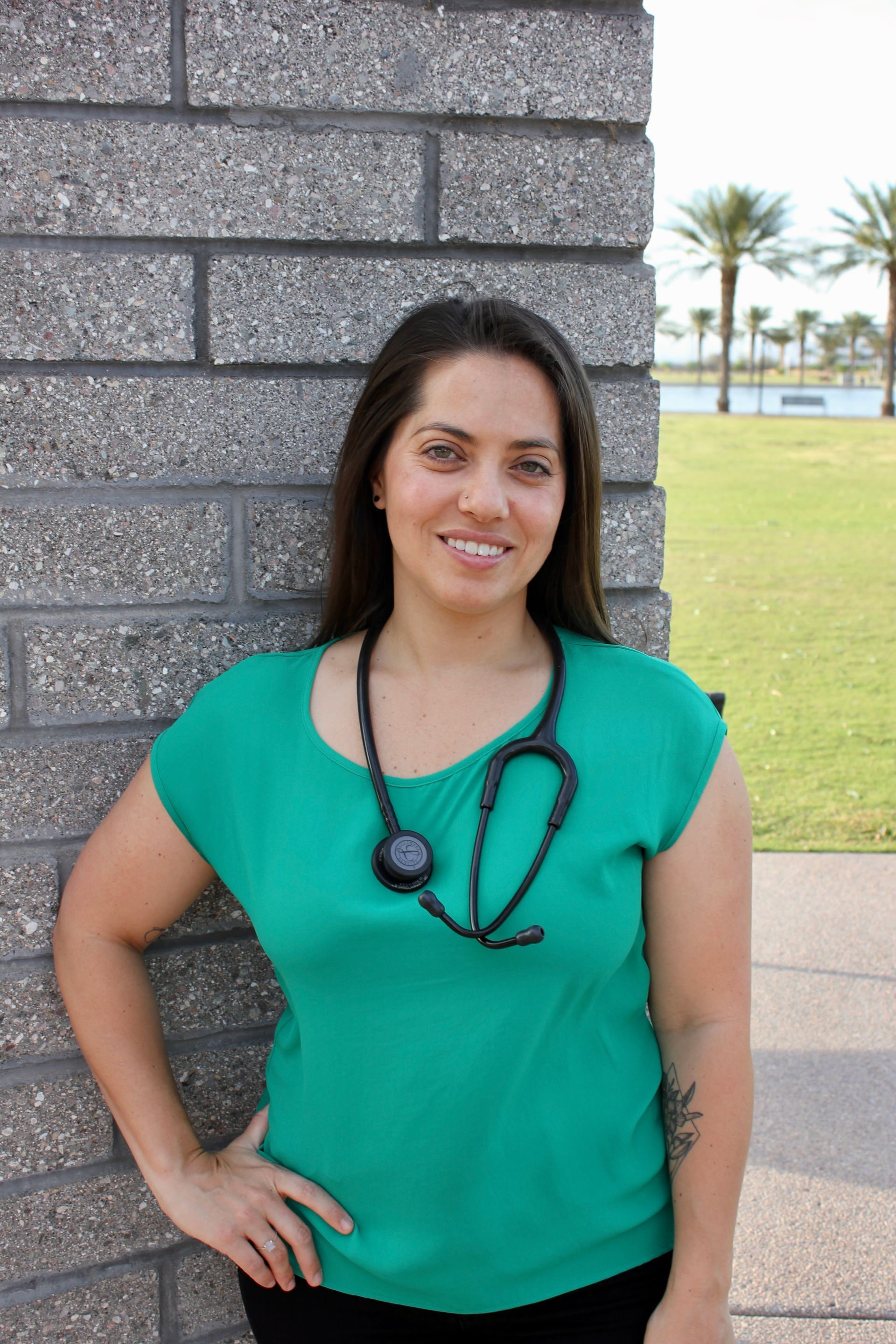
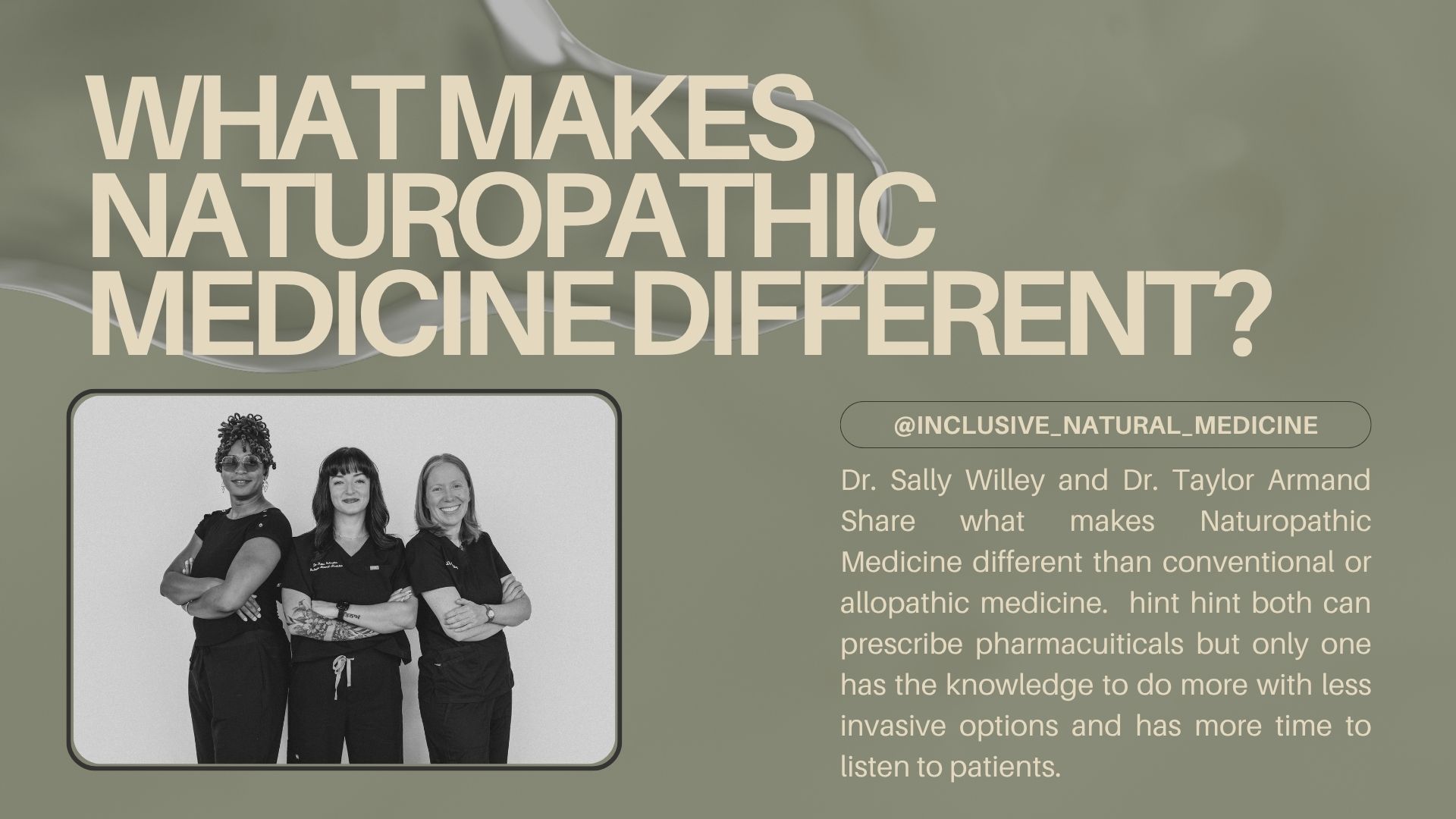
Naturopathic physicians are licensed, primary-care-trained healthcare providers who complete a four-year, graduate-level doctoral degree from an accredited naturopathic medical school. While their educational path differs significantly from the medical school training of MDs or DOs, in many jurisdictions, they are recognized as "real doctors" legally and clinically, holding the authority to diagnose, treat, and prescribe medication within their defined scope of practice.
The question of whether naturopathic physicians (NPs or NDs) qualify as "real doctors" often stems from confusion regarding the varying levels of training in the field of natural medicine. It is essential to distinguish between a licensed Naturopathic Doctor (ND or NMD) and a traditional naturopath. A licensed naturopathic physician has attended a four-year, post-graduate medical school, whereas traditional naturopaths may have completed certificate programs of varying lengths and quality that do not qualify them for medical licensure.
Educational Prerequisites and Training Pathways
The path to becoming a licensed naturopathic physician is structured and rigorous. To enter an accredited naturopathic medical school, candidates must first obtain a bachelor’s degree, typically with pre-medical requirements including biology, chemistry, organic chemistry, physics, and psychology. These prerequisites mirror those required for entry into allopathic (MD) or osteopathic (DO) medical programs.
Once accepted into an accredited program, students undergo four years of specialized medical training. The curriculum covers the same biomedical sciences as conventional medical schools, including anatomy, physiology, biochemistry, pathology, and pharmacology. In addition to these foundational sciences, students receive extensive training in diagnostic techniques, laboratory analysis, and clinical assessment.
The differentiating factor in their education is the therapeutic focus. While conventional medical students focus primarily on pharmaceuticals and surgical interventions, naturopathic students are trained in clinical nutrition, botanical medicine, physical medicine, counseling, and lifestyle modifications. This education prepares them to function as primary care providers who view illness through an integrative, systems-based lens.
Clinical Licensure and Scope of Practice
In the United States and Canada, the term "doctor" is legally regulated by state and provincial boards. In jurisdictions where naturopathic physicians are licensed, they are recognized as primary care physicians. This licensure is not granted easily; it requires passing the Naturopathic Physicians Licensing Examinations (NPLEX), a series of standardized board exams overseen by the North American Board of Naturopathic Examiners.
A licensed naturopathic physician’s scope of practice is determined by the laws of the state or province in which they operate. For example, in many states, licensed NDs are authorized to perform physical exams, order and interpret diagnostic imaging and blood work, and prescribe a wide range of pharmaceutical drugs. They may also be authorized to perform minor surgery and provide intravenous therapies.
However, it is critical to recognize the geographical disparity in regulation. In states without licensure for naturopathic physicians, the designation "naturopath" or "naturopathic doctor" may be used by individuals with minimal formal training. Patients should always verify the specific status of their provider through the state medical board or professional registry.
Comparing Medical Training Models
To better understand how these roles function in the healthcare landscape, it is helpful to compare the professional designations commonly encountered.
| Feature | Naturopathic Physician (ND/NMD) | Medical Doctor (MD) | Doctor of Osteopathy (DO) |
|---|---|---|---|
| Education | 4-Year Grad School | 4-Year Med School | 4-Year Med School |
| Board Certification | NPLEX | USMLE | COMLEX |
| Primary Focus | Integrative/Lifestyle | Conventional/Allopathic | Conventional/Osteopathic |
| Prescribing Rights | Varies by Jurisdiction | Full Authority | Full Authority |
| Residency | Optional/Limited Programs | Mandatory | Mandatory |
While MDs and DOs are required to complete residency programs to practice, naturopathic residencies are not currently a universal requirement for licensure in most jurisdictions, though they are strongly encouraged by the industry and increasingly common. This difference in post-graduate clinical training is a major talking point in discussions regarding the equivalence of these professions within hospital-based systems.
Understanding the Role of Clinical Evidence
Naturopathic medicine integrates traditional practices with modern scientific evidence. One of the primary criticisms levied against the profession is the use of treatments that have not been subjected to the same large-scale, double-blind randomized controlled trials that define pharmaceutical development.
However, modern naturopathic medical schools are increasingly focused on evidence-based practice. Licensed naturopathic physicians are trained to synthesize clinical data—such as patient history, physical examination, and laboratory findings—to create a treatment plan. They are taught to refer patients to specialists or other types of doctors when a condition exceeds their scope or when advanced intervention (such as surgery or intensive acute care) is necessary. This collaborative approach is intended to ensure that the patient receives the most appropriate level of care, whether that involves natural interventions or conventional pharmaceuticals.
Verification: How to Ensure Your Doctor is Licensed
Because of the variance in naming conventions and legal definitions, patients must exercise due diligence when selecting a provider. If you are seeking a licensed naturopathic physician, follow these steps:
- Check Accreditation: Confirm the physician graduated from an accredited institution recognized by the Council on Naturopathic Medical Education (CNME).
- Verify Licensure: Search the website of your state’s medical board or the American Association of Naturopathic Physicians (AANP). Licensed physicians will have a registration number.
- Assess Scope: Ask the provider directly about their scope of practice in your state. Inquire whether they are legally authorized to prescribe medication and if they work in coordination with other healthcare specialists.
- Identify the Source: If a provider uses the title "ND" but cannot provide a license number or proof of graduation from a CNME-accredited school, they may be a traditional naturopath, which is a different classification of practitioner.
Common Misconceptions
A persistent myth is that naturopathic physicians are inherently anti-medicine or anti-science. In reality, most licensed NDs operate in a model of "integrative medicine." They frequently work alongside MDs and DOs to manage chronic conditions like diabetes, cardiovascular health, and autoimmune disorders. The goal is rarely to avoid conventional medicine entirely, but rather to minimize the use of medication where lifestyle and nutritional changes can achieve the same therapeutic outcome, or to act as a supportive therapy during conventional medical treatments like chemotherapy.
Frequently Asked Questions
Are naturopathic physicians allowed to work in hospitals? In most jurisdictions, licensed naturopathic physicians do not have admitting privileges in major hospitals. While some integrated health centers employ NDs, they generally operate in private clinics. You should not expect a naturopathic physician to manage acute hospital care.
What is the difference between an ND and a traditional naturopath? A licensed ND is a medical professional trained at an accredited graduate-level institution, capable of diagnosis and prescription. A traditional naturopath may lack formal medical training, and their practice is often categorized under "health coaching" or "natural wellness" rather than medicine.
Can I use my health insurance for naturopathic care? This depends heavily on your location and your insurance policy. Some states mandate that insurance companies cover services provided by licensed NDs, while in other states, it is entirely out-of-pocket. Always call your insurance provider to verify coverage before booking an appointment.
Are naturopathic physicians anti-vaccination? Professional organizations representing licensed naturopathic physicians generally support the use of vaccines as a public health measure. While individual practitioners may have personal views, the official stance of accredited bodies aligns with standard clinical recommendations regarding the efficacy and necessity of immunization programs.
Can a naturopathic physician treat complex diseases? Licensed NDs are trained to recognize complex disease states. While they can provide supportive care and manage symptoms for many chronic conditions, ethical practice dictates that they refer patients to specialists or hospital systems when the condition requires interventions outside their expertise or legal scope.
Making an Informed Choice
If you are looking for a provider who emphasizes nutrition, lifestyle adjustments, and preventive health, a licensed naturopathic physician may be a valuable part of your medical team. By verifying their credentials, checking their licensure status in your specific state, and ensuring they operate within an evidence-based framework, you can bridge the gap between alternative approaches and conventional care. Always prioritize providers who are transparent about their limitations and willing to collaborate with your other healthcare providers to ensure a safe, unified health plan.