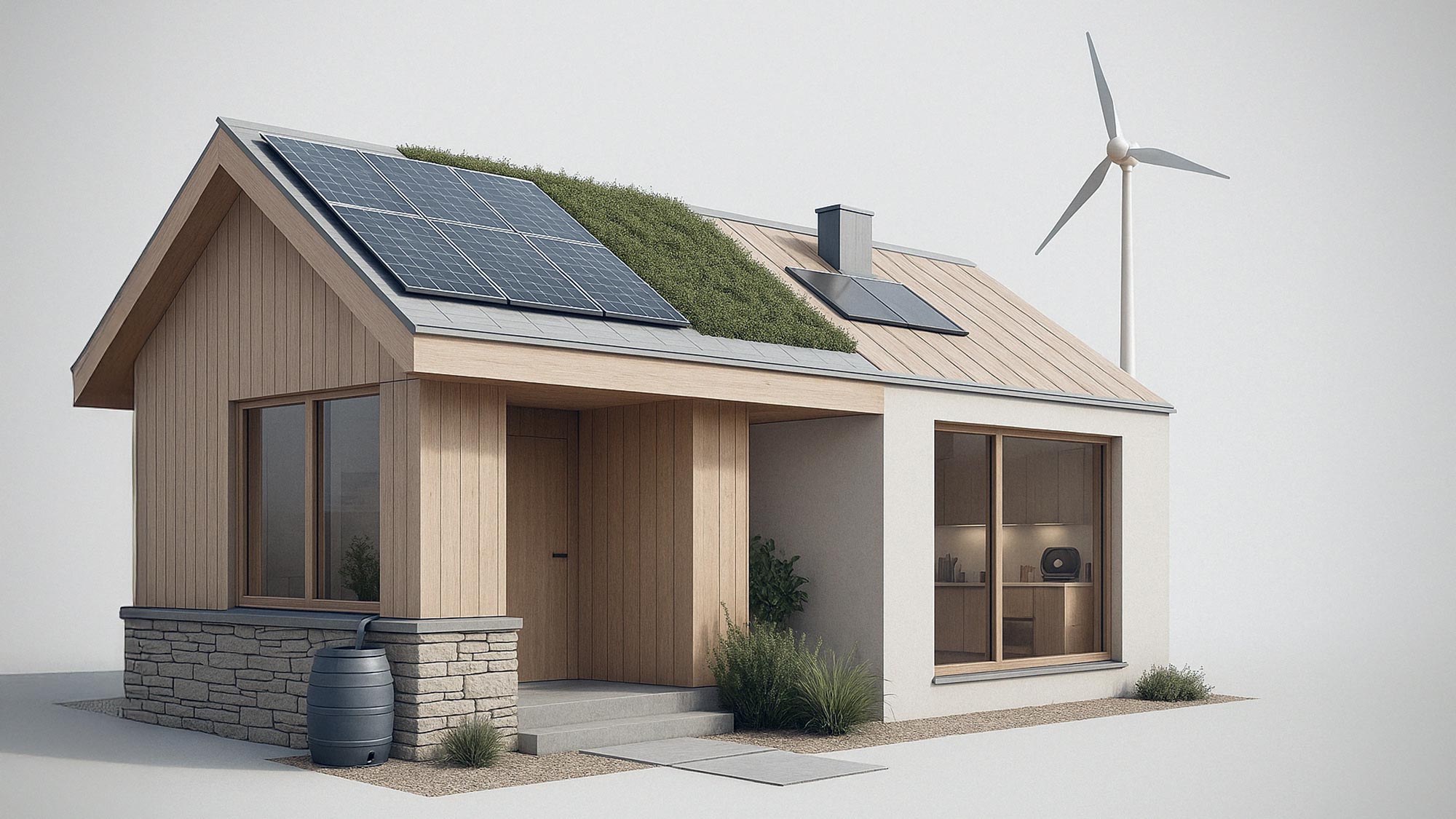
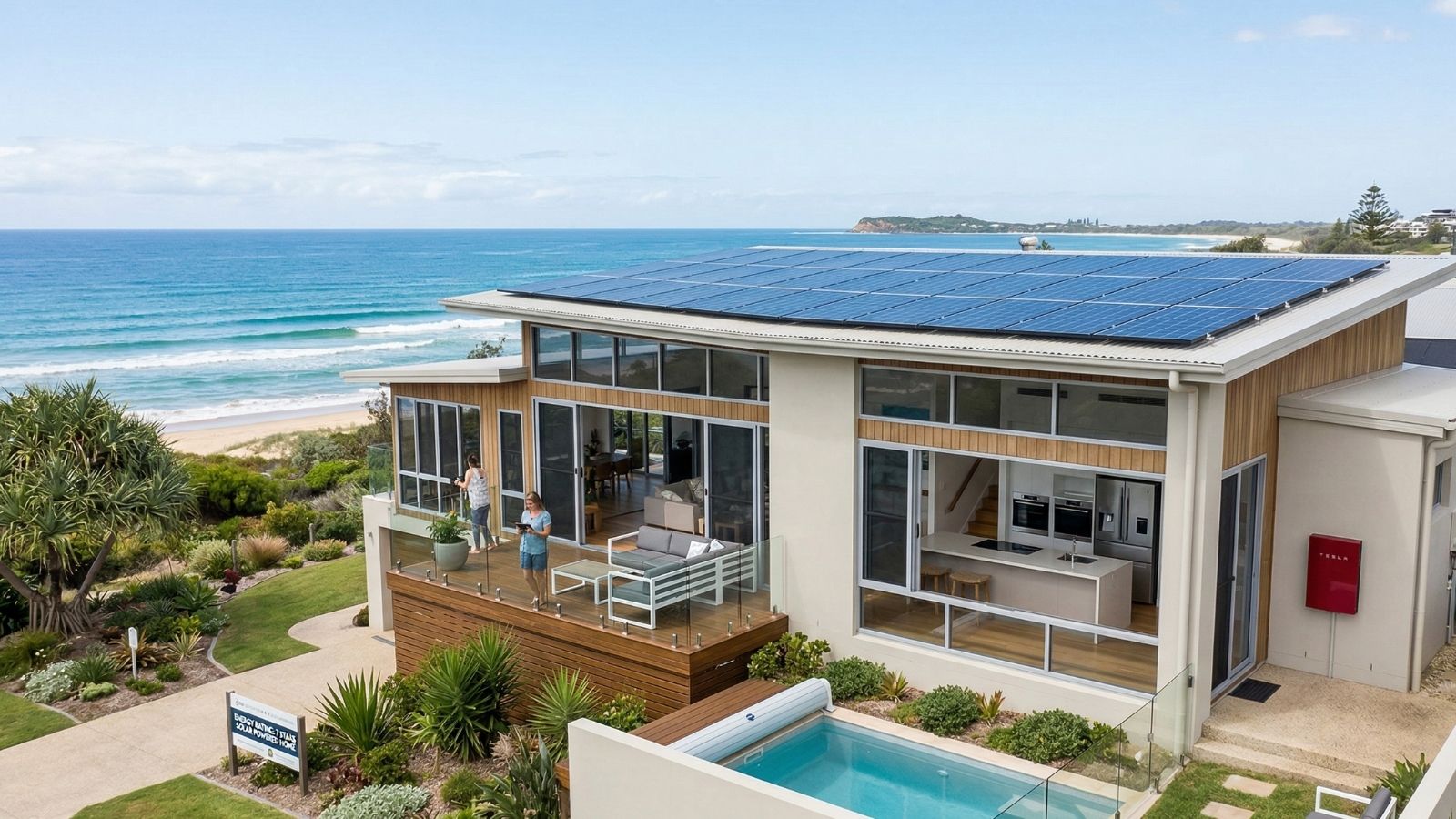
Investing in energy efficiency in California is generally a sound financial and practical decision, primarily due to the state’s high electricity rates, stringent building codes, and significant climatic variation. For most homeowners, the long-term reduction in utility expenditures, coupled with potential increases in property valuation and participation in state-sponsored incentive programs, creates a positive return on investment.
California’s unique position as a leader in energy policy creates a landscape where the definition of an "energy-efficient home" is increasingly tied to compliance with the California Code of Regulations, Title 24. Whether you are retrofitting an existing property or building new, the "worth" of these measures is dictated by a balance between upfront capital expenditure and the cumulative lifecycle savings on heating, cooling, and water consumption.
The Economic Drivers: Why California is Different
The financial calculus for energy efficiency is highly localized. In California, the primary driver is not merely environmental stewardship, but the high cost of energy. As of 2026, California residents contend with some of the highest electricity rates in the United States. This high baseline cost means that every kilowatt-hour saved through better insulation, high-efficiency HVAC systems, or LED lighting provides a higher dollar-denominated return than it would in states with cheaper, coal-heavy energy grids.
The Role of Title 24 Building Standards
California’s Building Energy Efficiency Standards (Title 24) are among the most rigorous in the nation. If you are undertaking a major renovation or new construction, efficiency is not just a choice; it is a legal requirement. When efficiency measures are mandated by code, the "worth" calculation shifts. It is no longer a question of whether to invest, but rather how to select the most cost-effective technologies to meet the legal threshold.
Key Areas for Energy Investment
To determine if efficiency is worth it for your specific situation, you must categorize potential investments by their payback period. Not all retrofits offer the same level of return.
1. Building Envelope: The First Line of Defense
The "envelope" refers to the shell of your home: walls, roof, windows, and insulation.
- Attic Insulation: This is consistently cited as the most cost-effective upgrade. Proper R-value insulation prevents thermal bridging, reducing the workload on your air conditioner during the intense California summer.
- Window Upgrades: Upgrading to dual-pane, low-emissivity (Low-E) windows reduces heat gain. In the Central Valley or Southern California, this can lead to a noticeable reduction in peak-load cooling costs.
2. HVAC and Water Heating
Replacing a legacy furnace or water heater with modern high-efficiency heat pump technology is a major step. Heat pumps are significantly more efficient than traditional electric resistance heating or gas combustion systems because they move heat rather than creating it. With the state's push toward electrification, many local municipalities offer rebates that significantly lower the net cost of these installations.
3. Solar Photovoltaic (PV) Systems
In California, solar remains a cornerstone of residential energy strategy. While the structure of "Net Energy Metering" (NEM) has evolved, solar panels remain effective for offsetting high-tier electricity usage. The "worth" of solar is now best calculated by pairing it with a home battery storage system, allowing homeowners to self-consume stored energy during peak evening hours when grid prices are highest.
Comparative Value Table: Estimating ROI
The following table provides a generalized outlook on energy-efficiency projects. Actual savings depend heavily on the age of the structure and the specific micro-climate of your region.
| Upgrade Category | Upfront Cost | Payback Period | Impact on Home Value |
|---|---|---|---|
| Attic Insulation | Low | 2–5 Years | Moderate |
| Smart Thermostat | Very Low | <1 Year | Low |
| Heat Pump HVAC | High | 7–12 Years | High |
| Dual-Pane Windows | Moderate/High | 10–15 Years | Moderate |
| Solar PV System | High | 5–9 Years | High |
The Impact on Property Resale Value
Beyond operational savings, energy efficiency is increasingly recognized as a value-add in the real estate market. In 2026, prospective homebuyers in California are increasingly sophisticated regarding utility bills. Homes that can demonstrate lower average monthly costs through documented energy audits or certified "green" ratings (such as LEED for Homes or HERS ratings) often command a premium or enjoy faster closing times.
However, it is important to distinguish between "efficiency" and "luxury." Adding gold-plated fixtures adds cost without value, but adding an energy-recovery ventilator or high-performance insulation is a measurable asset that a professional appraiser can account for when comparing your home to others in the neighborhood.
Potential Pitfalls and Considerations
While efficiency is generally worth the effort, there are scenarios where the ROI is diminished:
- The "Split Incentive" Problem: If you are a landlord, you may be hesitant to invest in upgrades if the tenant pays the utility bills. In these cases, look for equipment that offers long-term reliability and lower maintenance costs, which protects the asset even if the energy savings benefit the tenant directly.
- Over-Engineering: Installing top-tier commercial-grade systems in a small residential property may result in a payback period that exceeds the lifespan of the equipment. Always consult with a HERS (Home Energy Rating System) rater to model your specific usage before making large-scale equipment changes.
- Behavioral Limitations: Investing in a $15,000 HVAC system will not yield projected savings if the household keeps doors and windows open during extreme heat events. Efficiency is a partnership between technology and user habits.
How to Verify if Your Home is a Candidate
Before investing, you should establish a baseline. You cannot improve what you do not measure.
- Conduct a Home Energy Audit: Many local utility providers in California offer free or low-cost energy audits. A professional auditor will use infrared cameras and blower door tests to identify exactly where your home is losing energy.
- Review Your Utility History: Examine the last 24 months of your electricity and gas bills. Look for "peak" usage months. If your costs are driven by cooling, prioritize attic insulation and window treatments. If your costs are driven by water heating, prioritize a tankless or heat-pump water heater.
- Check Local Incentives: The Database of State Incentives for Renewables & Efficiency (DSIRE) is a reliable resource for identifying current local rebates, federal tax credits, and utility-specific programs available in 2026.
Frequently Asked Questions
Does a HERS rating increase my home's resale value? Yes, a HERS (Home Energy Rating System) score provides an objective, transparent metric of a home's efficiency. Buyers can use this to compare potential utility costs between properties, making highly-rated homes more attractive in a competitive market.
Are heat pumps effective in all California climates? Modern cold-climate heat pumps are highly effective throughout California. While they are designed to be efficient in extreme cold, they also excel in the mild to moderate temperatures common in most coastal and inland regions of the state.
Should I prioritize solar panels or home insulation first? Always prioritize building envelope improvements (insulation and sealing) first. A solar system should be sized to cover the energy needs of an efficient home. If you install solar on an inefficient home, you are effectively "oversizing" your solar system to compensate for energy waste that could have been eliminated more cheaply through better insulation.
Is it worth upgrading to a smart home energy system? For most homeowners, smart thermostats and monitoring systems are worth the investment because they provide granular data. Seeing exactly when and why your energy spikes occur allows you to change habits, which is often the lowest-cost "efficiency" measure available.
Do I need a permit for energy-efficiency upgrades? In California, most mechanical or electrical upgrades—such as installing a new heat pump, a solar PV system, or major envelope changes—require a permit to ensure compliance with Title 24 standards. Failing to pull a permit can complicate future home sales or insurance claims.
Final Recommendation
To determine if energy-efficient upgrades are worth it for you, start by commissioning a comprehensive energy audit to identify the specific sources of waste in your current property. Focus your capital on "envelope" improvements first, as these provide the highest long-term return and require the least amount of maintenance. As a final step, align your equipment upgrades with available state and federal incentives to lower your net expenditure. By following a data-driven path—measuring your current consumption, sealing the envelope, and then upgrading systems—you ensure that every dollar spent translates into a tangible reduction in your monthly overhead and an increase in your home’s market resilience.