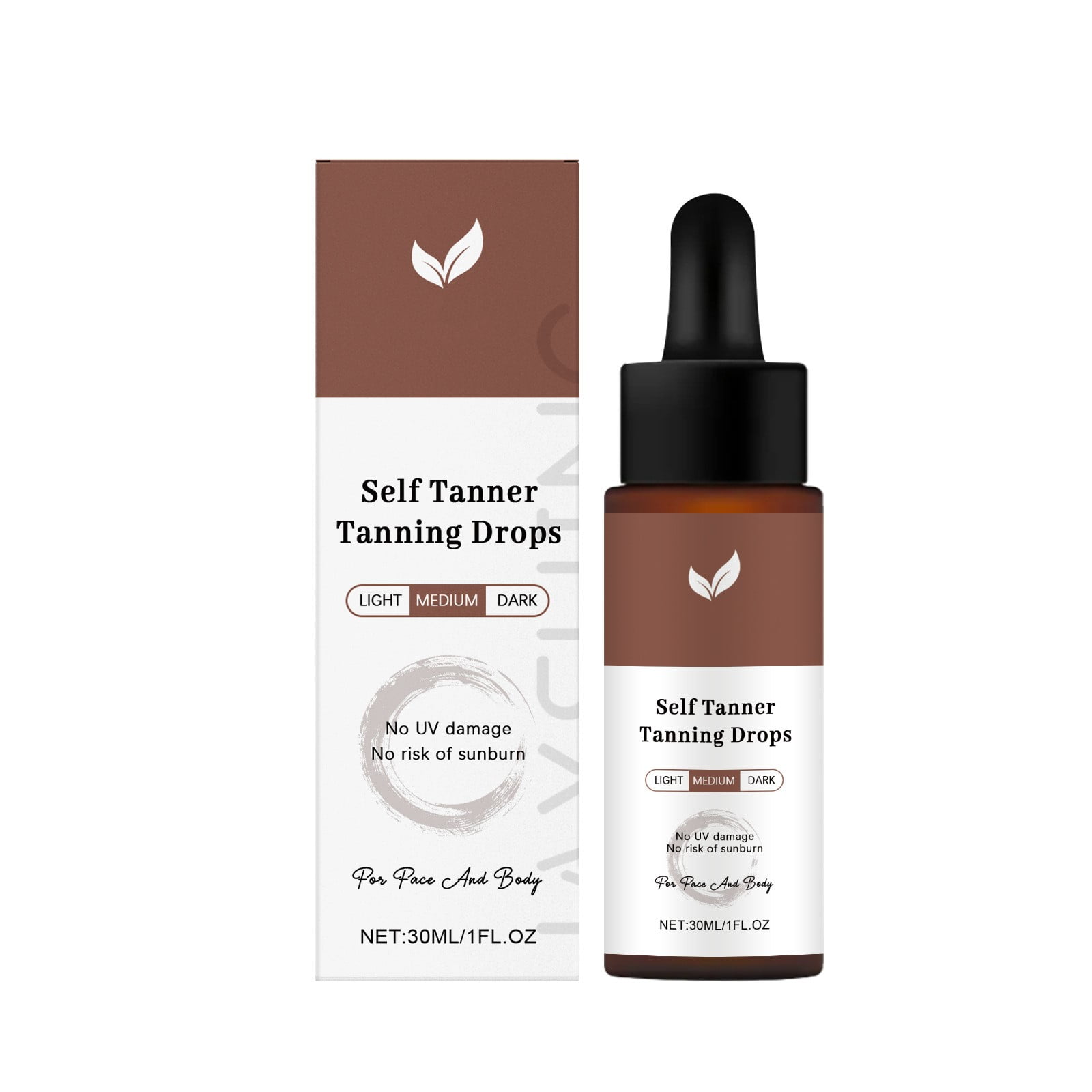
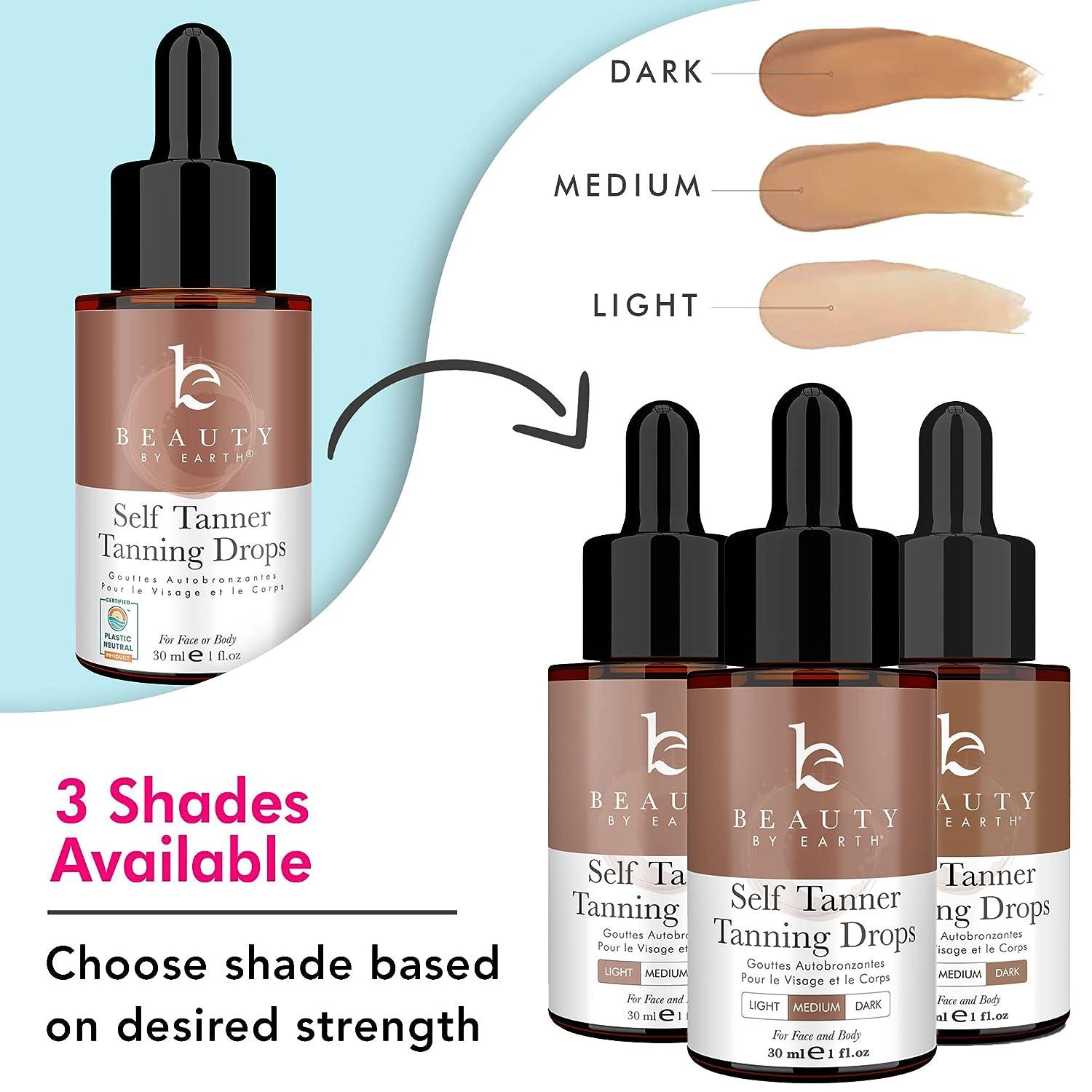
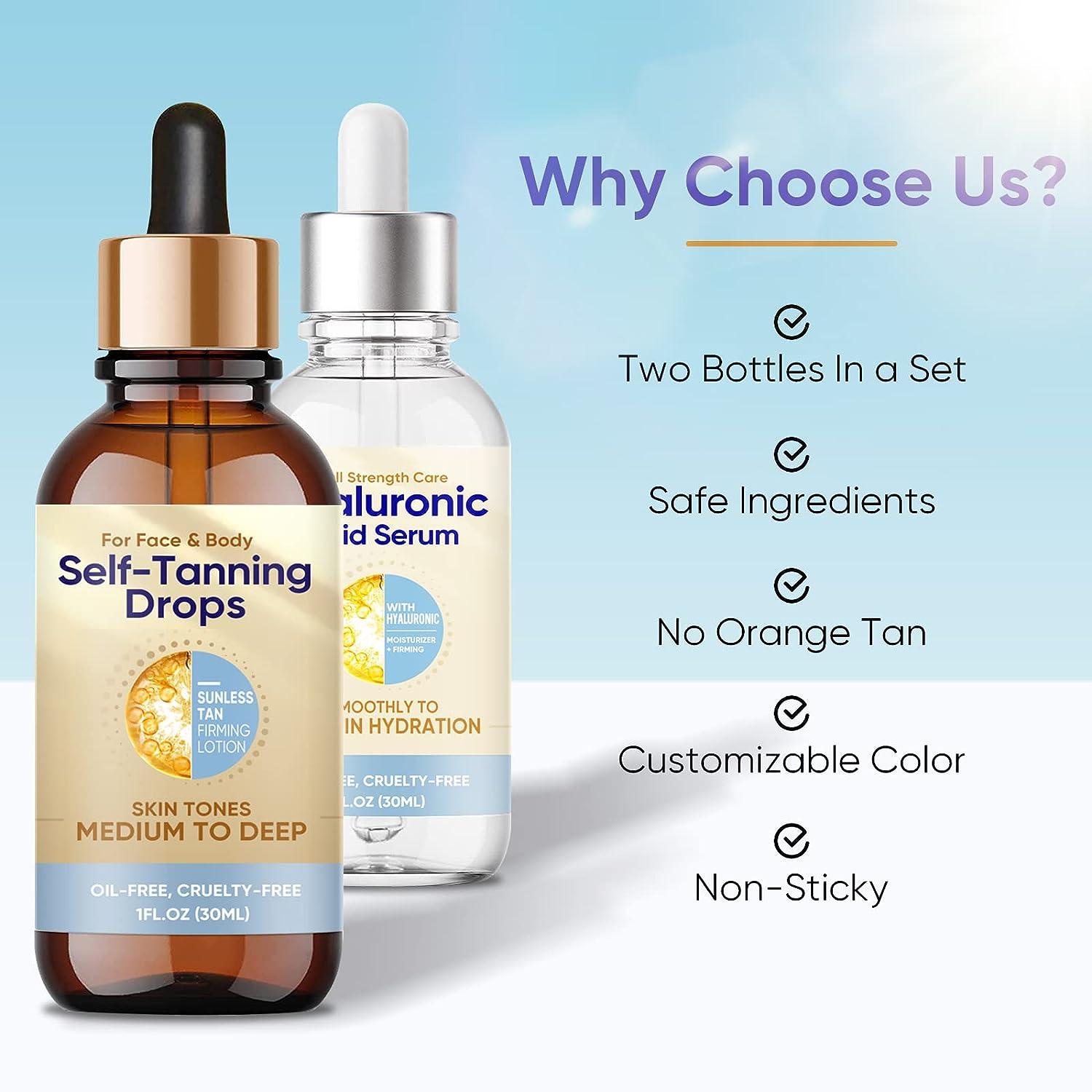
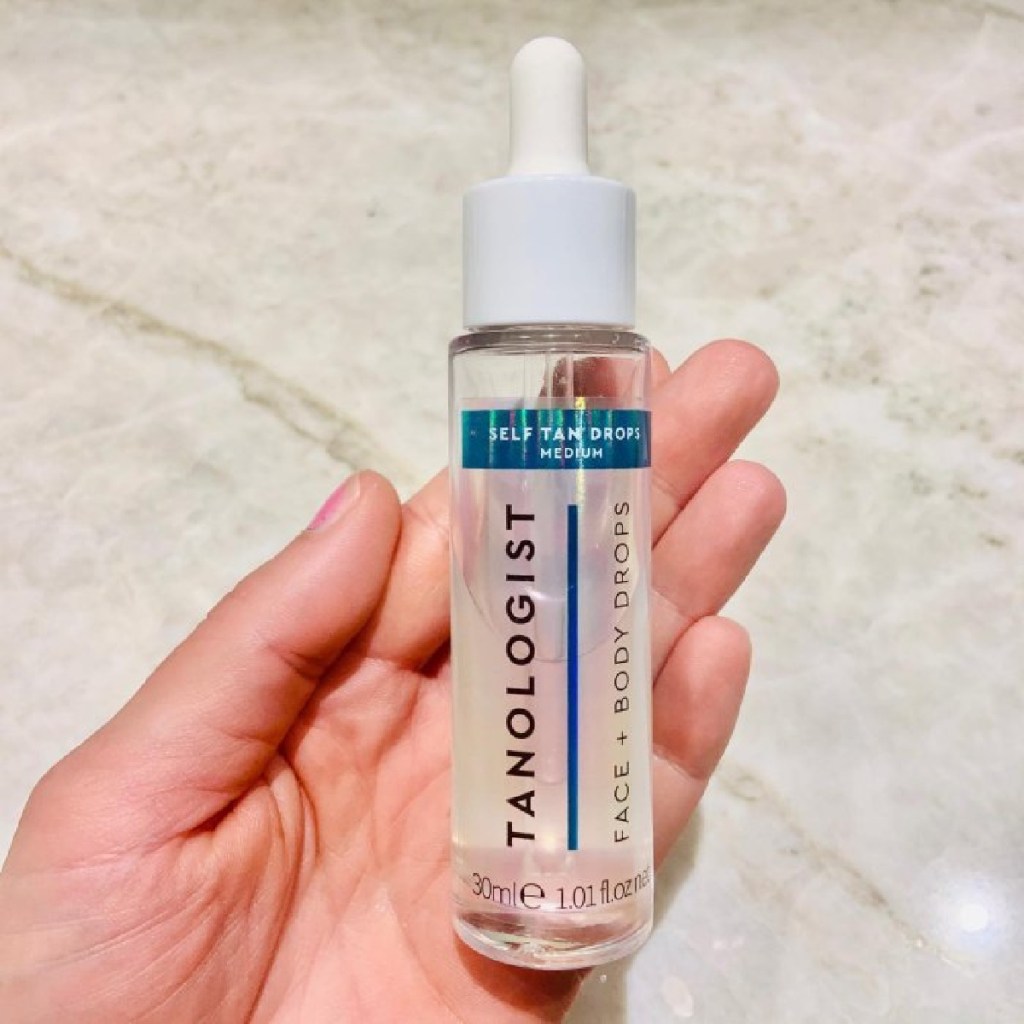
Face self-tanner drops are widely considered worth the hype because they offer a customizable, skincare-integrated approach to sunless tanning. By allowing users to control the intensity of their glow through a concentrated formula mixed into daily moisturizers, these drops minimize the risks of breakouts and unnatural orange tones often associated with traditional body tanners.
In 2026, the beauty landscape has shifted significantly toward "skin-first" formulations. The trend of using heavy, one-size-fits-all tanning mousses on the delicate skin of the face has largely been replaced by precision-based products. Face self-tanner drops have emerged as the primary solution for individuals who want a sun-kissed look without the DNA-damaging effects of UV radiation or the pore-clogging ingredients found in legacy tanning products.
Understanding the Mechanics of Face Self-Tanner Drops
To determine if these products are worth your investment, it is essential to understand what they are—and what they are not. Unlike traditional self-tanning lotions or sprays, which are pre-diluted and ready for direct application, tanning drops are high-potency concentrates. They are designed to be "boosters" for your existing skincare routine.
The primary active ingredient in nearly all self-tanners, including drops, is Dihydroxyacetone (DHA). DHA is a simple carbohydrate (sugar) that reacts with the dead skin cells in the stratum corneum (the outermost layer of the epidermis). This chemical reaction, known as the Maillard reaction, produces melanoidins—brown-colored polymers that simulate the appearance of a tan.
What makes drops unique in 2026 is their delivery system. By suspending DHA in a water-based or lightweight serum-like vehicle, manufacturers allow the user to dilute the concentration to their specific needs. This level of titration is the core reason the product has maintained its "hype" status for several years.
The Key Benefits: Why the Hype Persists
1. Unmatched Customization and Control
The most significant advantage of face self-tanner drops is the ability to modulate the shade. A standard application might suggest:
- 1–2 drops: For a subtle, "lit-from-within" radiance.
- 3–4 drops: For a medium, golden glow.
- 5+ drops: For a deeper, post-vacation tan.
This scale allows users with very fair skin to avoid the "shock" of an overnight dark tan, while those with deeper complexions can enhance their natural warmth without ashy undertones.
2. Integration with Existing Skincare
The face is more sensitive than the body and prone to conditions like acne, rosacea, and dryness. Traditional self-tanners often contain high concentrations of alcohol or fragrance, which can compromise the skin barrier. Face drops are formulated to be mixed into the moisturizers or serums your skin already trusts. This means you don't have to sacrifice your hydration or anti-aging routine to get a tan.
3. Non-Comedogenic Formulations
Body-focused self-tanners often contain thickeners and oils (such as isopropyl myristate) that are notorious for clogging pores. Face-specific drops are generally formulated to be non-comedogenic. In 2026, premium drops often include secondary beneficial ingredients like hyaluronic acid for hydration, vitamin C for antioxidant protection, and ceramides to support the skin barrier.
Comparing Face Drops to Other Tanning Methods
When deciding if drops are worth it, it helps to see how they stack up against the alternatives available in the 2026 market.
| Feature | Face Self-Tanner Drops | Tanning Mousses/Lotions | Professional Spray Tans |
|---|---|---|---|
| Control Level | Very High (by the drop) | Low (fixed formula) | Moderate (technician-led) |
| Skin Sensitivity | Optimized for facial skin | Often contains irritants | Varies by solution |
| Application Ease | Easy (integrated into routine) | Moderate (requires blending) | Professional effort |
| Risk of Streaking | Low (diluted by moisturizer) | High | Very Low |
| Cost per Use | Low to Moderate | Low | High |
| Typical Duration | 3–5 days | 5–7 days | 7–10 days |
The Science of "The Orange Look" and How Drops Solve It
A common fear with sunless tanning is turning orange. This typically happens for two reasons: an over-application of DHA or a formulation with a pH that is too high for the skin.
Face drops mitigate this by allowing for gradual building. Furthermore, many high-end drops in 2026 incorporate Erythrulose, a secondary keto-sugar. Erythrulose reacts more slowly than DHA and, when used in combination, produces a more "red-toned" brown rather than a "yellow-toned" brown, resulting in a more realistic skin tone that fades more evenly.
The Realities and Drawbacks: Is There a Catch?
While the benefits are numerous, the "worth it" calculation must include the potential downsides.
The Cost-to-Volume Ratio
A 30ml bottle of face tanner drops can range from $30 to $60. At first glance, this seems expensive compared to a 200ml bottle of body mousse. However, because you only use a few drops per application, a single bottle often lasts six months or longer, making the cost-per-application relatively low.
The Learning Curve
Mixing is an art. If you do not mix the drops thoroughly with your moisturizer in the palm of your hand before applying, you may end up with concentrated "hot spots" of color. Additionally, failure to wash your hands immediately after application can lead to stained palms—a classic self-tanning mistake that drops do not automatically prevent.
Ingredient Conflicts
In 2026, many consumers use active ingredients like Retinol (Vitamin A) or Alpha Hydroxy Acids (AHAs) like glycolic acid. These ingredients increase cell turnover. Because DHA only sits on the top layer of dead skin cells, using these actives will cause your "drop-tan" to fade significantly faster, sometimes within 24–48 hours. This requires a strategic schedule: tanning on nights when you aren't using heavy exfoliants.
Step-by-Step: How to Maximize the Value of Your Drops
To ensure the product is "worth it," you must apply it correctly. A botched application is a waste of product and time.
- Exfoliation (The Foundation): Use a gentle chemical or physical exfoliant 24 hours before your first application. This ensures a smooth "canvas" of skin cells, preventing the DHA from clinging to dry patches.
- Cleanse and Dry: Apply to clean, dry skin. Any residual oils or heavy balms can act as a barrier, preventing the drops from reacting with the skin.
- The Mix: Dispense your usual amount of night cream into your palm. Add the desired number of drops. Use your index finger to swirl the mixture until it is completely homogenous.
- Application: Apply the mixture evenly across the face, extending into the hairline and down the neck to avoid a "mask" effect. Use what is left on your hands to lightly blend over the ears.
- The Cleanup: Wash your hands thoroughly with soap and water immediately. Pay special attention to the areas between fingers and around the cuticles.
- Development: Allow 6–8 hours for the color to develop. Do not apply other skincare products or sweat excessively during this window.
Safety and Jurisdictional Considerations
The use of DHA in cosmetics is widely regulated. The U.S. Food and Drug Administration (FDA) and the European Commission's Scientific Committee on Consumer Safety (SCCS) have historically deemed DHA safe for topical application. However, caution should be taken to avoid getting the product in the eyes or inhaling it (though inhalation is less of a risk with drops than with sprays).
Note: This article is for informational purposes and does not constitute medical advice. If you have a history of severe skin allergies or conditions like vitiligo, consult a dermatologist before introducing DHA-based products into your routine.
Identifying Quality: What to Look for in 2026
Not all drops are created equal. When shopping, look for these indicators of a high-quality product:
- Transparent DHA Percentage: While not always listed, brands that discuss their DHA levels usually offer more predictable results.
- Complementary Sugars: Look for "Erythrulose" on the ingredient list to ensure a more natural fade.
- Antioxidant Load: Since DHA can occasionally cause oxidative stress on the skin surface, drops containing Vitamin E or Green Tea extract are preferable.
- Fragrance-Free Options: For those with sensitive skin, avoiding synthetic perfumes is critical to prevent contact dermatitis.
Troubleshooting Common Issues
Problem: The tan looks patchy around the nose or eyebrows.
- Solution: These areas tend to be drier or more oily. Ensure you are exfoliating properly. You can also apply a tiny amount of plain moisturizer to these areas before the tanning mix to act as a slight buffer.
Problem: The color is too orange.
- Solution: You are likely using too many drops for your natural skin tone. Reduce the count by half in your next application. Ensure you aren't using a moisturizer that is too acidic, as low pH can sometimes shift the DHA reaction toward orange.
Problem: The tan disappears after one day.
- Solution: Check your other skincare products. If you are using a daily exfoliating wash or a high-strength Retinoid, the tan will not last. Switch to a gentle, hydrating cleanser to preserve the color.
Frequently Asked Questions
Can I mix face tanner drops with my SPF?
It is generally recommended not to mix tanning drops directly with sunscreen. Sunscreen is a regulated drug product (in the US) formulated to form a very specific protective film on the skin. Adding drops can break down that film, compromising your UV protection. Instead, apply your tanning drops in your nighttime moisturizer and apply SPF as usual the following morning.
Will face tanner drops cause breakouts?
Most face tanner drops are designed to be non-comedogenic, but everyone's skin is different. If you are acne-prone, look for oil-free formulas and avoid drops that contain high amounts of coconut oil or cocoa butter. The DHA itself does not cause acne, but the "carrier" ingredients in the serum might.
How often should I apply the drops to maintain the glow?
In 2026, most users find that applying the drops every 2 to 4 days is sufficient. Because the skin on your face exfoliates naturally faster than the skin on your body (due to washing and movement), the tan will fade more quickly than a body tan.
Do I need to use a different product for my body?
While you can use face drops on your body, it is not cost-effective. Body tanners are sold in larger volumes because the surface area is much greater. However, using body tanner on your face is often a mistake due to the heavier, potentially pore-clogging ingredients mentioned earlier.
Can I use face tanner drops if I have dark skin?
Yes. On deeper skin tones, tanning drops act as a "complexion corrector." They can help even out skin tone, mask mild hyperpigmentation, and add a warm, healthy radiance to the skin without changing the actual depth of the skin tone significantly.
Final Recommendation: Are They Worth It?
For the majority of consumers in 2026, face self-tanner drops are absolutely worth the hype. They solve the two biggest problems of sunless tanning: the lack of control and the risk of skin irritation. While they require a bit of practice to master the mixing process, the result is a far more natural, sophisticated glow than what can be achieved with traditional lotions.
If you value a skincare routine that is tailored to your specific needs, the ability to "dial-in" your tan while maintaining your use of high-quality moisturizers makes these drops a superior choice. To get started, choose a reputable brand that prioritizes clean ingredients and start with a conservative "two-drop" dose to test your skin's reaction.