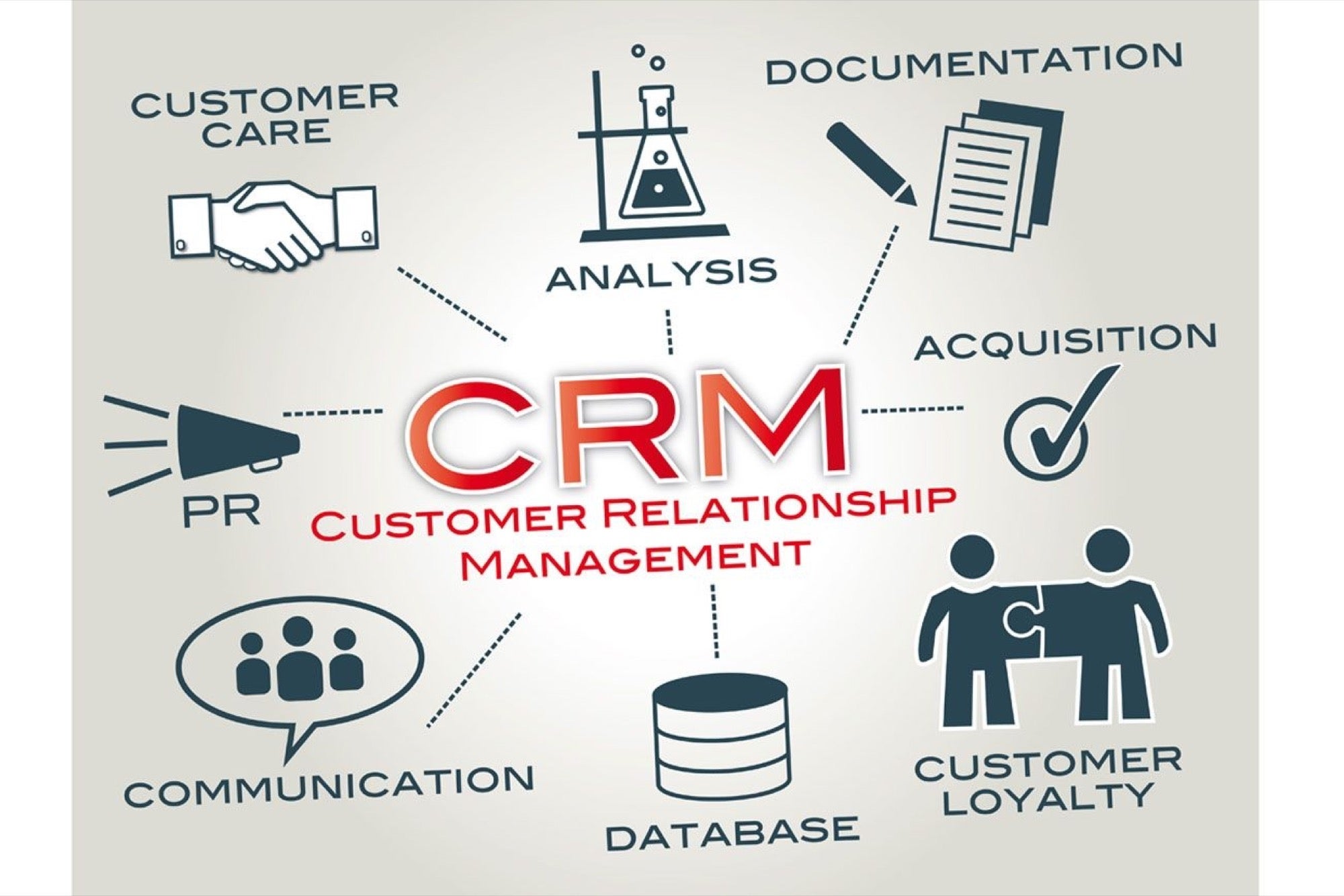
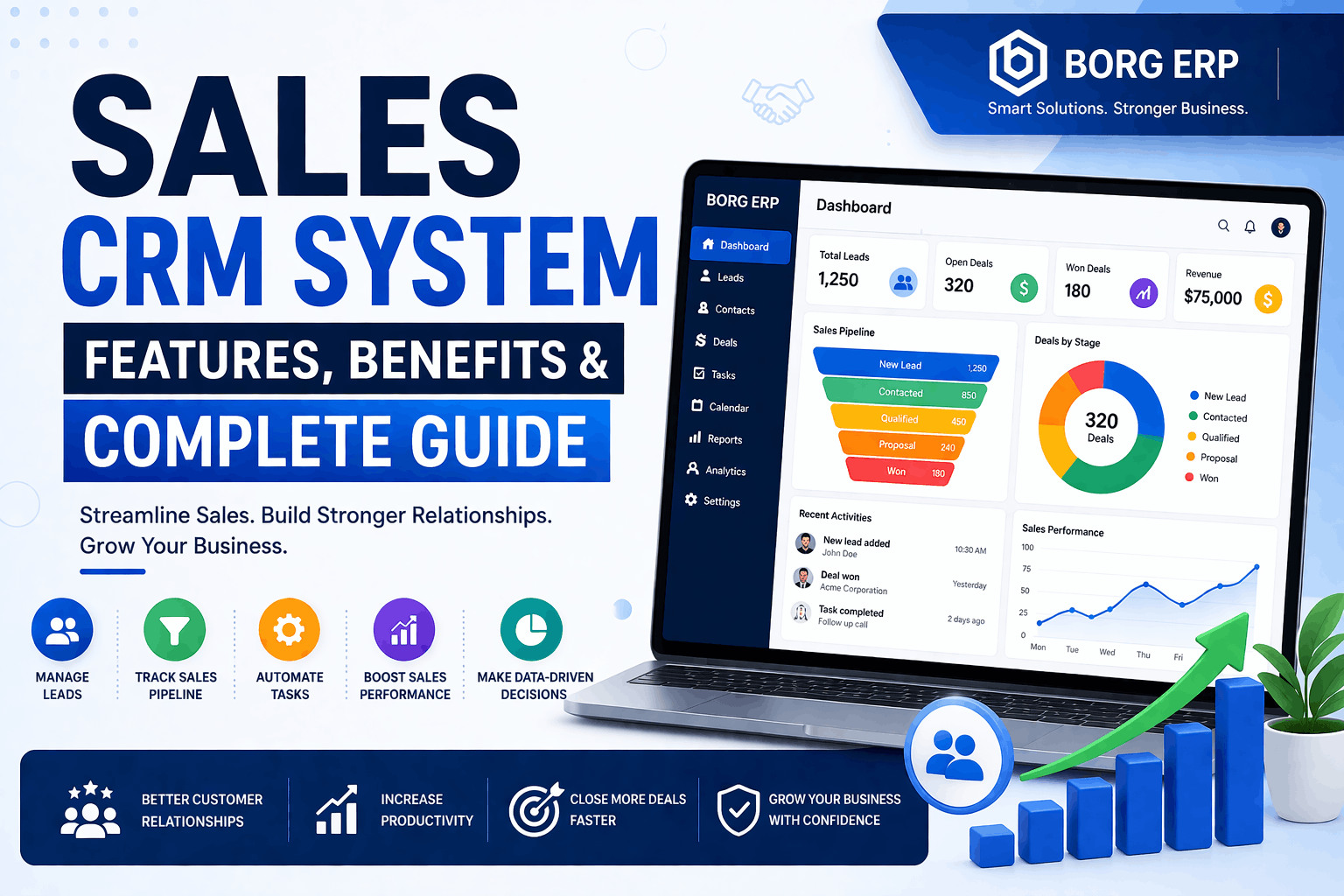
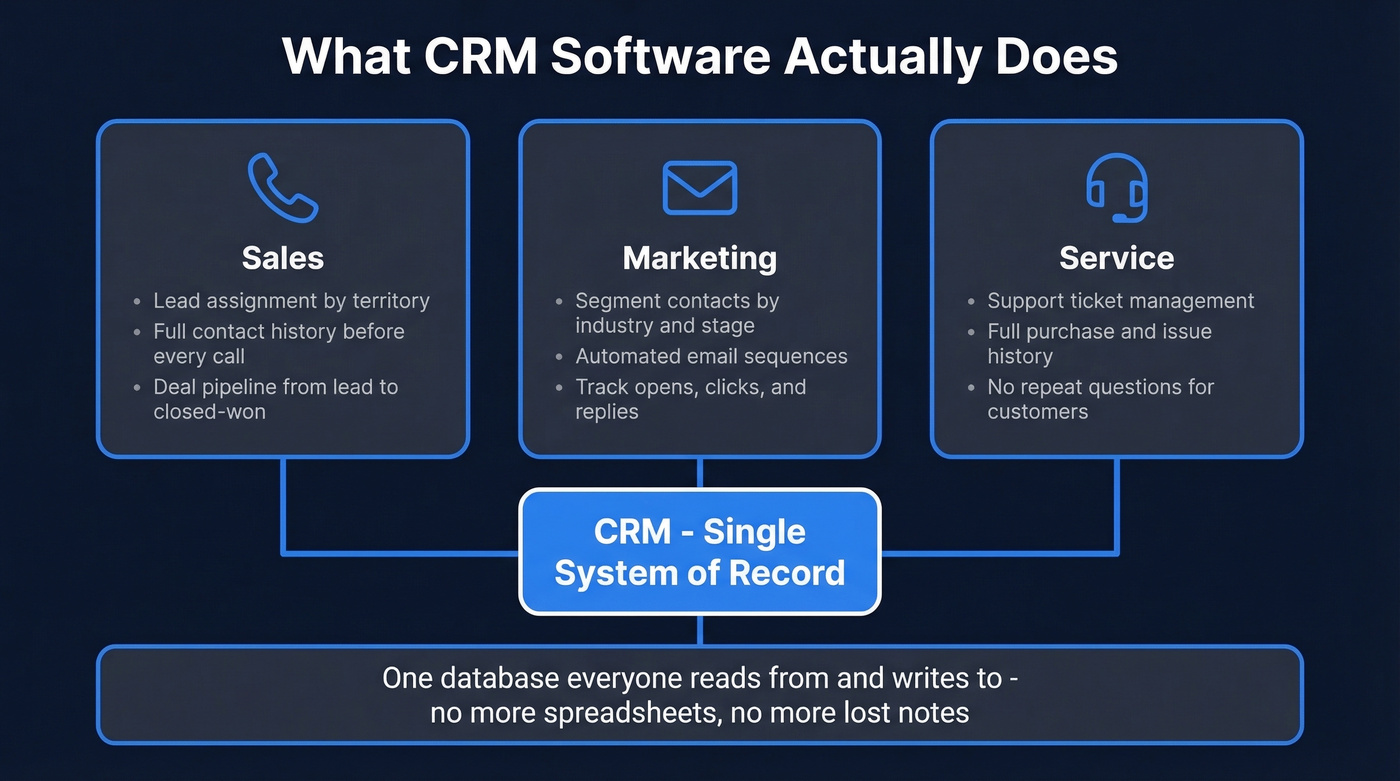
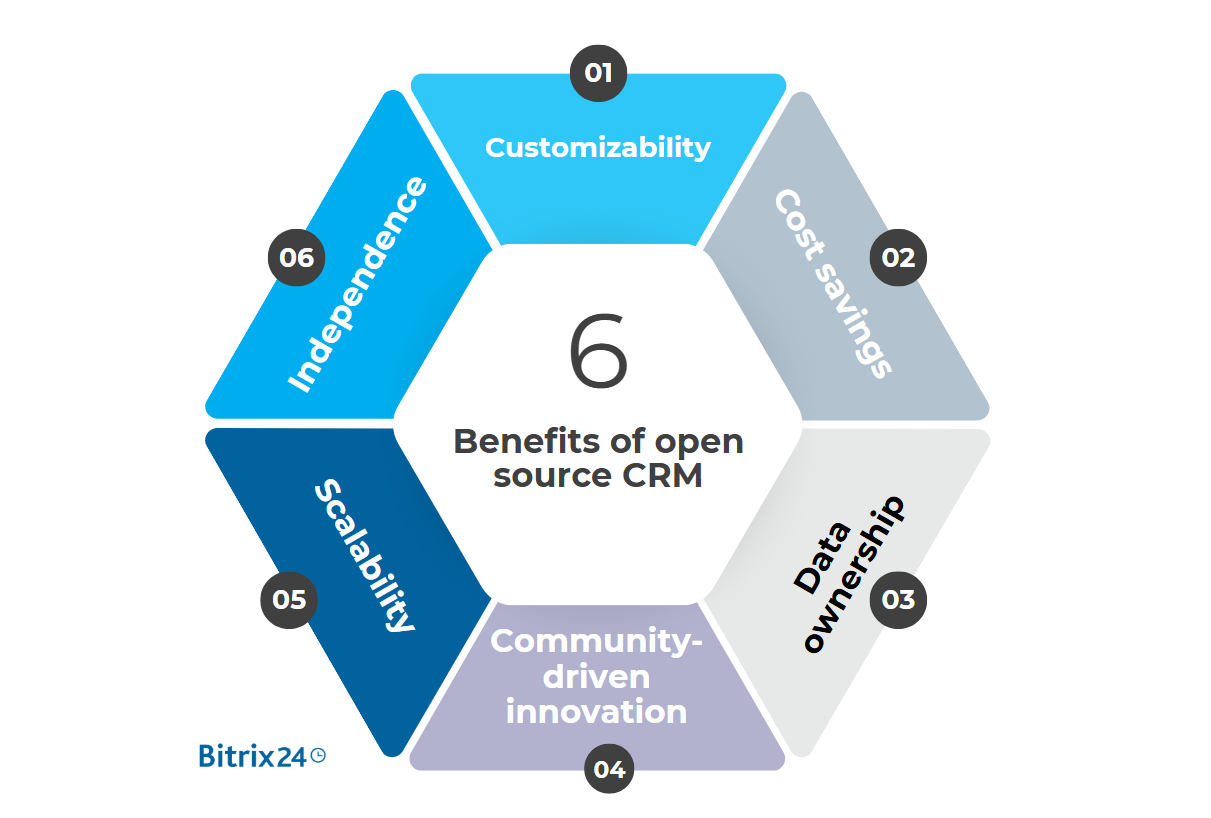
A Customer Relationship Management (CRM) system is a centralized digital ecosystem designed to manage an organization's interactions with current and potential customers. By integrating data, automation, and artificial intelligence, I serve as a single source of truth that streamlines sales, marketing, and customer service to drive long-term business growth and retention.
Defining My Essence: Beyond the Acronym
To understand me, you must look past the three letters: C, R, and M. While I am titled "Customer Relationship Management," I am functionally the institutional memory of your organization. In this year of 2026, I have evolved from a simple digital Rolodex into a proactive, intelligent engine that doesn't just store names and phone numbers but interprets the very fabric of human interaction within a commercial context.
My primary existence is rooted in the consolidation of data. Before I am implemented, a business often suffers from "data silos"—isolated islands of information where the marketing department doesn't know what the sales team is promising, and the support team is unaware of a customer’s recent purchase. I dissolve these barriers. By acting as a unified platform, I ensure that every touchpoint—be it an email, a social media interaction, a phone call, or a support ticket—is recorded and accessible to those who need it.
In 2026, my role has expanded to include the management of the "Extended Customer Experience" (ECX). This means I track not just direct interactions, but also behavioral signals from IoT devices, sentiment from public forums, and predictive intent based on browsing patterns. I am the bridge between raw data and actionable strategy, providing the context necessary for businesses to treat customers as individuals rather than entries in a spreadsheet.
The Architecture of Memory: How I Store and Process Data
My internal structure is built upon a sophisticated relational database, but in the modern era, this is enhanced by NoSQL capabilities and high-speed data lakes. When you input a piece of information, I don't just "save" it; I categorize it, link it to existing entities, and index it for near-instantaneous retrieval.
The Data Hierarchy
At my core, I organize information into several key entities:
- Leads: These are the seeds of your business. They represent individuals or organizations that have shown interest but have not yet been qualified as viable opportunities.
- Contacts: Once a lead is verified, they become a contact. This is the human element—the specific person with whom your team interacts.
- Accounts: These represent the organizations or companies. A single account can house dozens of contacts, allowing for complex B2B (Business-to-Business) mapping.
- Opportunities/Deals: This is where the financial potential lives. I track the progress of a potential sale through various stages, from initial discovery to the final "Closed-Won" status.
- Cases/Tickets: For my service-oriented modules, these represent customer issues or inquiries that require resolution.
Security and Cloud Infrastructure
Because I hold your most valuable asset—your customer data—my architecture is hardened. In 2026, most versions of me reside in the cloud, utilizing multi-tenant environments that offer both scalability and rigorous security. I employ end-to-end encryption, multi-factor authentication (MFA), and role-based access control (RBAC). This ensures that a junior sales representative cannot see the high-level financial forecasts intended for the CFO, and that your data remains compliant with global regulations such as the GDPR and the CCPA.
The Intelligence Layer: My Brain in 2026
If data is my body, then Artificial Intelligence is my mind. By 2026, AI is no longer an "add-on" feature; it is woven into my very foundation. I utilize machine learning (ML) algorithms to perform tasks that previously required hours of manual analysis.
Predictive Lead Scoring is one of my most powerful functions. By analyzing historical data of successful conversions, I can look at your current pool of leads and assign a numerical value to each, indicating their likelihood to close. This allows your sales team to stop chasing "cold" leads and focus their energy where the probability of success is highest.
Furthermore, I now feature Generative AI Integration. I can draft personalized follow-up emails, summarize long meeting transcripts, and even suggest the "Next Best Action" for a sales rep. For example, if a customer has viewed a specific pricing page three times in the last hour, I can automatically trigger an alert or draft a customized discount offer for approval.
I also provide Sentiment Analysis. By "reading" the tone of incoming emails or "listening" to recorded calls through natural language processing (NLP), I can flag accounts that are at risk of churning. If a long-term client starts using frustrated language in support tickets, I alert the Account Manager before the client even considers leaving.
The Journey I Facilitate: From Prospect to Advocate
I am designed to support the entire customer lifecycle. This journey is often visualized as a funnel, but in reality, it is a continuous loop of engagement.
- Attraction and Marketing: I integrate with your marketing tools to track which campaigns are driving the most qualified leads. I manage email marketing sequences, track click-through rates, and segment audiences based on their interests.
- Conversion and Sales: Once a lead is ready, I hand them off to the sales team. I provide the rep with a complete history of what that lead has looked like, what they've downloaded, and what their pain points are. I manage the sales pipeline, providing a visual representation of every deal in progress.
- Retention and Service: After the sale, I don't stop working. I transition the customer to the service team. If they have a problem, they open a ticket, and the service agent can see exactly what was purchased and what the sales rep promised. This "360-degree view" is my greatest gift to your customer's experience.
- Expansion and Loyalty: By analyzing purchase history, I identify cross-sell and up-sell opportunities. If a customer bought Product A, I know they are 40% more likely to need Product B in six months, and I prompt the team to reach out at exactly the right time.
Comparing CRM Archetypes
Not every version of me is identical. Depending on your business needs, you might emphasize one of my three primary "personalities."
| CRM Type | Primary Objective | Key Features | Best For |
|---|---|---|---|
| Operational | Process Automation | Sales Force Automation (SFA), Marketing Automation, Service Automation | Businesses looking to streamline daily tasks and lead management. |
| Analytical | Data Interpretation | Data Mining, Pattern Recognition, Predictive Modeling, Attribution | Organizations with massive data sets that need to understand customer behavior trends. |
| Collaborative | Communication Bridge | Interaction Tracking, Document Sharing, Unified Communication Channels | Large enterprises with distributed teams that need to stay aligned on account status. |
Why You Need Me: The Quantitative and Qualitative Benefits
The decision to implement me is often driven by a need for efficiency, but the benefits run deeper. Statistically, businesses that use a CRM effectively see a significant increase in lead conversion rates and a decrease in sales cycle length. According to industry analysis by Gartner, CRM remains the largest and fastest-growing enterprise software category because the ROI is undeniable.
Breaking Down the ROI
- Increased Productivity: By automating administrative tasks—like logging calls or sending "thank you" emails—I free up your humans to do what they do best: build relationships.
- Improved Forecasting: Because I track every deal in real-time, I provide leadership with accurate revenue forecasts. No more guessing how the quarter will end; the data is right there in the dashboard.
- Enhanced Customer Satisfaction: Nothing frustrates a customer more than having to repeat their story to three different people. Because I remember everything, your team can provide a seamless, personalized experience that builds brand loyalty.
- Data-Driven Decision Making: I replace "gut feelings" with hard evidence. You can see exactly which marketing channels are wasting money and which sales techniques are closing the most deals.
The Integration Ecosystem: How I Talk to Other Tools
I am not an island. To be truly effective, I must communicate with the rest of your "tech stack." In 2026, I use advanced APIs (Application Programming Interfaces) and webhooks to synchronize data in real-time across multiple platforms.
I frequently integrate with Enterprise Resource Planning (ERP) systems to sync inventory and billing data. If a customer pays an invoice in your accounting software, I see it immediately and update the account status. I also connect with your Communication Tools like Slack, Microsoft Teams, and Zoom, automatically logging meeting notes and notifying team members of urgent updates.
Social media integration is also vital. I can monitor mentions of your brand on platforms like X, LinkedIn, and Instagram, allowing your team to respond to social inquiries directly from my interface. This ensures that no customer voice is lost in the noise of the internet.
Common Pitfalls and Why I Might Fail You
Despite my power, I am a tool, not a miracle. My effectiveness depends heavily on how I am used. There are several reasons why a CRM implementation might fail to deliver results.
"Garbage In, Garbage Out" remains my biggest challenge. If your team does not enter data accurately or consistently, my insights will be flawed. If a sales rep forgets to log a meeting or enters a phone number incorrectly, the entire chain of communication breaks. This is why data hygiene and regular audits are essential.
Low User Adoption is another significant hurdle. If I am too complex or if the team doesn't understand the benefit of using me, they will revert to their old spreadsheets and sticky notes. Successful companies invest in training and ensure that my interface is intuitive and helpful rather than a burden.
Finally, there is the risk of Over-Automation. While I can send thousands of emails at once, a relationship is still fundamentally human. If you use me to replace all human interaction with robotic scripts, your customers will feel the lack of authenticity and may take their business elsewhere.
Implementation: How to Bring Me to Life
Implementing a CRM like me is a journey, not a destination. It typically follows a structured path:
- Requirements Discovery: Before you buy me, you must define what you need. Are you solving a sales problem, a service problem, or both?
- Vendor Selection: In 2026, there are many versions of me. Large-scale platforms like Salesforce offer immense power and customization, while others like HubSpot or Microsoft Dynamics 365 might better suit your specific industry or existing software ecosystem.
- Data Migration: This is the process of moving your old data into my new structures. It requires careful cleaning to ensure you aren't migrating "garbage."
- Customization and Configuration: I am built to be flexible. You will need to set up your specific sales stages, custom fields, and automation workflows.
- Training and Launch: Your team must be trained not just on how to click buttons, but on why the data they enter matters for the whole company.
Frequently Asked Questions
Is a CRM only for large businesses?
No. While large enterprises use me to manage thousands of employees, small businesses benefit significantly from the organization I provide. For a small team, I act as an "extra employee," handling automation and ensuring that no lead falls through the cracks, which is vital when resources are limited.
How does a CRM improve customer privacy?
In 2026, I am built with "Privacy by Design." I provide tools to manage "Right to be Forgotten" requests and track marketing consent. By centralizing data, I make it easier for a business to ensure they are only contacting people who want to be contacted, thereby reducing the risk of privacy violations.
What is the difference between CRM and ERP?
A CRM focuses on the "front office"—the interactions with customers and the generation of revenue. An ERP (Enterprise Resource Planning) focuses on the "back office"—managing inventory, supply chain, human resources, and internal finances. While we often share data, our primary goals are different.
Can a CRM work without AI in 2026?
Technically, yes, but it would be like using a flip phone in a smartphone era. Without AI, you are responsible for all the manual data entry and analysis. AI allows me to be proactive rather than reactive, providing insights that a human simply wouldn't have the time to find.
How long does it take to see an ROI from a CRM?
Most businesses begin to see qualitative improvements (better organization, clearer communication) within the first 90 days. Quantitative ROI, such as increased revenue or shortened sales cycles, typically becomes measurable after two to three full sales cycles, as that is when my historical data becomes statistically significant.
Final Recommendation for 2026
If you are looking to scale your business in 2026, I am no longer an optional luxury; I am a foundational necessity. To get the most out of me, do not treat me as a mere database. Instead, view me as a strategic partner. Start by identifying your most broken process—be it lead follow-up or support response times—and let me automate that first. Focus on data quality from day one, and ensure your team understands that I am there to make their jobs easier, not just to monitor their activity. When humans and systems work in harmony, the "Relationship" in my name becomes your greatest competitive advantage.