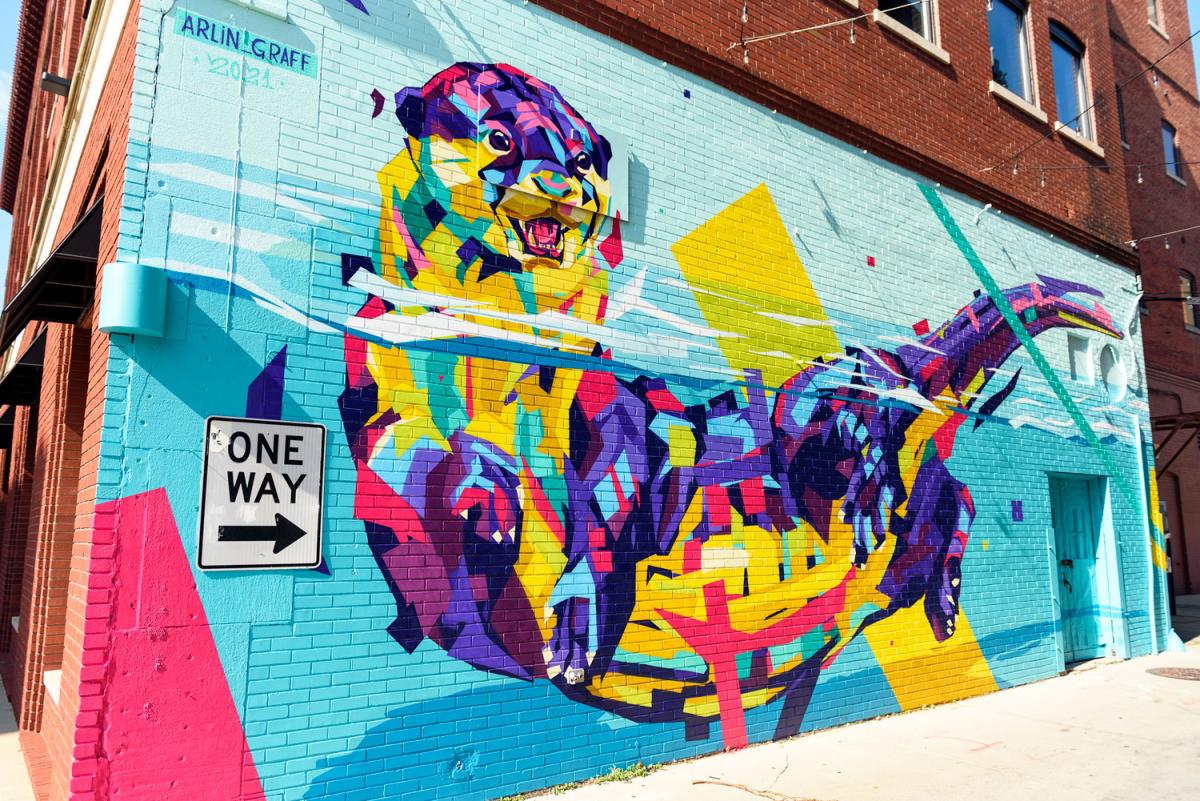
For visitors to Fort Wayne, Indiana, experiencing the city's art scene involves navigating a diverse landscape of public murals, historic museum collections, and community-focused galleries. The city balances traditional fine arts with an active public works program, centering primarily on the downtown cultural district, the historic West Central neighborhood, and key institutional hubs like the Fort Wayne Museum of Art.
Fort Wayne has cultivated a reputation as a regional arts destination by leveraging its industrial history to fuel modern creative expression. Whether you are a casual observer interested in the city’s vibrant mural culture or a serious art enthusiast looking for curated collections, understanding the geographic layout and the operational nature of these spaces is essential for a productive visit.
Navigating the Fort Wayne Cultural District
The core of Fort Wayne’s artistic identity is concentrated in the downtown area. As a visitor, your first stop should be the Cultural District, a specifically designated zone that encourages pedestrian traffic between performance venues and visual arts spaces.
The Arts United Center, designed by famed architect Louis Kahn, stands as a landmark of the city’s commitment to architecture as a form of art. Even if you are not attending a performance, the building itself—a rare example of Kahn's work—is a destination for those interested in mid-century modernist structural design. Surrounding this facility are various plazas that frequently host temporary installations.
For visitors, the best way to approach the downtown scene is to treat the area as a walkable gallery. Unlike major metropolitan hubs where art is sequestered in sprawling, gated museums, much of Fort Wayne’s art is integrated into the city’s streetscape. Start at the Allen County Courthouse for an example of classical Beaux-Arts architecture, then move toward the mural corridors along Wayne Street and Harrison Street.
The Fort Wayne Museum of Art (FWMoA)
As the premier visual arts institution in the region, the Fort Wayne Museum of Art serves as the primary hub for formal education and curated exhibitions. Located at 311 East Main Street, the museum provides a structured experience that contrasts with the informal nature of the city's public murals.
The museum’s permanent collection is particularly noted for its focus on American art, with significant holdings in glass sculpture and contemporary prints. When planning your visit, check the museum’s official website for rotating exhibition schedules. Because the museum curates its space based on multi-month exhibition cycles, the visitor experience changes significantly throughout the year.
Visitor Requirements and Logistics
- Operating Hours: The museum generally operates Tuesday through Sunday. It is standard practice for the facility to be closed on Mondays.
- Admission: Fees are standard for a mid-sized regional museum. Discounts are typically available for students, seniors, and active military personnel with valid identification.
- Accessibility: The facility is fully compliant with modern accessibility standards, ensuring that all galleries and public spaces are navigable for guests with limited mobility.
Public Art and the Mural Trail
Fort Wayne has aggressively pursued a "public art first" policy, resulting in dozens of murals that decorate the sides of historic brick buildings. This initiative has transformed otherwise utilitarian alleyways and parking structures into visual landmarks.
If you are visiting for the purpose of photography or cultural immersion, consider following the informal "Mural Trail." These works often document local history, folklore, or abstract interpretations of the region's industrial past. Unlike museum exhibits, these are available 24/7. However, the best time to view them is during daylight hours, as lighting conditions in downtown alleyways can fluctuate significantly at night.
To get the most out of this experience, avoid rushing. Many of the murals incorporate hidden details that reference specific Fort Wayne historical figures or architectural quirks of the building they occupy. Look for informational plaques near the base of major murals, which often credit the artist and explain the commission’s intent.
Comparing Art Experiences in Fort Wayne
Visitors often find it helpful to distinguish between the various types of art venues available to them. The following table provides a quick reference to help you decide how to allocate your time.
| Venue Type | Primary Focus | Best For | Accessibility |
|---|---|---|---|
| Institutional Museums | Curated collections, research, preservation | In-depth learning, climate-controlled viewing | High (ADA compliant) |
| Public Mural Corridors | Community identity, urban revitalization | Photography, walking tours, spontaneous discovery | Moderate (Outdoor/Sidewalks) |
| Independent Galleries | Emerging local artists, artisan goods | Supporting local talent, purchasing original work | High (Street level) |
| Historic Architecture | Structural design, civic history | Architectural history, scenic walking | High (Exterior) |
Supporting Local Artisans and Independent Galleries
Beyond the public works and the main museum, Fort Wayne maintains a robust scene of independent, privately owned galleries. Many of these are located in the historic neighborhoods adjacent to the downtown core, such as the West Central district.
Visiting these galleries offers a more intimate look at the city’s creative pulse. These spaces are often owner-operated, meaning visitors have the unique opportunity to speak directly with the proprietors or, occasionally, the artists themselves. This is the ideal environment for visitors looking to purchase a souvenir that represents authentic regional craftsmanship rather than mass-produced retail items.
When visiting these galleries, keep in mind that they operate on independent schedules. Unlike the Fort Wayne Museum of Art, which maintains consistent, standardized hours, independent galleries may close for private events, artist receptions, or seasonal shifts. If you have a specific gallery on your itinerary, it is advisable to check their social media presence or call ahead to verify that they will be open during your planned arrival time.
Frequently Asked Questions
1. Is there a charge to view the public murals in downtown Fort Wayne? No. All public murals and outdoor installations are accessible to the public at no cost. These are part of the city’s ongoing beautification and cultural engagement efforts, meant to be experienced by pedestrians and visitors freely.
2. How much time should I dedicate to an art-focused visit? To fully experience both the Fort Wayne Museum of Art and the surrounding downtown mural district, a minimum of one full day is recommended. This allows for a deep dive into the museum’s curated exhibitions in the morning, followed by a leisurely afternoon walking the mural trail.
3. Are professional cameras allowed in the galleries? Policies vary by institution. While casual photography is generally encouraged in public spaces and most independent galleries, the Fort Wayne Museum of Art may have specific restrictions regarding flash photography or tripod use for certain temporary exhibits to protect the artwork. Always ask at the front desk upon entry.
4. Does the city host specific "art walk" events for visitors? Yes. Fort Wayne occasionally hosts seasonal gallery crawls and arts festivals. These events are the best times to visit if you want to see a concentration of local artists showing their work in a single day. Check the official city tourism portal or the Arts United calendar for dates in 2026.
5. Is the art scene in Fort Wayne accessible via public transportation? The downtown core is highly walkable, which is the preferred method for viewing public art. For travel between the downtown area and outlying art studios, the city’s public transit bus system offers routes that cover primary commercial corridors, though ride-sharing services provide more flexibility for those on a tight schedule.
Tips for a Successful Visit
To ensure a high-quality experience, treat your trip with the same logistical care you would for a larger city.
- Plan for Weather: Because a significant portion of the city's art is outdoors, check the forecast. Spring and autumn are the peak seasons for walking tours; winter, while functional, may limit the time you spend wandering through outdoor installations.
- Utilize Local Resources: Check the "Visit Fort Wayne" website or their physical visitor center. They maintain up-to-date maps of art installations and provide brochures that are often more accurate than generic online travel blogs.
- Mind the Neighborhoods: While the downtown district is safe and highly activated, be respectful of private property when viewing murals that may be located near residential buildings or private businesses.
By focusing on the convergence of institutional art and community-driven street work, you can gain a complete understanding of Fort Wayne's creative identity. The city’s strength lies in its accessibility; the barriers to entry for art appreciation are low, but the rewards—a unique insight into the local history and creative spirit—are significant for any visitor willing to explore.