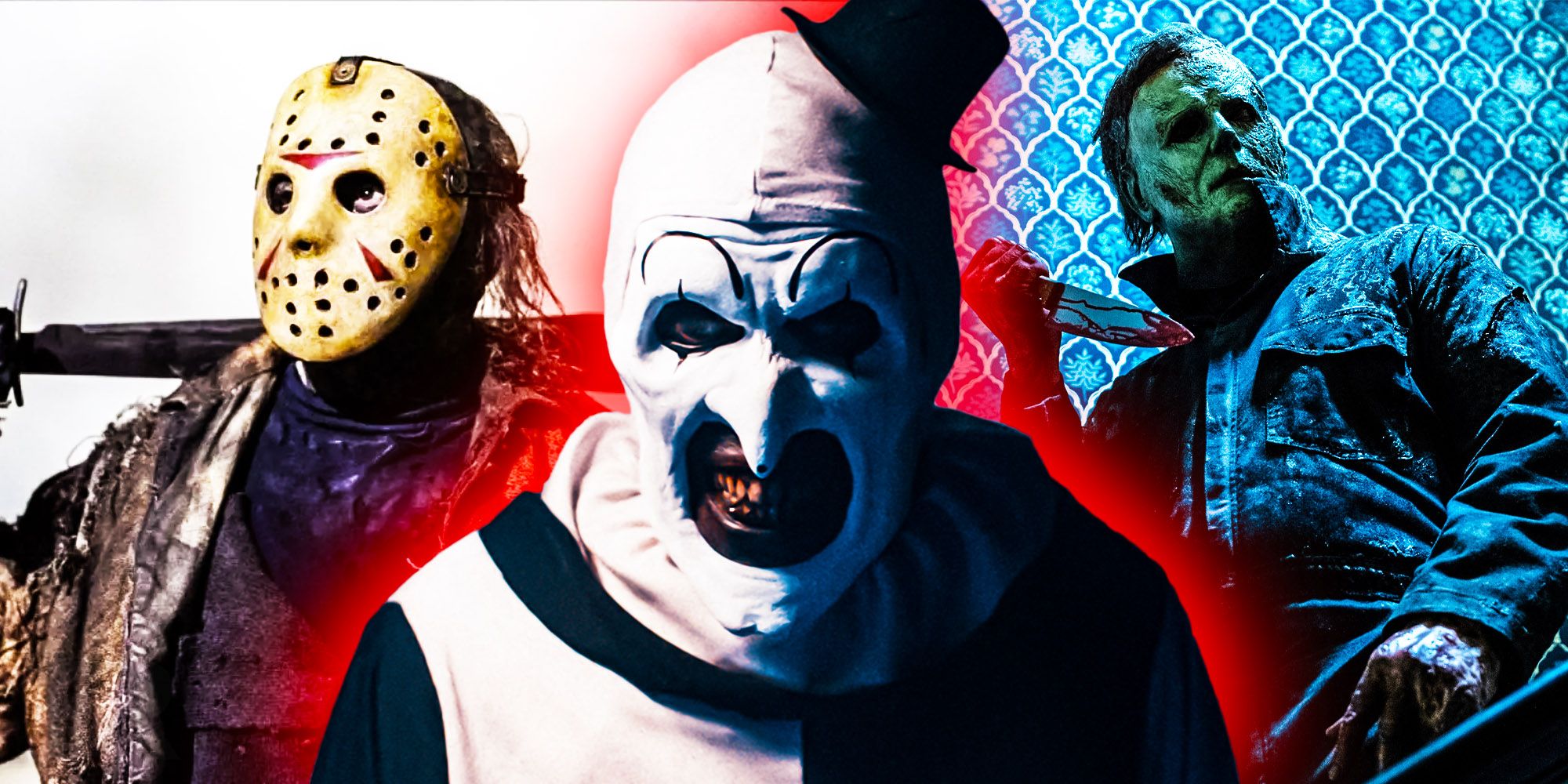
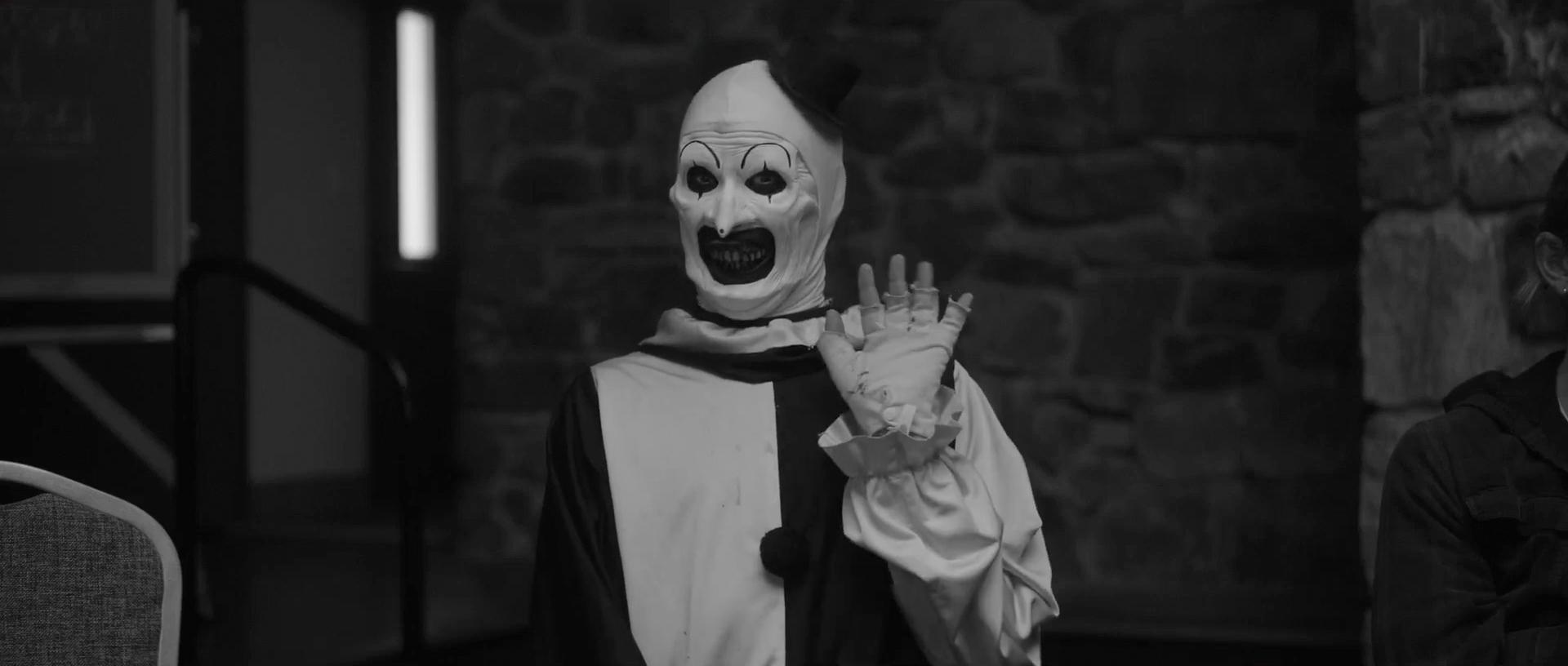
To watch the Art the Clown movies in the intended narrative order, you should begin with the short films The 9th Circle (2008) and Terrifier (2011), followed by the feature-length films All Hallows' Eve (2013), Terrifier (2016), Terrifier 2 (2022), and Terrifier 3 (2024). This viewing sequence tracks the evolution of the character from a low-budget antagonist into a modern horror icon.
The Terrifier franchise, centered on the mute, sadistic mime known as Art the Clown, has grown from a series of independent short films into a cult phenomenon. Because the character appears across multiple projects that vary in production scope and distribution, determining the correct viewing order requires distinguishing between the character's origins, anthology appearances, and the primary cinematic timeline.
Understanding the Art the Clown Timeline
Art the Clown, created by filmmaker Damien Leone, first appeared in the short film The 9th Circle in 2008. While this short introduces the character’s aesthetic and penchant for supernatural cruelty, it is not part of the primary Terrifier feature film continuity. Instead, it serves as the foundational "DNA" of the character.
The primary timeline—the one that drives the escalating narrative of Art’s reign of terror—begins with the 2016 Terrifier feature film. However, many fans choose to watch the earlier anthologies to observe how Leone refined the character’s movements, makeup, and "kill style" before cementing him as a feature-film slasher. Understanding the difference between the "anthology phase" and the "feature phase" is essential for viewers who want a full appreciation of the character’s evolution.
Chronological Viewing Order for Completionists
For viewers who wish to experience the character’s history from the very beginning, the following list represents the chronological release order of every project featuring Art the Clown.
- The 9th Circle (2008): A short film that introduces Art as a demonic entity.
- Terrifier (2011): A short film that functions as a proof-of-concept for the eventual feature film.
- All Hallows' Eve (2013): An anthology feature film where Art appears as the antagonist in segments curated by a mysterious VHS tape.
- Terrifier (2016): The first feature-length film dedicated solely to Art’s rampage through Miles County.
- Terrifier 2 (2022): The direct sequel that expands the lore, introducing supernatural elements and a definitive "final girl" dynamic.
- Terrifier 3 (2024): The most recent entry, which shifts the setting to the Christmas season, further establishing Art’s durability and status as a cinematic slasher villain.
The Feature-Only Viewing Path
If your goal is to understand the core narrative arc—which centers on Art’s connection to the citizens of Miles County and his specific, growing supernatural influence—you can start directly with the feature films. The short films provide context on the character’s origin but are not strictly required to follow the plot of the Terrifier trilogy.
| Film Title | Release Year | Format | Narrative Relevance |
|---|---|---|---|
| All Hallows' Eve | 2013 | Anthology | Origins/Context |
| Terrifier | 2016 | Feature | Core Beginning |
| Terrifier 2 | 2022 | Feature | Direct Sequel |
| Terrifier 3 | 2024 | Feature | Current Entry |
Analyzing the Evolution of the Franchise
The transition from All Hallows' Eve to Terrifier 3 reflects a massive change in production values and character depth. In All Hallows' Eve, Art the Clown is a mysterious, almost spectral presence. He functions more as a manifestation of evil than a fleshed-out character. By the time the viewer reaches Terrifier (2016), Art develops a distinct personality. He is playful, mocking, and intensely performative, using his silence and mime-like gestures to amplify the terror of his actions.
By Terrifier 2 and Terrifier 3, the franchise pivots toward a broader mythology. The introduction of the "Pale Girl" and the exploration of Art’s potential immortality elevate the character from a simple "slasher" into something more akin to a dark fantasy villain. Watching these films in order allows the viewer to see how Leone adapted his practical effects, makeup design, and pacing to suit larger budgets and higher audience expectations.
Prerequisite Knowledge and Viewer Expectations
It is important to note that the Terrifier franchise is categorized by its extreme practical gore. Unlike many mainstream horror franchises that rely on "jump scares" or psychological tension, these films prioritize elaborate, highly visceral practical effects.
Why Order Matters
The narrative of Terrifier 2 and Terrifier 3 relies heavily on the events of the 2016 film. Specifically, the trauma experienced by characters and the way the world reacts to Art’s existence are developed linearly. If you watch Terrifier 3 without having seen the previous two entries, the stakes—particularly regarding the character of Victoria Heyes—will lack necessary emotional and narrative weight.
Technical Limitations and Distribution
Because these films were produced independently, they have at times been subject to limited theatrical releases. As of 2026, most of these films are widely available on various streaming platforms and physical media. However, because they are independent productions, availability can fluctuate. Always check the official website of the film’s current distributor or major digital storefronts to ensure you are accessing the correct, uncut versions, as some versions of these films have historically faced edits in specific international markets.
Frequently Asked Questions
Does Art the Clown talk in any of the movies? No, Art the Clown is a mute character throughout the entire franchise. He relies entirely on pantomime, facial expressions, and physical gestures to communicate. This lack of dialogue is a defining trait that sets him apart from other talkative horror icons like Freddy Krueger or Chucky.
Is All Hallows' Eve necessary to understand the Terrifier trilogy? It is not strictly necessary for the narrative of the Terrifier feature films. The 2016 Terrifier serves as a soft reboot/clean slate for the character’s main story. You can skip the anthologies if you are only interested in the main Terrifier timeline.
What is the correct way to watch Terrifier 2? Terrifier 2 is a direct sequel to the 2016 Terrifier. You should watch the 2016 film first, as it introduces the primary antagonist and the specific rules of Art’s world, including his ability to return after apparent defeat.
Are the short films available to watch? The early shorts like The 9th Circle and the 2011 Terrifier are often included as special features on the physical media releases (Blu-ray/4K) of the feature films. They are sometimes available on horror-specific streaming services, though their availability is less consistent than the feature-length entries.
Why does Art the Clown look different in the early shorts? The differences in Art's appearance are due to the evolution of budget and makeup techniques. Damien Leone has consistently refined the character’s look, moving toward a more polished and iconic "classic" clown aesthetic as the franchise gained popularity and access to better practical effects resources.
Recommendations for New Viewers
If you are new to the franchise, the best approach is to start with the 2016 Terrifier. This film captures the essence of the character and provides the best entry point for the modern era of the series. If, after finishing the trilogy, you find yourself fascinated by the lore and the character’s origins, go back and watch All Hallows' Eve to see where the creative foundations were laid.
When preparing to watch, ensure you are in an environment where you can appreciate the practical effects work, as this is the centerpiece of the Terrifier experience. The films are designed to be immersive, focusing on the slow-burn construction of horror scenes rather than rapid-fire cuts. For the best experience, watch them in a darkened room to fully appreciate the lighting and shadow work, which is a major component of Leone’s directorial style.