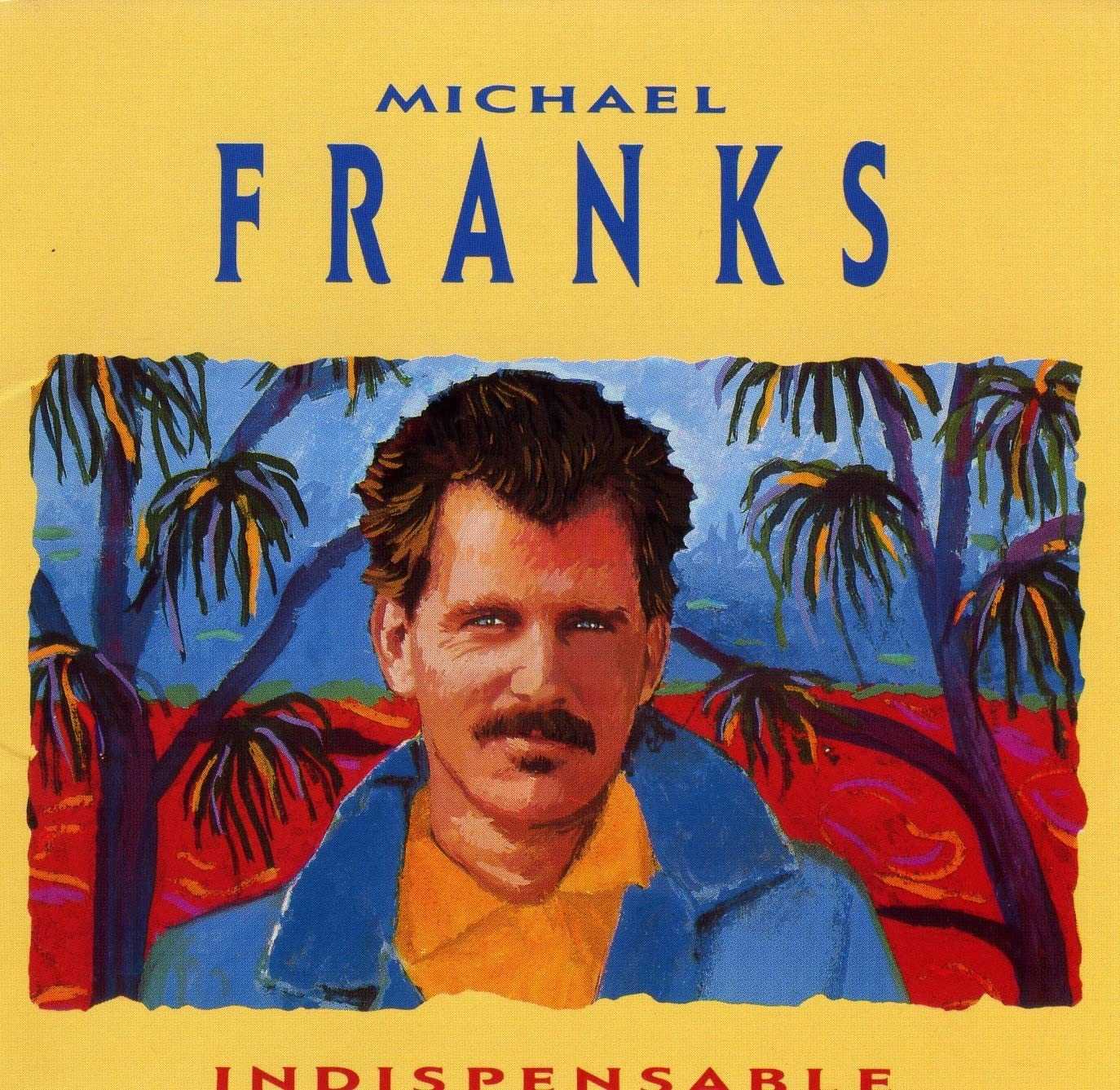
"Antonio's Song (The Rainbow)" is a seminal 1977 jazz-pop composition by Michael Franks, serving as a heartfelt tribute to the Brazilian bossa nova pioneer Antônio Carlos Jobim. Featured on the album Sleeping Gypsy, the track is celebrated for its sophisticated harmonic structure, poetic lyrics, and smooth, understated vocal delivery.
The Genesis of a Jazz Standard: Michael Franks and the Brazilian Connection
In the mid-1970s, Michael Franks emerged as a unique voice in the landscape of contemporary jazz. His style, characterized by a soft, "whispery" vocal delivery and erudite, often playful lyrics, found its perfect medium in the rhythms of Brazil. By 1976, Franks had already achieved commercial success with his album The Art of Tea, which featured the hit "Popsicle Toes." However, it was his 1977 follow-up, Sleeping Gypsy, that solidified his status as a master of the bossa-jazz crossover.
"Antonio's Song," often subtitled "(The Rainbow)," was written during a period of deep fascination with South American music. Michael Franks did not merely admire Antônio Carlos Jobim from afar; he traveled to Rio de Janeiro to record a significant portion of the album. This immersion in the local culture and the collaboration with legendary Brazilian musicians like João Donato gave the song an authenticity that most "American bossa nova" attempts lacked.
The year 1977 was a pivot point for jazz-fusion and smooth jazz. While many artists were leaning into heavy synthesizers and aggressive funk-fusion, Franks and producer Tommy LiPuma opted for a lush, organic sound. "Antonio's Song" became the centerpiece of this aesthetic, blending the technical precision of New York session musicians with the rhythmic fluidity of Rio.
Lyrical Analysis: "The Rainbow" and the City of God
The lyrics of "Antonio's Song" are both a literal travelogue and a metaphorical exploration of artistic inspiration. Franks uses the song to bridge the gap between his home in California ("The City of Angels") and Jobim's home in Brazil ("The City of God").
The Metaphor of the Rainbow
The subtitle "The Rainbow" refers to the ephemeral nature of beauty and the bridge between two worlds. In the lyrics, the rainbow represents a spiritual or creative connection that spans continents. Franks sings, "Antonio lives life's a freak / But his mind is the song," acknowledging that while the world may be chaotic, the artist (Jobim) creates order and beauty through his music.
Contrast of Cities
A key lyrical hook involves the lines: "I live in the City of Angels / But I’m moving to the City of God."
- The City of Angels: Refers to Los Angeles, where the recording sessions were finalized and where the music industry was centered.
- The City of God: Refers to Rio de Janeiro (specifically the famous Cidade de Deus, though here it is used more poetically to describe the spiritual home of the bossa nova).
This movement symbolizes a rejection of the commercial "plastic" nature of the U.S. music scene in favor of the deep, soulful traditions of Brazilian jazz.
Technical Composition and Musicality
"Antonio's Song" is a masterclass in bossa nova arrangement adapted for a Western jazz audience. The technical depth of the track is driven by three main factors: the harmonic progression, the rhythmic "clave," and the orchestration by Claus Ogerman.
The Ogerman Influence
Claus Ogerman, the legendary German arranger, was the secret weapon of this track. Ogerman had previously worked extensively with Antônio Carlos Jobim himself (most notably on Francis Albert Sinatra & Antonio Carlos Jobim). By hiring Ogerman for Sleeping Gypsy, Franks and LiPuma ensured a direct sonic lineage to Jobim’s own work. The strings on "Antonio's Song" are characteristic of Ogerman: lush, slightly melancholic, and never overpowering the delicate vocals.
Chord Progression and Harmony
The song is built on a series of jazz-inflected chords that require a nuanced touch on the nylon-string guitar. Key elements include:
- Major 7th and 9th Chords: These provide the "dreamy" atmosphere associated with West Coast jazz.
- Minor 11th Chords: Used to create the "saudade"—a Portuguese word for a deep, nostalgic longing that is central to bossa nova.
- Syncopated Basslines: The bass moves in a classic bossa pattern, emphasizing the "one" and the "two-and," providing a steady but swaying foundation.
Instrumentation and Personnel
The recording featured some of the most respected session players of the era. Their collective expertise allowed the song to feel effortless despite its complex internal structure.
| Musician | Instrument | Notable Contribution to the Track |
|---|---|---|
| Michael Franks | Vocals | Soft, breathy delivery that emphasizes lyrical intimacy. |
| João Donato | Piano | Authentic Brazilian phrasing and subtle rhythmic accents. |
| Michael Brecker | Tenor Saxophone | A smooth, melodic solo that stays within the song's emotional constraints. |
| David Sanborn | Alto Saxophone | Provides the signature "crying" tone that became a staple of smooth jazz. |
| Joe Sample | Keyboards | Electric piano layers that add a "shimmer" to the background. |
| Claus Ogerman | Arrangement | The signature string sections that define the track's cinematic feel. |
| Helio Delmiro | Guitar | Authentic bossa nova fingerpicking style. |
Production and Recording History
The production of "Antonio's Song" was a logistical feat for the late 1970s. Produced by Tommy LiPuma, the sessions were split between Los Angeles and Rio de Janeiro. This "bi-continental" approach was rare at the time and contributed to the high production costs that were ultimately justified by the album's lasting legacy.
LiPuma's philosophy was to capture the performance as naturally as possible. Unlike the heavily compressed tracks of the 1980s, "Antonio's Song" breathes. There is significant "air" in the recording, allowing the listener to hear the fingers sliding on the guitar strings and the subtle intake of breath before Franks delivers a line. This intimacy is what has kept the song relevant for nearly five decades.
In 2026, music historians look back at this track as the blueprint for "High-Fidelity Jazz-Pop." It demonstrated that sophisticated jazz could be commercially viable without sacrificing its intellectual or emotional core. For more details on the recording history, the official Michael Franks archives provide extensive session notes.
The Cultural Impact of "Antonio's Song"
Upon its release, "Antonio's Song" helped introduce a new generation of American listeners to the sounds of Brazil. While Stan Getz had brought bossa nova to the mainstream in the 1960s with "The Girl from Ipanema," Franks updated the sound for the singer-songwriter era of the 1970s.
Influence on Smooth Jazz
The track is often cited as a foundational stone of the "Smooth Jazz" genre. However, critics often distinguish Franks' work from the more formulaic smooth jazz that followed in the 1990s. The difference lies in the complexity of the lyrics and the organic nature of the arrangements. "Antonio's Song" remains a staple on jazz radio stations globally, from Tokyo to Paris to New York.
Interpretations and Covers
Due to its beautiful melody and evocative lyrics, the song has been covered by numerous artists across various genres.
- Jazz Vocalists: Many contemporary jazz singers use it as a standard for demonstrating breath control and phrasing.
- International Appeal: The song is particularly popular in Southeast Asia and Japan, where Michael Franks maintains a massive following.
- Digital Sampling: In the 21st century, the lush intro of the song has been sampled by lo-fi hip-hop producers seeking that specific "70s nostalgic" vibe.
Practical Guide for Musicians: Learning the Song
For guitarists and pianists, "Antonio's Song" offers a challenging but rewarding study in harmony.
- Master the Bossa Nova Clave: Before tackling the chords, you must understand the rhythmic pulse. It is not a standard 4/4 rock beat; it requires a subtle "swing" that is felt more than heard.
- Focus on Nylon Strings: To achieve the authentic sound of the recording, a nylon-string (classical) guitar is preferred over a steel-string acoustic. This provides the "mellow" attack necessary for the genre.
- Vocal Phrasing: If you are singing the track, avoid over-singing. The song demands a "conversational" tone. The beauty of Michael Franks' performance is that he sounds like he is whispering the lyrics directly into your ear.
- Dynamics: The song should never reach a "loud" point. Even the saxophone solos should be played with a degree of restraint, focusing on tone quality rather than technical shredding.
For those looking for accurate sheet music, the Warner Chappell Music catalog holds the publishing rights and provides the most authoritative transcriptions.
Frequently Asked Questions
Who is "Antonio" in Michael Franks' song?
The "Antonio" mentioned in the song is Antônio Carlos Jobim, the legendary Brazilian composer and one of the primary creators of the bossa nova style. The song serves as a tribute to Jobim’s influence on Franks' own musical journey.
What album is "Antonio's Song" on?
The song was first released on Michael Franks' 1977 album titled Sleeping Gypsy. It was recorded partly in Rio de Janeiro and produced by Tommy LiPuma.
What does the "Rainbow" symbolize in the song?
The rainbow symbolizes the creative and spiritual bridge between the United States and Brazil, as well as the transition from a mundane existence to a more enlightened, artistic way of life inspired by the "City of God" (Rio).
Is the song considered Bossa Nova or Jazz?
It is a hybrid. While it utilizes the rhythmic structure and instrumentation of bossa nova, the vocal style and session musicians come from the American West Coast jazz and pop traditions. It is best classified as "Jazz-Pop" or "Crossover Jazz."
Who played the saxophone solo on "Antonio's Song"?
The recording features two legendary saxophonists: Michael Brecker on tenor and David Sanborn on alto. Their interplay, along with the arrangements of Claus Ogerman, gives the track its distinctive, high-end jazz sound.
Final Recommendations for Listeners
To fully appreciate "Antonio's Song by Michael Franks," it is recommended to listen to it in a high-fidelity format (such as lossless audio or original vinyl). The subtle nuances of the percussion and the depth of the string arrangements are often lost in low-bitrate streaming.
If you enjoy this track, the logical next step is to explore the works of Antônio Carlos Jobim himself—specifically the album Wave or Stone Flower—to understand the source material that inspired Franks. Additionally, the rest of the Sleeping Gypsy album, including tracks like "The Lady Wants to Know" and "Down in Brazil," provides a cohesive listening experience that defines the peak of 1970s jazz-pop sophistication.