In March 2021, a Mobile County jury found Antwon Burks not guilty of the 2018 murder of his wife, Detrick Burks. The verdict concluded a high-profile criminal trial that centered on circumstantial evidence, cell phone tracking data, and the high burden of proof required for a conviction in capital cases.
The case of Antwon Burks remains one of the most discussed legal outcomes in recent Alabama history. It serves as a significant case study in how the judicial system handles domestic homicide charges when physical forensic evidence is limited. As of 2026, the case is viewed through the lens of legal precedent regarding the sufficiency of circumstantial evidence and the critical role of defense strategies in challenging technological data presented by the state.
Background of the Detrick Burks Disappearance
The events leading to the trial of Antwon Burks began in November 2018 in Mobile, Alabama. Detrick Burks, a 43-year-old mother and well-regarded member of the community, was reported missing after she failed to show up for work and could not be reached by her family. The disappearance immediately raised alarms, as it was described as being completely out of character for her.
For several days, local law enforcement and community volunteers conducted searches across Mobile and surrounding areas. The search came to a tragic end on November 13, 2018, when her body was discovered in a wooded area near Langan Park (also known as Municipal Park). The discovery shifted the investigation from a missing persons case to a homicide inquiry.
Initial autopsy reports and crime scene investigations revealed that Detrick Burks had suffered fatal injuries, though the specific details of the cause of death were closely guarded by the Mobile Police Department during the early stages of the investigation. The focus quickly turned to her husband, Antwon Burks, based on domestic history and the timeline of her disappearance.
The Prosecution’s Theory and Evidence
The State of Alabama, represented by the Mobile County District Attorney’s Office, built its case against Antwon Burks primarily on circumstantial evidence and digital footprints. Without a direct witness to the crime or a confession, the prosecution aimed to create a narrative that placed Burks at the scene of the body’s disposal.
Cell Phone Tower Data
The cornerstone of the prosecution's case was cell site location information (CSLI). Investigators analyzed pings from Antwon Burks’ mobile phone on the night of Detrick’s disappearance. They argued that his phone moved from their residence toward the area of Langan Park during the hours when they believed the body was being abandoned. Digital forensics experts were called to testify that the movement of the device was inconsistent with the defendant's claims of his whereabouts.
Marital Discord and Motive
The state also presented evidence of a strained relationship. Witnesses, including family and friends, testified about past conflicts between the couple. The prosecution argued that the motive was rooted in a domestic dispute that escalated to violence. In many homicide cases where a spouse is the primary suspect, establishing a pattern of behavior or a specific "breaking point" is essential for the jury to understand why a crime may have occurred.
Security Camera Footage
Prosecutors introduced various clips of surveillance footage from neighborhood cameras and businesses. While none of the footage captured the act of the crime itself, the state argued that the timing of a vehicle matching Burks’ description seen moving through the city aligned with the cell phone data.
The Defense Strategy: Challenging the State’s Narrative
The defense, led by prominent attorney Jeff Deen, focused on the "reasonable doubt" standard. The defense’s primary objective was not necessarily to prove Antwon Burks’ innocence, but to demonstrate that the state had failed to meet its burden of proof.
The Absence of Forensic Links
A major point of contention during the trial was the lack of biological evidence. The defense emphasized that despite exhaustive searches of the couple’s home and vehicles, investigators found no blood evidence, no signs of a struggle, and no DNA that definitively linked Antwon Burks to the specific spot where the body was found. In a modern legal environment—often influenced by the "CSI effect"—juries frequently expect to see physical links such as fingerprints, hair, or bodily fluids.
Questioning Digital Accuracy
The defense aggressively challenged the reliability of the cell phone tower pings. They argued that cell tower data is not a GPS-level pinpoint of a person's location but rather an approximation based on which tower a phone connects to for signal strength. They suggested that the phone could have pinged towers near the park while Burks was actually elsewhere, due to network traffic or tower range.
Alternative Theories and Timelines
The defense also highlighted inconsistencies in the state’s timeline. By questioning the medical examiner’s estimate of the time of death, the defense sought to show that it was physically impossible for Burks to have committed the crime and returned home in the window provided by the prosecution. They also suggested that the investigation had "tunnel vision," focusing solely on the husband while ignoring other potential leads or individuals who may have had access to the victim.
The Trial and the Not Guilty Verdict
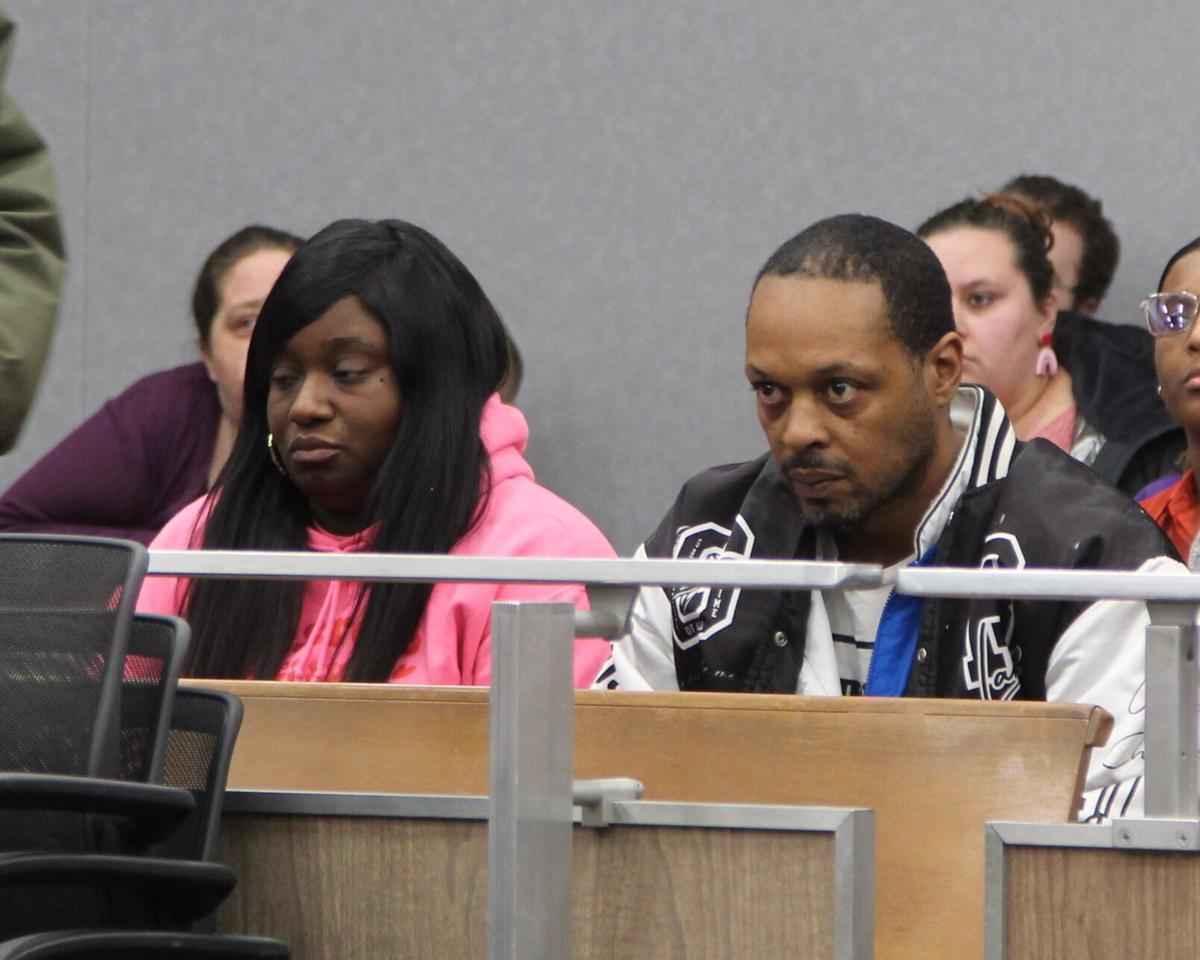
The trial took place in the Mobile County Circuit Court in March 2021. For several days, the jury listened to testimonies from forensic experts, police officers, and family members. The atmosphere in the courtroom was described as tense, reflecting the high stakes for both the defendant and the family of Detrick Burks.
Jury Deliberations
The jury deliberated for several hours before returning to the courtroom. In criminal cases in Alabama, a unanimous verdict is required for a conviction. On March 25, 2021, the jury delivered a verdict of not guilty on the charge of murder.
The verdict was met with a mix of shock and relief in the courtroom. For Antwon Burks, the decision meant immediate release and the removal of the threat of a life sentence. For the family of Detrick Burks, the verdict was a devastating blow, leaving them with the reality that no one would be held criminally responsible for her death at that time.
Why the Jury Voted to Acquit
Post-trial analysis by legal experts suggested that the lack of a murder weapon and the absence of physical evidence in the Burks' home were the deciding factors. While the circumstantial evidence (the phone pings and the vehicle footage) was suggestive, it was not "ironclad." Under the law, if a jury has a reasonable doubt as to the defendant's guilt, they are legally obligated to acquit.
| Key Trial Element | Prosecution Argument | Defense Rebuttal |
|---|---|---|
| Cell Phone Data | Pings placed Burks near Langan Park at the time of disposal. | Tower pings are imprecise; does not prove specific location. |
| Forensic Evidence | Argued the crime was "cleaned up" or occurred elsewhere. | No blood or DNA found in the house or car; no murder weapon found. |
| Motive | History of domestic disputes and marital strain. | Strained relationships do not equate to a propensity for murder. |
| Surveillance | Vehicle matching Burks' was seen on camera at key times. | The footage was grainy; vehicle identification was not definitive. |
Legal Implications and the Concept of Double Jeopardy
The "not guilty" verdict has permanent legal implications for Antwon Burks due to the Double Jeopardy Clause of the Fifth Amendment to the U.S. Constitution. This clause protects individuals from being tried twice for the same crime in the same jurisdiction after an acquittal.
Can the Case Be Reopened?
While the case remains "open" in the sense that the murder of Detrick Burks is technically unsolved, the state cannot bring the same murder charges against Antwon Burks again, even if new evidence were to surface. This finality is a cornerstone of the American legal system, intended to prevent the government from using its vast resources to repeatedly prosecute a citizen until a conviction is achieved.
Civil vs. Criminal Liability
It is important to distinguish between criminal and civil law. While an individual may be acquitted of murder in a criminal court (where the standard is "beyond a reasonable doubt"), they can still be sued in a civil court for wrongful death (where the standard is "preponderance of the evidence"). This was famously seen in the O.J. Simpson case. However, as of 2026, there have been no widely publicized civil judgments that have altered the public standing of the 2021 criminal acquittal in the Burks case.
Community Reaction and Aftermath
The acquittal of Antwon Burks sparked significant debate within the Mobile community and on social media. The case highlighted the ongoing challenges in prosecuting domestic violence homicides where the crime occurs in private and the disposal is planned to avoid detection.
- Support for the Victim: Domestic violence advocacy groups in Alabama used the case to highlight the need for better resources and early intervention for victims of domestic abuse.
- Trust in the Legal System: For some, the verdict was proof that the system works—protecting an individual from a conviction based on thin evidence. For others, it was seen as a failure of the system to provide justice for a victim.
Since the trial, Antwon Burks has largely remained out of the public eye. The focus of the local community has occasionally returned to the case during anniversaries of Detrick's death, often with calls for anyone with "new information" to come forward, despite the legal hurdles regarding the previous defendant.
Frequently Asked Questions
Was anyone else ever charged in the death of Detrick Burks?
No. As of 2026, Antwon Burks is the only person who has stood trial for the murder of Detrick Burks. Law enforcement has not publicly identified any other viable suspects since the 2021 acquittal.
What was the cause of Detrick Burks' death?
The autopsy revealed that Detrick Burks died from blunt force trauma and strangulation. The nature of the injuries suggested a violent physical encounter, which the prosecution used to argue that the crime was one of passion or intent.
Did Antwon Burks testify in his own defense?
In most criminal trials, defendants are advised by their counsel not to testify to avoid cross-examination by the prosecution. In this case, the defense relied on cross-examining the state’s witnesses and experts to create doubt rather than having Burks take the stand.
What is the current status of the case?
Legally, the case against Antwon Burks is closed due to the acquittal. The investigation into the murder of Detrick Burks remains an open cold case with the Mobile Police Department, although no significant updates have been released in several years.
What role did the Mobile County District Attorney play?
The District Attorney’s office was responsible for deciding to move forward with the charges. Despite the lack of physical evidence, they believed the circumstantial evidence was sufficient to secure a conviction. The acquittal was a high-profile loss for the office at the time.
Final Summary and Guidance for Observers
The case of Antwon Burks and the not guilty verdict serves as a stark reminder of the complexities inherent in the American criminal justice system. While the prosecution presented a compelling narrative based on digital tracking, the fundamental requirement of physical forensic proof often outweighs circumstantial theories in the eyes of a jury.
For those following this case or similar legal proceedings:
- Understand the Burden of Proof: "Beyond a reasonable doubt" is the highest legal standard. If there is any logical reason to doubt the defendant's guilt, an acquittal is legally required.
- Recognize the Role of Defense: A defense attorney’s job is to find the "holes" in the state's case. In the Burks trial, the defense successfully focused on what the state didn't have (DNA, a weapon, direct witnesses).
- Follow Official Records: For those seeking the most accurate information, reviewing the trial transcripts and official court filings from the Mobile County Circuit Court provides the most objective view of the evidence presented.
The death of Detrick Burks remains a tragedy for the Mobile community, and while the legal system has provided a final answer regarding the husband's criminal liability, the quest for ultimate closure continues for her surviving family members.