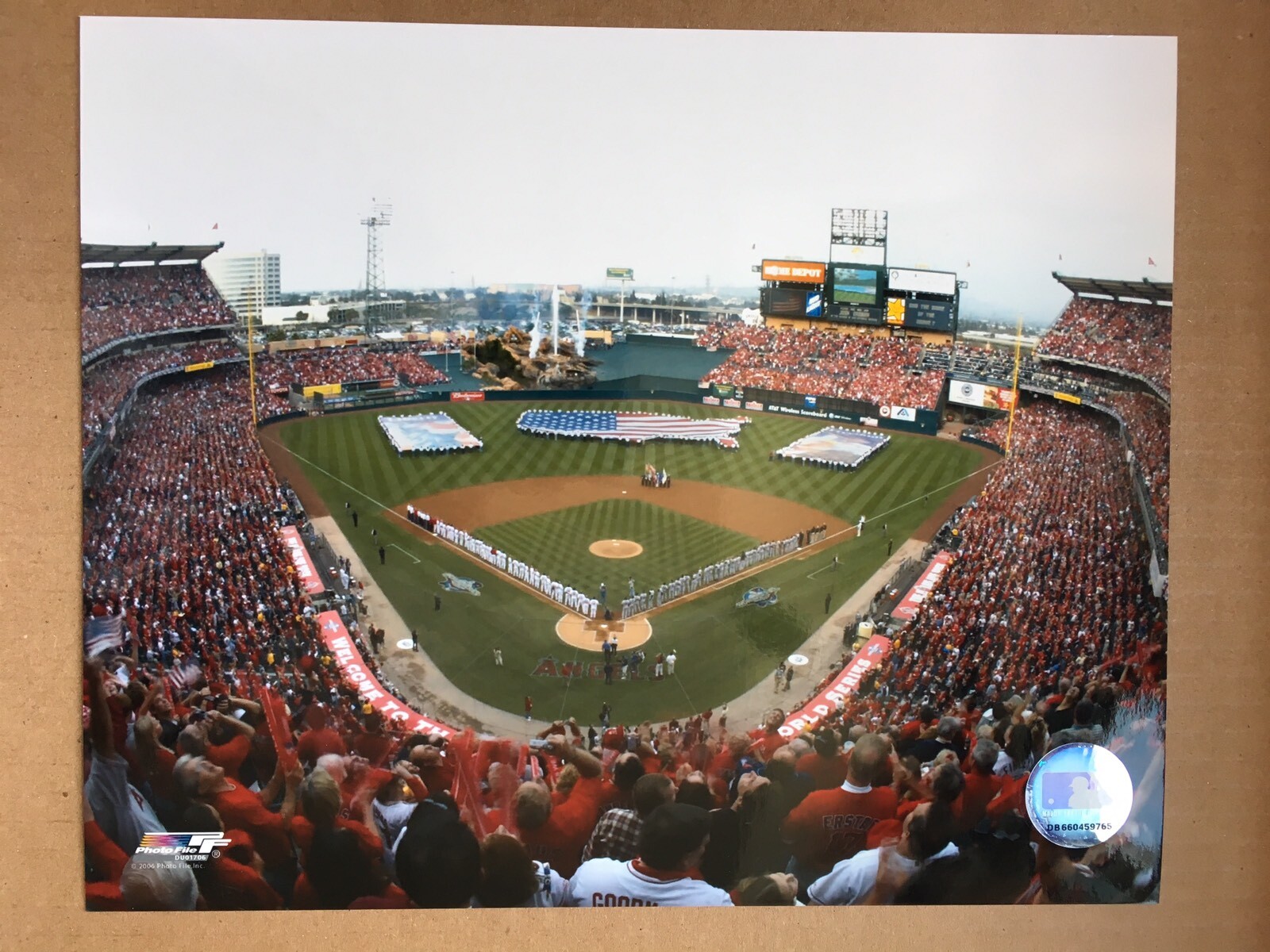
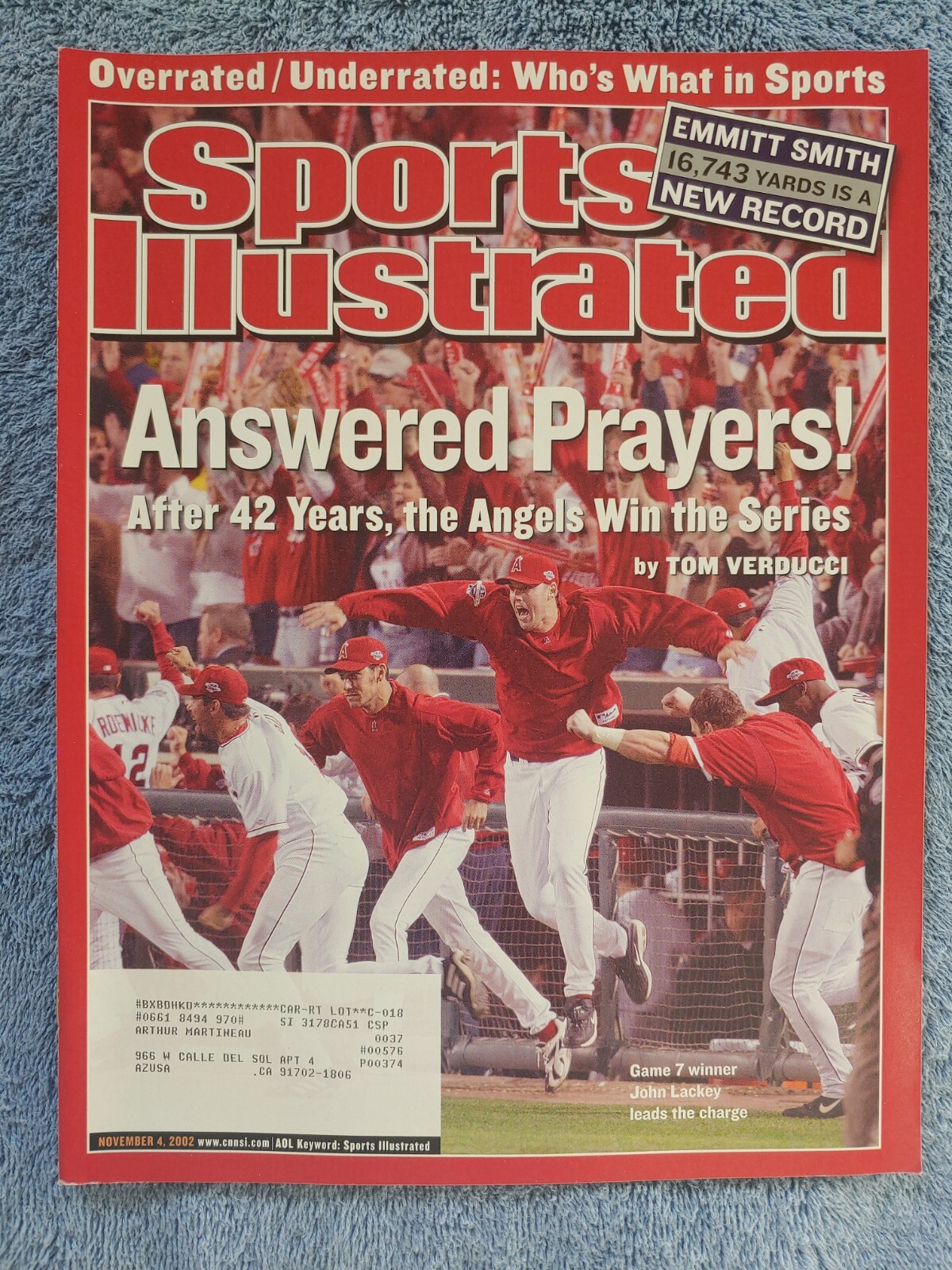
The 2002 World Series saw the Anaheim Angels capture their first and only Major League Baseball title in franchise history, defeating the San Francisco Giants in seven games. Driven by a historic Game 6 comeback, dynamic relief pitching, and a relentless line-drive offense, Anaheim triumphed in the first-ever Fall Classic played between two wild-card teams.
Historical Context: The 2002 Season and the Battle of Wild-Card Team Breakthroughs
The 2002 Major League Baseball season culminated in an unprecedented matchup. For the first time since the introduction of the wild-card playoff format in 1994, both the American League and National League champions entered the postseason without winning their respective divisions.
Managed by Mike Scioscia, who was in his third season at the helm, the Anaheim Angels finished second in the AL West with a 99-63 record, trailing the 103-win Oakland Athletics. The Angels relied on an aggressive, high-contact offense dubbed "small ball" or "station-to-station" baseball, which emphasized moving runners, limiting strikeouts, and utilizing late-inning bullpen strength. Prior to 2002, the franchise had never won a postseason series in its 42-year history. However, Anaheim dismantled the New York Yankees in four games during the AL Division Series and defeated the Minnesota Twins in five games in the AL Championship Series, powered by Adam Kennedy’s historic three-home-run effort in Game 5 of the ALCS.
The San Francisco Giants, led by veteran manager Dusty Baker, secured the NL Wild Card with a 95-66 record. San Francisco’s roster revolved around slugger Barry Bonds, who was in the midst of one of the most dominant individual seasons in baseball history. Bonds won the NL Most Valuable Player Award in 2002 after setting a single-season record with a .582 on-base percentage, walking 198 times, and hitting 46 home runs. Supported by regular season run-producers Jeff Kent, Rich Aurilia, and J.T. Snow, the Giants advanced through the October bracket by defeating the Atlanta Braves in five games in the NLDS and the St. Louis Cardinals in five games in the NLCS.
This setting produced an all-California World Series that showcased contrasting roster constructions: Anaheim’s collective, deep lineup and electric bullpen pitched against San Francisco’s star-heavy batting order and veteran starting rotation.
2002 Postseason Path to the World Series:
- ANAHEIM ANGELS (99-63)
- ALDS: Defeated New York Yankees (3-1)
- ALCS: Defeated Minnesota Twins (4-1)
- Advanced to 2002 World Series
- SAN FRANCISCO GIANTS (95-66)
- NLDS: Defeated Atlanta Braves (3-2)
- NLCS: Defeated St. Louis Cardinals (4-1)
- Advanced to 2002 World Series
Complete Game-by-Game Breakdown of the 2002 World Series
Game 1: Giants 4, Angels 3
October 19, 2002 — Edison International Field of Anaheim (Anaheim, CA)
Game 1 set a competitive tone for the series. Starting pitcher Jason Schmidt led San Francisco against Anaheim ace Jarrod Washburn. Barry Bonds made an immediate impression in his career World Series debut, driving a solo home run over the right-field wall off Washburn in his first official plate appearance in the second inning. Reggie Sanders followed with a two-run homer later in the frame to give the Giants a 3-0 advantage.
Anaheim third baseman Troy Glaus responded with two solo home runs—one off Schmidt in the second inning and another off reliever Felix Rodriguez in the sixth. Tsuyoshi Shinjo made history in the top of the ninth inning as the first Japanese-born player to appear in a World Series game, entering as a designated hitter. San Francisco closer Robb Nen logged his first save of the series by retiring the heart of the Angels' order in the ninth, securing a 4-3 victory for the Giants.
Game 2: Angels 11, Giants 10
October 20, 2002 — Edison International Field of Anaheim (Anaheim, CA)
Game 2 developed into a high-scoring offensive back-and-forth battle featuring 21 total runs and 28 total hits. Starter Kevin Appier struggled early for Anaheim, while Russ Ortiz took the mound for San Francisco. Both teams traded leads five separate times.
Giants designated hitter Shawon Dunston and left fielder Barry Bonds launched home runs, but Anaheim outfielder Tim Salmon provided the pivotal offensive output. Salmon hit two two-run home runs, including a game-winning shot off Giants reliever Felix Rodriguez in the bottom of the eighth inning that broke a 9-9 tie.
In the top of the ninth inning, with Anaheim closer Troy Percival on the mound, Bonds hit a towering home run that landed in the right-field upper deck. However, Percival held the lead to close out an 11-10 victory, tying the series at 1-1.
Game 3: Angels 10, Giants 4
October 22, 2002 — Pacific Bell Park (San Francisco, CA)
As the series shifted to San Francisco, the Angels built early momentum against Giants starter Livan Hernandez. Anaheim starting pitcher Ramon Ortiz provided a steady performance, allowing four runs over five innings, supported by a balanced Angels offensive unit.
Anaheim took command in the top of the third inning by scoring four runs, driven by run-scoring hits from Garret Anderson and Troy Glaus. The Angels added four more runs across the fourth and sixth innings. Anaheim’s bullpen, led by rookie relief sensation Francisco Rodriguez—who pitched two hitless innings with four strikeouts—shut down San Francisco's offense in the late frames. The 10-4 decision gave Anaheim a 2-1 lead in the series.
Game 4: Giants 4, Angels 3
October 23, 2002 — Pacific Bell Park (San Francisco, CA)
Game 4 featured a matchup between Anaheim rookie starter John Lackey and San Francisco soft-tossing left-hander Kirk Rueter. Anaheim took a 3-0 lead by the third inning, capped by an RBI double from Troy Glaus.
San Francisco responded in the bottom of the third with three runs, anchored by a two-run single from catcher Benito Santiago off Lackey. The game remained tied at 3-3 until the bottom of the eighth inning. Against Anaheim reliever Ben Weber, Giants second baseman Jeff Kent singled, advanced to third on a Barry Bonds hit, and scored on a game-winning RBI single by third baseman David Bell. Robb Nen retired the Angels in order in the ninth to seal the 4-3 win, knotting the series at two games apiece.
Game 5: Giants 16, Angels 4
October 24, 2002 — Pacific Bell Park (San Francisco, CA)
Game 5 became the most lopsided contest of the series. San Francisco’s offense accumulated 16 runs on 16 hits against Jarrod Washburn and five Anaheim relievers. Giants second baseman Jeff Kent led the attack, driving in four runs with two home runs, while initial-game starter Jason Schmidt earned the victory on the mound.
The game contained an iconic postseason moment in the bottom of the seventh inning. After Kenny Lofton hit an RBI triple, three-year-old Giants batboy Darren Baker—son of manager Dusty Baker—ran out to home plate to collect Lofton’s bat while the play was still active. San Francisco first baseman J.T. Snow swept up young Baker by the jacket collar while crossing home plate, steering him safely out of the path of oncoming base runner David Bell. Major League Baseball subsequently established a minimum age requirement of 14 for batboys. The Giants' 16-4 victory put San Francisco within one win of their first title since moving to the West Coast in 1958.
| 1 | 2 | 3 | 4 | 5 | 6 | 7 | 8 | 9 | R | H | E | |
|---|---|---|---|---|---|---|---|---|---|---|---|---|
| ANG | 0 | 0 | 0 | 0 | 3 | 0 | 1 | 0 | 0 | 4 | 9 | 2 |
| SF | 3 | 0 | 3 | 0 | 0 | 2 | 7 | 1 | X | 16 | 16 | 0 |
Game 6: Angels 6, Giants 5
October 26, 2002 — Edison International Field of Anaheim (Anaheim, CA)
Facing elimination back on home turf, Anaheim mounted one of the largest late-inning comebacks in World Series history. San Francisco starter Russ Ortiz pitched six dominant innings, holding the Angels scoreless while building a 5-0 lead into the seventh inning, backed by home runs from Shawon Dunston and Barry Bonds.
With one out in the bottom of the seventh inning, Ortiz allowed consecutive singles to Dale Sveum and Ben Molina. With Ortiz at 98 pitches, manager Dusty Baker walked to the mound to remove him, handing Ortiz the game ball as he exited—a gesture widely criticized after the game as premature.
Baker inserted setup man Felix Rodriguez to face Anaheim first baseman Scott Spiezio. Spiezio battled through an eight-pitch plate appearance before pulling a 3-2 fastball over the right-field wall for a three-run home run, cutting the deficit to 5-3.
In the bottom of the eighth inning, Angels center fielder Darin Erstad led off with a home run against reliever Tim Worrell to make the score 5-4. After Tim Salmon and Garret Anderson singled, Troy Glaus doubled off San Francisco closer Robb Nen down the left-field line, scoring Chone Figgins (running for Salmon) and Erstad to give Anaheim a 6-5 lead. Troy Percival pitched a scoreless ninth inning to secure the victory, forcing a decisive seventh game.
Game 7: Angels 4, Giants 1
October 27, 2002 — Edison International Field of Anaheim (Anaheim, CA)
Game 7 marked the final contest of the season. Mike Scioscia turned to 24-year-old rookie right-hander John Lackey on three days' rest to pitch against Giants veteran Livan Hernandez.
San Francisco opened the scoring in the top of the second inning when Reggie Sanders hit a sacrifice fly to bring home Benito Santiago. Anaheim answered immediately in the bottom of the second on a sacrifice fly by catcher Bengie Molina that scored Scott Spiezio.
The decisive blow occurred in the bottom of the third inning. With the bases loaded, left fielder Garret Anderson hit a three-run line-drive double into the right-field corner off Hernandez, clearing the bases to put Anaheim ahead 4-1.
John Lackey pitched five innings, allowing one run on four hits to become the first rookie starter to win a World Series Game 7 since Babe Adams in 1909. Scioscia managed the final four innings through his high-leverage bullpen:
- 6th inning: Ben Weber (0.1 IP) and Scott Schoeneweis (0.2 IP) combined to protect the three-run cushion.
- 7th & 8th innings: Francisco Rodriguez pitched 1.2 scoreless innings, lowering his postseason strikeout total to 23 batters.
- 9th inning: Closer Troy Percival took the mound. After securing two outs, Percival got Darin Erstad to catch a fly ball hit to center field by Rich Aurilia, clinching the championship for the Anaheim Angels.
Tactical Analysis: Bully Bullpens and Roster Construction
The outcome of the 2002 World Series stemmed directly from tactical decisions in roster construction, bullpen management, and offensive philosophies between Mike Scioscia and Dusty Baker.
Series Strategy:
- ANAHEIM ANGELS
- Manager: Mike Scioscia
- Contact & aggressive base-running
- Heavy late-inning bullpen usage (K-Rod)
- SAN FRANCISCO GIANTS
- Manager: Dusty Baker
- On-base focus around Barry Bonds
- Traditional starter pitching depth
Anaheim's Reliever Efficiency vs. San Francisco’s Rotation Dependability
Anaheim’s playoff run demonstrated the strategic value of late-inning bullpen strength. Scioscia deployed 20-year-old rookie Francisco Rodriguez alongside closer Troy Percival, short-circuiting traditional starter-length requirements. Rodriguez earned five postseason wins out of the bullpen prior to the World Series, matching an MLB record for a single postseason.
During the World Series, the combination of Rodriguez, Percival, Ben Weber, and Brendan Donnelly allowed Scioscia to limit his starting pitchers' third-time-through-the-order vulnerabilities. When starter Kevin Appier struggled in Games 2 and 6, Scioscia turned to his bullpen early, preserving strikeout rates and matching up against San Francisco's left-handed hit power.
Conversely, Dusty Baker relied on traditional starting pitcher length. While Russ Ortiz and Jason Schmidt produced dominant stretches, San Francisco’s middle bullpen struggled to contain Anaheim's contact-heavy lineup. Felix Rodriguez and Tim Worrell gave up critical late-inning earned runs in Games 2 and 6. Robb Nen, playing through a severe shoulder injury that ultimately ended his career, was unable to halt Anaheim's eighth-inning rally in Game 6.
Neutralizing the Barry Bonds Factor
Barry Bonds compiled an extraordinary statistically efficient series, yet Anaheim mitigated his overall impact on game outcomes by avoiding direct exposure in high-leverage situations.
Bonds produced the following line during the seven-game series:
$$\text{Batting Average: } .471 \quad | \quad \text{On-Base Percentage: } .700 \quad | \quad \text{Slugging Percentage: } 1.294$$
He recorded eight hits in 17 official at-bats, including four home runs, six RBIs, and 13 bases on balls (including seven intentional walks). Scioscia repeatedly elected to walk Bonds intentionally when base runners were in scoring position, preferring to challenge Jeff Kent, Benito Santiago, and Reggie Sanders.
By taking the bat out of Bonds' hands during key situations in Games 2, 6, and 7, Anaheim forced the secondary hitters in San Francisco's order to supply run production, limiting the impact of Bonds' individual statistics.
Game-by-Game Statistical Summary
The table below documents the official scores, venue locations, pitching decisions, and game duration for all seven games of the 2002 World Series.
| Game | Date | Final Score | Location | Winning Pitcher | Losing Pitcher | Save | Duration |
|---|---|---|---|---|---|---|---|
| Game 1 | Oct 19, 2002 | Giants 4, Angels 3 | Edison Field (Anaheim) | Jason Schmidt (1-0) | Jarrod Washburn (0-1) | Robb Nen (1) | 3:44 |
| Game 2 | Oct 20, 2002 | Angels 11, Giants 10 | Edison Field (Anaheim) | Francis. Rodriguez (1-0) | Felix Rodriguez (0-1) | Troy Percival (1) | 3:57 |
| Game 3 | Oct 22, 2002 | Angels 10, Giants 4 | Pac Bell Park (San Francisco) | Ramon Ortiz (1-0) | Livan Hernandez (0-1) | None | 3:37 |
| Game 4 | Oct 23, 2002 | Giants 4, Angels 3 | Pac Bell Park (San Francisco) | Tim Worrell (1-0) | Ben Weber (0-1) | Robb Nen (2) | 3:02 |
| Game 5 | Oct 24, 2002 | Giants 16, Angels 4 | Pac Bell Park (San Francisco) | Chad Zerbe (1-0) | Jarrod Washburn (0-2) | None | 3:53 |
| Game 6 | Oct 26, 2002 | Angels 6, Giants 5 | Edison Field (Anaheim) | Brendan Donnelly (1-0) | Tim Worrell (1-1) | Troy Percival (2) | 3:48 |
| Game 7 | Oct 27, 2002 | Angels 4, Giants 1 | Edison Field (Anaheim) | John Lackey (1-0) | Livan Hernandez (0-2) | Troy Percival (3) | 3:16 |
Key Performers and Award Winners
Troy Glaus — World Series MVP
Anaheim third baseman Troy Glaus was named the World Series Most Valuable Player. Over the seven games, Glaus hit .385 (10-for-26) with three home runs, three doubles, and eight RBIs. His two-run double off Robb Nen in the eighth inning of Game 6 completed Anaheim’s comeback to put the team ahead 6-5. Glaus posted a .467 on-base percentage and an .846 slugging percentage throughout the series.
Troy Glaus — 2002 World Series Stats:
- Batting Average: .385 (10-for-26)
- Home Runs: 3
- Runs Batted In: 8
- Slugging Percentage: .846
- On-Base Plus Slugging (OPS): 1.313
Scott Spiezio — Clutch Performer
First baseman Scott Spiezio proved essential to Anaheim's championship run. Spiezio led the Angels with eight RBIs during the seven-game series. His three-run home run off Felix Rodriguez in the bottom of the seventh inning of Game 6 shifted momentum, initiating Anaheim's late-game comeback from a 5-0 deficit. Spiezio batted .300 across the series with a .400 on-base percentage.
Tim Salmon — Franchise Veteran
Tim Salmon, drafted by Anaheim in 1989, had spent 10 seasons with the club without reaching the postseason. In his first and only World Series appearance, Salmon hit .346 (9-for-26) with two home runs, both coming in Anaheim's Game 2 victory. His performance earned him the 2002 Hutch Award, recognizing his perseverance and leadership.
Francisco Rodriguez — Relief Phenom
Rookie right-hander Francisco Rodriguez, nicknamed "K-Rod," called up from the minor leagues in September, became a weapon out of Scioscia’s bullpen. Pitching 8.2 innings across four World Series appearances, Rodriguez surrendered two earned runs while striking out 13 hitters. He posted a 1-0 record in the series and equaled the single-postseason record with 13 total relief appearances across October.
Cultural Impact and Franchise Legacy
The Rally Monkey and Thunderstix
The 2002 Angels championship season popularized two fan-engagement symbols that defined the ballpark atmosphere at Edison International Field of Anaheim.
The Rally Monkey—a video clip of a white-headed capuchin monkey jumping from the movie Ace Ventura: Pet Detective, overlaid with the text "Rally Monkey" to the tune of House of Pain’s song "Jump Around"—was originally shown on the stadium scoreboards during a late-game deficit in 2000. During the 2002 season, particularly during the late-inning comeback in Game 6, the stadium scoreboards flashed the Rally Monkey graphic whenever Anaheim trailed in the late innings, prompting fans to wave plush stuffed monkeys.
Thunderstix—inflatable vinyl noise-making tubes created in South Korea—were distributed to thousands of stadium attendees during the 2002 postseason. The rhythmic banging of the noise-makers generated high decibel levels inside Edison International Field, establishing an intense home-field environment during Games 1, 2, 6, and 7.
2002 ANGELS BALLPARK EXPERIENCE:
- [ RALLY MONKEY ]
- Visual Catalyst
- Late-Inning Comebacks
- [ THUNDERSTIX ]
- Auditory Pressure
- Noise Generation
Long-Term Franchise Transformation
The 2002 World Series victory permanently altered the identity of the Anaheim franchise. Previously overshadowed by the neighboring Los Angeles Dodgers, the Angels established financial growth and national visibility. Following the victory, Disney sold the team to businessman Arte Moreno in 2003, who rebranded the franchise as the Los Angeles Angels of Anaheim in 2005 (later simplified to the Los Angeles Angels).
The championship ended a 42-year title drought and established the 2002 Angels roster as a classic example of dynamic team construction, demonstrating how elite relief pitching, offensive contact rates, and late-inning comebacks could overcome traditional top-heavy star power in short postseason series.
Frequently Asked Questions
Who won the 2002 World Series?
The Anaheim Angels won the 2002 World Series, defeating the San Francisco Giants four games to three in a seven-game series.
Who was the 2002 World Series MVP?
Anaheim Angels third baseman Troy Glaus was named the 2002 World Series MVP after hitting .385 with three home runs, three doubles, and eight RBIs across seven games.
What was the key turning point in the 2002 World Series?
The primary turning point occurred in the bottom of the seventh inning of Game 6. Trailing 5-0 and facing elimination, Anaheim scored three runs on a home run by Scott Spiezio, following Dusty Baker's decision to pull Giants starter Russ Ortiz. The Angels added three more runs in the eighth inning to win Game 6 by a score of 6-5 before securing the title in Game 7.
Why did Dusty Baker give Russ Ortiz the game ball in Game 6?
During Game 6, with San Francisco leading 5-0 in the bottom of the seventh inning, manager Dusty Baker removed starter Russ Ortiz after 98 pitches and handed him the ball as he left the mound. In baseball tradition, giving a pitcher the game ball usually signifies a completed achievement or milestone victory. The gesture was widely interpreted as celebrating a World Series victory before the game was finished, serving as a tactical and emotional motivation point for Anaheim's rally.
What were Barry Bonds' stats in the 2002 World Series?
Barry Bonds batted .471 (8-for-17) with four home runs, six RBIs, 13 walks (including seven intentional walks), and eight runs scored. He achieved an on-base percentage of .700 and a slugging percentage of 1.294 over the seven games.
Who was the winning pitcher in Game 7 of the 2002 World Series?
Rookie right-hander John Lackey earned the win for the Anaheim Angels in Game 7. Pitching on three days' rest, Lackey threw five innings, allowing one run on four hits while striking out four hitters. He became the first rookie pitcher to win a World Series Game 7 since 1909.
Recommended Next Steps and Related Historical Viewing
To examine the historic 2002 Fall Classic in greater depth:
- Official MLB Broadcast Archives: Review full-length game tape broadcasts of Game 6 and Game 7 available via Major League Baseball’s official digital archive channels to study bullpen usage strategies firsthand.
- Baseball Reference Statistical Tables: Inspect play-by-play box scores and Win Probability Added (WPA) metrics for individual plate appearances across the seven-game series.
- Franchise History Reading: Explore documentation regarding Mike Scioscia’s managerial career and the roster development of the 2002 Angels scouting and player development department.