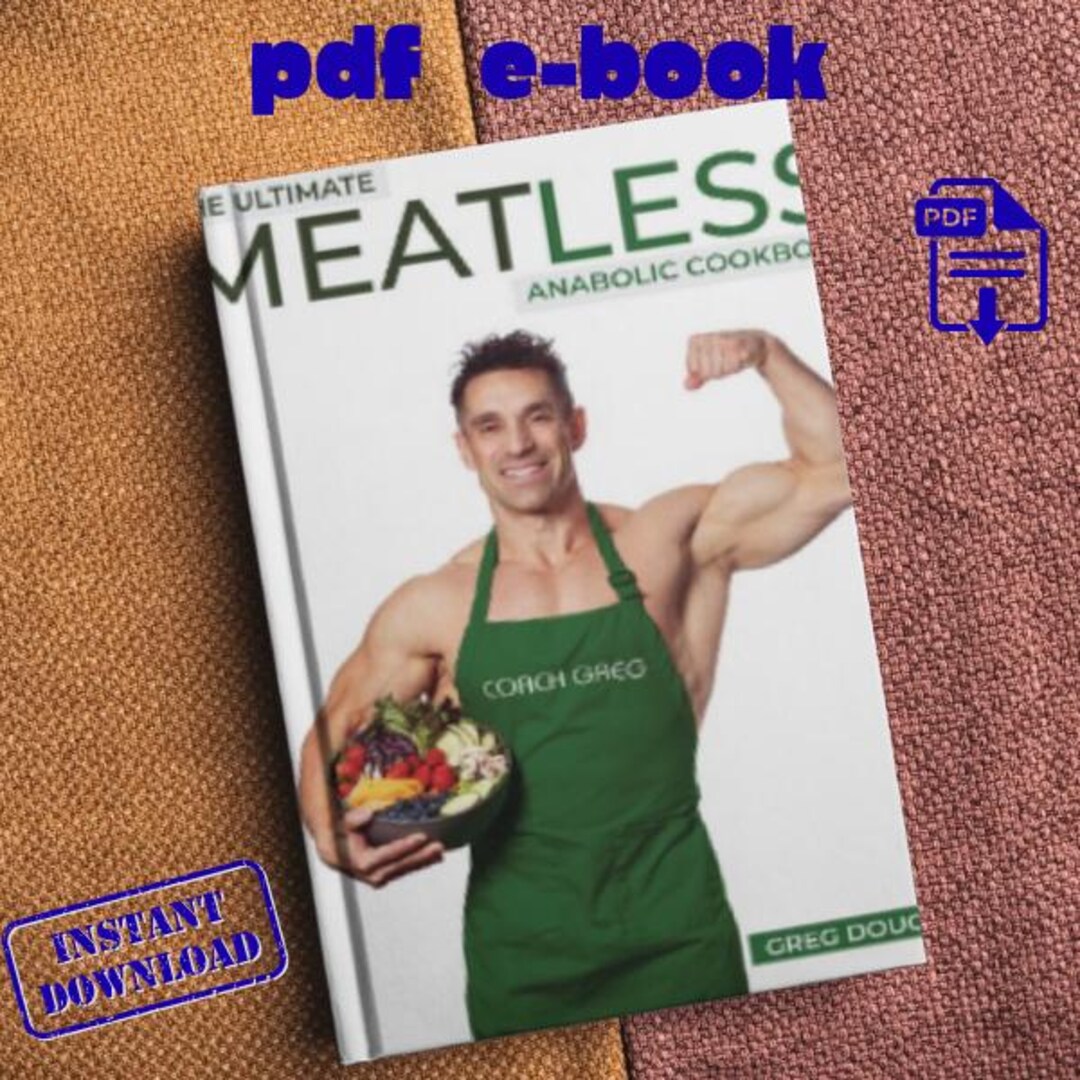
An anabolic cooking cookbook is a specialized culinary guide designed to deliver high-protein, calorie-controlled meals that promote muscle hypertrophy (anabolism) while minimizing body fat storage. By using smart ingredient swaps, high-volume foods, and precise macronutrient breakdowns, these cookbooks help lifters and fitness enthusiasts adhere to demanding diet plans without sacrificing meal size or flavor.
1. Understanding Anabolic Cooking: Physiological Rationale and Core Principles
The term anabolic refers to metabolic processes that build complex molecules from simpler ones—specifically, the synthesis of muscle tissue from dietary amino acids. Traditional fitness nutrition often relies on repetitive, unseasoned meals such as plain boiled chicken breasts, dry brown rice, and steamed broccoli. While effective for hitting basic macronutrient targets, this approach frequently leads to dietary fatigue, poor long-term adherence, and eventual overeating.
An anabolic cooking cookbook bridges the gap between culinary enjoyment and strict sports nutrition. The primary objective is to maximize the muscle protein synthetic (MPS) response while optimizing satiety (the feeling of fullness). This is accomplished through three physiological and culinary pillars:
- High Protein Density: Every recipe prioritizes lean protein sources to ensure each meal delivers an adequate dose of essential amino acids, particularly leucine, which acts as the trigger for muscle protein synthesis. Research indexed by the National Institutes of Health indicates that consuming between 1.6 to 2.2 grams of protein per kilogram of body weight per day optimizes muscle recovery and retention during both caloric surplus and restriction phases.
- Volume Eating (Low Caloric Density): By utilizing foods rich in water and dietary fiber—such as egg whites, pumpkin puree, zucchini, berries, and air-popped grains—anabolic recipes physically stretch the stomach. This mechanoreceptor activation signals fullness to the brain via the vagus nerve, blunting hunger hormones like ghrelin during caloric deficits.
- Macronutrient Re-Engineering: Anabolic recipes reconfigure classic comfort foods (pancakes, pizzas, ice cream, burgers) by substituting energy-dense fats and refined sugars with protein powders, low-fat dairy, and artificial or natural non-nutritive sweeteners.
2. The Origins and Evolution of the Anabolic Cookbook Genre
The modern anabolic cookbook movement traces its roots back to the early digital publishing era of the fitness industry. Dave Ruel, a bodybuilder and strength coach, popularized the exact phrase with his publication Anabolic Cooking in the early 2010s. Ruel recognized that standard bodybuilding prep diets caused metabolic adaptation and mental burn-out largely due to restrictive eating patterns. His digital manual compiled over 200 high-protein recipes engineered to break the monotony of traditional contest prep diets.
Over the past decade, the genre has evolved significantly. The rise of social media platforms, exercise science channels, and fitness creators expanded the concept beyond simple bodybuilding manuals into a broad subculture of culinary fitness engineering. Modern anabolic cookbooks incorporate advanced food science techniques, such as hydrocolloid gelation (using xanthan or guar gum to create thick, low-calorie frostings and soft-serve desserts) and high-yield baking substitutes (utilizing oat flour, liquid egg whites, and Greek yogurt).
Today, an anabolic cooking cookbook serves diverse audiences:
- Competitive Bodybuilders: Who require extreme precision in macro tracking during contest preparation.
- Powerlifters and Strength Athletes: Needing high protein intake to repair tissue without accumulating unnecessary fat mass.
- General Fitness Enthusiasts: Seeking sustainable weight loss or body recomposition without feeling deprived of comfortable, satisfying foods.
3. Essential Ingredients and Culinary Mechanics
To successfully cook from an anabolic cookbook—or adapt standard recipes into anabolic versions—you must understand the functional role of key staple ingredients. Anabolic cooking relies heavily on specific food science principles where low-calorie, high-protein substitutes replace traditional baking and cooking bases.
| Standard Ingredient | Anabolic Cookbook Substitute |
|---|---|
| Whole Eggs (1 large: 70 kcal) | Liquid Egg Whites (3 tbsp: 25 kcal) |
| Heavy Cream / Sour Cream | Fat-Free Plain Greek Yogurt / Cottage |
| Ground Beef (80/20) | Extra Lean Ground Turkey (93/7 or 99/1) |
| All-Purpose Flour | Oat Flour + Whey/Casein Protein Powder |
| Sugar / Maple Syrup | Stevia / Sucralose / Walden Farms Syrup |
| Full-Fat Cheese | Fat-Free / Reduced-Fat Shredded Cheese |
High-Protein Binders and Dairy Bases
- Liquid Egg Whites: Liquid egg whites provide pure bioavailable protein without added dietary fat. In anabolic baking, egg whites add structural volume through aeration when whipped, creating fluffy textures in pancakes and French toast.
- Non-Fat Greek Yogurt and Cottage Cheese: These cultured dairy items act as cream bases for savory sauces (such as anabolic Alfredo or ranch dressings) and add moisture to baked goods. Cottage cheese, when blended smoothly, yields a high-protein curd base rich in slow-digesting casein protein.
- Protein Powder Formulations: Anabolic cookbooks distinguish between Whey Isolate and Micellar Casein. Whey isolate digests quickly and works well in smooth beverages or liquid batter, but it can dry out when baked. Casein absorbs significantly more liquid, making it ideal for baking puddings, anabolic mug cakes, and protein bars due to its thick, dough-like consistency.
Thickeners, Gums, and Volume Boosters
- Xanthan Gum and Guar Gum: These soluble fiber thickeners are fundamental to high-volume anabolic recipes, such as "anabolic ice cream" (fluffy blended frozen protein bowls). A tiny quantity (2–5 grams) traps air and emulsifies liquids, expanding a small protein shake into a high-volume bowl of soft-serve consistency.
- Powdered Peanut Butter (PB2 / PBfit): Produced by defatting roasted peanuts, these powders offer peanut flavor with roughly 85% less fat than traditional peanut butter, making them ideal for high-protein spreads and smoothies.
- Low-Calorie Fiber Additives: Insoluble bamboo fiber, oat fiber, and psyllium husk are used to bulk up baked goods without adding digestible carbohydrates or calories.
4. Categorizing Classic Anabolic Cookbook Recipes
Most comprehensive anabolic cookbooks categorize recipes by meal timing, convenience, and macronutrient focus. Below is a breakdown of how common culinary categories are structured in anabolic cooking.
- Anabolic Cookbook Structure
- Breakfast Engineering
- Anabolic French Toast (Egg Whites + White/Fiber Bread)
- Protein Pancakes (Oats + Egg Whites + Casein/Whey)
- Savory Entrées & Meal Prep
- High-Volume Chili (99% Lean Turkey + Black Beans + Tomato Puree)
- Anabolic Pizza (Greek Yogurt & Flour Dough + Low-Fat Mozzarella)
- Satiety Snacks & Desserts
- Anabolic Ice Cream (Ice + Xanthan Gum + Protein Powder + Strawberries)
- High-Protein Pudding Bowls (Micellar Casein + Almond Milk + Cocoa)
- Breakfast Engineering
1. Breakfast Engineering
- Anabolic French Toast: Made famous by modern fitness coaches, this dish uses thick slices of low-calorie white or fiber bread soaked in a mixture of liquid egg whites, cinnamon, vanilla extract, and non-nutritive sweetener. When cooked on a griddle, it delivers 40–50 grams of protein for under 400 calories.
- Protein Oat Pancakes: Blending rolled oats, cottage cheese, egg whites, and protein powder creates a nutritionally balanced batter high in complex carbohydrates and slow-release amino acids.
2. Savory Entrées and Dinner Strategies
- Anabolic Pizza: Traditional pizza crusts are dense in calories and low in protein. Anabolic versions use a crust made from Greek yogurt mixed with self-rising flour (or oat flour), topped with no-sugar-added tomato sauce, extra lean turkey pepperoni, and part-skim mozzarella.
- Ultra-Lean Turkey/Beef Skillets: Combining 93% or 99% lean ground meat with high-volume vegetables (peppers, onions, cauliflower rice) allows for massive plate volumes that fit strict cut macronutrients.
3. Desserts and Satiety Sweets
- Anabolic Soft-Serve / Ice Cream: A mixture of crushed ice, a small amount of frozen fruit, protein powder, splash of almond milk, and a quarter teaspoon of xanthan gum processed in a high-powered blender. The resulting matrix inflates into a large container of thick, dessert-like foam.
- Protein Mug Cakes: Quick microwave baked desserts combining casein protein, cocoa powder, baking powder, and unsweetened applesauce for structure.
5. Quantitative Comparison: Anabolic Cooking vs. Alternative Diets
To evaluate the practical efficacy of an anabolic cookbook approach, it is useful to compare its nutritional and practical characteristics against standard dieting frameworks.
| Diet / Preparation Framework | Average Protein per Meal | Caloric Density / Volume | Prep Time & Culinary Complexity | Dietary Adherence Rate (Long-Term) | Primary Target Audience |
|---|---|---|---|---|---|
| Traditional Bodybuilding (Chicken, Rice, Broccoli) | High (45–60g) | Low to Moderate | Very Low (Basic Batch Cooking) | Low to Moderate (Monotony Fatigue) | Contest Prep Bodybuilders |
| Anabolic Cooking Cookbook | High (40–60g) | High (Volume Focused) | Moderate (Requires Precise Weighing) | High (Satisfies Comfort Food Cravings) | Muscle Building & Fat Loss Lifters |
| Flexible Dieting / IIFYM (If It Fits Your Macros) | Variable (20–50g) | Variable (User Dependent) | Low to High | Moderate to High | General Fitness & Weight Management |
| Strict Ketogenic Diet | Low to Moderate (20–35g) | Very High (Fat Dense) | Moderate | Low to Moderate (Carbohydrate Restriction) | Neurological & Metabolic Health |
| Standard Western Diet | Low (15–25g) | High (Calorie Dense) | Low (Convenience Focused) | N/A (Non-Structured) | General Population |
6. Benefits, Drawbacks, and Nutritional Considerations
While anabolic cooking cookbooks offer powerful tools for body transformation, practitioners should evaluate both the advantages and potential drawbacks.
Key Benefits
- Superior Appetite Control: The combination of high protein and elevated physical volume prevents cognitive fatigue caused by persistent hunger during caloric deficits.
- Preservation of Lean Mass: Consistently hitting high protein targets protects lean muscle tissue from muscle protein breakdown (MPB) while losing weight.
- Psychological Sustainability: Transforming traditional "junk foods" into high-protein meals allows individuals to participate in enjoyable eating experiences without breaking their target energy balance.
Potential Drawbacks and Considerations
- Gastrointestinal Sensitivity: Heavy reliance on artificial sweeteners (sucralose, erythritol), sugar alcohols, and thickening agents (xanthan gum) can cause abdominal bloating, gas, or digestive discomfort in sensitive individuals.
- Micronutrient Gaps: Some hyper-focused anabolic recipes prioritize macros (protein, carbs, fats) to the exclusion of whole-food micronutrients. It is essential to ensure recipes incorporate greens, varied plant sources, and micronutrient-dense items.
- Essential Fatty Acid Deficiency: Because anabolic recipes frequently strip away dietary fats to minimize total calories, users must intentionally include sources of essential fatty acids (omega-3s from fish, nuts, seeds, or whole eggs) according to dietary guidelines provided by public health authorities like the USDA FoodData Central.
- Specialized Ingredient Costs: Ingredients like micellar casein, liquid egg white cartons, Walden Farms syrups, and powdered peanut butter cost significantly more per serving than basic whole food staples.
7. How to Implement Anabolic Cooking into a Training Program
Executing an anabolic cookbook regimen effectively requires a structured workflow, proper kitchen tooling, and calculated nutritional targets.
- Step 1: Calculate Macro Targets (TDEE, Protein/Carb/Fat Split)
- Step 2: Equip Kitchen (Digital Scale, High-Powered Blender, Non-Stick Pans)
- Step 3: Grocery & Pantry Stocking (Lean Proteins, Gums, Sweeteners)
- Step 4: Batch Prep Core Bases (Egg Whites, Grilled Lean Meats, Oats)
- Step 5: Daily Recipe Assembly, Tracking, & Digestibility Monitoring
Step 1: Calculate Energy and Macronutrient Requirements
Before picking recipes from an anabolic cookbook, establish baseline nutritional targets based on your goals:
- Fat Loss (Cut): Set calories 300–500 below Total Daily Energy Expenditure (TDEE), maintaining protein at 2.0–2.2g per kg of body weight. Focus heavily on high-volume anabolic recipes (anabolic ice cream, egg white French toast, leaf-vegetable skillets).
- Muscle Gain (Lean Bulk): Set calories 200–300 above TDEE, with protein at 1.6–2.0g per kg. Utilize denser anabolic recipes (oatmeal protein bowls, pancake stacks, lean beef dishes) to hit calorie targets without excessive fullness.
Step 2: Equip the Anabolic Kitchen
Standard kitchen tools are often inadequate for specialized anabolic recipes. Recommended tools include:
- Digital Food Scale: Precise weight measurement in grams is essential for accurate macro tracking.
- High-Powered Blender (1000W+): Necessary to crush ice finely enough for smooth anabolic ice cream textures without leaving ice chunks.
- Quality Non-Stick Ceramic Pans: Allows cooking egg whites and lean meats without adding uncounted calories from cooking oil or butter spray.
- Silicone Spatulas & Air Fryer: Spatulas ensure no protein batter is wasted, while air fryers allow crisping lean protein items without deep frying.
Step 3: Master Batch Cooking and Assembly
Instead of preparing complex single recipes three times a day, streamline the process:
- Pre-cook protein foundations: Grill extra lean ground beef or turkey in bulk; keep liquid egg whites stocked.
- Pre-portion dry ingredients: Measure out dry pancake or mug cake mix (oats, protein powder, sweetener, baking powder) into Tupperware containers for fast daily preparation.
- Assemble fresh on demand: Prepare high-volume items like soft-serve ice cream or fresh French toast right before consumption to maintain physical texture and freshness.
8. Frequently Asked Questions
Are anabolic cooking cookbooks effective for weight loss, or are they only for bulking?
Anabolic cooking cookbooks are effective for both goals. During weight loss, the high volume and protein density prevent hunger in a caloric deficit. For muscle building (bulking), recipes can be adjusted to include more energy-dense ingredients like oat flour, peanut butter, and fruit to easily meet elevated energy requirements.
How does anabolic cooking differ from general high-protein cooking?
General high-protein cooking focuses simply on reaching high protein counts, often using high-fat sources like full-fat cheese, ribeye steaks, or whole eggs. Anabolic cooking specifically engineers recipes to maximize protein while tightly managing caloric density, volume, and fat-to-carb ratios using culinary ingredient substitutions.
Can beginners with basic kitchen skills follow an anabolic cookbook?
Yes. Most anabolic cookbook recipes are straightforward and designed for quick preparation. The focus is on macro balance rather than advanced culinary techniques, relying heavily on basic baking, pan-frying, and high-speed blending.
What protein powder is best for anabolic baking?
A blended protein powder (whey and casein mix) or pure micellar casein works best for baking and puddings because casein absorbs liquids well and retains moisture. Pure whey isolate can dry out or become rubbery when exposed to high heat in baking.
Is it necessary to use artificial sweeteners and thickeners in anabolic recipes?
No, though they make achieving volume and sweet flavors without added calories much easier. If you prefer to avoid artificial additives, you can substitute natural non-nutritive sweeteners like stevia or monk fruit, and replace synthetic gums with natural thickeners like chia seeds, flaxseed meal, or gelatin.
9. Next Steps and Practical Recommendations
To build a sustainable anabolic meal plan:
- Identify Your Macro Targets: Calculate your precise daily protein, carbohydrate, and fat targets based on your current physical stats and training goal.
- Start with 2–3 Core Recipes: Master basic staples first—such as anabolic French toast for breakfast, a turkey/beef bowl for lunch, and a protein mug cake or ice cream for dessert.
- Monitor Digestive Response: Introduce artificial sweeteners and thickening gums gradually to assess your digestive tolerance.
- Prioritize Whole Food Variety: Balance engineered anabolic recipes with whole, unprocessed foods like fresh vegetables, wild-caught fish, nuts, and whole grains to maintain complete micronutrient nutrition.