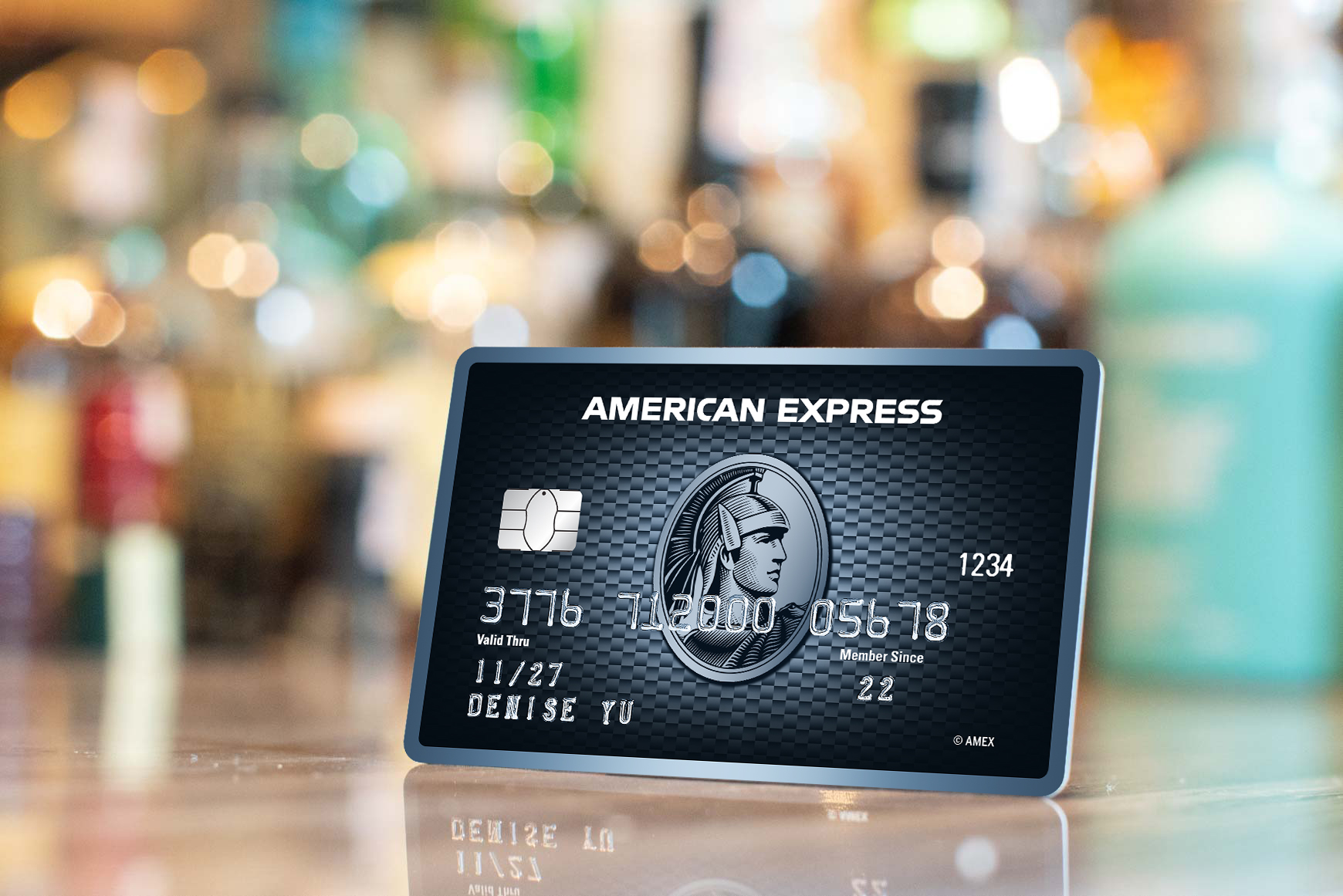
Navigating American Express credit card offers requires a strategic approach that balances welcome bonuses, ongoing rewards structures, annual fees, and specific cardholder eligibility rules. By understanding how to evaluate introductory incentives, lifetime language restrictions, and card tiers, applicants can significantly maximize their return on everyday spending and travel expenditures.
Understanding the Landscape of American Express Credit Cards
American Express, commonly known as Amex, issues a wide array of credit and charge cards tailored to different spending habits, financial goals, and credit profiles. Unlike traditional card issuers that primarily offer revolving credit lines, Amex provides both revolving credit cards (where balances can be carried over time, subject to interest) and charge cards (which typically require the balance to be paid in full each month).
When exploring Amex credit card offers, applicants generally encounter two main categories: personal cards and business cards. Within these categories, products are further segmented by rewards currencies—most notably Membership Rewards points—or co-branded partnerships with airlines and hotels such as Delta Air Lines, Marriott Bonvoy, and Hilton Worldwide.
The primary allure of these offers lies in the introductory welcome bonuses, which often award a substantial sum of points, miles, or statement credits after meeting a specific minimum spending requirement within an initial timeframe, typically three to six months from account opening. However, evaluating these offers goes far beyond the initial bonus. Potential cardholders must weigh the long-term utility of the card against its annual fee, evaluating whether ongoing category multipliers, travel credits, and purchase protections justify the cost of maintaining the account year after year.
Key Components of an Amex Welcome Offer
A standard American Express welcome offer consists of several distinct structural elements that dictate its overall value. Understanding these components helps applicants calculate the true return on investment before submitting an application.
Minimum Spending Requirement (MSR)
The minimum spending requirement is the threshold of eligible purchases a new cardholder must make within a specified timeframe—frequently three or six months—to trigger the welcome bonus. These purchases must be net of returns and refunds. Cash advances, balance transfers, and the purchase of cash equivalents (like gift cards or traveler's checks) generally do not count toward the MSR. Applicants should carefully review their natural monthly spending to ensure they can meet this threshold without altering their financial habits or overspending.
Bonus Structure and Currency
Offers typically award Membership Rewards points, airline miles, hotel points, or cash back. Membership Rewards points are generally considered the most flexible because they can be transferred to a wide variety of airline and hotel loyalty programs or redeemed for travel through the Amex Travel portal. Co-branded card offers award points or miles directly to the partner program, locking the user into that specific ecosystem.
Timeframe Limitations
The clock on the minimum spending requirement begins the moment the account is approved, not when the physical card arrives in the mail or is activated. Cardholders must track their spending window meticulously to avoid missing out on substantial introductory bonuses due to a misunderstanding of the timeline.
Eligibility Rules and the Once-in-a-Lifetime Restriction
Before applying for any American Express card, prospective cardholders must navigate a unique set of eligibility criteria and internal policies enforced by the issuer.
The Lifetime Language Rule
American Express enforces a well-known policy often referred to as the "lifetime language" restriction. According to official Amex terms and conditions, applicants may not be eligible to receive a welcome bonus if they have or have had that specific card product in the past. While the term "lifetime" is used colloquially, historical data and user experiences suggest that Amex typically evaluates this on a rolling historical basis—often seven years or indefinitely depending on internal metrics. Before completing an application, the terms and conditions page explicitly states whether the applicant is eligible for the bonus based on their history with that specific product.
Application Frequency Rules
Amex implements guidelines regarding how frequently individuals can be approved for new cards. Generally, individuals are limited to holding a maximum number of credit cards (usually five) at any given time, though charge cards do not always count toward this specific credit card limit. Additionally, Amex enforces a rule where an individual can typically be approved for a maximum of two credit cards within a rolling 90-day window.
The "Pop-Up" Warning
American Express utilizes a proprietary pre-approval and eligibility algorithm that screens applicants immediately before submission. If an applicant's profile—such as low card usage, high velocity of applications, or infrequent engagement with existing Amex accounts—triggers risk parameters, a notification window will appear. This "pop-up" informs the applicant that they are not eligible for the welcome bonus, allowing them to withdraw the application without a hard credit inquiry affecting their credit score.
| Card Category | Primary Focus | Typical Welcome Bonus Structure | Annual Fee Range | Best Suited For |
|---|---|---|---|---|
| Travel & Rewards | Flexible Points | High Membership Rewards points after MSR | Moderate to High ($95 - $695+) | Frequent travelers wanting transfer partner flexibility |
| Cash Back | Statement Credits | Cash back percentage or flat bonus | $0 to Moderate ($95) | Everyday spenders prioritizing simple statement credits |
| Co-Branded (Airline/Hotel) | Loyalty Miles/Points | Elevated miles/points for specific brands | $95 - $650+ | Loyalists dedicated to specific travel brands |
| Business Cards | Business Expenses | High point or cash bonuses for commercial spend | $0 - $595+ | Entrepreneurs and small business owners |
Evaluating Personal Versus Business Amex Offers
American Express offers a robust suite of business credit cards alongside its personal portfolio. Understanding the distinctions between these two segments is crucial for applicants seeking to maximize credit limits and rewards without complicating their financial management.
Business Card Criteria
To qualify for an Amex business card, an applicant does not necessarily need a formal corporation or LLC. Sole proprietorships—including freelance work, side hustles, consulting, and selling goods online—frequently qualify. Applicants can use their own Social Security Number and apply using their legal name as the business name if operating as a sole proprietor.
Impact on Personal Credit Reports
Personal credit cards regularly report balances, payment history, and credit utilization to the major consumer credit bureaus (Equifax, Experian, and TransUnion), directly impacting personal credit scores. Conversely, most American Express business cards do not report to personal credit bureaus unless the account falls severely delinquent or into default. This keeps the utilization ratio clean on personal credit reports, helping maintain a lower debt-to-income ratio profile for future mortgage or personal loan applications.
Maximizing Ongoing Value Beyond the Welcome Offer
While welcome bonuses attract initial interest, the long-term viability of an American Express card depends on its ongoing earning structure and ancillary benefits.
Category Multipliers
Different cards reward specific spending categories at elevated rates. For instance, certain premium cards emphasize dining and supermarkets, while travel-centric cards focus on flights booked directly with airlines or through travel portals. Cardholders should align their recurring monthly expenses—such as groceries, gas, transit, and online advertising for businesses—with the card that offers the highest multiplier for those specific merchant category codes (MCC).
Credits and Perks
Many mid-tier and premium Amex cards feature annual or monthly statement credits that offset the cost of the annual fee. These can include Uber cash, airline incidental fee credits, digital entertainment credits, CLEAR Plus membership credits, and global lounge access (such as Centurion Lounges and Priority Pass Select). To derive true value from these offers, cardholders must organically use these services rather than manufacturing spending to justify keeping the card.
Frequently Asked Questions
Can I get a welcome bonus if I already closed my Amex card?
Generally, no. Under the lifetime language rule, if you currently hold or have previously held the exact card product, you are typically ineligible for the welcome bonus on that same card. However, upgrading or downgrading existing cards does not always trigger this restriction in the same manner as a brand-new application.
What is the Amex "pop-up" message, and what should I do if I see it?
The pop-up message is a notification that appears during the application process indicating you are not eligible for the welcome bonus. If you see this message, you can choose to cancel the application without a hard credit check being performed. It often occurs if you have closed cards quickly, rarely use your existing Amex accounts, or have applied for too many cards recently.
Do American Express charge cards have a preset spending limit?
Amex charge cards do not have a traditional fixed credit limit like standard revolving credit cards. Instead, the purchasing capacity adjusts dynamically based on factors such as payment history, credit record, financial resources, and verified spending patterns. Cardholders can use the "Check Spending Power" tool in the mobile app or online portal to test whether a large purchase will be approved before swiping.
Are business card bonuses restricted by personal card history?
Historically, American Express treats personal and business card portfolios separately regarding welcome bonus eligibility. Holding a personal card does not automatically disqualify you from receiving the welcome bonus on a distinct business card product, provided you meet all other application criteria and do not violate the lifetime language rule for that specific business product.
Strategic Next Actions for Prospective Applicants
To successfully capitalize on American Express credit card offers, begin by auditing your current spending habits, upcoming major expenses, and credit score profile. Review your historical card portfolio to cross-reference past welcome bonuses against the lifetime language terms of potential new applications. Prioritize cards that match your lifestyle—whether that means accumulating flexible Membership Rewards points for international travel or securing cash back for everyday household expenses—and apply only when you are certain you can meet the minimum spending requirement organically.