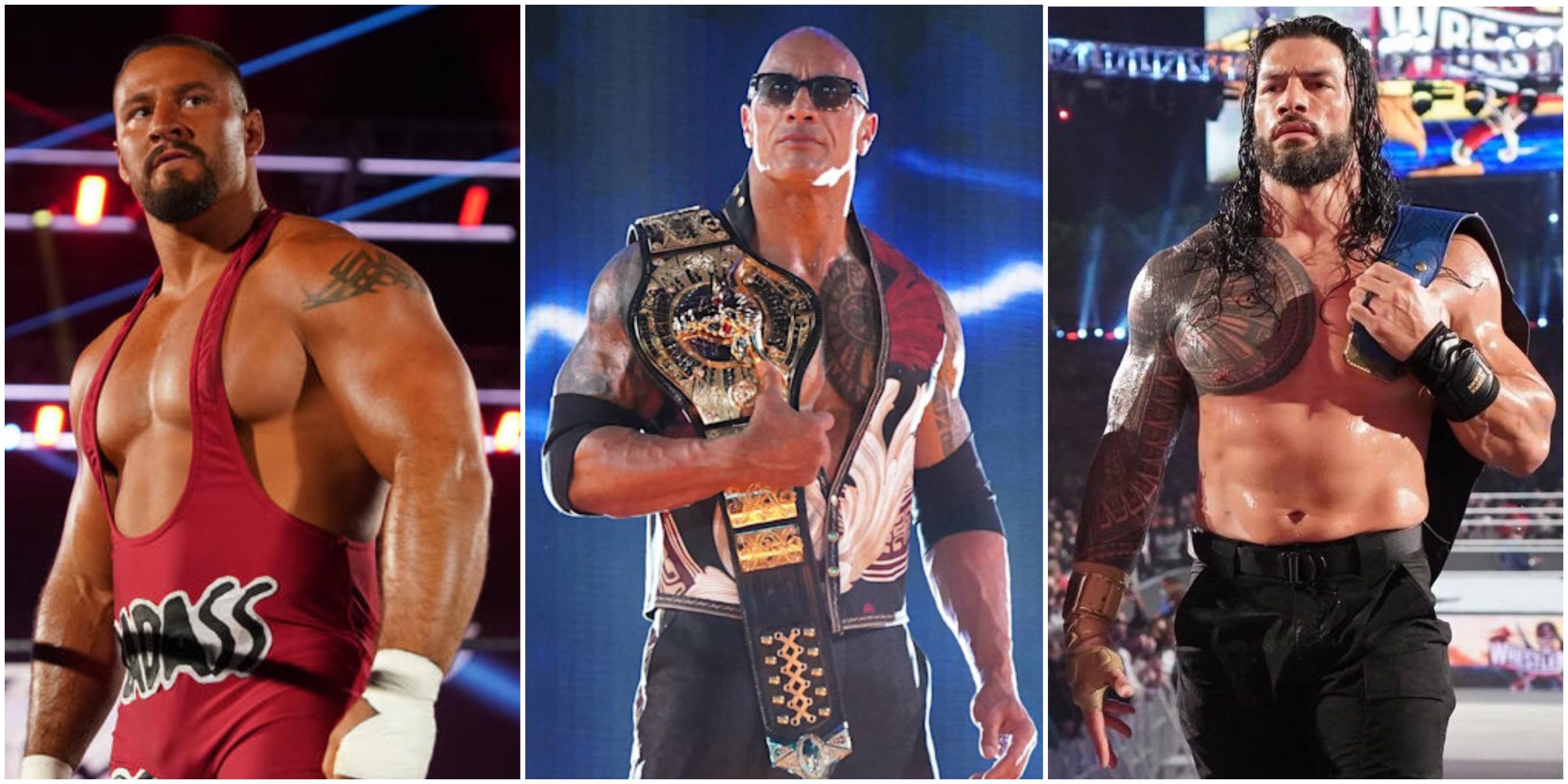
American wrestlers represent a diverse spectrum of athletes ranging from Olympic gold medalists in freestyle and Greco-Roman disciplines to world-renowned superstars in professional sports entertainment. In 2026, the landscape for these athletes is defined by a rigorous collegiate pipeline, specialized regional training centers (RTCs), and a multi-billion dollar professional industry. To understand American wrestlers, one must distinguish between the amateur ranks—rooted in the unique "folkstyle" tradition—and the professional circuit, where athleticism meets theatrical performance.
The Foundation of American Wrestling: The Scholastic Pipeline
The journey for most American wrestlers begins long before they reach an international or professional stage. Unlike many other nations that transition young athletes immediately into Olympic styles (Freestyle or Greco-Roman), the United States utilizes a unique system known as folkstyle (or scholastic) wrestling.
Youth and High School Development
Wrestling in the United States is deeply embedded in the educational system. Thousands of high schools across the country host wrestling programs, primarily during the winter sports season. The focus here is on control, mat wrestling, and "riding" an opponent—skills that differ significantly from the explosive "throws" favored in international styles. This foundation builds a specific type of grit and physical endurance that has become a hallmark of the American wrestling style.
The NCAA and Collegiate Prominence
The National Collegiate Athletic Association (NCAA) serves as the primary engine for developing elite American wrestlers. In 2026, collegiate wrestling remains one of the most grueling paths in amateur sports. Divisions I, II, and III offer platforms for athletes to compete, but Division I is the undisputed elite tier.
Collegiate wrestlers manage a delicate balance of academic responsibilities, extreme physical conditioning, and strict weight management. The NCAA Championships are often cited as one of the most difficult tournaments in the world to win, sometimes rivaling the intensity of the World Championships due to the depth of talent within the American system.
Distinguishing the Three Major Amateur Styles
While folkstyle is the bedrock of the American domestic scene, American wrestlers must adapt to international rules to compete on the global stage. Understanding these distinctions is crucial for anyone following the sport or looking to enter it.
1. Folkstyle (Scholastic/Collegiate)
This is the style practiced in U.S. schools and colleges. Its primary goal is to control the opponent. Points are awarded for takedowns, escapes, reversals, and "near-fall" points (tilting the opponent's back toward the mat). A unique feature is the "riding time" clock in some divisions, which rewards a wrestler for maintaining control on top.
2. Freestyle
Freestyle is the most popular international style and an Olympic staple. While it shares the takedown emphasis of folkstyle, it places much higher value on "exposure." If a wrestler turns their opponent's shoulders toward the mat, they score points immediately, even if they don't maintain control. In freestyle, the action is often "blown dead" and restarted on the feet if no immediate scoring happens on the mat, leading to a faster, more explosive pace.
3. Greco-Roman
Greco-Roman wrestling forbids any holds below the waist. This style focuses entirely on upper-body throws and leverage. While the United States has historically been a powerhouse in Freestyle, American Greco-Roman wrestlers have carved out a significant niche, often coming from heavy football or strength-training backgrounds.
The Transition to Professional Wrestling
For many American wrestlers, the end of a collegiate or Olympic career marks the beginning of a transition into professional wrestling (sports entertainment). This industry is dominated by major North American promotions such as WWE and All Elite Wrestling (AEW).
The "Pro" Skill Set
Professional American wrestlers must possess a hybrid of legitimate athletic ability and "mic skills"—the ability to perform a character and engage an audience verbally. In 2026, the industry has seen an influx of "pure" wrestlers (those with high-level amateur backgrounds) who bring a level of realism to the ring that was less common in previous decades.
Training for the Squared Circle
Aspiring professional wrestlers often attend specialized academies. These schools teach the "art of the fall" (flat-back bumps), ring psychology, and how to execute high-impact maneuvers safely. The transition from the mat to the ring requires unlearning certain competitive instincts—such as never showing weakness—in favor of "selling" an opponent's offense to tell a compelling story.
Comparative Overview: Amateur vs. Professional Career Paths
To better understand the requirements and outcomes for American wrestlers, the following table compares the two primary career trajectories available in 2026.
| Feature | Amateur (Olympic/Collegiate) | Professional (Sports Entertainment) |
|---|---|---|
| Primary Goal | Competitive victory and medals | Audience engagement and storytelling |
| Governing Body | USA Wrestling / NCAA / UWW | Independent Promotions (WWE, AEW, etc.) |
| Typical Start Age | 5–10 years old | 18–25 years old |
| Physical Focus | Explosive power and endurance | Aesthetics and high-impact stunts |
| Income Source | Scholarships, RTC stipends, Sponsors | Contracts, Merchandise, Appearance fees |
| End Game | Olympic Gold / NCAA Title | World Championship / Hall of Fame |
Key Organizations and Infrastructure
The success of American wrestlers is not accidental; it is supported by a robust organizational structure.
USA Wrestling
As the national governing body for the sport in the United States, USA Wrestling oversees the developmental programs that lead to the Olympic Games. They coordinate the National Team and manage the Regional Training Center (RTC) system.
Regional Training Centers (RTCs)
RTCs are a relatively modern innovation that changed the trajectory of American wrestling. By allowing post-collegiate athletes to train at university facilities with high-level coaching and sparring partners, the U.S. has managed to keep its best talent on the mat longer. Famous centers include the Nittany Lion Wrestling Club and the Ohio Regional Training Center.
The Independent Circuit
In the professional realm, the "indies" serve as the minor leagues. Organizations like Game Changer Wrestling (GCW) or Ring of Honor (ROH) allow wrestlers to hone their craft, build a following on social media, and eventually catch the eye of major scouts.
Physical and Mental Demands of the Sport
To be an American wrestler is to embrace a lifestyle of extreme discipline. The technical depth required for success involves several key areas of mastery.
Weight Management and Nutrition
Perhaps the most controversial and difficult aspect of wrestling is weight cutting. Athletes often compete in weight classes significantly below their "walking around" weight. In 2026, regulations have become much stricter to protect athlete health, focusing on hydration testing and body fat percentages. Professional wrestlers, conversely, often focus on "hypertrophy" (muscle growth) to maintain a larger-than-life physique suitable for television.
Tactical Technicality
Wrestling is often described as "physical chess." An elite American wrestler must understand:
- Hand Fighting: The battle for position and leverage before a shot is taken.
- Level Changes: Dropping the hips to attack an opponent’s legs.
- Finishing on the Mat: Converting a takedown into a pin or near-fall points.
- Escapes: The technical ability to get off the bottom, which is a hallmark of the American folkstyle system.
Challenges Facing American Wrestlers in 2026
Despite the sport's popularity, athletes face significant hurdles. For amateurs, the primary challenge is financial sustainability. Unlike professional stick-and-ball sports, amateur wrestling does not offer multi-million dollar contracts. Most Olympic-level wrestlers rely on stipends from USA Wrestling, sponsorships from brands like ASICS or Nike, and coaching roles.
For professional wrestlers, the challenge is physical longevity. The "bump" count—the number of times a wrestler hits the mat in a year—can lead to chronic injuries. Modern promotions in 2026 have implemented more rigorous concussion protocols and mandatory "off-seasons" for top talent to mitigate these risks.
FAQs: Understanding American Wrestlers
What is the main difference between American folkstyle and International freestyle?
The primary difference lies in the rules regarding mat control and exposure. Folkstyle rewards "riding" and controlling an opponent on the mat, often requiring the top wrestler to work for a pin while the bottom wrestler works to escape. Freestyle focuses more on "exposure"—turning an opponent's back to the mat for quick points—and features more frequent restarts in a standing position if the action stalls on the ground.
How do American wrestlers make money?
Amateur wrestlers typically earn money through NCAA scholarships (at the collegiate level), stipends from the Living Expenses Grant via USA Wrestling, and sponsorships. Many also run wrestling camps or coach at the club level. Professional wrestlers are independent contractors or salaried employees of promotions, earning money through base contracts, merchandise royalties, and ticket sale bonuses.
Is wrestling a good sport for children in the U.S.?
Yes, wrestling is widely regarded as one of the best sports for developing self-discipline, physical literacy, and mental toughness. Because competition is divided by weight class, it allows children of all sizes to compete on a level playing field. Most experts recommend starting with local "USA Wrestling" sanctioned clubs that focus on fun and basic body mechanics.
Why are American wrestlers so successful in the Olympics?
The success is largely attributed to the NCAA pipeline. The sheer volume of high-level competition at the collegiate level prepares American athletes for the pressure of international tournaments. Additionally, the U.S. has invested heavily in Regional Training Centers (RTCs), which allow elite athletes to train full-time with world-class partners after they graduate from college.
Can a freestyle wrestler become a pro wrestler?
Absolutely. Many of the greatest professional wrestlers in history, including Kurt Angle, Brock Lesnar, and Chad Gable, had extensive amateur backgrounds. Their legitimate wrestling skills provide a "base" of athleticism and credibility that helps them excel in the choreographed world of professional wrestling.
Summary of Next Actions for Aspiring Wrestlers
For those looking to join the ranks of American wrestlers, the path is clear but demanding. Beginners should first seek out a local club affiliated with USA Wrestling to learn the fundamentals of folkstyle. High school participation is the next critical step, as it provides the exposure necessary for college scouts.
For those leaning toward the professional side, maintaining a strong athletic background (either in amateur wrestling or another high-impact sport) is highly recommended before enrolling in a reputable professional wrestling academy. Regardless of the chosen path, success in this field requires a commitment to physical conditioning and a high tolerance for the rigors of combat sports.