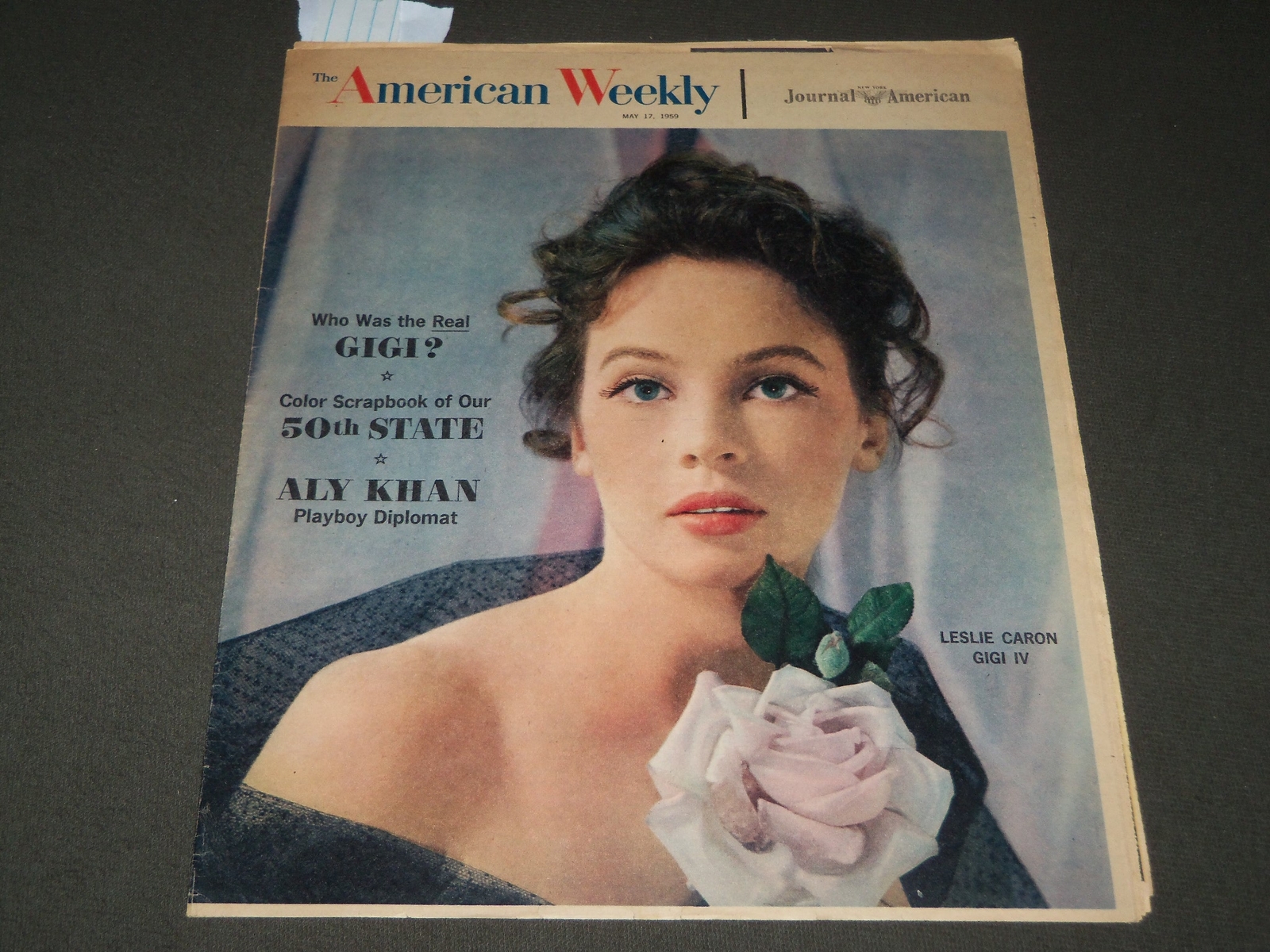
In 2026, American weekly magazines represent a specialized segment of the media landscape, focusing on high-frequency news, celebrity culture, and curated analysis. While many legacy titles have shifted to bi-weekly or monthly print schedules, a core group of influential publications maintains a weekly rhythm, providing readers with consistent, deep-dive reporting and entertainment in both physical and digital formats.
The Evolving Landscape of Weekly Periodicals
The concept of the "weekly" magazine has undergone a significant transformation leading into 2026. Historically, the weekly format was the primary vehicle for national news and cultural zeitgeist. Today, the "weekly" designation often refers to a brand's editorial cadence rather than just a physical product arriving in a mailbox.
For the modern reader, American weekly magazines serve three primary functions: rapid-response journalism, curated synthesis, and lifestyle escapism. As digital fatigue has increased, the physical weekly magazine has transitioned into a "premium" experience. Subscribers in 2026 often value the tactile nature of a magazine as a deliberate break from the constant stream of push notifications.
The survivors in the weekly space have successfully balanced high production costs with robust digital paywalls. Brands like The New Yorker and The Week have demonstrated that a weekly frequency is still viable if the content provides a unique perspective that cannot be found in a standard news feed.
Leading American Weekly Magazines by Category
To understand the current market, it is essential to categorize these publications by their primary editorial focus. In 2026, the market is divided into news and intellectual analysis, entertainment and celebrity news, and specialized business reporting.
News, Politics, and Intellectual Discourse
The New Yorker Often cited as the gold standard of American long-form journalism, The New Yorker continues its rigorous weekly schedule (typically publishing 47 times a year). Its mix of investigative reporting, political commentary, fiction, and poetry remains a cultural touchstone. In 2026, its digital integration allows subscribers to access a century of archives, making the weekly subscription a gateway to a massive intellectual library.
The Week The Week remains a critical tool for readers overwhelmed by information. It does not generate original reporting but instead curates the best commentary and news from US and international media. This "digest" model is perfectly suited for the weekly format, offering a comprehensive wrap-up of the previous seven days' events. It is particularly valued for its "Boring but Important" section and its balanced perspective on partisan issues.
Time While Time has adjusted its print frequency over the years, it maintains a weekly digital presence and specific special weekly editions. Its "Person of the Year" and "Time 100" franchises remain central to the American media calendar. In 2026, Time focuses heavily on "Time Video" and interactive digital covers, though its print edition remains a staple in waiting rooms and libraries across the country.
Celebrity, Lifestyle, and Entertainment
People People magazine remains the most successful weekly publication in the United States in terms of reach and revenue. Its ability to secure exclusive interviews and photos from the entertainment world keeps it at the top of the "checkout line" market. In 2026, People has integrated augmented reality (AR) features into its print pages, allowing readers to scan photos to see behind-the-scenes video content.
Us Weekly A direct competitor to People, Us Weekly focuses more heavily on fashion, "street style," and the faster-paced world of reality television stars. Its weekly cadence is essential for its "Who Wore It Best" and "Red Carpet" features, which require timely publication to remain relevant.
Business and Financial Weeklies
Barron's Published by Dow Jones & Company, Barron's is the premier weekly magazine for investors. Its Saturday arrival is a weekend ritual for financial professionals. The magazine provides in-depth analysis of the previous week's market movements and offers actionable advice for the week ahead. In 2026, Barron's is often bundled with The Wall Street Journal digital subscriptions.
Bloomberg Businessweek This publication provides a more global, analytical look at business, technology, and politics. Known for its bold cover designs and data-heavy reporting, Businessweek serves a corporate audience that requires more depth than daily news but more frequency than monthly trade journals.
Comparing Top American Weekly Magazines
The following table provides a comparison of the primary weekly publications available in 2026, including their focus, delivery frequency, and approximate annual subscription costs.
| Publication | Primary Focus | Frequency | Est. Annual Cost (2026) | Best For |
|---|---|---|---|---|
| The New Yorker | Literature/Politics | Weekly (47/yr) | $120 - $150 | Intellectual depth |
| The Week | News Digest | Weekly | $100 - $130 | Busy professionals |
| People | Celebrity/Human Interest | Weekly | $150 - $180 | Pop culture fans |
| Barron's | Finance/Investing | Weekly | $150 - $200 | Active investors |
| Us Weekly | Entertainment/Fashion | Weekly | $100 - $140 | Trend seekers |
| New York Magazine | City Life/Culture | Bi-Weekly/Weekly* | $60 - $80 | Urban enthusiasts |
*Note: Some publications like New York Magazine operate on a bi-weekly print schedule with weekly digital-only issues.
The Mechanics of Subscribing in 2026
Subscribing to a weekly magazine in 2026 involves choosing between various delivery tiers. Most publishers have moved away from "print-only" models, favoring a "digital-first" or "all-access" approach.
Digital-Only Subscriptions
This is the most cost-effective way to access weekly content. Subscribers typically receive access to a proprietary app, a website behind a paywall, and a curated weekly newsletter. The advantage is immediate access; news weeklies often push their digital edition on Thursday or Friday, even if the print copy doesn't arrive until Monday.
Print + Digital Bundles
For many, the appeal of a weekly magazine is the physical copy. In 2026, print subscriptions often come with "VIP" perks, such as ad-free digital reading or early access to live events and webinars hosted by the editorial staff.
Third-Party Aggregators
Services like Apple News+ and Amazon Newsstand allow readers to access dozens of weekly magazines for a single monthly fee (usually around $12.99 to $19.99 in 2026). While this is economical, it often lacks the "community" features of a direct subscription, such as commenting privileges or access to the full historical archives.
Technical Challenges and Delivery Logistics
Maintaining a weekly print schedule in 2026 is a logistical feat. Several factors influence how and when these magazines reach the consumer.
- Postal Realities: The United States Postal Service (USPS) has undergone multiple restructuring phases. Weekly magazines are typically sent via Periodical Class mail, which is designed for speed but remains subject to regional delays.
- Sustainability Mandates: By 2026, most American magazines are printed on 100% recycled paper using soy-based inks. Many have also eliminated plastic poly-wraps, moving to compostable paper mailers or "naked" mailing where the address is printed directly on the cover.
- Production Deadlines: For a news weekly to arrive by Saturday, the "close" (the time the last page is sent to the printer) usually happens on Wednesday evening or Thursday morning. This creates a unique editorial challenge: how to stay current in a 24-hour news cycle. Most weeklies solve this by focusing on why something happened rather than just what happened.
The Cultural Impact of the Weekly Format
Despite the rise of social media, American weekly magazines continue to set the national agenda. A cover story on The New Yorker or Time can still trigger a week-long conversation on talk shows and across digital platforms.
The weekly format forces a certain level of discipline on the editors. Unlike a website that can publish an infinite number of stories, a magazine has a limited number of pages. This scarcity means that every article has been vetted, edited, and fact-checked to a higher degree than most "instant" online content. For the reader, this provides a sense of authority and closure—the feeling that they have "finished" the week's news.
Trends to Watch in 2026
As we move through 2026, several trends are defining the future of American weekly magazines:
- Niche Expansion: We are seeing a rise in "micro-weeklies"—high-cost, low-circulation weekly magazines dedicated to very specific interests like sustainable architecture, AI ethics, or competitive e-sports.
- AI-Assisted Curation: While the main articles are written by humans, many weeklies now use AI to personalize the "Weekly Roundup" newsletters that accompany the subscription, ensuring readers don't miss stories relevant to their specific interests.
- Direct-to-Consumer (DTC) Partnerships: Magazines are increasingly partnering with brands to include "samples" or QR-code-driven shopping experiences within their weekly pages, creating a new revenue stream beyond traditional advertising.
Frequently Asked Questions
Which American weekly magazine is the most popular in 2026?
People magazine remains the most popular in terms of total circulation and brand recognition. Its broad appeal across different demographics and its strong presence in retail environments give it a significant edge over more niche or intellectual publications.
Can I still get magazines delivered to my home every week?
Yes, most major weeklies still offer home delivery. However, depending on your location and the specific publication, "weekly" delivery may sometimes be consolidated into a single envelope containing two issues, or delivery may be slightly offset by postal schedules. Direct digital delivery to tablets remains the most reliable "on-time" method.
Are there any weekly magazines that have gone digital-only by 2026?
Several former giants, including Entertainment Weekly and Newsweek, have transitioned to digital-first or digital-only models for their weekly output, occasionally printing "special commemorative issues" for major events. Time also leans heavily into its digital edition while maintaining a reduced print presence.
How do I cancel a weekly magazine subscription?
In 2026, California's "Easy Cancel" laws and similar federal regulations require most publishers to offer a one-click cancellation option online if you signed up online. Most magazines also provide a customer service portal where you can manage your "vacation holds" or switch from print to digital-only.
Is it cheaper to subscribe through a magazine's website or a third-party app?
Third-party apps like Apple News+ are generally cheaper if you want to read many different magazines. However, if you only care about one specific title, a direct subscription is often better. Direct subscribers usually get access to "member-only" content, archives, and physical copies that aggregators cannot provide.
Final Recommendation
For those looking to stay informed without the anxiety of the 24/7 news cycle, The Week remains the best overall choice for a weekly news magazine in 2026. Its curated model provides a sense of completion that is rare in the modern era. For those seeking cultural prestige and the highest level of writing, The New Yorker is the essential choice. If you are primarily interested in the financial markets, Barron's is an indispensable tool. Regardless of your choice, subscribing directly to the publisher's "All-Access" tier typically provides the most value, ensuring you have the physical magazine for leisure and digital access for timely updates.