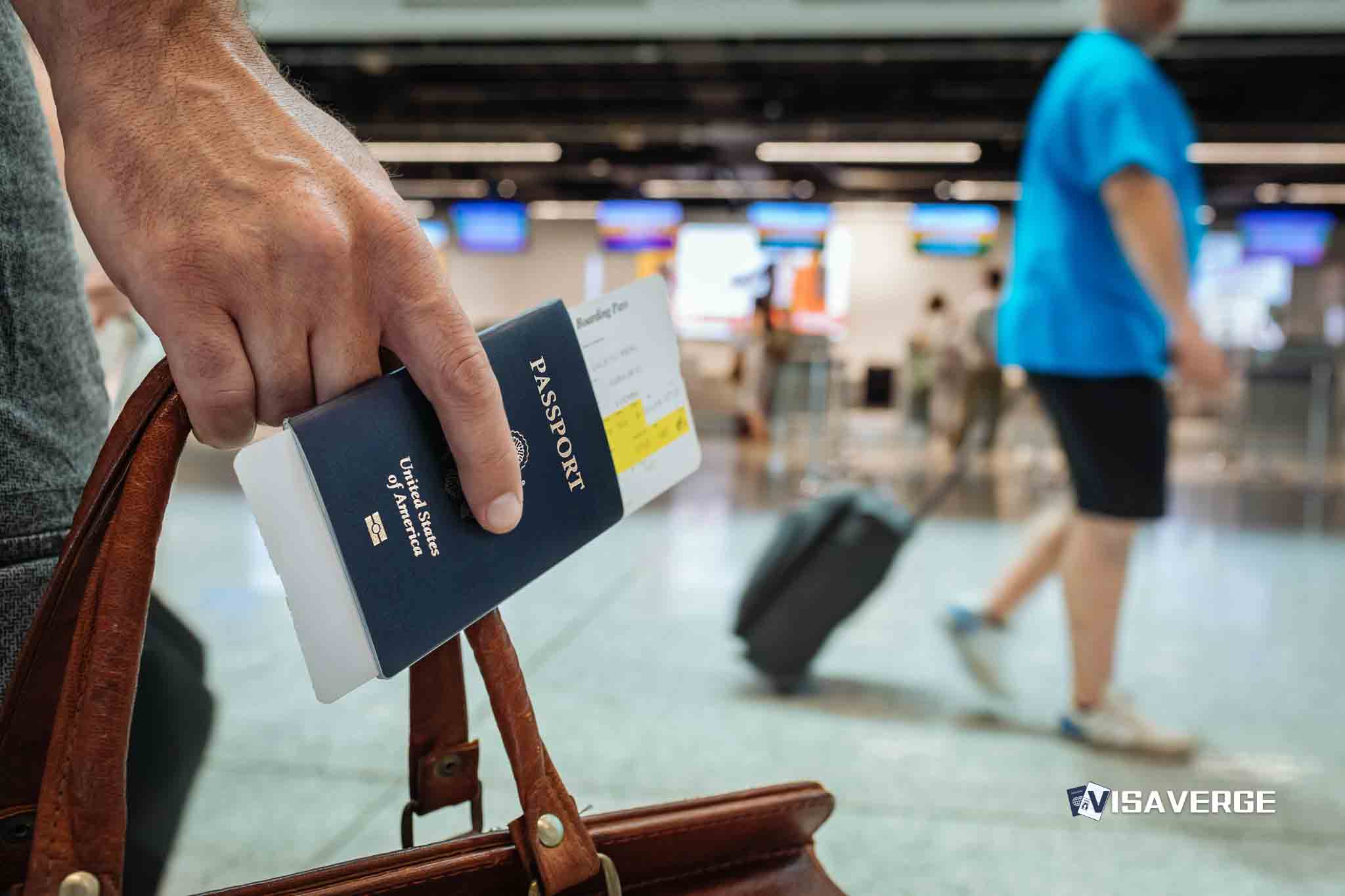
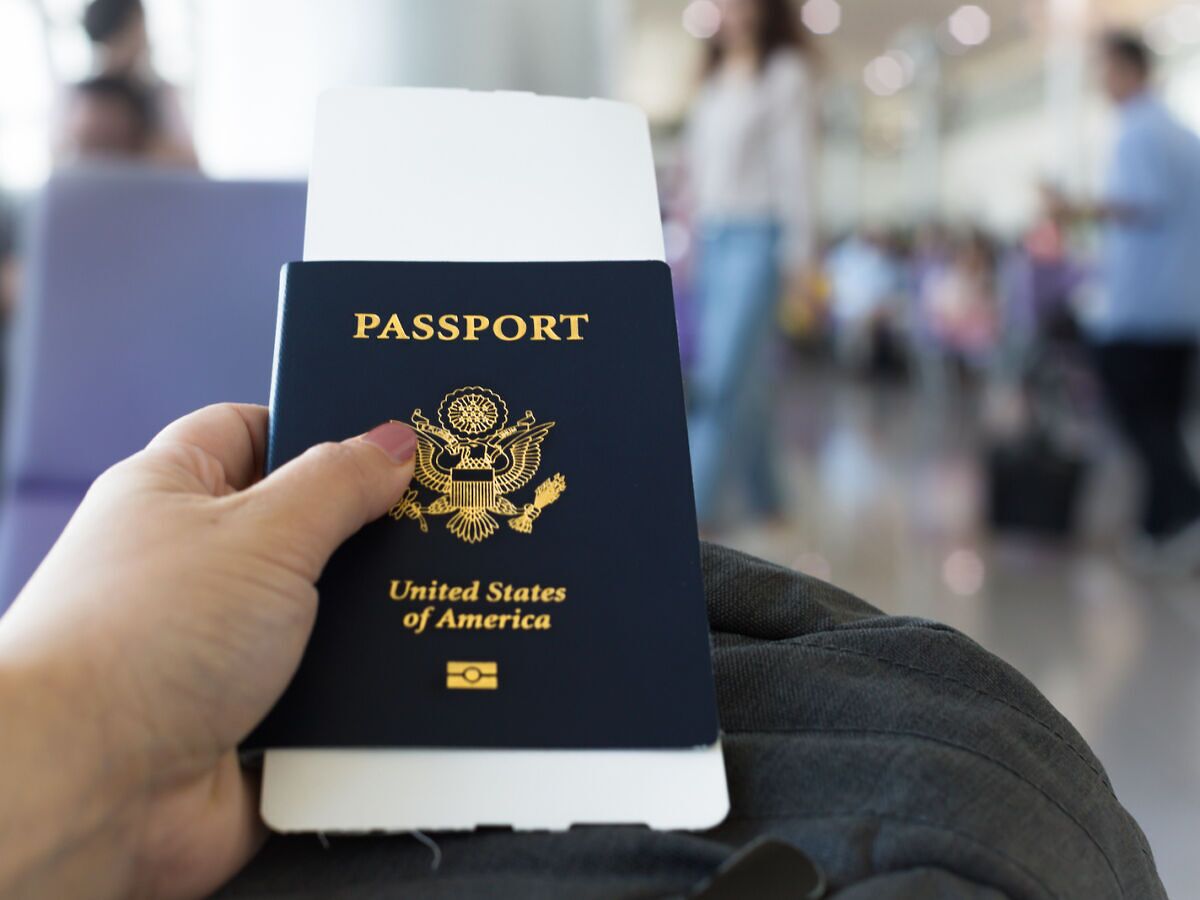
As of 2026, approximately 48% to 50% of United States citizens hold a valid U.S. passport, reflecting a steady increase in international mobility. These holders possess one of the world's most powerful travel documents, granting visa-free or visa-on-arrival access to over 180 destinations, provided they comply with new digital authorization requirements like ETIAS and REAL ID.
The Landscape of U.S. Passport Ownership in 2026
The demographic of Americans with passports has shifted significantly over the last two decades. In the early 2000s, fewer than 20% of Americans held a passport. By 2026, that number has stabilized at nearly half the population. This growth was driven by several factors, including the implementation of the Western Hemisphere Travel Initiative (WHTI), which required passports for travel to Canada, Mexico, and the Caribbean, as well as the 2025 REAL ID enforcement deadline that prompted many domestic travelers to secure a passport as a fail-safe identification method.
Holding a passport in 2026 is no longer viewed solely as a luxury for international jet-setters; it has become a fundamental component of a citizen's identity portfolio. The U.S. Department of State has modernized its issuance process to handle this high volume, transitioning almost entirely to the Next Generation Passport (NGP). These documents feature a polycarbonate data page, laser-engraved personal information, and enhanced security layers designed to thwart counterfeiting. For the American passport holder, this means a more durable document that is compatible with the increasingly automated border kiosks found in major global hubs.
The 2026 Online Renewal System: A Technical Standard
For many years, renewing a passport required paper forms, physical checks, and mail-in services. By 2026, the Online Passport Renewal (OPR) system is the primary method for eligible adults. This system was fully launched in late 2024 and has since become the standard for Americans with passports that are either expired or nearing their expiration date.
To use the online system, an applicant’s current passport must be in their possession, undamaged, and issued when the applicant was at least 16 years old. Furthermore, the passport must have been issued within the last 15 years. The technical advantage of this system is the integration of digital photo uploads. Applicants no longer need to visit a pharmacy or post office for a physical print; instead, they can use a digital file that meets specific federal requirements regarding lighting, background, and facial expression. The system utilizes automated facial recognition software to verify the photo against the existing database before the application is even submitted, significantly reducing the "rejection for poor photo" rates that plagued the old mail-in system.
New International Travel Requirements for US Citizens
While the U.S. passport remains a "blue-chip" document, the requirements for entering foreign territories have become more digitized. Americans with passports must now navigate two primary systems that did not exist or were not enforced in previous decades: ETIAS and REAL ID.
The ETIAS Requirement for Europe
Since its full implementation in 2025, the European Travel Information and Authorisation System (ETIAS) has become a mandatory prerequisite for Americans traveling to the Schengen Area. Unlike a traditional visa, ETIAS is an electronic travel authorization linked to the traveler’s passport. It is valid for three years or until the passport expires, whichever comes first. In 2026, travelers must ensure their ETIAS status is active before boarding a flight to Europe. The application is entirely online, costs €7 for adults (though free for those under 18 or over 70), and usually provides approval within minutes via email.
The Impact of REAL ID on Domestic Travel
Although the REAL ID Act was passed in 2005, its final enforcement deadline of May 7, 2025, changed how Americans view their passports. In 2026, a standard, non-compliant driver's license is no longer sufficient for boarding domestic flights. Many Americans opted to use their U.S. passport or passport card as their primary REAL ID-compliant identification. This has led to a surge in "passport card" ownership—a wallet-sized card that is valid for land and sea entry from Canada, Mexico, the Caribbean, and Bermuda, and serves as a federally accepted ID for domestic air travel.
Understanding Passport Validity and the Six-Month Rule
A common pitfall for Americans with passports is the "Six-Month Validity Rule." Even if a passport is technically not expired, many countries—including much of Europe, Asia, and the Middle East—will refuse entry if the document has less than six months of validity remaining from the date of departure.
Airlines are legally required to check this at the gate. If your passport expires in four months and you are flying to a country that enforces the six-month rule, you will be denied boarding. In 2026, the Department of State recommends that Americans begin the renewal process when they have approximately nine months of validity left. This buffer accounts for processing times and ensures that the traveler never falls foul of international entry requirements.
Cost and Service Comparisons for 2026
The cost of maintaining a passport is a significant consideration for American households. Fees are split between the application fee (paid to the Department of State) and the execution fee (paid to the acceptance facility, such as a post office).
| Service Type | Application Fee (Adult) | Execution Fee | Total Cost | Processing Time (Routine) |
|---|---|---|---|---|
| First-Time Passport Book | $130 | $35 | $165 | 6–8 Weeks |
| Passport Book Renewal | $130 | $0 | $130 | 6–8 Weeks |
| First-Time Passport Card | $30 | $35 | $65 | 6–8 Weeks |
| Passport Book & Card | $160 | $35 | $195 | 6–8 Weeks |
| Expedited Service | +$60 | N/A | Varies | 2–3 Weeks |
Note: Prices and times reflect 2026 standards and are subject to change based on federal budgetary adjustments.
The Distinction Between the Passport Book and Passport Card
Many Americans are confused about the difference between the traditional passport book and the passport card. The choice depends entirely on the individual's travel habits.
- The Passport Book: This is the only document valid for international air travel. If you are flying to London, Tokyo, or Rio de Janeiro, you must have the book. It contains the 28 pages (or 52 pages for the large book) where entry and exit stamps are placed.
- The Passport Card: This was designed for the "border community" lifestyle. It is valid only for land border crossings and sea ports of entry from Canada, Mexico, Bermuda, and the Caribbean. It is significantly cheaper than the book and fits in a wallet. It is an excellent secondary ID and is fully REAL ID compliant.
For the average American, the book is the safer investment, while the card serves as a convenient backup or a lower-cost option for those who only travel by car or cruise ship within North America.
Special Circumstances: Name Changes and Lost Documents
Maintaining the accuracy of a passport is a legal requirement. Americans with passports that no longer reflect their legal name—due to marriage, divorce, or a court-ordered change—must apply for a correction.
- Within one year of issuance: If the name change occurs within a year of the passport being issued, the correction is generally free of charge, though a new photo must be submitted.
- After one year: If the passport is older than a year, the applicant must pay the full renewal fee.
In cases of lost or stolen passports, the situation is more urgent. A lost passport must be reported immediately to the State Department via Form DS-64 to prevent identity theft. Once reported, the passport is permanently invalidated and cannot be used even if it is later found. Replacing a lost passport requires an in-person visit to an acceptance facility (using Form DS-11), as the online renewal system is not available for lost or stolen documents.
Trusted Traveler Programs for Passport Holders
To enhance the utility of their passport, many Americans enroll in Trusted Traveler Programs (TTP) managed by U.S. Customs and Border Protection (CBP). These programs are designed for pre-approved, low-risk travelers.
- Global Entry: This is the gold standard for international travelers. It allows participants to bypass traditional customs lines when returning to the U.S., using automated kiosks that read the passport and use facial biometrics. It usually includes TSA PreCheck, which streamlines domestic security.
- Mobile Passport Control (MPC): For those who do not travel frequently enough to justify the Global Entry fee, the MPC app is a free alternative. It allows U.S. citizens to submit their travel document and customs declaration information via their smartphone, often granting access to a shorter, dedicated processing lane at major airports.
Common Mistakes to Avoid
Even experienced travelers frequently make errors that can jeopardize their trips. One of the most common issues in 2026 is document damage. The Next Generation Passport is sturdy, but significant "wear and tear"—such as water damage, a torn cover, or unofficial markings—can lead to a passport being declared invalid by border officials.
Another mistake is failing to check the number of blank visa pages. Some countries require at least two entirely blank pages for entry stamps. If your passport is full, you cannot simply add pages (a service that was discontinued years ago). You must apply for a full renewal, regardless of how much time is left until expiration.
Frequently Asked Questions
Do I need a passport to fly between U.S. states in 2026?
No, you do not specifically need a passport for domestic flights, but you do need a REAL ID-compliant document. Since the May 2025 deadline, standard driver's licenses from some states may not be accepted. A U.S. passport or passport card is a valid REAL ID and will work for all domestic air travel.
Can I renew my passport online if it is already expired?
Yes, as long as the passport was issued within the last 15 years and was an adult passport (issued at age 16 or older). If the passport expired more than five years ago (meaning it was issued 15+ years ago), you must apply in person as if you were a first-time applicant.
How long does it take to get a passport in 2026?
Routine processing generally takes 6 to 8 weeks. Expedited service, which costs an additional $60, typically takes 2 to 3 weeks. These times do not include mailing times. For life-or-death emergencies, Americans can schedule an appointment at a regional passport agency for same-day or next-day service.
Does my child need a passport for a cruise?
It depends on the "Closed-Loop" rule. If a cruise begins and ends at the same U.S. port and stays within the Western Hemisphere, a birth certificate and government-issued ID may suffice for minors. However, if the ship experiences an emergency and you need to fly home from a foreign port, a passport book is required. Therefore, it is highly recommended that all cruisers carry a passport.
What is the ETIAS, and do I need it every time I go to Europe?
ETIAS is a mandatory travel authorization for Americans visiting the European Schengen Area. It is not a visa, but a security screening. Once approved, it is valid for three years for multiple entries, so you do not need to reapply for every trip unless your passport expires or your authorization is revoked.
Final Recommendation for American Travelers
If you are an American with a passport, or are currently seeking one, the most critical action you can take in 2026 is to audit your document's "Health." Check the expiration date against the six-month rule for your intended destination, ensure you have at least two blank pages, and verify that your ETIAS authorization is current if traveling to Europe. For those without a passport, securing one now provides a definitive form of REAL ID and opens the door to global travel in an era where digital barriers are becoming the new norm. Always use official government portals like travel.state.gov to avoid third-party processing scams and to ensure you are receiving the most current federal guidance.