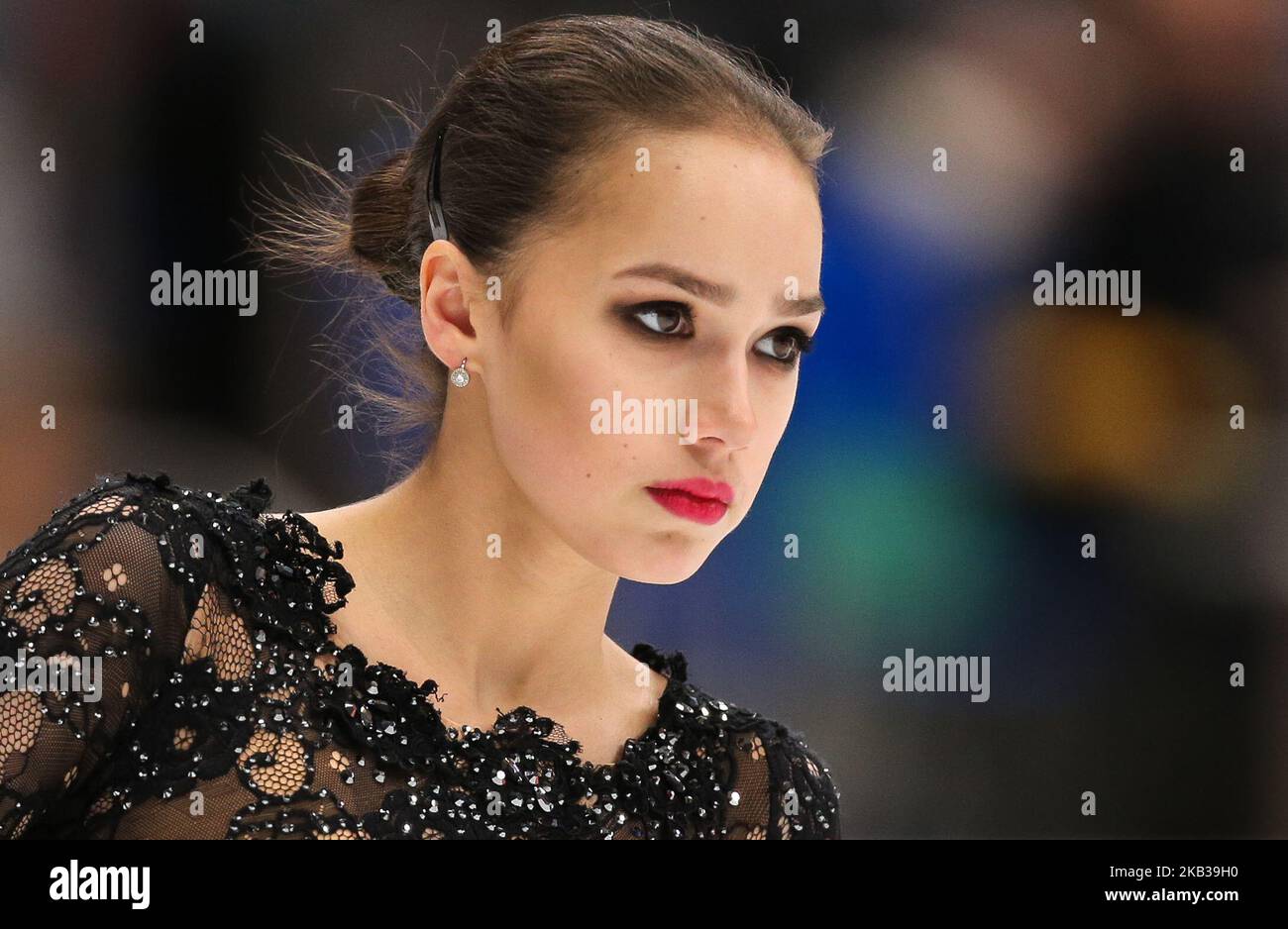
Alina Zagitova’s gala in Moscow represents the pinnacle of theatrical figure skating, blending Olympic-level technical skill with high-concept storytelling and cutting-edge production. These events, often staged at the Megasport Arena or CSKA Arena, showcase Zagitova’s evolution from a competitive champion into a visionary show producer and leading solo performer in the post-competition era.
The Evolution of Alina Zagitova’s Moscow Presence
Since her historic gold medal win at the 2018 Pyeongchang Winter Olympics, Alina Zagitova has remained a central figure in the Russian and international skating community. However, her role has shifted significantly from the rigid structure of ISU (International Skating Union) competitions to the creative freedom of the ice gala. In 2026, her Moscow performances are no longer just "appearances"; they are full-scale productions that bridge the gap between traditional sport and modern theater.
Moscow serves as the primary hub for these spectacles due to its world-class infrastructure and a fan base that views figure skating with the same reverence as the ballet. For Zagitova, performing in Moscow is a homecoming and a statement of her continued dominance in the entertainment sector of the sport. Her galas often serve as the seasonal "main event," drawing thousands of spectators who wish to see the "Red Ballerina" perform her signature triples and high-speed spins in a more artistic, less pressured environment.
Primary Venues for the Zagitova Gala in Moscow
When planning to attend or follow an Alina Zagitova gala in Moscow, the venue plays a crucial role in the experience. The city utilizes several top-tier arenas, each offering different acoustics, sightlines, and technical capabilities for ice shows.
| Venue Name | Location | Capacity (Skating) | Notable Features |
|---|---|---|---|
| Megasport Arena | Khodynka Field | ~12,000 | The premier venue for major ice shows; excellent overhead rigging for aerial acts. |
| CSKA Arena | Avtozavodskaya | ~11,000 | Modern facility with a compact bowl design, ensuring great views even from upper tiers. |
| Luzhniki Small Sports Arena | Khamovniki | ~8,700 | A historic venue often used for more intimate, narrative-driven ice theater productions. |
| VTB Arena | Petrovsky Park | ~10,000 | Features a unique hybrid setup with high-end VIP amenities and digital screens. |
Megasport Arena: The Heart of Moscow Skating
The Megasport Arena remains the most frequent host for Zagitova’s major galas. For a producer, this venue offers the best logistical support for large-scale sets. The arena is equipped with specialized ice-level lighting and a high-fidelity sound system essential for the immersive experience Zagitova’s shows aim to provide. In 2026, technological upgrades to the arena’s LED floor projection systems have allowed her team to integrate digital scenery directly onto the ice surface, syncing with her movements.
"Keepers of Time" and the Shift to Production
A significant turning point in Zagitova’s career was the launch of her own show, "Keepers of Time" (Khraniteli Vremeni). While the show debuted in Kazan, its Moscow residency transformed it into a national phenomenon. This gala format differs from the standard "Champions on Ice" tours organized by Team Tutberidze.
In "Keepers of Time," Zagitova takes on the dual role of lead skater and creative director. The show explores themes of cultural heritage, the passage of time, and the history of the Tatar people, reflecting her own roots. In Moscow, this production utilizes a larger cast, including acrobats, singers, and secondary skaters, making it more of a "cirque" on ice than a traditional skating exhibition.
Narrative and Choreography
The choreography in her Moscow galas has moved away from the point-scoring focus of the IJS (International Judging System). Instead of maximizing rotations at the expense of flow, the 2026 programs focus on sustained edges, dramatic pauses, and complex arm movements that tell a story. Zagitova frequently collaborates with top-tier choreographers like Daniil Gleikhengauz to ensure the programs maintain a high technical standard while prioritizing the visual narrative.
Technical Specifications of the 2026 Moscow Gala
For those interested in the "behind-the-scenes" aspects of a Zagitova gala, the technical requirements are immense. These are not simple exhibitions with standard overhead lighting.
Lighting and Projection Mapping
Modern galas in Moscow utilize 4D projection mapping. This technology allows the ice to transform into a roaring ocean, a field of flowers, or a futuristic cityscape in real-time. Zagitova’s team uses "BlackTrax" or similar infrared tracking systems to follow her position on the ice, ensuring that the light effects and projections stay perfectly aligned with her skates as she moves at high speeds.
Sound Engineering
Sound design for the Moscow gala is handled by specialists who account for the unique acoustics of a concrete-and-steel arena. In 2026, many shows utilize "spatial audio" setups, where the music seems to move with the performer. For Zagitova, who often performs to powerful, cinematic scores, this creates an emotional resonance that is often lost in smaller or less equipped venues.
Costume Design
Zagitova’s costumes for her Moscow galas are masterpieces of athletic couture. They must be light enough for jumps (double and triple Axels or Lutzes) but durable enough to withstand high-speed friction and potential falls. Many of her outfits incorporate LED fibers or reflective materials that interact with the show's lighting rig, making her appear to glow during solo sequences.
Guest Performers and Collaborations
While Zagitova is the undisputed star, her Moscow galas are known for their star-studded rosters. She often shares the ice with other legends of the sport.
- Team Tutberidze Members: It is common to see current competitive stars like Anna Shcherbakova or Kamila Valieva appear as special guests, performing their short or free programs between Zagitova’s narrative segments.
- Acrobatic Skaters: To add variety, many galas include "ice circus" acts, such as aerial silk performers who hang from the rafters of the Megasport Arena while skaters perform below.
- Live Musicians: In 2026, a popular trend for Moscow galas is the inclusion of a live symphony orchestra or a high-profile pop singer who performs the soundtrack live while Zagitova skates.
Logistics: Tickets, Seating, and Attendance
Attending an Alina Zagitova gala in Moscow requires advanced planning, as these events frequently sell out within days of the announcement.
How to Purchase Tickets
Tickets are typically sold through major Russian portals such as Kassir.ru or Yandex Afisha. Prices vary significantly based on the proximity to the ice.
- VIP Ice-Side Seats: These are the most expensive, often placing the spectator within five feet of the skaters. They include access to a private lounge and sometimes a "meet and greet" or photo opportunity after the show.
- Lower Bowl (Grandstand): These seats offer the best overall view of the patterns created on the ice and the projection mapping.
- Upper Tiers: These are the most budget-friendly options. While you lose some detail in the skater's facial expressions, the upper tiers provide the best perspective for the lighting shows and large-group choreographies.
Entry Requirements and Security
As of 2026, security at major Moscow venues remains strict. Attendees should arrive at least 60 to 90 minutes before the scheduled start time to pass through metal detectors and ticket verification. Most arenas have a "no-large-bag" policy, and professional camera equipment is usually restricted unless the attendee has press credentials.
Comparing Zagitova’s Gala to Competitive Events
It is important for fans to manage expectations regarding the difference between a gala and a competition.
Technical Difficulty: In a gala, skaters rarely perform the quad jumps that define modern women’s skating competitions. The risk of injury is too high for a show environment. Instead, you will see clean triple jumps, artistic spins, and "hydroblading" moves that are beautiful but not highly rewarded in a competitive setting.
Judging vs. Entertainment: There are no judges or scores. The success of a gala is measured by the audience's reaction and the cohesiveness of the artistic vision. This allows Zagitova to experiment with props—such as fans, swords, or capes—that would be illegal in an ISU-sanctioned competition.
Duration: A competitive segment for a single skater lasts about 4 minutes. A Zagitova gala is a full 2-hour production with an intermission, featuring multiple costume changes and varying musical styles.
The Role of Moscow in Global Figure Skating Culture
Moscow’s ability to host such high-caliber galas cements its status as a world capital of figure skating. Even as international competitive landscapes shift, the internal market for ice shows in Russia has expanded. Zagitova’s galas are a key part of this economy, providing employment for hundreds of retired skaters, technicians, and artists.
For the international fan, these shows represent a unique cultural export. While Zagitova may not be traveling as extensively internationally as she did during her competitive years, the "Moscow Gala" has become a destination event, with fans traveling from across Asia and Europe to witness the spectacle in person.
Frequently Asked Questions
Is Alina Zagitova still performing triple jumps in her 2026 galas?
Yes, Alina Zagitova maintains a high level of physical fitness and continues to perform triple jumps, such as the Triple Lutz and Triple Flip, in her shows. While she may not perform the difficult combinations required for Olympic gold (like the Lutz-Loop), her solo triples remain a highlight of her gala performances.
How can I watch the Moscow gala if I cannot attend in person?
Major Russian broadcasters, such as Channel One (Perviy Kanal), frequently record and broadcast Zagitova’s galas. These are often available on their official websites or YouTube channels shortly after the live performance. Some events are also offered as high-definition pay-per-view streams for international audiences.
What is the best time of year to see a Zagitova gala in Moscow?
The most prominent galas usually occur during two windows: the New Year/Christmas season (late December to mid-January) and the "Champions Tour" window in the spring (April and May). Occasional special anniversary shows or solo productions may occur in late summer or autumn.
Are children’s tickets available for these shows?
Most venues in Moscow offer discounted tickets for children under a certain age (usually 6 or 12). However, given the loud music and strobe lighting, it is recommended to check the specific age rating for each show, as some narrative productions may have themes better suited for older children and adults.
Will Alina Zagitova perform her "Black Swan" or "Carmen" programs?
While Zagitova occasionally performs "remix" versions of her most famous competitive programs for nostalgia, her galas in 2026 primarily focus on new, original choreography designed specifically for the show’s theme. Fans can expect small nods to her past programs, but the bulk of the content is fresh.
Summary of Recommendations for Attendees
If you are planning to attend the Alina Zagitova gala in Moscow, prioritize your experience by selecting seats in the lower bowl for the best balance of proximity and perspective. Ensure you monitor official social media channels for "Master Class" announcements that sometimes happen in the days surrounding the gala. Finally, allow ample time for travel to the arena, as Moscow traffic can be unpredictable, and missing the opening number of a Zagitova production is missing one of the most technically impressive parts of the show.