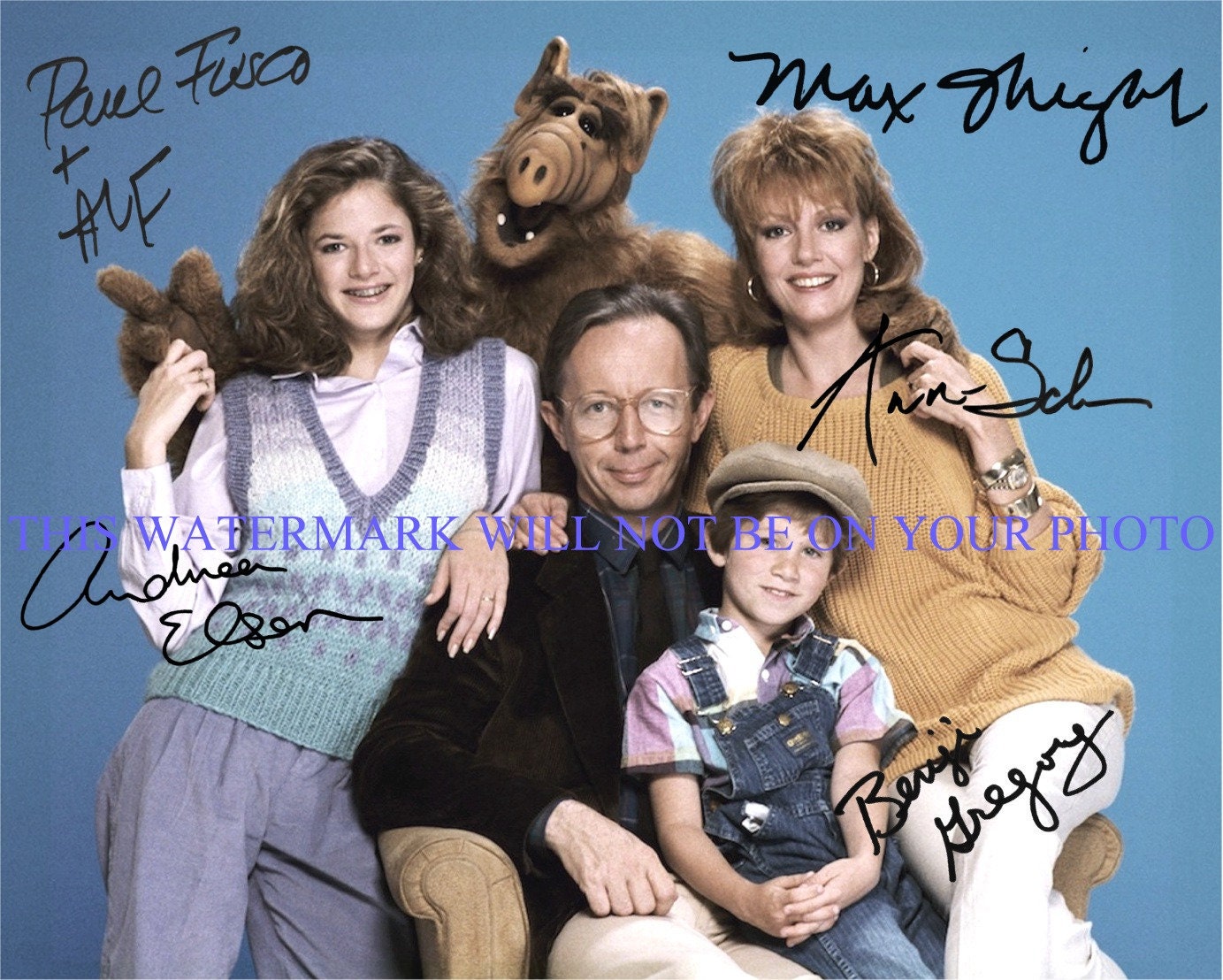
As of 2026, a traditional full-length scripted remake of ALF remains in a state of strategic development, primarily defined by the "Maximum Moments" shorts and legacy distribution through Shout! Studios. While a 2018 Warner Bros. revival was cancelled, current production focuses on short-form content and brand integration, bridging the gap between 1980s nostalgia and modern streaming requirements.
The Evolution of ALF Rights and Production Ownership
The journey to bring Gordon Shumway—the Alien Life Form from the planet Melmac—back to television has been a complex exercise in intellectual property (IP) management. For a production overview of any remake, it is essential to understand the shift in ownership that occurred in the early 2020s, which fundamentally changed how a potential series is being developed today.
Historically, the rights to ALF were held by its creators, Paul Fusco and Tom Patchett, through Alien Productions. However, in 2022, Shout! Factory (now Shout! Studios) acquired the distribution rights to the ALF library, including the original live-action series, the animated series, and the television movie Project: ALF. This acquisition was the catalyst for the current production environment.
In 2023, a major production milestone was reached when Ryan Reynolds' Maximum Effort partnered with Shout! Studios. Rather than immediately greenlighting a multimillion-dollar 22-episode season, the production team opted for "Maximum Moments." These are branded segments featuring the original puppet and Paul Fusco’s voice, integrated into the "Maximum Effort Channel." This strategy serves as a "soft launch," testing audience engagement levels and the character's viability in the 2026 media landscape before committing to a high-budget episodic remake.
The 2018 Warner Bros. Attempt: A Case Study in Production Failure
To understand the current production guidelines for an ALF remake, one must look at the aborted Warner Bros. Television project of 2018. The production overview of that era highlights the difficulties inherent in reviving a "man-in-a-suit/puppet" sitcom.
The 2018 project was designed to be a direct reboot where ALF would emerge from Area 51 and observe how the world had changed since the late 80s. The production stalled for several key reasons:
- Lack of a Creative "Home": At the time, streaming platforms were looking for high-concept dramas or "prestige" comedies. A puppet-based sitcom was viewed as a high-risk investment with a niche ROI.
- Tone Discrepancy: Reports suggested the writers struggled to balance the cynical, sometimes abrasive humor of the original character with the more sensitive standards of modern family programming.
- Production Costs: Creating a realistic, expressive puppet that interacts seamlessly with human actors is more expensive than standard multi-cam sitcom production.
The failure of the 2018 attempt dictated the 2026 approach: a focus on lower-risk, high-impact short-form content that builds toward a feature-length or limited-series goal.
Technical Production Challenges: Practical Puppetry vs. CGI
A primary concern in any ALF production overview is the technical execution of the character. The original 1986–1990 series was a marvel of practical effects but was notoriously difficult to film.
The "Trench" Set Design
The original production utilized a set built on a raised platform four feet off the ground. This allowed Paul Fusco and his team of puppeteers to operate the ALF puppet from below, moving through "trenches" hidden by the floorboards.
- Pros: Authentic movement, physical presence for human actors to react to, and a tactile quality that CGI often lacks.
- Cons: Extremely slow filming pace. A single scene often required hours of reset time. The safety risks of the open trenches led to numerous accidents for the human cast.
The 2026 Hybrid Approach
For the modern "Maximum Moments" and any prospective remake in 2026, the production methodology has shifted toward a hybrid model.
- Practical Animatronics: The core of the character remains a physical puppet to preserve the "soul" of the performance.
- Digital Augmentation (CGI): Modern production uses digital "wire removal" and facial enhancement. Instead of relying solely on the puppeteer's hand for mouth movements, digital layers can enhance micro-expressions, making ALF look more "alive" without losing his puppet aesthetic.
- Green Screen Integration: Unlike the 80s, where ALF was largely confined to the Tanner household, 2026 production technology allows the puppet to be filmed in a controlled environment and digitally composited into complex exterior locations, significantly reducing the need for expensive trench-built sets.
Comparative Production Overview: 1986 vs. 2026
The following table outlines the material differences in production requirements between the original run and the current remake initiatives.
| Feature | Original Series (1986-1990) | Modern Remake Initiative (2026) |
|---|---|---|
| Primary Format | Multi-cam Sitcom (Network TV) | Short-form/Hybrid (Streaming/FAST) |
| Puppetry Tech | Hand-operated with cable assists | Animatronic/Puppet Hybrid |
| Set Construction | Permanent "Trench" sets | Virtual Production/Modular sets |
| Voice Performance | Live on-set (Paul Fusco) | Voice-over with digital sync |
| Post-Production | Minimal (Standard editing) | Extensive (Digital cleanup/VFX) |
| Cast Dynamic | Nuclear Family (The Tanners) | Diverse/Modern social structures |
| Distribution | NBC (Linear) | Maximum Effort / Shout! / Streaming |
Creative Direction: Writing for a Modern Gordon Shumway
The most significant hurdle in the production overview of an ALF remake is the script. Gordon Shumway is a character defined by 1980s sarcasm, consumption (famously wanting to eat the family cat, Lucky), and a semi-nihilistic view of human culture.
Updating the Humor
In 2026, the "fish out of water" trope must be handled with more nuance. The original show dealt with the Cold War and the excesses of the 80s. A remake production must address:
- The Surveillance State: How would an alien hide in a world of smartphones and Ring cameras?
- Social Media: ALF’s desire for attention would naturally lead him to platforms like TikTok, creating a meta-commentary on influencer culture.
- Ecological Concerns: ALF’s home planet, Melmac, was destroyed by nuclear war (or "plugging in too many hair dryers"). This backstory resonates more strongly with 2026 audiences concerned about climate change and global stability.
The Human Element
A remake requires a "foil"—the human family that harbors the alien. In current production discussions, there is a move away from the traditional "Tanner" model toward a more varied cast. Production notes suggest that the "straight man" role (originally played by Max Wright) is the hardest to cast, as it requires an actor who can perform with high intensity against a piece of fur and foam while maintaining comedic timing.
Production Requirements and Financial Considerations
If a studio moves forward with a full-scale ALF remake in late 2026, the budget requirements would be substantial.
Estimated Costs
- Pilot Production: $4M – $6M (includes the creation of new high-fidelity puppets and digital assets).
- Per-Episode Cost: $2.5M – $3.5M. The high cost is driven by the slow "setup-to-shot" ratio inherent in puppet-based production.
- Licensing and Royalties: Because Shout! Studios and Alien Productions share stakes, the "back-end" of the production is more complex than a standard studio-owned property.
Operational Limitations
Production is limited by the stamina of the puppeteers. Operating a puppet above one's head for 10–12 hours a day is physically grueling. Modern production schedules for ALF content typically cap filming at 6–8 hours of "puppet-up" time, necessitating longer shooting schedules than traditional live-action comedies.
Troubleshooting Common Remake Pitfalls
Producers and technical editors looking at the ALF remake project identify several common mistakes that have plagued other 80s revivals:
- Over-CGI-ing the Character: If ALF becomes a purely digital character (like the 2011 Smurfs or early Sonic the Hedgehog), he loses the charm that made him a cultural icon.
- Losing the "Edge": ALF was often rude and socially inappropriate. Softening him for "modern audiences" risks alienating the core Gen X/Millennial demographic that drives the nostalgia market.
- Ignoring the Lore: While the show was a sitcom, it had a surprisingly dark ending (ALF being captured by the Alien Task Force). A remake must decide whether to honor that history or reboot the timeline entirely.
FAQ
Is there a new ALF series currently airing in 2026?
No, there is not a full-length episodic series currently airing. Production is focused on "Maximum Moments" shorts and specials on the Maximum Effort and Shout! TV channels. These serve as a "proof of concept" for a potential larger revival.
Who is the voice of ALF in the remake?
Paul Fusco, the co-creator and original voice/puppeteer of ALF, has continued to provide the voice for all 2023–2026 content. His participation is considered essential for the brand’s authenticity.
Why was the Warner Bros. ALF remake cancelled?
The project was cancelled in 2018 because it failed to secure a network or streaming home. At the time, the high production costs of puppetry did not align with the market’s interest in either low-budget sitcoms or high-budget "prestige" dramas.
Can I watch the original ALF on streaming?
Yes, Shout! Studios has made the entire original series, the animated series, and the Project: ALF movie available on various FAST (Free Ad-supported Streaming TV) platforms and their own Shout! TV app as of 2026.
Will the new ALF still try to eat cats?
In the current "Maximum Moments" and brand segments, the "cat-eating" jokes are handled as a legacy reference. While it remains a part of his Melmacian heritage, modern production standards for family-friendly content generally treat it as a running gag rather than a central plot point.
Practical Recommendation for Fans and Industry Observers
For those tracking the production of an ALF remake, the best course of action is to monitor the Maximum Effort Channel and Shout! Studios press releases. The success of the current short-form content is the primary metric that will determine if a full-scale series receives the green light for 2027 or 2028. If you are a creator or investor, focus on the "hybrid production" model—utilizing practical puppets with digital cleanup—as this has proven to be the most cost-effective and fan-accepted method for reviving puppet-based IP in the current decade.