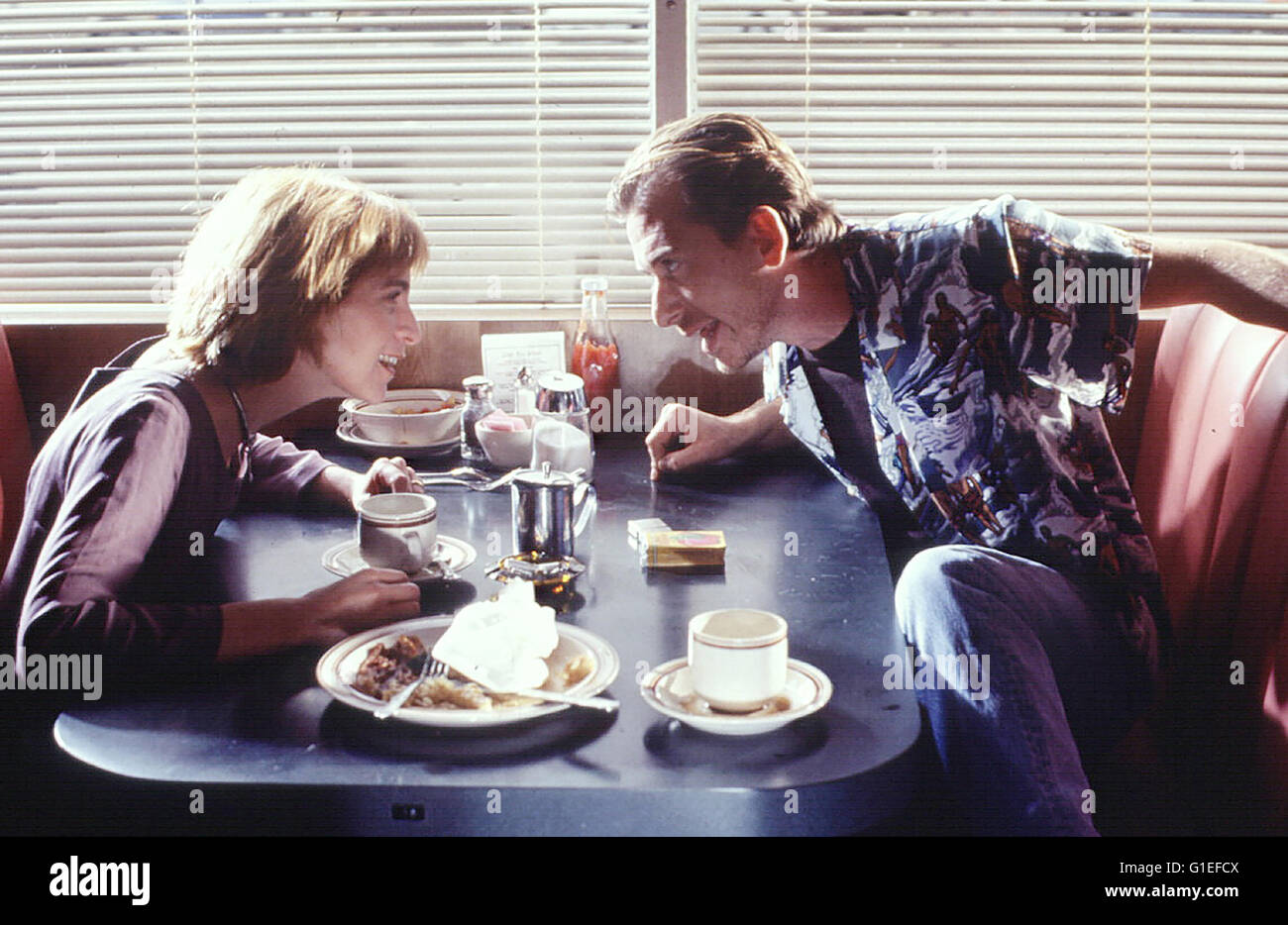
In Quentin Tarantino's 1994 masterpiece Pulp Fiction, Alexis Arquette delivers a brief but pivotal performance as "The Fourth Man." Hiding in the bathroom during the apartment confrontation, Arquette’s character bursts out to fire a "hand cannon" at Jules and Vincent, an act that sparks the film's central "divine intervention" debate.
The 1990s was a decade defined by cinematic reinvention, and few films represent that shift more than Pulp Fiction. While the film is celebrated for the powerhouse performances of John Travolta, Samuel L. Jackson, and Uma Thurman, its lasting cult status is built upon the meticulous casting of its supporting characters. Among these, the appearance of Alexis Arquette remains one of the most discussed and analyzed cameos in independent film history.
As of 2026, over thirty years since the film’s release, Arquette's role continues to serve as a fascinating case study in how a few seconds of screen time can alter the entire trajectory of a plot and a character's spiritual journey.
The Context: The Apartment Scene and the "Fourth Man"
To understand the significance of Alexis Arquette’s cameo, one must look at the structural importance of the "Big Kahuna Burger" scene. This sequence introduces us to the hitmen Jules Winnfield and Vincent Vega as they execute a job for their boss, Marsellus Wallace. They are tasked with retrieving a mysterious briefcase from a group of young associates who have strayed from Wallace’s good graces.
The tension in the room is palpable. Jules is in the middle of his iconic "Ezekiel 25:17" monologue, having already eliminated Brett and Roger. Just as the scene reaches its climax and the audience assumes the danger has passed, the bathroom door swings open.
The Burst of Gunfire
Alexis Arquette’s character—unnamed in the dialogue but credited as "Fourth Man"—leaps from the bathroom wielding a massive .357 Magnum (frequently referred to in the script and by Jules as a "hand cannon"). The character screams "Die, die, die, die!" and empties the entire cylinder at Jules and Vincent from point-blank range.
In any other crime film, this would be the end of the protagonists. However, in Tarantino’s universe, every shot misses. The "Fourth Man" is promptly gunned down by Jules and Vincent in a reflexive return of fire. Arquette’s performance, though lasting less than a minute, is high-energy, frantic, and essential to the "miracle" that follows.
The Significance of the Arquette Family Connection
The casting of Alexis Arquette was not a random occurrence. In the early 1990s, the Arquette family was becoming a powerhouse in Hollywood. Pulp Fiction actually features two Arquette siblings:
- Rosanna Arquette: Played Jody, the heavily pierced wife of the drug dealer Lance.
- Alexis Arquette: Played the "Fourth Man" in the apartment.
Quentin Tarantino has a long-standing reputation for casting "cliques" or groups of actors who share personal or professional histories. By including both Rosanna and Alexis, Tarantino tapped into the burgeoning indie-cool energy that the Arquette family represented at the time. Alexis, who was 24 during filming, brought a manic intensity to the role that made the shooter seem genuinely desperate rather than a professional threat.
The "Miracle" Debate: Divine Intervention vs. Coincidence
The most significant impact of Alexis Arquette’s cameo occurs after her character is killed. Once the adrenaline fades, Jules and Vincent inspect the wall behind them. They find a cluster of bullet holes exactly where they had been standing, yet neither man has a scratch.
This leads to the film's most famous philosophical divergence:
- Jules’s Perspective: He views the missed shots as "divine intervention." He believes God came down and stopped the bullets. This event leads him to the decision to "walk the earth" and retire from his life of crime.
- Vincent’s Perspective: He views it as a "freak occurrence" or a stroke of luck. To Vincent, it is a statistical anomaly that carries no spiritual weight.
Arquette’s character is the catalyst for this entire subplot. Without that failed assassination attempt, Jules would never have had his epiphany at the diner, and the film’s moral resolution would have been entirely different. In this way, the "Fourth Man" is one of the most influential characters in the movie, despite having no lines of dialogue other than a death cry.
Technical Details: The "Hand Cannon" and Scene Continuity
Film enthusiasts and technical analysts often point to this specific scene when discussing Tarantino’s attention to detail—and his occasional intentional "errors."
| Feature | Specification / Detail |
|---|---|
| Weapon Used | Smith & Wesson Model 629 (often identified as a .357 or .44 Magnum) |
| Ammunition | 6 Rounds fired |
| Actor Credited | Alexis Arquette |
| Scene Location | Brett's Apartment (The "Big Kahuna" Scene) |
| Impact on Plot | Catalyst for Jules Winnfield’s spiritual awakening |
| Controversy | Pre-existing bullet holes on the wall (Continuity Error) |
The Continuity Mystery
One of the most enduring debates regarding Arquette’s scene is the presence of bullet holes on the wall before she actually fires. If you look closely at the wall behind Jules and Vincent as they are talking to Brett, the holes are already visible in several shots.
Critics have debated for decades whether this was a simple continuity error or a deliberate stylistic choice by Tarantino to suggest that the outcome was "pre-ordained." Regardless of the intent, Arquette’s role is inextricably linked to this piece of cinematic trivia.
Alexis Arquette’s Legacy and the 1990s Indie Scene
Alexis Arquette was a pioneer in many ways. While her role in Pulp Fiction was brief, she was a visible and vibrant figure in the 1990s independent film scene. As a transgender woman (who transitioned later in her career), her presence in such a massive cultural touchstone as Pulp Fiction is often revisited by modern audiences.
Arquette’s career spanned a wide range of roles, from the Boy George-inspired character in The Wedding Singer to dramatic roles in Last Exit to Brooklyn. Her death in 2016 was a significant loss to the entertainment community, but her "hand cannon" scene remains her most recognizable contribution to the "Tarantino-verse."
Why the Cameo Feels "Unexpected"
Many viewers watching Pulp Fiction for the first time don't immediately recognize Arquette, primarily because the character is unkempt, frantic, and on screen for a very limited time. Additionally, because the Arquette family had so many famous faces (including David and Patricia), viewers are often looking for the more prominent family members and miss Alexis’s high-impact contribution until a second or third viewing.
Common Misconceptions About the Character
Despite the scene's popularity, there are several common misconceptions that persist in film forums and fan discussions as of 2026:
- The Character's Gender: In 1994, Alexis was presenting as male, and the character is referred to as "The Fourth Man" in the script. While Alexis later became a prominent trans icon, the character in the film is technically a male associate of Brett’s.
- The Shooter’s Identity: Some viewers confuse the shooter with Marvin (the man Vincent later accidentally shoots in the face). Marvin was already in the room with Jules and Vincent; Arquette’s character was the one "hiding in the bathroom with a hand cannon."
- The Fate of the Character: There is no ambiguity regarding the shooter's fate. Both Jules and Vincent fire multiple rounds back at the bathroom door, killing the character instantly.
The Lasting Influence of the Apartment Scene
As we look back from 2026, the apartment scene is frequently cited in film schools as a masterclass in building tension and releasing it through absurdity. The "unexpected" nature of Arquette’s cameo serves a specific rhythmic purpose in the film. It breaks the slow-burn dialogue of the "Big Kahuna Burger" interrogation with a sudden, violent, and ultimately "miraculous" burst of action.
This cameo reinforces one of Tarantino's core themes: that in the world of crime, the most dangerous element isn't always the "cool" professional—it’s the panicked, unpredictable amateur hiding in the bathroom.
Frequently Asked Questions
Who exactly did Alexis Arquette play in Pulp Fiction?
Alexis Arquette played the unnamed "Fourth Man" (often called the bathroom shooter) who was hiding while Jules and Vincent interrogated Brett. She is the character who fires several shots at the protagonists and misses every single one before being killed.
Is Alexis Arquette related to Rosanna Arquette from the same movie?
Yes, Alexis and Rosanna were siblings. Rosanna Arquette played Jody, the wife of the drug dealer Lance (played by Eric Stoltz). Their brothers Richmond, David, and sister Patricia are also well-known actors, making the Arquettes one of the most prominent acting dynasties of that era.
Why did the shooter miss all the shots at Jules and Vincent?
Within the context of the movie, the "miss" is the subject of intense debate. Jules believes it was a miracle performed by God to show him he needed to change his life. Vincent believes it was simply bad luck on the shooter's part and a lucky break for them. Technically, the shooter was panicked and firing a very high-recoil weapon, which likely contributed to the poor aim.
What kind of gun did Alexis Arquette's character use?
The script describes it as a "hand cannon." On screen, it is a Smith & Wesson Model 629, a large-frame revolver. The sheer size of the gun makes the fact that she missed from only a few feet away even more statistically improbable, reinforcing Jules's "miracle" theory.
Was Alexis Arquette’s character supposed to be a woman?
In the film, the character is presented as a man and is credited as "Fourth Man." Alexis Arquette transitioned later in her life and career. At the time of filming in 1993, she was playing a male role, which was consistent with her public identity at that specific point in time.
Where can I see more of Alexis Arquette’s work?
Beyond Pulp Fiction, Alexis Arquette is highly regarded for her roles in The Wedding Singer (as the character who sings "Do You Really Want to Hurt Me?"), Bride of Chucky, and the gritty drama Last Exit to Brooklyn. She was also a prominent figure in several documentaries about the transgender experience in Hollywood.
Practical Recommendation for Viewers
When re-watching Pulp Fiction, pay close attention to the transition between Jules finishing his monologue and the bathroom door opening. If you watch the wall behind Samuel L. Jackson before the first shot is fired, you can spot the famous "pre-existing" bullet holes. This detail, combined with Arquette's high-octane performance, transforms a simple action scene into one of the most analyzed moments in modern cinema history.