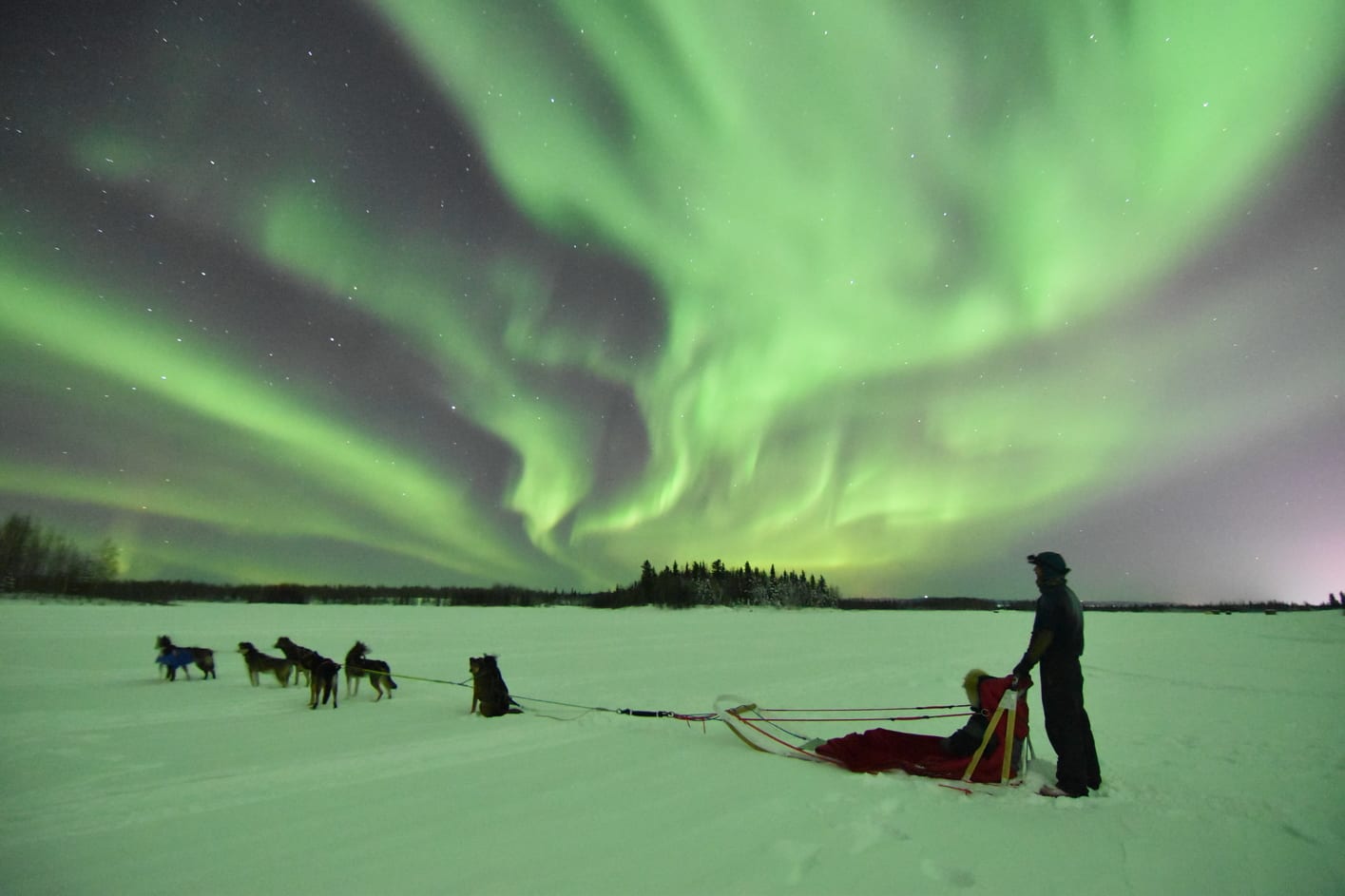
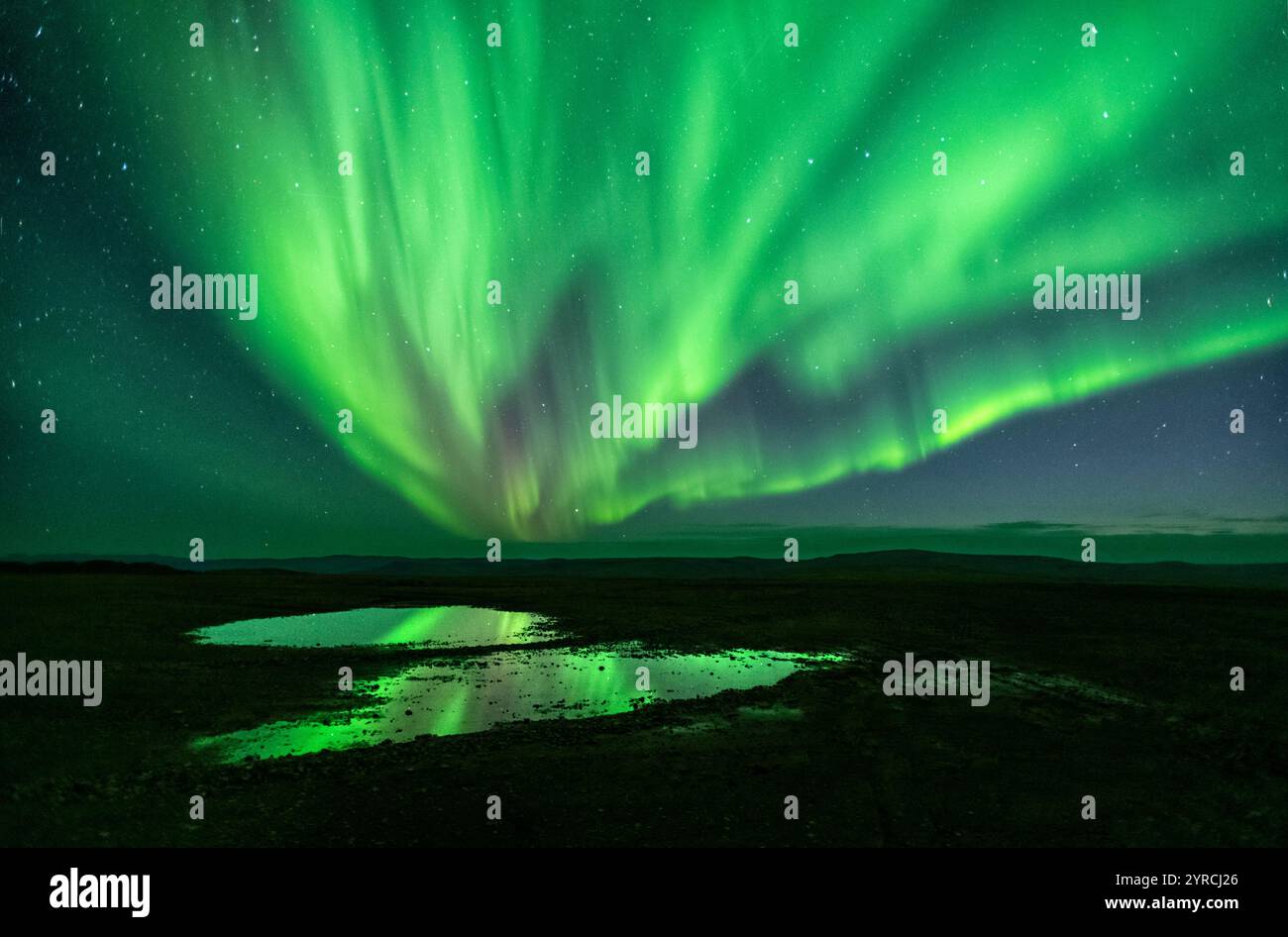
The Alaska aurora borealis season typically spans from late August through mid-April, when dark, clear skies provide the necessary contrast to witness the geomagnetic phenomenon. Success depends on high solar activity, minimal cloud cover, and sufficient darkness, making the months surrounding the equinoxes—September and March—statistically favorable for auroral displays in the subarctic.
Understanding the Science of the Aurora Borealis
The aurora borealis, or Northern Lights, is a natural light display in the Earth's sky, predominantly seen in high-latitude regions. It is caused by the collision of charged particles from the sun with atoms in the high-altitude atmosphere. When the solar wind—a stream of plasma ejected from the sun's corona—interacts with the Earth's magnetic field, these particles are funneled toward the magnetic poles. Upon entering the ionosphere, they collide with oxygen and nitrogen atoms, exciting them and causing them to emit light of varying colors, most commonly green, though pink, violet, and red displays occur during periods of intense geomagnetic storms.
For travelers in Alaska, the visibility of these lights is measured by the Kp-index, a scale from 0 to 9 that quantifies the strength of geomagnetic activity. While a low Kp-index may still yield visible displays in Alaska due to its high-latitude position, monitoring real-time data is essential for setting realistic expectations during your trip.
Defining the Alaska Aurora Borealis Season
The "season" is defined by the absence of civil twilight, which requires the sun to be significantly below the horizon. Because Alaska experiences near-constant daylight during the summer months due to its northern position, auroral viewing is physically impossible from May through early August.
The Best Months for Viewing
- Late August to September: As the darkness returns, these months offer comfortable temperatures and snow-free landscapes. This is an ideal time for those who prefer to avoid the extreme cold of deep winter.
- October to February: These months provide the most hours of darkness. The trade-off is significantly lower temperatures, which can reach well below zero degrees Fahrenheit, requiring specialized gear and limited outdoor exposure time.
- March to April: Many enthusiasts consider this the peak of the season. The spring equinox often correlates with increased solar activity, and the temperatures begin to moderate, making extended sessions of waiting outside more tolerable.
Strategic Location Planning in Alaska
While the lights are technically visible anywhere in the state, your location significantly impacts the probability of success. The "Auroral Oval"—a ring-shaped zone centered on the magnetic North Pole—is the area where the lights are most frequent and intense.
Fairbanks: The Inland Advantage
Fairbanks is widely considered the premier location for aurora viewing in North America. Its location in the interior, shielded by the Alaska Range from coastal weather systems, results in significantly fewer clouds than the southern coast. The city’s geography makes it a consistent choice for tour operators and independent travelers alike.
Coastal Regions: The Climate Variable
Cities like Anchorage and those in the Kenai Peninsula are closer to the Gulf of Alaska. While they are far enough north to experience the aurora, they are also prone to maritime weather patterns. Coastal regions frequently experience high cloud cover, which can obscure the sky for days at a time, even when solar activity is high. If you choose a coastal base, ensure you have the flexibility to travel inland if the weather forecast remains unfavorable.
Essential Preparation and Logistics
Viewing the aurora is an exercise in patience and preparation. Because you cannot control the weather or solar activity, your trip should focus on maximizing your opportunities.
Technical Requirements for Photography
If your goal is to document the aurora, a smartphone is rarely sufficient. You will need:
- A Manual Camera: A DSLR or mirrorless camera with full manual control over aperture, ISO, and shutter speed.
- Wide-Angle Lens: A lens with a wide aperture (f/2.8 or lower) is essential to gather as much light as possible.
- Sturdy Tripod: Because exposures will range from 2 to 15 seconds, any movement will result in blurry images.
- Spare Batteries: Cold weather drains lithium-ion batteries rapidly. Keep spares in an internal pocket close to your body heat.
Gear for Human Comfort
Cold-weather safety is paramount. When temperatures drop, "cotton kills"—avoid cotton base layers as they retain moisture and lose insulating properties. Instead, use wool or synthetic moisture-wicking materials. Follow a three-layer system: a base layer for moisture management, a fleece or down middle layer for insulation, and a wind-and-water-resistant outer shell.
Comparison of Viewing Strategies
| Strategy | Pros | Cons |
|---|---|---|
| Guided Tours | Expert local knowledge, transportation included, heated base camps. | Fixed schedules, potential for large crowds, higher cost. |
| Independent Rental | Total control over timing and location, flexibility. | Requires driving on icy roads, risk of getting stuck. |
| Aurora Lodges | Comfort, wake-up services, indoor warmth during waiting. | Significantly higher price point, limited mobility. |
Addressing Common Myths and Challenges
- Myth: The lights are only visible at midnight. The aurora can appear as soon as the sky is dark enough. However, the period between 10:00 PM and 2:00 AM is statistically the most active window for sustained displays.
- Challenge: The "Cloud Factor." Even if the Kp-index is high, 100% cloud cover will render the aurora invisible. Always verify local cloud cover reports via the National Weather Service before heading out.
- Challenge: Light Pollution. While aurora displays are powerful, they are most vibrant in complete darkness. Distance yourself at least 20–30 minutes away from the city lights of Fairbanks or Anchorage.
Frequently Asked Questions
1. Is a high Kp-index required to see the Northern Lights in Alaska? Not necessarily. In regions further south, a high Kp-index is required to push the auroral oval toward the viewer. Because Alaska is situated directly under the auroral oval, visible activity can occur at a Kp-index of 1 or 2.
2. Can I see the aurora from downtown Fairbanks? You can, but it is not recommended. Urban light pollution dims the subtle colors of the aurora. To experience the full range of movement and color, you should head to a designated viewing area away from streetlights and building illumination.
3. What is the most important piece of equipment for an aurora trip? Patience is the most important factor. The aurora is a dynamic, unpredictable event. Travelers who plan for at least 4 to 5 nights in the Fairbanks area have a statistically much higher success rate than those who plan for only one or two nights.
4. Are there any safety risks during the aurora season? The primary risk is the environment. Driving on icy, dark roads requires winter tires and experience. Hypothermia is a genuine risk if you are underdressed for sub-zero temperatures. Always inform someone of your planned location if you are traveling independently.
5. How far in advance should I book my trip? Popular lodges and tours in the Fairbanks area often book out 6 to 12 months in advance, particularly for the peak months of March and September. If you are planning for a specific peak window, secure your accommodations as early as possible.
Next Actions for Your Aurora Trip
If you are currently planning a trip for the 2026 season, your first priority is to lock in your dates. If you prioritize comfort and high success rates, aim for mid-March 2026. Once dates are set, monitor the Space Weather Prediction Center (SWPC) website for solar cycle updates. Book your stay in the Fairbanks area first, as this location provides the most robust infrastructure for aurora tourism. Ensure your vehicle rental includes winter tires and check local road condition reports via the Alaska Department of Transportation before departing for any nightly excursions.