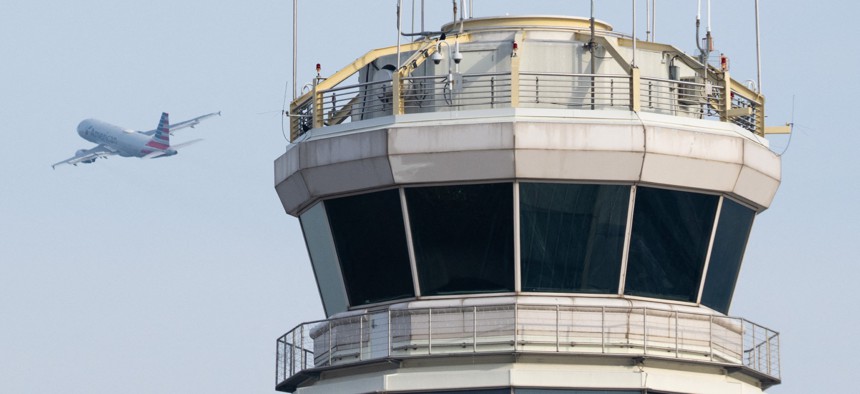
Air traffic controllers are not under the Department of Homeland Security (DHS). Instead, they are employees of the Federal Aviation Administration (FAA), which is an agency operating under the U.S. Department of Transportation (DOT). While DHS oversees broad national security and border protection, the specialized operational management of the National Airspace System (NAS) remains firmly under the authority of the DOT.
The Organizational Structure of Air Traffic Control
To understand why air traffic controllers fall under the Department of Transportation rather than the Department of Homeland Security, it is necessary to examine the foundational mandates of both departments. The Department of Transportation is tasked with ensuring a fast, safe, and efficient transportation system. Since its inception, the FAA has been the primary authority responsible for the regulation of civil aviation, the management of air traffic, and the certification of pilots and aircraft.
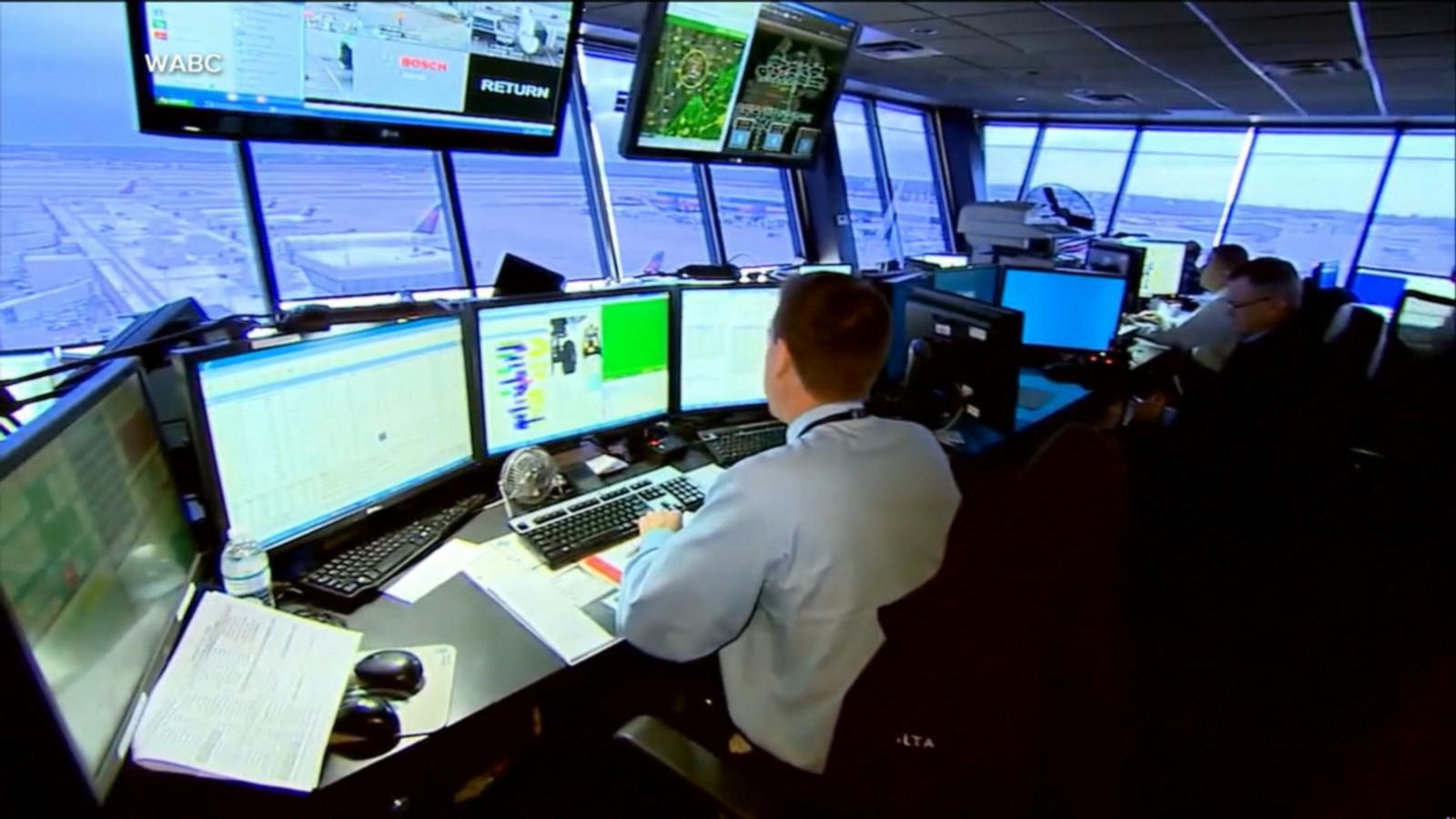
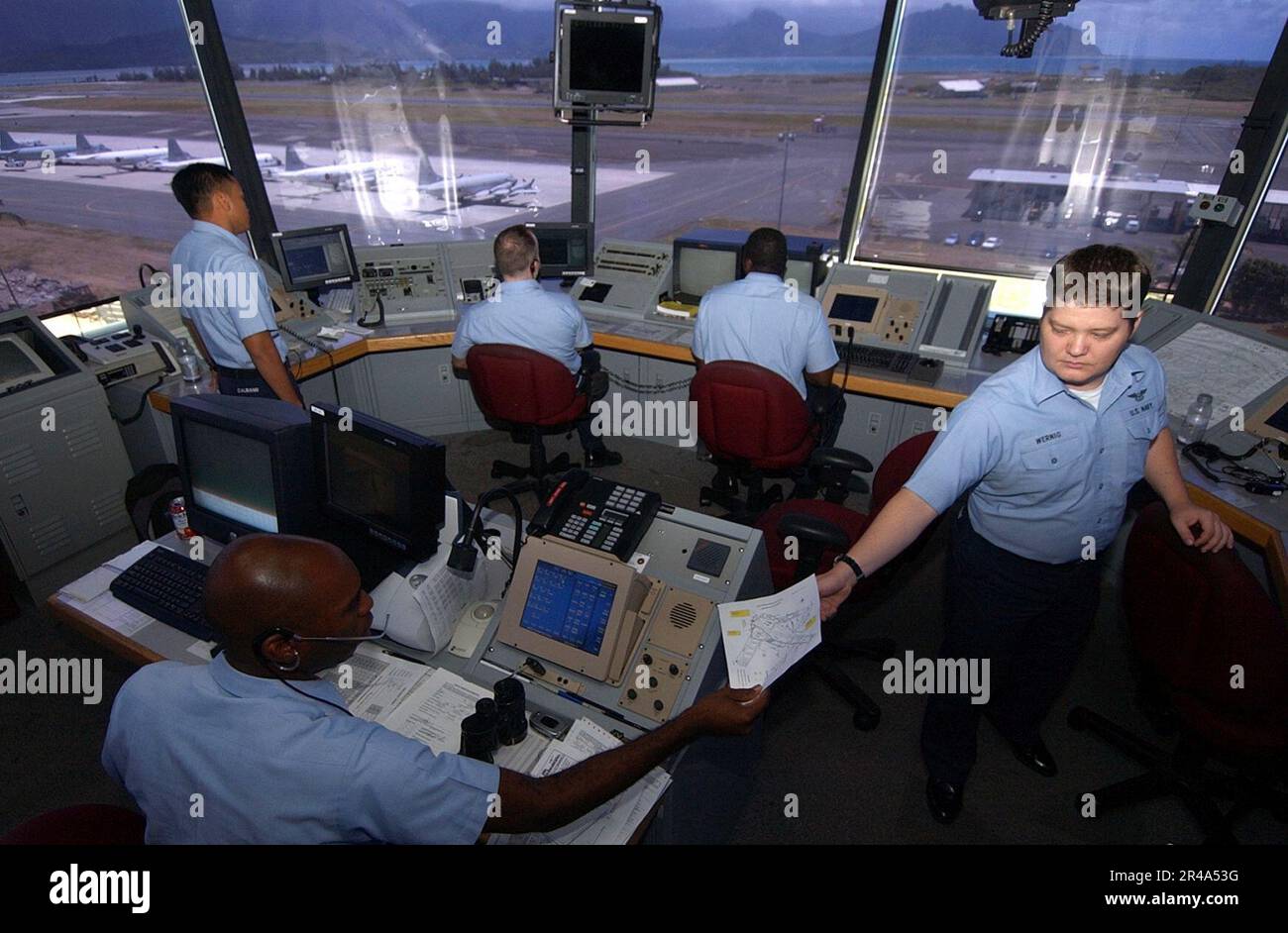
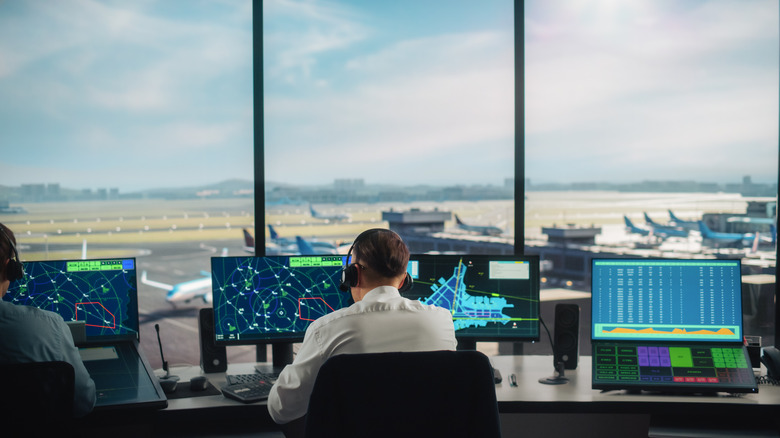
The FAA functions as an operating administration within the DOT. This placement reflects the agency's primary mission: safety in the movement of people and goods. When an air traffic controller manages a flight path, they are performing an operational function related to transportation infrastructure, traffic flow management, and civil safety.
Conversely, the Department of Homeland Security, established in the aftermath of the September 11, 2001 attacks, has a distinct mandate centered on domestic security. DHS oversees agencies such as the Transportation Security Administration (TSA), U.S. Customs and Border Protection (CBP), and the U.S. Coast Guard. While the TSA—a component of DHS—interacts with the aviation industry through passenger screening and baggage inspection, it does not manage the active flow of aircraft through the sky.
FAA vs. DHS: Separating Operational Control from Security
Confusion often arises because both the DOT and DHS play critical roles in the aviation ecosystem. The distinction lies in the nature of their authority. The FAA governs the "what" and the "how" of flying, while DHS agencies often govern the "who" and the "where" in terms of entry and security clearance.
The FAA’s operational authority covers:
- Air Traffic Management: Controlling the separation of aircraft to prevent collisions.
- Airspace Design: Defining altitude sectors, navigation routes, and restricted flight zones.
- Pilot and Controller Certification: Setting the rigorous standards for licensure.
- Safety Oversight: Establishing technical requirements for aircraft maintenance and airline operations.
The Department of Homeland Security’s involvement in aviation, via the TSA, is limited to:
- Passenger Security: Screenings at airport checkpoints.
- Baggage Inspection: Identifying prohibited items in checked and carry-on luggage.
- Federal Air Marshals: Providing security presence on board commercial aircraft.
Because the day-to-day management of the National Airspace System is a continuous, high-speed operational task, it is housed within the DOT to keep it tightly integrated with national transportation infrastructure goals. If air traffic control were shifted to DHS, it would create a separation between the entity managing the physical movement of aircraft and the entity responsible for transportation infrastructure, potentially causing bureaucratic friction.
The Role of the FAA within the Department of Transportation
As of 2026, the FAA remains the sole federal entity responsible for the hiring, training, and oversight of air traffic controllers. Controllers must meet strict FAA-specific medical and psychological standards, undergo specialized training at the FAA Academy in Oklahoma City, and maintain certification under FAA regulations.
The relationship between the controller and the government is defined by labor agreements, federal pay scales, and the specific mandates of the FAA. The FAA operates independently in its technical assessments of airspace but remains accountable to the Secretary of Transportation. This structure ensures that national airspace policy is aligned with broader transportation objectives, such as regional economic development and national infrastructure improvement.
Comparing Aviation Agencies and Their Oversight
To clarify how different responsibilities are distributed across the federal government, the following table outlines the jurisdictional boundaries of major aviation-related entities.
| Agency | Parent Department | Primary Function |
|---|---|---|
| FAA | DOT | Air traffic control, pilot/aircraft certification, safety rules. |
| TSA | DHS | Passenger/baggage screening, airport security procedures. |
| CBP | DHS | Customs enforcement and immigration at international airports. |
| NTSB | Independent | Investigation of aviation accidents and safety recommendations. |
| Bureau of Transportation Statistics | DOT | Data collection on aviation efficiency and traffic trends. |
As shown in this breakdown, the lines of authority are distinct. The FAA’s mandate is strictly operational and safety-focused regarding the navigation of aircraft, whereas the DHS components act as security overlays at the airport terminals.
Why the Distinction Matters for Aviation Safety
The separation of these duties is not merely administrative; it is functional. Air traffic control requires a focus on physics, geometry, and real-time decision-making. By keeping controllers under the DOT, the government ensures that their training and operational protocols are refined based on aviation engineering and transport logistics.
If controllers were under DHS, their primary mandate might drift toward national security-driven traffic limitations rather than efficient, safe movement. While the FAA does coordinate with the military and DHS in the event of a security threat—such as a rogue aircraft entering restricted airspace—the controller remains an FAA employee executing civil aviation safety procedures.
How Controllers Interact with DHS Entities
While controllers are not "under" DHS, they work in an environment where coordination with DHS agencies is frequent. For example, if a flight is approaching an international border, a controller may coordinate with CBP regarding incoming flight manifests or international arrival procedures. If a security threat is identified on an aircraft, the controller works to guide that aircraft to a safe landing location, often communicating with DHS officials on the ground or within the flight deck security chain.
These interactions are defined by standard operating procedures (SOPs) that treat the FAA as an independent federal agency collaborating with, rather than reporting to, DHS. This professional distance is essential to maintaining the integrity of air traffic management, as it prevents the militarization or securitization of routine traffic control duties.
Common Misconceptions Regarding Federal Aviation Oversight
Many individuals believe that because aviation is a high-security concern, the entire industry must be governed by the Department of Homeland Security. This is a common logical leap that fails to account for the history of the FAA. The FAA has existed as the regulatory body for aviation since the Federal Aviation Act of 1958. DHS, by contrast, is a relatively young cabinet-level department created by the Homeland Security Act of 2002.
The FAA’s long-standing authority over the National Airspace System was already well-established long before DHS was created. When DHS was formed, the federal government chose not to subsume the FAA’s core operational functions, recognizing that splitting the technical management of air traffic from the broader transportation infrastructure would be counterproductive to the safety and efficiency of the aviation network.
Prerequisites for Understanding Federal Employment
If you are interested in the career path of an air traffic controller, you must look to the FAA’s human resources portals and federal employment guidelines. Because controllers are federal employees, their hiring process involves rigorous background checks, which are conducted by the federal government. These background investigations might involve agencies within the purview of DHS or the Office of Personnel Management, but the oversight of the position itself—the job title, the grade, the retirement system, and the daily duty description—rests with the FAA.
Candidates seeking to become controllers must be U.S. citizens, meet age requirements, and pass medical and psychological evaluations. These standards are set by the FAA to ensure that those sitting at the radar scope are capable of performing the high-stress tasks required by the position. The governing policy documents are published by the FAA, and any updates to the hiring process or controller certification standards are announced by the Department of Transportation.
Frequently Asked Questions (FAQ)
1. Is the Federal Aviation Administration (FAA) part of the Department of Homeland Security? No. The FAA is an agency within the Department of Transportation. It remains separate from DHS, which handles national security, border protection, and transportation security (such as the TSA).
2. Why do people think air traffic controllers are under DHS? The confusion often stems from the fact that both the FAA and the TSA (a DHS agency) are involved in aviation. While the TSA handles passengers and security screening, the FAA handles the active movement and safety of aircraft, leading to the perception that all aviation-related federal entities fall under the same department.
3. Do air traffic controllers work with DHS agents? Yes. In specific operational scenarios, such as international flights or potential security threats, air traffic controllers coordinate with agencies like U.S. Customs and Border Protection (CBP) or the Transportation Security Administration (TSA). However, this is a collaboration between agencies, not a reporting relationship.
4. Can an air traffic controller be tasked by DHS? An air traffic controller follows the regulations and procedures set forth by the FAA. While they may receive instructions from military or law enforcement entities in highly specific emergency or security-mandated scenarios, their primary employment, training, and operational oversight remain with the FAA.
5. How does this organizational structure affect my travel? For the traveler, this distinction ensures that the system is optimized for safety and efficiency. The FAA focuses on keeping planes flying in orderly patterns, while DHS focuses on securing the environment where passengers board and exit. This division of labor allows experts in aviation technology to manage the sky and experts in security to manage the terminal.
Next Actions for Further Research
If you are seeking specific information regarding air traffic control employment or regulatory changes, consult the official Federal Aviation Administration website. Information regarding federal career paths, medical standards for controllers, and regulatory updates is published exclusively through FAA channels. You can also review the Department of Transportation’s annual reports, which detail how the FAA’s budget and strategic objectives are integrated into national transportation policy. By focusing on these official sources, you ensure that you are receiving accurate information rather than speculation regarding the organizational hierarchy of federal aviation personnel.