Determining if Pamela Moran—the iconic character from the long-running Lifetime television series Army Wives—is "worth it" depends entirely on what a viewer seeks from a drama series. As a central figure representing the complexities of military spouse life, Pamela provides a grounded, realistic perspective on the economic and emotional sacrifices inherent in military service, making her character arc a compelling anchor for the show's narrative success.
The Role of Pamela Moran in Army Wives
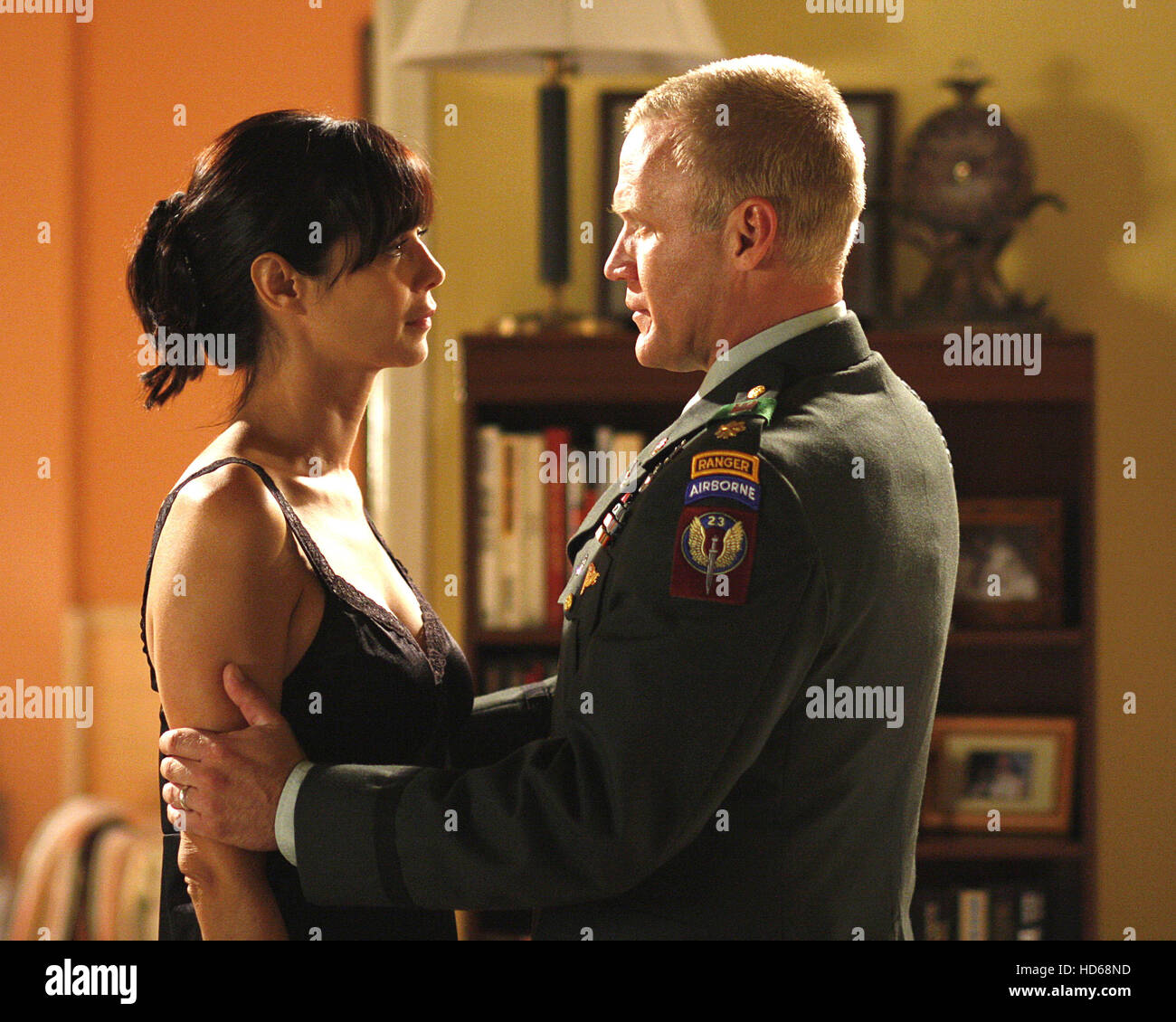
To understand if the character of Pamela Moran is "worth it" for a viewer or a student of television drama, one must first understand her function within the show. Army Wives, which premiered in 2007, was based on Tanya Biank’s non-fiction book Army Wives: The Unwritten Code of Military Marriage. While the show featured an ensemble cast, Brigitte Brannagh’s portrayal of Pamela Moran served as a distinct bridge between the civilian world and the realities of being married to a high-ranking officer in the Special Forces.
Pamela’s storyline was unique because it frequently focused on the financial and logistical instability that accompanies a military career. Unlike characters who occupied more comfortable roles, Pamela’s introduction to the series—as a surrogate mother carrying twins for a wealthy couple to pay off family debt—immediately established her as the moral and practical center of the group. For audiences seeking a depiction of the "hustle" required to manage a household while a spouse is deployed, Pamela’s character is objectively valuable. She represents the grit required to navigate military housing, constant relocation, and the pressures of maintaining an independent identity while under the scrutiny of the "unwritten code" of military social life.
Navigating the Financial and Emotional Stakes
The question of whether Pamela is "worth it" often stems from viewers evaluating the narrative payoff of her specific plotlines. Throughout the series, the writers tasked Pamela with some of the show's most heavy-hitting emotional arcs. Her struggle to balance her aspirations as a police officer with the demands of her husband, Chase Moran, serves as a masterclass in the conflicting priorities faced by many real-world military spouses.
When evaluating the quality of her arc, consider these thematic elements:
- The Sacrifice of Self-Identity: Pamela often put her own career ambitions on hold to accommodate the mobility required by Special Forces operations. Her transition from stay-at-home mother to a professional police officer is a significant narrative evolution that provides a template for viewer engagement.
- Economic Reality: By framing her early storyline around the need for money, the writers grounded the show in the reality that military pay grades are not always sufficient to cover the costs of living in certain regions or managing unexpected crises.
- Interpersonal Dynamics: Pamela’s friendship with the other wives (Claudia Joy, Denise, Roxy, and Roland) acts as a support system. Her character provides a sounding board for the group, often acting as the voice of reason when the internal politics of the base become volatile.
Comparison of Character Value in the Army Wives Ensemble
To better understand Pamela's utility in the show’s structure, it is helpful to compare her character archetype against the other primary figures in Army Wives.
| Character | Primary Narrative Function | Value to the Viewer |
|---|---|---|
| Pamela Moran | The Pragmatic Survivor | High: Represents financial reality and professional ambition. |
| Claudia Joy | The Matriarch/Leader | High: Provides insight into the administrative and political side. |
| Denise Sherwood | The Resilient Partner | High: Focuses on domestic abuse and emotional healing. |
| Roxy LeBlanc | The Outsider/Adaptor | Medium: Highlights class differences and social integration. |
As shown in the table above, Pamela stands out because her narrative is not strictly domestic. While other characters deal with the internal politics of the post or personal trauma, Pamela’s arc consistently forces the audience to consider the intersection of work, finance, and duty. If you are watching for a holistic view of the military lifestyle, her character is arguably the most essential for understanding the material conditions of the spouses' lives.
Critical Reception and Character Evolution
Throughout the series' run, Pamela Moran remained a fan favorite precisely because she was relatable. Her "worth" as a character is bolstered by the consistency of her development. While some characters in television dramas suffer from "writer drift"—where they lose their core motivations over several seasons—Pamela’s evolution from a desperate, debt-burdened mother to a confident, career-focused woman felt earned.
Her inclusion in the series adds value by providing a necessary counterweight to the more idealized portrayals of army life. When the show explores the danger of combat, Pamela’s domestic perspective serves to raise the stakes. We are not just watching a soldier in danger; we are watching the woman who has to keep the lights on, the children fed, and the community stable while that soldier is away. This framing turns the domestic sphere into a site of heroic action in its own right.
Is Pamela Worth Your Time?
If you are a fan of character-driven dramas that explore the sacrifices of public service families, Pamela Moran is absolutely "worth it." Her storylines are not merely filler; they address the structural challenges of military marriage—isolation, economic pressure, and the need for professional self-actualization.
However, potential viewers should be aware that the narrative experience is one of incremental progress rather than rapid, explosive change. Her "worth" is cumulative. You will not necessarily find the value in a single episode, but rather in the slow-burn maturation of a character who learns to assert her own needs within a system designed to prioritize the military mission above all else.
Frequently Asked Questions
1. Does Pamela Moran remain in the show for its entire duration? No, the character of Pamela Moran undergoes a transition in later seasons, partially exiting and returning as the narrative shifts. However, her impact on the foundational structure of the ensemble remains significant throughout her time on screen.
2. Is the portrayal of military life through Pamela accurate to the 2007–2013 timeframe? The show drew heavily from Tanya Biank’s book, which was a non-fiction account of the real "unwritten code." While the show is a dramatization, critics and military family members have generally lauded the series for capturing the specific anxieties—such as the "casualty notification" process—that define that era of military service.
3. Should I watch the show specifically for the Pamela Moran character arcs? If you are interested in themes of female independence and the professional-personal struggle, then yes. Pamela is a standout character in this regard. She effectively represents the audience surrogate who tries to maintain a sense of normal life in an environment that is anything but normal.
4. Does the character change significantly after her divorce? The divorce arc is a major turning point for Pamela. It shifts her focus from being defined by her husband’s career to being defined by her own professional identity as a police officer. This evolution is widely considered one of the most satisfying character arcs in the entire series.
Recommendation for New Viewers
If you are beginning Army Wives in 2026, approach Pamela’s storyline as a longitudinal study of female agency. Start by paying close attention to the financial struggles depicted in the early seasons; they provide the essential motivation for her later decisions. Do not judge her actions solely by the standards of a standard civilian drama; instead, evaluate her choices through the lens of the "unwritten code"—the unique social and professional constraints of a military base. By doing so, you will find that Pamela Moran is not just a character, but the lens through which the most grounded, human questions of the series are answered.