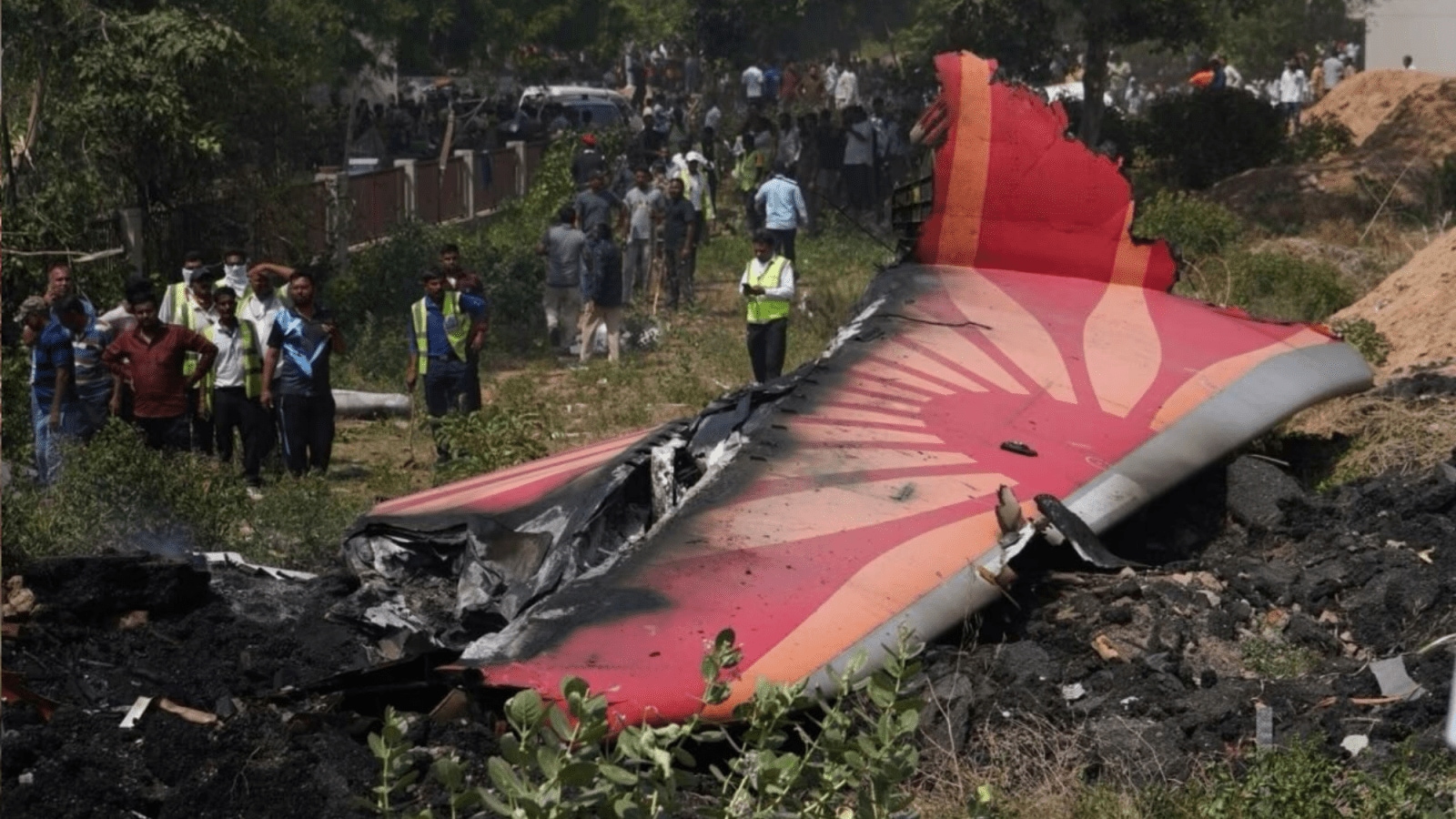
Fuel contamination in aviation occurs when foreign substances like water, particulates, or chemicals enter the Jet A-1 supply, potentially causing engine failure or hardware damage. For Air India, documented incidents and regulatory audits have highlighted the critical importance of stringent "into-plane" fueling standards and rigorous maintenance to prevent operational disruptions.
The integrity of aviation fuel is the cornerstone of flight safety. For a major international carrier like Air India, which operates a diverse fleet across varying climates and geographies, the challenge of maintaining fuel purity is a constant operational priority. While aviation history is punctuated by various technical snags, "fuel contamination" refers to a specific category of risk that involves the degradation of Jet A-1 fuel quality before it reaches the combustion chamber. From the perspective of 2026, looking back at the modernization of Air India under the Tata Group, the management of fuel quality has transitioned from a reactive maintenance hurdle to a proactive, technology-driven safety protocol.
The Nature of Aviation Fuel Contamination
Aviation turbine fuel, primarily Jet A-1, must meet exacting international standards, such as ASTM D1655 or the UK Ministry of Defence Standard 91-091. Contamination is broadly classified into four categories: water, solids (particulates), surfactants, and microbiological growth.
Water Contamination
Water is the most common contaminant. It can exist in fuel in three forms: dissolved, suspended (entrained), or as free water at the bottom of a tank. In the context of long-haul flights frequently operated by Air India, water poses a dual threat. At high altitudes, where temperatures drop well below freezing, entrained water can form ice crystals. These crystals can clog fuel filters or the fuel-oil heat exchanger (FOHE), leading to restricted fuel flow and potential engine flameout.
Particulate Matter
Solid contaminants include rust, sand, dust, and metal scales. These typically enter the fuel stream during transport through pipelines or from aging underground storage tanks at airports. For Air India’s sophisticated fleet, including the Boeing 787 Dreamliner and Airbus A350, even microscopic particulates can cause "stiction" in high-pressure fuel pumps or erode the delicate orifices of fuel injectors, leading to uneven combustion and thermal distress in the engine core.
Microbiological Growth
Often referred to as "fuel fungus" or "black slime," microorganisms like Hormoconis resinae thrive in the interface between fuel and water. These organisms consume hydrocarbons and excrete acidic byproducts that can corrode aluminum fuel tanks and clog secondary fuel filters. This is a particular concern in humid, tropical environments—hubs where Air India maintains significant operations.
Notable Incidents and Regulatory Oversight
Throughout the early 2020s, the Indian aviation sector faced several scrutiny points regarding ground handling and fuel safety. The Directorate General of Civil Aviation (DGCA) has historically intensified audits following reports of technical snags. In 2023 and 2024, as Air India underwent its massive "Vihaan.AI" transformation, the airline and its ground handling partners were required to double down on fuel testing protocols following several reports of "engine surge" and "uncommanded power reduction" across the industry, which were later traced to fuel quality issues at specific refueling hubs.
The DGCA’s Role in Mitigation
The DGCA’s Civil Aviation Requirements (CAR), specifically Section 2, Series H, provide the legal framework for fuel quality control in India. Following incidents where fuel was found to contain excessive particulates or moisture, the regulator mandated more frequent "white bucket" tests and the use of chemical water detectors (such as the Shell Water Detector) during every refueling mission.
For Air India, the transition to a privatized entity meant adopting global best practices that often exceed local regulatory minimums. This included the implementation of digital "fuel monitoring systems" that track the "chain of custody" of fuel from the refinery to the aircraft wing, ensuring that any batch failing purity tests is quarantined immediately.
Technical Symptoms of Contaminated Fuel in Flight
Pilots and maintenance crews are trained to identify the subtle signs of fuel contamination before they escalate into emergencies. The aircraft’s Engine Indicating and Crew Alerting System (EICAS) provides the first line of defense.
- Fuel Filter Bypass Warnings: If particulates or ice crystals begin to clog the main fuel filters, a pressure differential is detected. The system may trigger a "FUEL FILTER BYPASS" warning, indicating that fuel is bypassing the filter to keep the engine running—a condition that allows contaminants directly into the engine’s high-pressure pumps.
- Engine Spooling Irregularities: Contaminants can cause the Fuel Metering Unit (FMU) to behave erratically. Pilots might notice "hunting" (fluctuating RPM) or a delayed response to throttle movements.
- Exhaust Gas Temperature (EGT) Deviations: Poor fuel quality leads to inefficient combustion. If fuel injectors are partially blocked by particulates or surfactants, the resulting uneven flame can cause localized overheating, visible as an increase in EGT.
Comparative Analysis of Fuel Contaminants
The following table outlines the primary types of contaminants encountered in commercial aviation, their detection methods, and the specific risks they pose to aircraft like those in the Air India fleet.
| Contaminant Type | Primary Source | Detection Method | Major Operational Risk |
|---|---|---|---|
| Free Water | Atmospheric condensation, leaking storage seals | Visual "White Bucket" test, Chemical Paste | Engine flameout, ice blockage at altitude |
| Rust / Scale | Aging pipelines, tankers, and storage tanks | Millipore Membrane filtration test | Fuel pump abrasion, injector clogging |
| Surfactants | Refinery carryover, detergent cross-contamination | Micro-Separometer (MSEP) test | Disables water separators, allowing water into tanks |
| Microbial Growth | Water-fuel interface in stagnant tanks | Laboratory culture or "Bug Stick" tests | Structural corrosion, filter "slimming" |
| Chemical Cross | Improper flushing of multi-product lines | Gas Chromatography, Flash point testing | Altered combustion temperature, seal damage |
The Impact of Surfactants and the "Into-Plane" Process
Surfactants (surface-active agents) are a particularly insidious form of contamination. They act like detergents, lowering the surface tension of the fuel. While they don't directly damage the engine, they neutralize the effectiveness of Filter-Separators used in airport refueling trucks. Normally, these separators "bead up" water so it can be drained. Surfactants allow water to remain emulsified in the fuel, passing through filters and into the aircraft’s wings.
Air India’s modern maintenance strategy involves rigorous "into-plane" quality checks. This means that the airline doesn't just trust the airport's fuel farm; they perform independent verification at the point of delivery. In 2026, this often involves automated sensors on the fueling hose that provide real-time readings of fuel density and water content, preventing the upload of "off-spec" fuel before it even enters the aircraft's tanks.
Maintenance and Preventive Measures
Preventing fuel contamination is a multi-layered process that involves both ground staff and engineering teams.
Tank Draining and Sumping
Every morning, or after the aircraft has remained stationary for several hours, maintenance crews perform "sump drains." Because water is denser than Jet A-1, it settles at the lowest points of the fuel tanks. By draining a small amount of fuel from these points and inspecting it, crews can ensure the tanks are "clear and bright"—the industry standard for clean fuel.
Fuel System Biocides
In regions with high humidity, Air India may use DGCA-approved biocides (like Kathon FP 1.5 or Biobor JF). These chemicals are added to the fuel in precisely controlled dosages to kill fungal and bacterial colonies. However, over-reliance on biocides can lead to other chemical imbalances, so they are typically used as a curative measure rather than a constant additive.
Modern Fleet Advantages
The newer aircraft in the Air India fleet, such as the Airbus A350-900, feature more advanced fuel management systems. These systems can automatically move fuel between tanks to maintain balance and use sophisticated scavenge pumps to minimize the amount of "dead" fuel where water and microbes might otherwise accumulate.
Frequently Asked Questions
How does Air India ensure fuel quality at foreign airports?
Air India utilizes a combination of IATA Fuel Quality Pool (IFQP) audits and local ground handling agreements. By participating in the IFQP, the airline shares the results of fuel farm inspections with other international carriers, ensuring that every airport they serve meets the JIG (Joint Inspection Group) standards.
Can a single contaminated fueling cause a crash?
While highly dangerous, modern twin-engine aircraft are designed with significant redundancy. Issues usually manifest as a "Fuel Filter" alert first, giving pilots time to descend to warmer altitudes (to melt ice) or land at the nearest suitable airport. Total engine failure due to fuel contamination is extremely rare in modern commercial aviation due to these early warning systems.
Does "bad fuel" affect ticket prices or flight delays?
Yes. If a batch of fuel is suspected of contamination, the entire aircraft must be defueled—a time-consuming and expensive process. The fuel must be disposed of or recycled, and the aircraft's fuel system must be flushed. These operational costs and the resulting delays eventually impact the airline's bottom line and, by extension, passenger fares.
What is the "White Bucket" test?
It is a simple but effective field test where a fuel sample is drawn into a clean white bucket. The technician swirls the fuel to create a vortex; any water or solid particulates will settle in the center, making them easily visible against the white background. The fuel must appear "clear" (no cloudiness) and "bright" (a sparkling appearance).
Are newer biofuels more prone to contamination?
Sustainable Aviation Fuel (SAF), which Air India has begun integrating into its operations as of 2026, is chemically identical to conventional Jet A-1 (a "drop-in" fuel). While SAF itself isn't necessarily more prone to contamination, its supply chain is newer, requiring the same, if not more, rigorous quality control as traditional fossil fuels.
Final Recommendation for Safety and Assurance
For passengers and industry observers, the takeaway regarding the Air India fuel contamination incident is the resilience of modern aviation safety systems. While "bad fuel" is a physical reality of chemical logistics, the layers of defense—from refinery testing and airport filtration to aircraft sumping and EICAS monitoring—ensure that contaminated fuel rarely results in more than an operational delay.
Next Actions for Industry Professionals:
- Review Documentation: Ensure all ground handling staff are up-to-date on the latest JIG and DGCA fuel handling revisions for 2026.
- Invest in Sensors: Transition from manual visual checks to integrated digital fuel quality sensors for more consistent data logging.
- Audit Sub-contractors: For airlines, regular "spot checks" of third-party refueling vendors remain the most effective way to ensure that into-plane standards are being met without shortcuts.