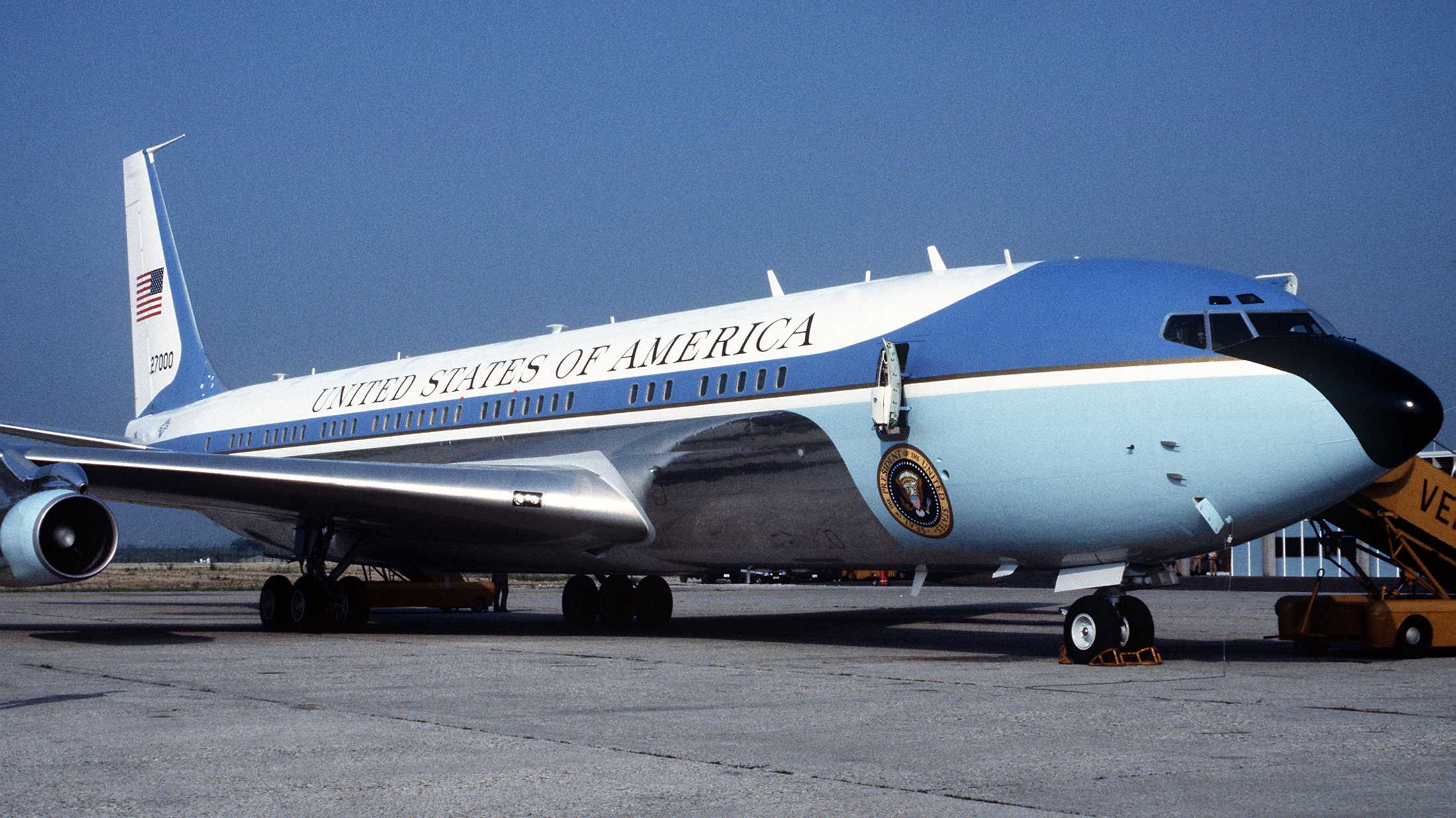
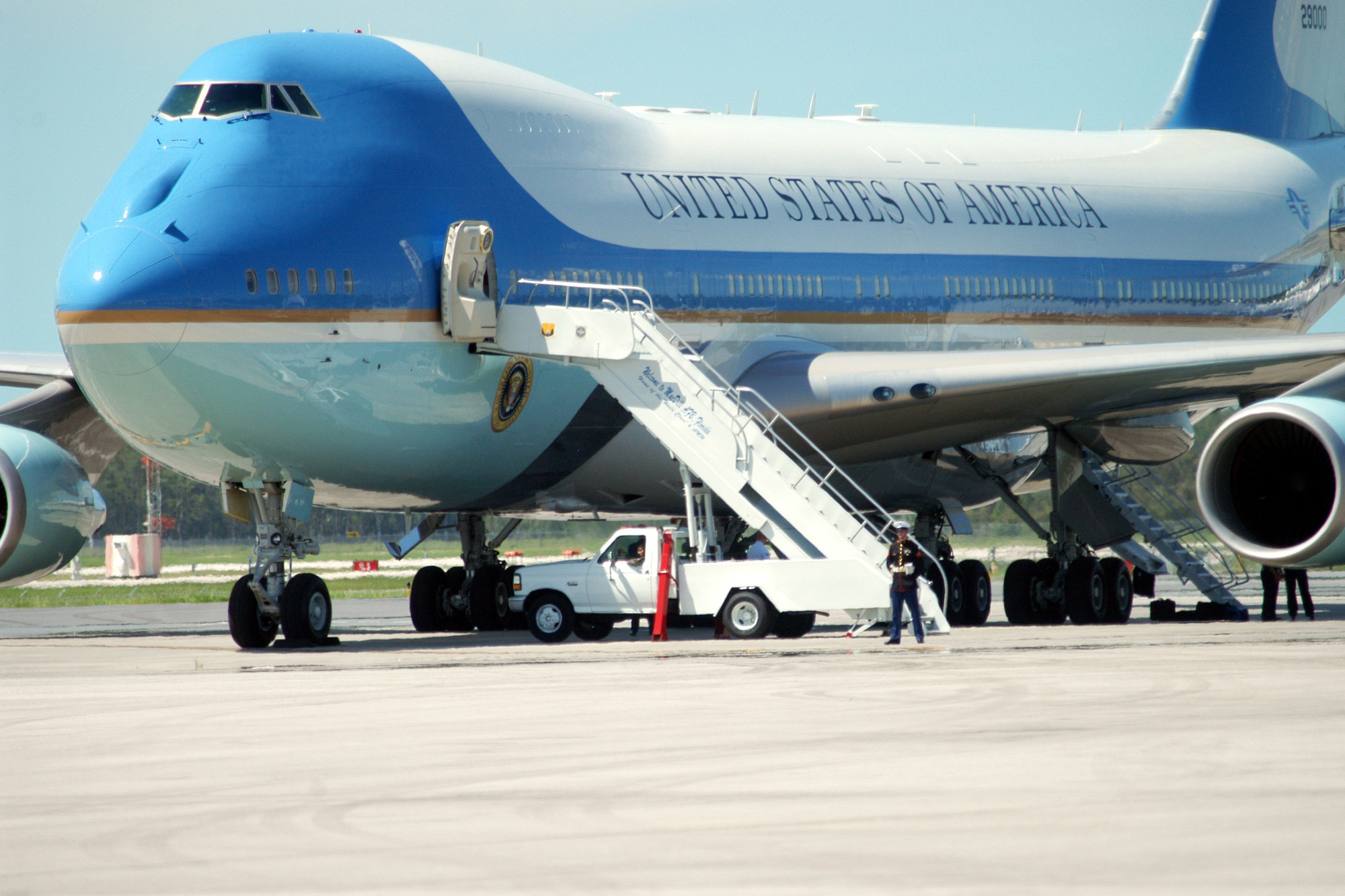
Air Force One style presidential interior design is defined by a sophisticated blend of mid-century modern practicality, American Federalism, and high-tech corporate functionality. It prioritizes prestige through handcrafted wood veneers, premium leather upholstery, and integrated secure communication zones, creating an environment that functions as both a mobile executive command center and a dignified diplomatic residence.
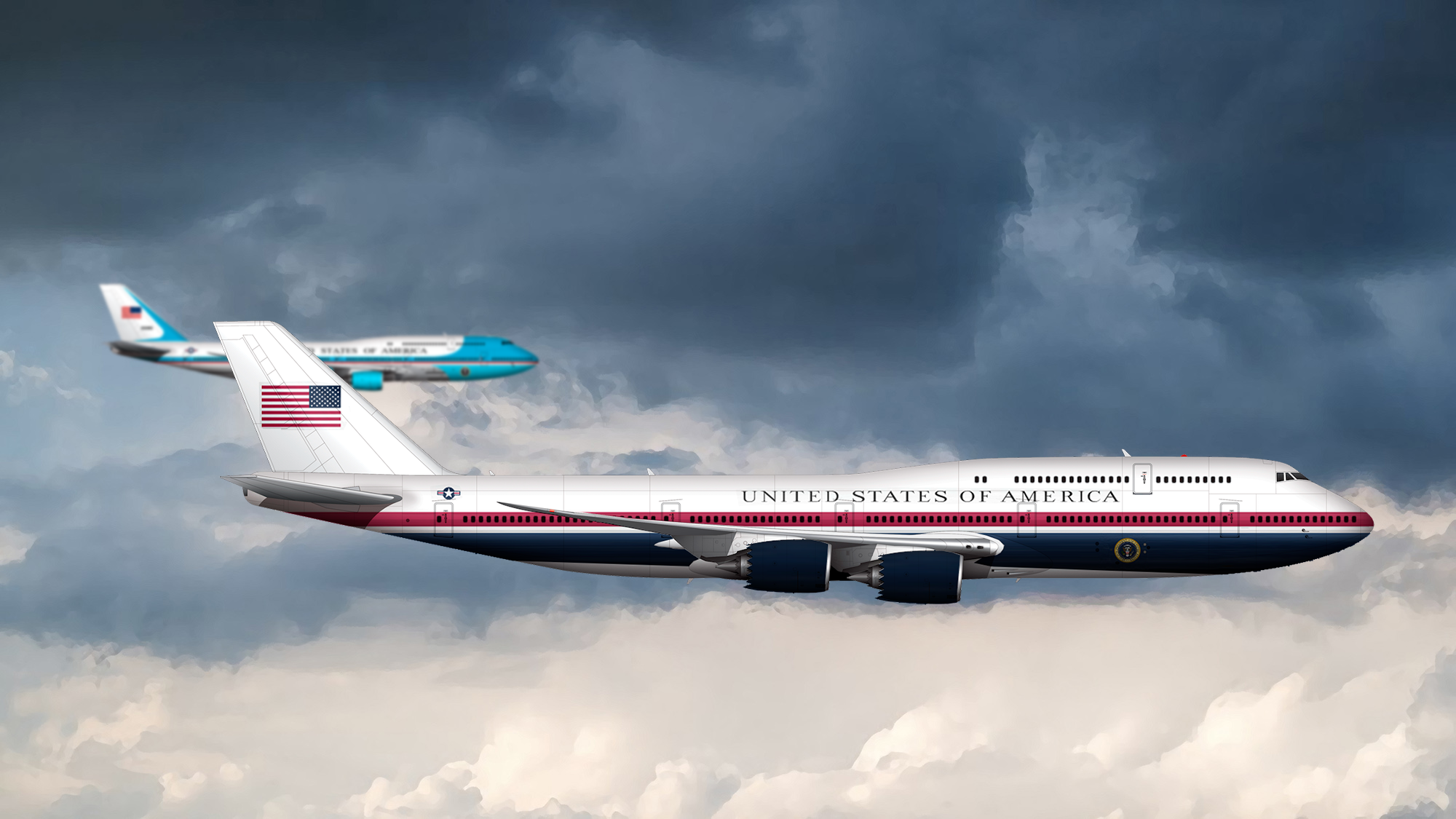
The aesthetic of the world’s most famous aircraft is not merely a matter of luxury; it is a meticulously engineered environment designed to project power, ensure continuity of government, and provide comfort during long-haul global transitions. As of 2026, with the transition toward the newer VC-25B aircraft based on the Boeing 747-8 platform, the "Presidential Look" has evolved. It remains rooted in a timeless, conservative palette while embracing the sleek, streamlined efficiencies of modern aerospace engineering. For designers and homeowners looking to replicate this style, the focus must be on three pillars: materiality, zoning, and "hidden" technology.
The Philosophical Foundation of Presidential Design
To understand Air Force One style, one must look past the gold-plated faucets often associated with private jets. True presidential design is characterized by gravitas and restraint. Unlike the flamboyant interiors of many "head of state" aircraft globally, the U.S. Presidential fleet emphasizes a "working office" atmosphere.
The design language was famously established by industrial designer Raymond Loewy during the Kennedy administration. Loewy argued that the aircraft should represent the American people—modern, forward-looking, but grounded in tradition. This philosophy persists today. In a presidential-style interior, every piece of furniture serves a dual purpose: it must be comfortable enough for an eighteen-hour flight but professional enough to host a televised address or a bilateral summit with a foreign dignitary.
Core Material Palettes and Textures
The tactile experience of a presidential interior is where the sense of "quality over flash" is most apparent. If you are designing a space in this style, the selection of materials is the most critical step.
High-Polished Wood Veneers
The signature of the Air Force One interior is the extensive use of dark, rich wood. Traditionally, Mahogany and Walnut are the preferred species. In the aircraft, these are applied as thin, fire-retardant veneers over honeycomb structures to save weight, but in a residential or corporate setting, solid woods or high-quality architectural veneers can be used. The finish is typically a high-gloss or semi-gloss "piano finish," which reflects light and adds a sense of depth to the small, window-lined cabins.
Leather and Textiles
Seating is almost exclusively finished in top-grain leathers or high-durability wool blends. The color palette revolves around:
- Cream and Eggshell: Used for headliners, side panels, and main seating to keep the space feeling airy.
- Navy Blue: The primary accent color, reflecting the official colors of the U.S. Presidency and the Air Force.
- Pewter and Slate: Used for carpeting and metal accents to provide a neutral, grounding base.
Metal Accents
Unlike the polished brass or gold seen in luxury yachts, presidential design favors brushed nickel, satin chrome, or muted stainless steel. These materials feel more industrial and secure, reinforcing the idea that the space is a tool of the government rather than a plaything of the wealthy.
Spatial Zoning: Creating the "Flying Oval Office"
The layout of Air Force One is segmented into distinct zones that manage the flow of people and the hierarchy of needs. Replicating this style requires a similar approach to spatial planning, where "public" and "private" spaces are clearly demarcated but share a cohesive design language.
The Executive Suite (The Stateroom)
In the aircraft, the President’s private quarters are located at the front. This area includes a fold-out sofa, two swivel chairs, and a private lavatory. For a home or office, this translates to an "Executive Retreat"—a room that serves as a quiet sanctuary. The key is modular furniture. Desks that can be used for deep work but also have a lounge area for informal discussions.
The Conference Room
The heart of the aircraft is the large conference room, which doubles as a dining room. The table is the centerpiece, often featuring an inlaid Presidential Seal (though for private use, a custom wood inlay or a geometric pattern is more appropriate). The chairs are typically high-backed, ergonomic leather "commander" chairs with 360-degree swivel and tilt capabilities.
Staff and Guest Areas
On the plane, the staff and press areas are more utilitarian but still maintain the "Navy and Cream" color scheme. In a home, this means the guest rooms or secondary offices should use the same materials as the master suite but with simpler forms and less ornamentation.
Lighting and Technological Integration
By 2026, lighting technology has become the most impactful way to modernise a presidential-style interior. The goal is to eliminate harsh, direct light in favor of layered, ambient illumination.
- Circadian Lighting: Modern presidential aircraft use LED systems that shift color temperature throughout the day to help the passengers manage jet lag. Implementing a smart lighting system that moves from "Cool Daylight" for morning work to "Warm Amber" for evening relaxation is a hallmark of this style.
- Hidden Tech: A presidential room never looks like a computer lab. Screens are recessed into walls or hidden behind motorized wood panels. Charging ports and communication interfaces are tucked into the "credenza"—a side cabinet that is a staple of executive office design.
- Acoustics: High-level government work requires privacy. Presidential interiors use heavy sound-dampening materials, such as silk-lined walls, thick-pile carpeting, and acoustic ceiling baffles, to ensure that conversations remain within the room.
Comparing Presidential Style to Traditional Luxury
| Feature | Air Force One / Presidential Style | General Luxury/Yacht Design |
|---|---|---|
| Primary Goal | Functionality, Security, Symbolism | Comfort, Opulence, Personal Style |
| Color Palette | Navy, Cream, Walnut, Slate | High-contrast, Neons, or Trend-based |
| Wood Finish | High-gloss Mahogany/Walnut | Often Light Oaks or Exotic Burls |
| Metal Hardware | Brushed Nickel or Satin Chrome | Gold, Brass, or Copper |
| Furniture | Fixed-base, Heavy-duty, Ergonomic | Plush, Oversized, Modular |
| Technology | Integrated/Hidden Command Systems | Large visible screens and Home Cinema |
Adapting the Look for 2026: The VC-25B Influence
The newer VC-25B (the modified 747-8i) brings a more streamlined, "clean-sheet" look to the presidential aesthetic. This 2026-era design moves away from the slightly "heavy" traditionalism of the 1980s and 1990s.
- Linear Geometries: Expect to see more straight lines and fewer rounded, "puffy" leather edges.
- Integrated Screens: Large-format OLED displays are built directly into the bulkheads (walls), appearing as black glass when off.
- Sustainable Materials: There is an increasing focus on sustainable aerospace materials, such as bio-based resins and recycled wools, which can be mirrored in eco-conscious luxury home design.
To achieve this 2026 look, focus on minimalist millwork. Avoid ornate crown molding and instead use "reveal" joints where the wall meets the ceiling. This creates a shadow line that feels architectural and precise—traits associated with high-end aerospace engineering.
Practical Implementation: Steps to Achieve the Presidential Aesthetic
If you are beginning a renovation or design project with the goal of achieving an Air Force One-inspired interior, follow these steps:
Step 1: Establish the "Command" Desk
The desk should be the focal point of the main room. Choose a heavy, pedestal-style desk in a dark wood. It should be positioned with a "power view"—facing the entrance of the room with a window or a significant piece of art (such as a map or a historical document) behind it.
Step 2: Source "Executive" Seating
Look for chairs that are categorized as "24-hour" or "Executive" chairs. These are designed for long-term comfort. Ensure the leather is a solid, neutral color without excessive stitching or patterns.
Step 3: Install Custom Millwork
Presidential design is built-in, not freestanding. Install floor-to-ceiling bookshelves or storage cabinets (credenzas) that match the wood of your desk. This creates a "wrapped" feeling in the room, which mimics the fuselage of an aircraft.
Step 4: Add Symbolic Accents
Intersperse the professional environment with items of historical or national significance. This might include high-quality models of aircraft, framed historical photographs, or a desk clock made of heavy metal. Avoid clutter; presidential spaces are kept meticulously organized.
Common Mistakes to Avoid
- Over-decorating: The presidential style is not "shabby chic" or "maximalist." Every item in the room should have a reason for being there. If a piece of furniture doesn't serve a function, remove it.
- Cheap Metals: Using plastic-looking "silver" or low-grade aluminum will ruin the aesthetic. The weight and coldness of real metal are essential for the "secure" feel of the design.
- Bright Lighting: Never use "cool white" overhead lights alone. This makes the space look like a standard office cubicle. Use warm-toned lamps and cove lighting to create a sense of depth.
Frequently Asked Questions
What are the main colors used in Air Force One interiors?
The primary colors are cream, navy blue, and rich wood tones (mahogany/walnut). These are often accented with slate grey carpeting and brushed nickel hardware. This combination creates a professional, "Federal" look that is both calming and authoritative.
Who designs the interior of the President's plane?
The interiors are typically a collaboration between the aircraft manufacturer (such as Boeing), specialized aerospace interior firms, and the Air Force’s Presidential Airlift Group. The White House, specifically the First Lady or the President, often has final approval over the specific finishes and furniture styles.
Can I buy furniture that is actually on Air Force One?
No, the furniture on Air Force One is custom-built to meet strict FAA and Air Force safety and security specifications, including crash-safety and fire-retardancy. However, many high-end office furniture brands (such as Herman Miller, Steelcase, or Geiger) produce "Executive" lines that very closely mirror the style and quality of these pieces.
How much does it cost to decorate a room in this style?
Because the style relies heavily on custom millwork and high-grade materials like top-grain leather and hardwood veneers, it is considered a premium design category. A single executive office can cost anywhere from $20,000 to over $100,000 depending on the extent of the built-in cabinetry and the quality of the furniture.
What kind of lighting is used in presidential-style rooms?
The lighting is almost always indirect. This means the light sources are hidden behind "valances" or "coves" in the ceiling. This prevents glare on computer screens and creates a soft, even glow that is more flattering for photography and video conferencing.
Next Steps for Designing Your Space
To begin your presidential design journey, start with a single "anchor" piece—the desk or the executive chair. From there, coordinate your wood finishes and leather colors. For a truly authentic feel, consider hiring a specialist in architectural millwork to create custom cabinetry that integrates your technology and storage into the walls of the room. By focusing on quality, restraint, and the "Navy and Cream" palette, you can create a space that projects the same quiet confidence as the world's most famous office in the sky.