African Dream Safaris (ADS) is a specialized tour operator providing 100% private, tailor-made luxury safaris exclusively within Tanzania. By eliminating shared vehicles and fixed departure dates, the service allows travelers to customize every aspect of their itinerary, from daily start times to specific wildlife focuses, ensuring an intimate and highly flexible wilderness experience.
Planning a journey to East Africa requires a sophisticated understanding of geography, seasonal wildlife movements, and logistical nuances. For those seeking a premium experience, African Dream Safaris has established itself as a leader in the niche of "private-only" travel. This model differs significantly from standard group tours, as it prioritizes the traveler's specific interests—whether that is professional photography, bird watching, or witnessing the Great Migration—without the compromise often required in a group setting. In 2026, as travel trends lean further toward exclusivity and "slow travel," understanding the structural benefits of a private luxury safari is essential for any high-end traveler.
The Core Philosophy of Private Safari Travel
The primary distinction of a luxury safari with African Dream Safaris is the commitment to privacy. In a traditional safari model, travelers are often grouped with strangers in a single vehicle. This creates several points of friction: varying interest levels in specific animals, differing endurance for long drives, and a rigid schedule dictated by the group’s median preference.
By contrast, the private model ensures that the vehicle, the driver-guide, and the daily agenda belong solely to one party. This flexibility is not merely a convenience; it is a tactical advantage for wildlife viewing. If a pride of lions is spotted on the move, a private party can choose to follow them for hours, whereas a group tour might be forced to return to camp for a pre-scheduled lunch. In the context of 2026 luxury travel, this "sovereignty over time" is the ultimate luxury.
Tailor-Made Itineraries vs. Set Departures
Standard tour operators often use "set departures," where the route is fixed to optimize lodge contracts. African Dream Safaris utilizes a "blank slate" approach. This means the itinerary is built around the current location of the wildlife, specifically the Great Migration, rather than forcing the traveler to conform to a pre-set loop. This requires a deep inventory of lodge partnerships across the Serengeti, ensuring that guests are always positioned in the "sweet spot" of animal activity regardless of the time of year.
The Great Migration: Timing and Strategy in 2026
For many, the "luxury" in a safari is defined by proximity to the Great Migration—the annual movement of over 1.5 million wildebeest and hundreds of thousands of zebras and gazelles. This is not a single event but a year-round cycle. A high-end operator like ADS manages this by moving their guest's base of operations as the herds move.
The Calving Season (January – March)
During the first quarter of 2026, the focus is on the Southern Serengeti and the Ndutu region. This is where the wildebeest give birth to approximately 500,000 calves. For the traveler, this offers high-intensity predator-prey interactions, as lions, cheetahs, and hyenas congregate to take advantage of the vulnerable young. A luxury experience during this window typically involves staying in "under canvas" mobile camps that provide five-star amenities while remaining close to the herds.
The Grumeti and Mara River Crossings (June – October)
As the dry season takes hold, the herds move North. The dramatic river crossings—where animals must brave crocodile-infested waters—are the highlight of this period. Strategy is paramount here. Because ADS offers unlimited mileage and private vehicles, guests can spend the entire day parked at a river crossing point with a packed gourmet lunch, waiting for the precise moment the herds decide to plunge. This level of patience is rarely possible on a budget or group safari.
Technical Specifications of the Safari Experience
The quality of a safari is often limited by the hardware used. In Tanzania, the standard for luxury is a modified 4x4 Land Cruiser. However, not all Land Cruisers are outfitted equally. For a premium experience in 2026, the vehicles are typically "stretched" to provide more legroom and are limited to four or six passengers to ensure every guest has a window seat and access to the roof hatch.
Vehicle Features and Equipment
Luxury safari vehicles are mobile command centers. Key technical specifications often include:
- In-vehicle Wi-Fi: Facilitated by satellite or local high-speed cellular boosters, allowing for real-time photo sharing or essential communication.
- Charging Stations: Inverters providing 110v or 220v power to keep camera batteries and tablets charged during 10-hour game drives.
- On-board Refrigeration: Built-in fridges to maintain the temperature of beverages and snacks, a necessity in the Tanzanian heat.
- Suspension Upgrades: Heavy-duty Old Man Emu or similar suspension systems to dampen the impact of "washboard" dirt roads.
- Radio Communication: Long-range VHF radios to communicate with other guides and park rangers to locate elusive species like the leopard or the black rhino.
The Role of the Professional Driver-Guide
In the luxury segment, the guide is more than a driver; they are a naturalist, a diplomat, and a logistics manager. Guides employed by top-tier firms like African Dream Safaris typically undergo rigorous certification and have upwards of 10 to 15 years of field experience. Their ability to read animal behavior—predicting where a leopard will move before it does—is what separates a standard viewing from a spectacular one. Furthermore, they are well-versed in the history, geology, and tribal cultures of Tanzania, providing a holistic educational experience.
Luxury Accommodations: Lodges and Tented Camps
The "luxury" aspect of an African safari has evolved significantly. In 2026, the emphasis is on "tread light" sustainability without sacrificing comfort. Accommodations generally fall into two categories:
- Permanent Luxury Lodges: These are architectural marvels, often built into rocky outcrops (kopjes) or overlooking the crater floor. They feature infinity pools, full-service spas, and fine dining. Examples include the Four Seasons Safari Lodge Serengeti or the various &Beyond properties.
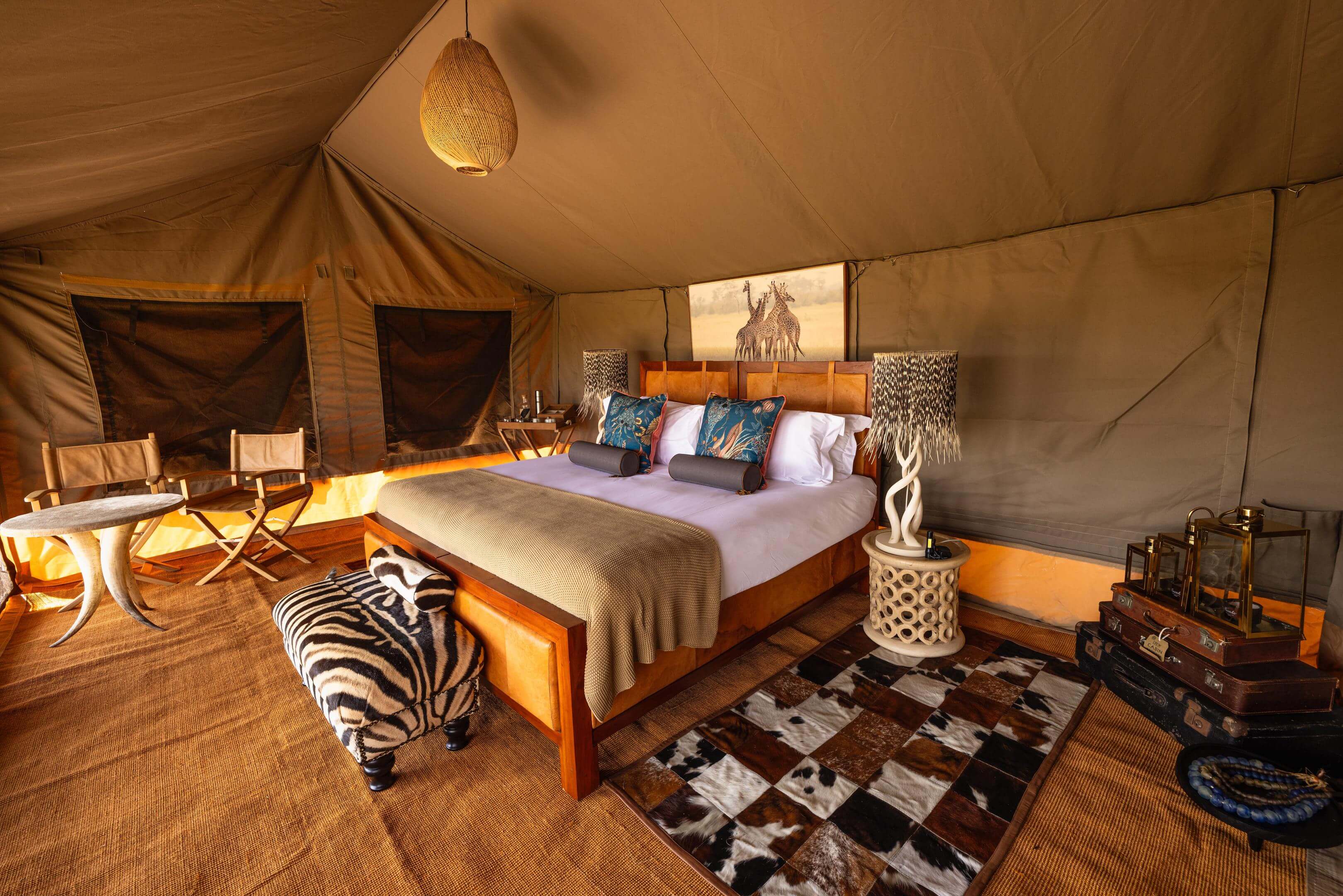
- Luxury Mobile Tented Camps: This is "glamping" at its most extreme. These camps move two to three times a year to follow the migration. The "tents" feature hardwood floors, en-suite bathrooms with hot pressurized showers, flush toilets, and 24-hour solar power. The benefit here is the immersive soundscape of the bush—hearing a lion’s roar at night through a canvas wall is an essential safari experience.
Comparison of Safari Tiers
To understand the value proposition of a provider like African Dream Safaris, it is helpful to compare the different levels of service available in Tanzania for the 2026 season.
| Feature | Budget/Standard Safari | Mid-Range Group Safari | ADS Luxury Private Safari |
|---|---|---|---|
| Vehicle Privacy | Shared (up to 7 people) | Shared (4-6 people) | 100% Private (Your party only) |
| Mileage Limits | Often restricted per day | Moderate limits | Unlimited mileage |
| Itinerary | Fixed/Standardized | Semi-flexible | Fully Tailor-made |
| Daily Schedule | Set by operator | Set by group consensus | Set by you and your guide |
| Accommodation | Public campsites/Basic huts | Standard lodges/camps | Ultra-luxury lodges/Mobile camps |
| Guide Experience | Variable | Experienced | Senior/Expert Naturalists |
| Typical Cost (per day) | $300 - $500 | $600 - $900 | $1,200 - $2,500+ |
Logistics: The Gateway to the Wilderness
A luxury safari experience begins long before the first game drive. For most travelers, the journey starts at Kilimanjaro International Airport (JRO). Top-tier operators provide "VIP Meet and Greet" services that bypass standard immigration queues, a vital service after a 15-hour flight.
Internal Flights (Bush Planes)
To maximize time in the wilderness, luxury itineraries often utilize "fly-in/fly-out" logistics. Instead of a grueling 8-hour drive from Arusha to the Serengeti on bumpy roads, guests take a light aircraft (such as a Cessna Grand Caravan) to a bush airstrip. This provides a stunning aerial perspective of the Great Rift Valley and places the traveler directly into the heart of the action within 45 to 60 minutes.
Health and Safety Protocols
In 2026, health security remains a priority. Luxury operators maintain strict protocols regarding food preparation and water purity. All water provided is bottled or highly filtered, and kitchens in luxury camps are held to international standards. Additionally, ADS and similar providers include "Flying Doctors" insurance as a standard component of their packages, ensuring that in the event of a medical emergency, a guest can be evacuated by air to a high-quality medical facility in Nairobi or Johannesburg.
Common Mistakes When Booking a Luxury Safari
Even with a high budget, several common pitfalls can diminish the quality of the experience:
- Over-scheduling: Trying to see too many parks in a short period leads to "safari burnout." It is often better to spend four nights in the Serengeti than two nights in three different parks.
- Ignoring Seasonality: Booking a trip to the Northern Serengeti in February means you will miss the Migration, which is in the South at that time. Ensure your operator aligns your lodges with the historical movements of the herds.
- Underestimating the Dust: Even in a luxury vehicle, the African bush is dusty. Travelers should bring appropriate gear (buffs, eye drops, and camera cleaning kits) regardless of the price point of their tour.
- Focusing Only on the "Big Five": While lions, leopards, elephants, buffalo, and rhinos are iconic, the Serengeti ecosystem offers incredible biodiversity, including over 500 bird species and unique flora, which are often overlooked.
Frequently Asked Questions
What is the best time of year for a luxury safari in Tanzania?
The "best" time depends on your goals. For the Great Migration river crossings, July through October is ideal. For the calving season and lush green landscapes, January through March is preferred. June and November are "shoulder seasons" that offer excellent wildlife viewing with fewer crowds and slightly lower pricing.
How far in advance should I book an African Dream Safari?
For the 2026 season, high-demand periods (July, August, and late December) often book out 12 to 18 months in advance. Because luxury lodges have a limited number of rooms (often only 10-15 suites), early planning is essential to secure the most prestigious locations.
Is a private safari safe for families?
Yes, private safaris are arguably the safest way for families to travel. Having a private vehicle allows parents to manage their children's needs without worrying about other guests. Guides are also exceptionally skilled at engaging children with "Junior Ranger" activities, animal tracking, and bushcraft.
What should I pack for a luxury safari in 2026?
The key is "safari chic"—functional but comfortable. Pack neutral colors (khaki, tan, olive) to blend into the environment and avoid attracting Tsetse flies (which are attracted to dark blue and black). Layers are essential, as morning game drives can be near freezing, while afternoons can reach 80°F (27°C). Most luxury lodges provide daily laundry service, so you can pack lighter than expected.
Do I need specific vaccinations for Tanzania?
Travelers should consult a travel clinic at least eight weeks before departure. Generally, Hepatitis A, Typhoid, and Polio boosters are recommended. Tanzania requires a Yellow Fever vaccination certificate if you are arriving from a country with a risk of Yellow Fever transmission. Malaria prophylaxis is also standard for most safari regions.
Final Recommendations for the 2026 Traveler
Choosing a luxury safari experience with African Dream Safaris is an investment in exclusivity and expert knowledge. To get the most out of your journey, prioritize the quality of the guide and the location of the lodges over the number of different parks visited. In the vast landscape of the Serengeti, being in the right place at the right time—facilitated by a private vehicle and an expert naturalist—is what transforms a standard vacation into a once-in-a-lifetime expedition.
Once your itinerary is set, focus your preparation on your photography gear and familiarizing yourself with Tanzanian customs. The transition from the high-speed modern world to the rhythmic, ancient cycles of the African bush is a profound experience that is best enjoyed when the logistical details are handled by professionals.