Affordable hair growth products can be effective if they contain clinically proven ingredients that address the underlying cause of your hair loss. While low-cost options often lack the concentration or proprietary delivery systems of high-end clinical treatments, many budget-friendly products utilize established active ingredients like minoxidil or nutrient-dense scalp serums that support follicular health and provide tangible results for consistent users.
Hair loss is a multifaceted condition that can be triggered by genetics, hormonal imbalances, nutritional deficiencies, or environmental stressors. When navigating the crowded marketplace of hair growth solutions, the price point often reflects marketing budgets, ingredient purity, and the inclusion of advanced delivery technologies rather than the raw efficacy of the active compounds. Understanding whether an affordable product will work requires a shift from focusing on brand prestige to scrutinizing the specific components listed on the back of the bottle.
The Science of Affordability in Hair Care
The cost of hair growth products is rarely determined solely by their ability to grow hair. Instead, it is influenced by clinical testing, packaging, fragrance profiles, and the retail markup associated with luxury aesthetics. An affordable product is not necessarily a "weak" product; it may simply be a "no-frills" product.
Most over-the-counter hair growth solutions rely on a few well-studied pathways. These include increasing blood flow to the follicle, extending the growth phase (anagen) of the hair cycle, or inhibiting dihydrotestosterone (DHT)—a hormone derivative linked to androgenetic alopecia, or pattern baldness. When you purchase an inexpensive product, you are often paying for the commodity version of these ingredients without the overhead of clinical branding.
Core Ingredients to Look For
If you are evaluating the efficacy of budget-friendly products, your first step should be to look for "Active Ingredients" rather than "Key Ingredients." Active ingredients are subject to regulatory standards and have undergone peer-reviewed studies regarding their impact on hair retention and regrowth.
- Minoxidil: This remains the gold standard for non-prescription hair growth. It is a vasodilator, meaning it widens blood vessels, allowing more oxygen and nutrients to reach the hair follicle. Because the patent for minoxidil has long expired, it is widely available in generic, affordable forms.
- Ketoconazole: Often found in affordable anti-dandruff shampoos, ketoconazole has been shown in some studies to have anti-androgenic properties, potentially helping to reduce scalp inflammation and limit the effects of DHT on the scalp.
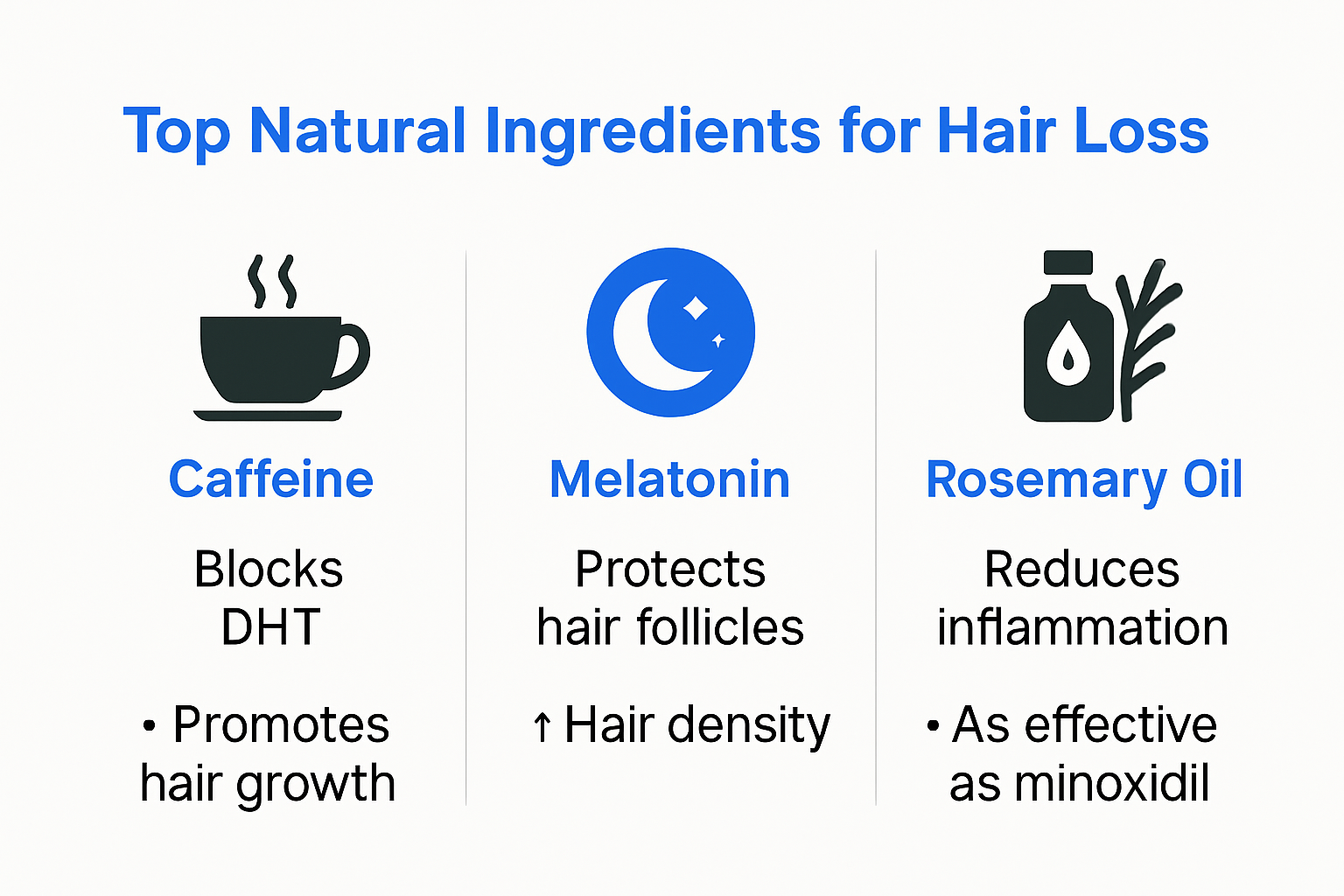
- Caffeine: When applied topically, caffeine has been studied for its ability to penetrate the scalp and stimulate hair follicles, counteracting the suppressive effects of testosterone in hair roots.
- Biotin and Keratin: While these are often marketed heavily, their efficacy is primarily for strengthening the existing hair shaft rather than stimulating new growth from dormant follicles. They are essential for maintenance but are rarely sufficient as a standalone solution for significant hair thinning.
Understanding Your Hair Loss Type
The effectiveness of any product, regardless of price, is predicated on the match between the solution and the problem. If you are experiencing androgenetic alopecia, a simple biotin shampoo will likely yield negligible results because it does not address the hormonal component of your hair loss.
- Androgenetic Alopecia (Pattern Baldness): Requires products that inhibit DHT or stimulate follicle blood flow (e.g., Minoxidil).
- Telogen Effluvium (Stress-Related Shedding): Often corrects itself with time; products that support scalp health and reduce breakage are useful here.
- Nutritional Deficiencies: If your hair loss is due to iron or vitamin deficiencies, topical growth products will be ineffective. A blood test to identify specific deficits is a more cost-effective "treatment" than buying expensive topical serums.
- Traction Alopecia: Caused by physical pulling or tension. No amount of product will regrow hair if the tension remains. Physical lifestyle adjustments are the only effective intervention.
Comparing Market Tiers
To determine if an affordable product is right for you, consider the following comparison of how different market tiers approach the same biological problem.
| Feature | Budget/Generic Options | Premium/Clinical Brands |
|---|---|---|
| Active Ingredients | Foundational (e.g., Minoxidil) | Foundational + Proprietary Peptides |
| Delivery System | Standard solvent-based | Specialized, time-release formulas |
| Sensory Profile | May have medicinal scent/residue | Enhanced fragrance, cosmetic texture |
| Marketing | Minimal; focused on efficacy | Intensive; lifestyle-based branding |
| Cost Basis | Low markup; commodity pricing | High research and brand-tax markup |
The Role of Consistency and Time
One of the biggest misconceptions in hair growth is that products work like a tonic that provides immediate gratification. Whether you buy a five-dollar bottle of minoxidil or a fifty-dollar luxury serum, the biological timeline for hair growth remains the same. Hair grows at an average rate of approximately 0.5 inches per month.
Because the hair cycle involves a resting phase (telogen) and a shedding phase (exogen), you will rarely see clinical results before the three-month mark. Many consumers abandon affordable products after four weeks, concluding they are "ineffective," when in reality, the product was never given the required biological window to function.
Common Pitfalls and Troubleshooting
When using lower-cost products, you may encounter specific challenges that differ from high-end counterparts.
- Scalp Irritation: Budget-friendly formulations often use higher concentrations of alcohol or propylene glycol to ensure stability and rapid absorption. This can cause dryness, itching, or inflammation. If this occurs, look for "sensitive skin" variants or follow up with a gentle, fragrance-free moisturizer.
- Product Residue: Some affordable topical solutions can leave a white, powdery residue or make the hair feel stiff. This is purely cosmetic and does not impact the efficacy of the growth stimulant. You can often manage this by applying the product at night rather than in the morning.
- The "Shedding Phase": When you start an effective growth product, it is normal to experience an initial increase in hair shedding. This happens because the product is forcing hair follicles to transition from the resting phase into a new growth phase, pushing out old hairs to make room for new ones. Do not mistake this for the product "failing."
The Importance of Realistic Expectations
Effective treatment does not always mean a full return to the density of your youth. For many, "effectiveness" means the cessation of further hair loss or the thickening of existing thin hairs. If you have been completely bald in an area for several years, the follicles in that region are likely scarred or dormant beyond reactivation via topical products. In these instances, no product—affordable or expensive—will regrow hair. Professional consultation with a dermatologist is the only way to verify if your hair follicles are still viable.
Frequently Asked Questions
Does a cheaper minoxidil work just as well as the brand-name versions? Yes. In the United States, generic minoxidil must meet the same stringent manufacturing standards as the leading national brand. As long as the concentration (typically 2% or 5%) is the same, the biological impact on the hair follicle is identical.
Are "hair growth vitamins" actually effective? Only if you have a documented deficiency. For most people with a balanced diet, excess vitamins are excreted by the body. They are generally an unnecessary expense unless a healthcare provider has diagnosed a specific vitamin or mineral gap.
How do I know if an affordable product is authentic? Purchase from established retailers or directly from the manufacturer. Avoid third-party marketplace sellers that offer "discounted" professional-grade products, as these are frequent targets for counterfeit goods that may contain harmful or ineffective substances.
Can natural, budget-friendly oils like rosemary oil stimulate growth? Some studies, such as those published in the journal SKINmed, have suggested that rosemary oil can be as effective as 2% minoxidil in managing androgenetic alopecia over the long term. However, it requires significant patience and consistent application, and it does not work for everyone.
Why do some affordable products come in large sizes? Manufacturing at scale reduces the cost per milliliter. When you buy a larger bottle of a verified generic product, you are benefiting from the economies of scale that mass-market brands enjoy. Check the expiration dates on large bottles to ensure the active ingredients remain stable throughout the duration of use.
Final Recommendation
If you are looking to address hair thinning, start by identifying the root cause. If you suspect pattern hair loss, a generic 5% minoxidil solution is the most scientifically supported, cost-effective starting point. Avoid the temptation to rotate through various low-cost "natural" supplements, as this is rarely effective. Instead, choose one clinically validated product, commit to using it daily for at least six months, and prioritize scalp health by keeping the skin clean and free of inflammation. If you do not see a plateau or improvement after this period, consult a dermatologist to explore advanced clinical options.