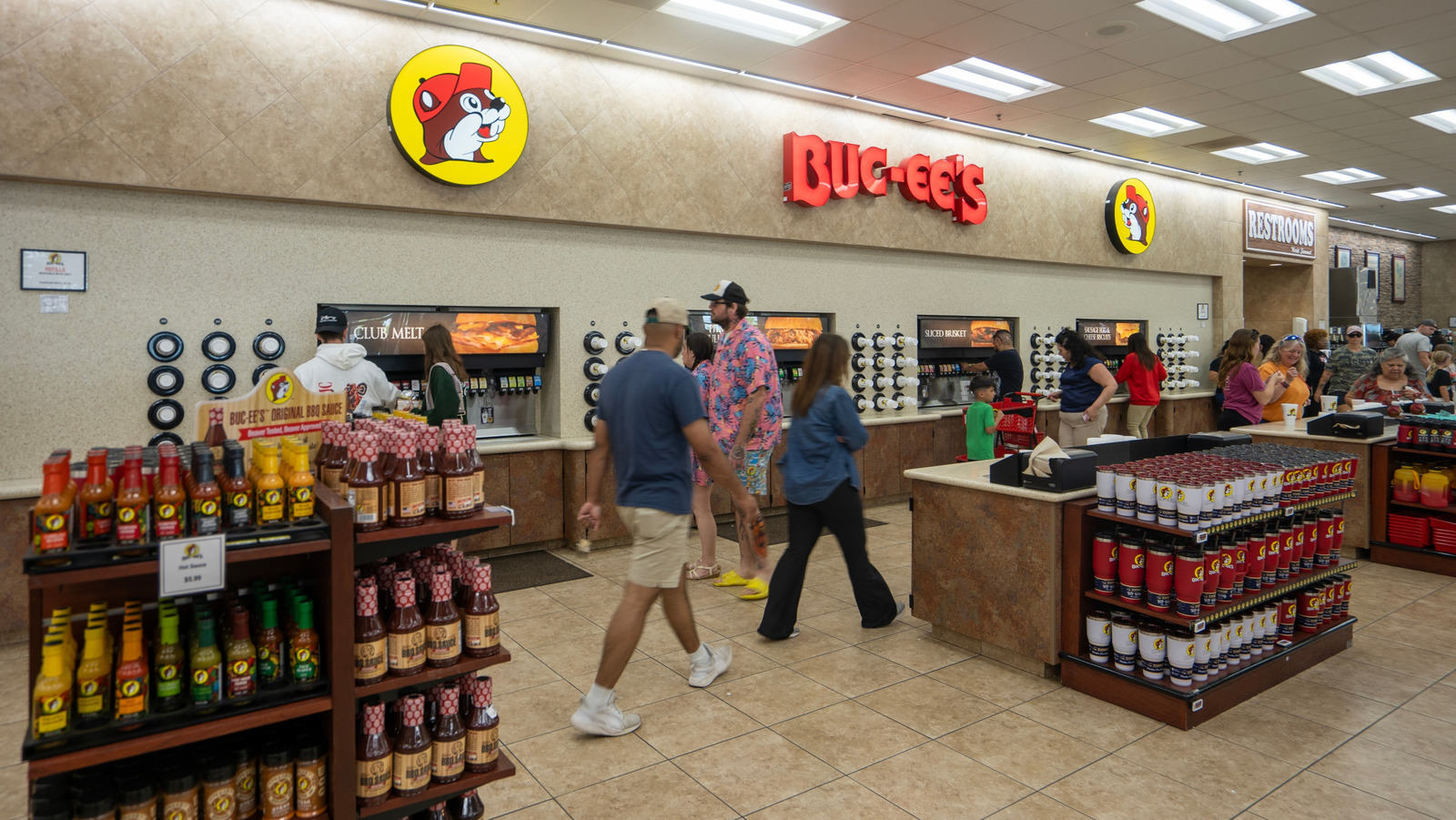
No, not all Buc-ee’s locations are the same size. While the brand is famous for its sprawling, massive travel centers, individual store footprints vary significantly depending on the age of the location, the local real estate constraints, and the specific strategic goals for that market. While most modern flagship locations are built to a standardized, gargantuan scale, older stores and newer urban-adjacent concepts differ in total square footage.
The Evolution of the Buc-ee’s Blueprint
To understand why Buc-ee’s locations vary in size, one must look at the company’s history. Founded in 1982 by Arch "Beaver" Aplin III and Don Wasek, the brand began as a traditional, albeit well-managed, neighborhood convenience store in Lake Jackson, Texas. During these formative years, the stores were comparable in size to standard retail gas stations found across the United States. They focused on local clientele, clean restrooms, and reliable fuel service rather than the "destination travel center" model that defines the brand today.
As the company expanded, the business model shifted toward the mega-format. This transition did not happen overnight; it was a deliberate evolution to capture the highway-traveler market. Today, the "standard" Buc-ee’s that customers identify as the brand's signature format—typically ranging from 50,000 to over 75,000 square feet—represents only the most recent iteration of their expansion strategy. Consequently, a traveler visiting a newer site in Tennessee or Colorado will have a vastly different spatial experience than a customer visiting a legacy site in rural Texas.
Defining the Modern "Mega-Store" Standard
In the current landscape of 2026, the company’s primary development focus is on massive facilities designed to accommodate hundreds of vehicles and thousands of shoppers simultaneously. These flagship stores are not just gas stations; they are complex retail ecosystems.
The physical scale is driven by the internal "departments" that the company insists upon including in every flagship design. These include:
- The Food Service Core: Dedicated stations for brisket, fudge, kolaches, and made-to-order sandwiches.
- The Merchandising Floor: Extensive sections for apparel, home decor, outdoor equipment, and specialty food products.
- Restroom Capacity: An architectural requirement for high-volume, pristine, and extremely large restroom facilities, which themselves occupy a significant percentage of the total square footage.
- Fueling Arrays: The exterior footprint is just as important as the interior, with modern locations regularly featuring over 100 fueling pumps.
When a location is described as a "Buc-ee’s," the public expectation is often set by the world-record-holding locations, such as the site in Sevierville, Tennessee, which spans over 74,000 square feet. Because this specific size has become the brand’s marketing identity, smaller, older stores can feel surprisingly diminutive to a first-time visitor expecting the "mega-store" experience.
Why Size Varies: Constraints and Strategy
The variation in square footage is rarely accidental; it is the result of balancing the brand's operational requirements with the reality of site acquisition.
Real Estate and Zoning
Developing a 70,000-square-foot facility requires a significant amount of contiguous acreage. In many high-traffic corridors, acquiring a parcel of land large enough to support the building, the massive parking lot, the fuel islands, and the septic or utility infrastructure is impossible. Where the company cannot secure the "ideal" amount of land, they may opt for a slightly smaller building footprint to ensure the facility remains functional and compliant with local zoning laws.
Market Maturity
The company’s growth strategy involves both "in-fill" development and new market penetration. In markets where the brand already has a dense presence, it may not need every store to be a massive flagship. Some locations serve as high-efficiency points of service. These stores prioritize fuel volume and essential snacks over the vast, labyrinthine shopping experience of a regional anchor store.
Operational Maintenance
Maintaining a 70,000-square-foot retail space is a massive undertaking involving HVAC maintenance, high-end cleaning crews, and logistics management. In certain micro-markets, the overhead required to staff and maintain a mega-center might not be justified by the projected traffic. In these instances, the company may scale the building down to meet the specific demand of that highway exit without compromising the brand's core standard of service.
Comparing the Footprint: A General Guide
While the company does not release a standardized manual of store sizes, observers of the chain can categorize the locations into tiers based on their function and build era.
| Store Classification | Approximate Size (sq. ft.) | Primary Purpose |
|---|---|---|
| Legacy / Early Generation | 3,000 – 10,000 | Neighborhood convenience, local fuel, legacy branding. |
| Mid-Tier Growth Stores | 20,000 – 40,000 | Transitional stores built during the move to travel centers. |
| Standard Flagship (Modern) | 50,000 – 65,000 | Full-scale travel center with complete food and retail. |
| Super-Flagship | 70,000+ | Destination locations with maximum inventory and fuel. |
Note: The table above reflects observational groupings based on common site variations and does not represent official architectural specifications from the company.
What Stays the Same Regardless of Size?
The core question for most travelers is whether the "Buc-ee’s experience" suffers when the building size is smaller. The company works hard to maintain a high degree of consistency across all locations, regardless of their square footage.
1. The Restroom Standard: Regardless of whether the store is 20,000 or 70,000 square feet, the brand prioritizes the cleanliness and size of its restrooms. This is the bedrock of their customer loyalty and is maintained at every facility.
2. The Snack Selection: You will typically find the same core branded products—Beaver Nuggets, trail mixes, and house-made fudge—at almost any location. While smaller stores may carry fewer non-food retail items (like patio furniture or large-scale lawn decor), the edible staples that drive repeat visits remain a constant.
3. Fuel Reliability: Every location, regardless of the store size, is designed around high-volume fuel service. The number of pumps may fluctuate, but the layout remains optimized for quick ingress and egress for large vehicles.
Common Misconceptions About Store Size
A frequent point of confusion for shoppers is the assumption that "newer" always means "bigger." While the trend has been toward building larger facilities, the company is also refining its efficiency. It is possible to see a brand-new, highly efficient store that is technically smaller than an older, sprawling site that was built on a massive, cheap plot of land.
Another common mistake is judging a store's capability by its exterior alone. The presence of a massive parking lot with hundreds of fueling stations sometimes leads customers to assume the interior store is equally cavernous, when in fact, the store design may have been localized to fit a specific traffic flow pattern.
Troubleshooting Your Expectations
If you are planning a stop at a specific Buc-ee’s, the best way to determine what that location offers is to check the location’s specific page on the company’s official website or utilize a mapping service that provides interior photos.
If you are looking for the "full experience"—the one with the wall-to-wall jerky bar, the massive home goods section, and the extensive hot food counter—look for locations that are marketed as "Travel Centers." If a location is simply listed as a "Store" in older press releases or local documents, it may be a smaller, older footprint. However, because the brand is aggressive about updating its image, even these older stores are frequently retrofitted with the latest branding and merchandise displays.
Frequently Asked Questions
Are the gas prices different at larger Buc-ee’s locations? Fuel pricing is generally set based on local market competition and regional wholesale costs rather than the size of the building itself. A massive flagship store in a high-traffic area might have different pricing dynamics than a smaller store in a rural area, but this is a function of the local economy, not the square footage of the building.
Can I expect the same food menu at a smaller Buc-ee’s? Generally, yes. The primary food offerings—such as brisket sandwiches, boudin, and kolaches—are the brand’s hallmark. Smaller stores may have a slightly condensed menu compared to the super-flagships, but the core items that the brand is famous for are present across almost the entire network.
Why does the company build such massive stores now? The strategy is to turn the gas station into a destination. By increasing the size, they can offer a wider variety of goods, house more food service staff, and create a "comfortable" environment that encourages travelers to stay longer, which in turn increases the likelihood of additional purchases beyond just fuel.
Are there plans to shrink the stores in the future? As of 2026, the company continues to focus on large-scale development. There is no public indication that they are moving toward smaller, urban-format convenience stores. The brand’s identity is firmly rooted in the "mega-store" model, and they remain committed to providing a broad, multi-department shopping experience at their stops.
How can I find the biggest Buc-ee’s? The company frequently highlights its largest locations in press releases when they open. If you are specifically hunting for the "world's largest" experience, look for recent openings in states like Tennessee, Kentucky, or new developments in Texas, as these are consistently built to the highest current square-footage standards.
Final Recommendation
Do not let the size of a specific Buc-ee’s location dictate your travel plans. While the mega-flagships offer an impressive visual experience and a wider inventory of retail goods, the primary benefits of the brand—spotless restrooms, high-quality fuel service, and a consistent selection of signature snacks—are present at all locations. If your primary goal is a quick, high-quality stop to recharge, any Buc-ee’s will provide the standard of service that has made the brand a household name. If you are looking for a leisure shopping destination, prioritize the newer, massive travel centers, as they offer the most comprehensive version of the brand’s retail catalog.