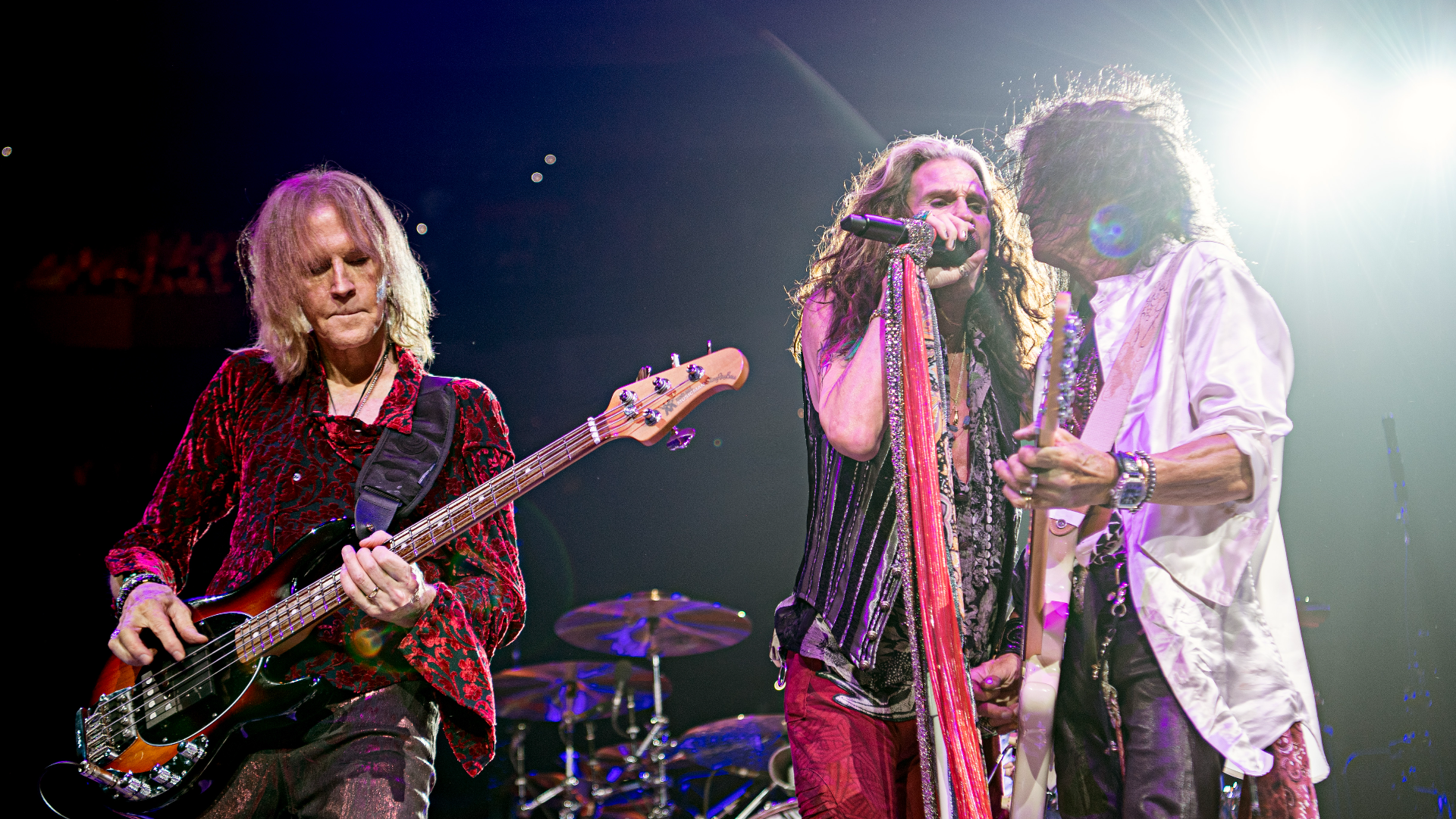
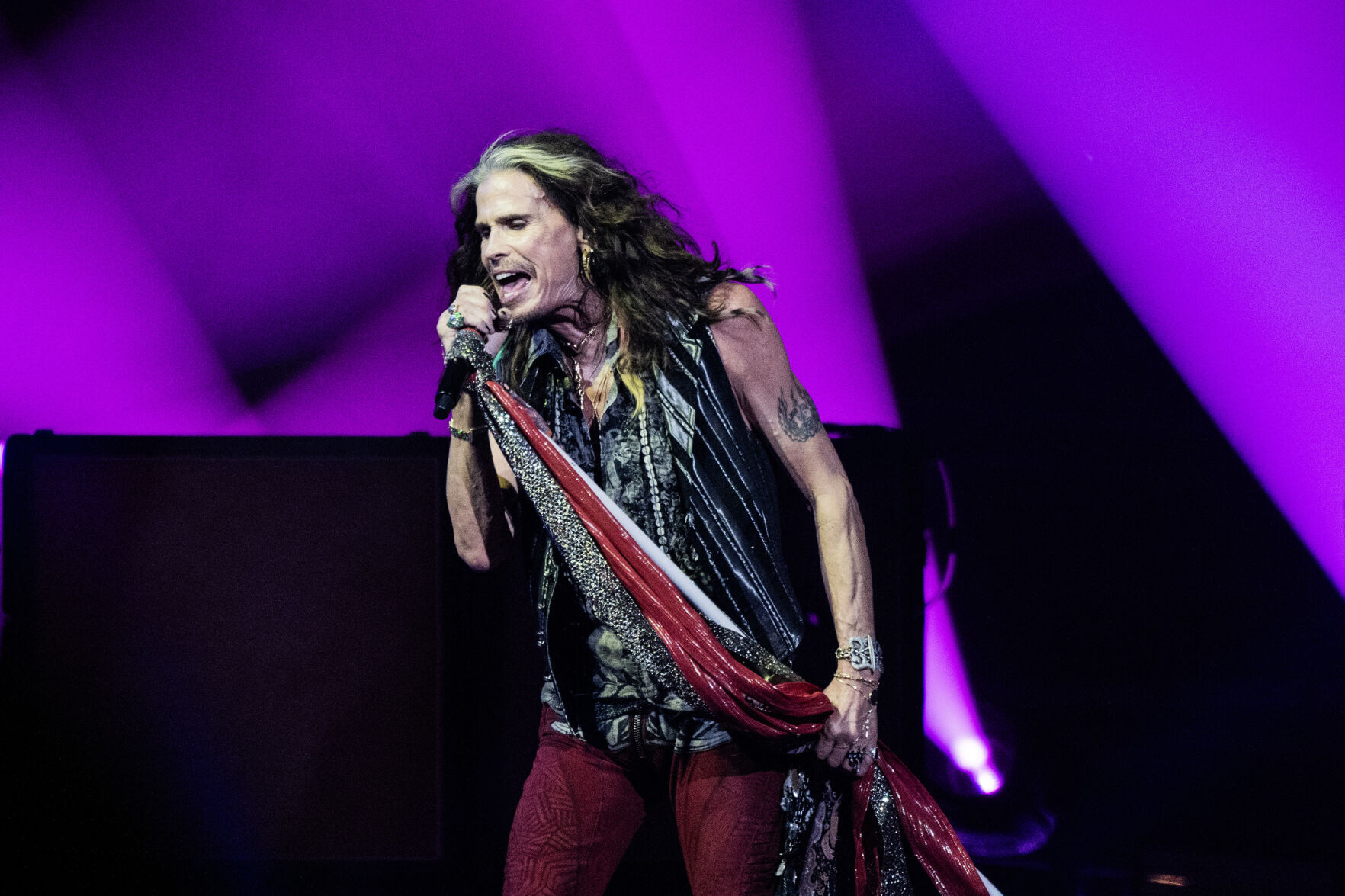
Aerosmith’s highly anticipated "Peace Out: The Farewell Tour" came to a sudden, permanent halt following Steven Tyler’s severe vocal cord injury and fractured larynx sustained in late 2023. The official announcement of the band's retirement from the road leaves fans dealing with secondary-market refund complexities, lingering questions about internal band dynamics, and the abrupt conclusion of a iconic 50-year live performing legacy.
The Abrupt Final Chord: How the "Peace Out" Tour Came to a Halt
In May 2023, Aerosmith announced "Peace Out: The Farewell Tour," a massive 40-date North American arena run produced by Live Nation. Designed as a celebration of the band’s five decades of groundbreaking hard rock, the tour promised a high-production retrospective of their career, featuring special guests The Black Crowes. The tour kicked off on September 2, 2023, in Philadelphia, Pennsylvania, to enthusiastic critical reviews and packed arenas.
However, the celebration was short-lived. During the tour's third show on September 9, 2023, at the UBS Arena in Elmont, New York, frontman Steven Tyler suffered severe vocal trauma. Initial medical evaluations revealed that Tyler had suffered vocal cord hemorrhage alongside a fractured larynx. A fractured larynx—a rare and debilitating injury for any vocalist—occurs when the cartilaginous framework protecting the vocal folds sustains structural damage. For a rock singer known for high-octane screaming, wide vocal range, and intense blues-based belting, such an injury presents catastrophic challenges to vocal performance.
Initially, the band postponed a handful of September dates, attempting to reschedule them for late 2023. As medical specialists assessed the extent of the damage, it became clear that simple rest would not suffice. In late September 2023, the band announced that the entire remaining tour would be pushed into 2024 to allow Tyler time for medical treatment and therapy under the care of top laryngologists.
Despite months of intensive rehabilitation, physical therapy, and expert medical intervention, full recovery of the vocal apparatus proved impossible. In August 2024, Aerosmith issued an official statement confirming their permanent retirement from the touring stage. The band articulated that while Tyler had worked tirelessly alongside his medical team, achieving a vocal state capable of sustaining a multi-city live arena tour was no longer medically feasible. The cancellation of all remaining tour dates abruptly closed the touring chapter of one of American rock music's most enduring acts.
Primary Unresolved Issues Surrounding the Farewell Tour Cancellation
While the medical reason for ending the tour is clear, the abrupt cancellation triggered several logistical, financial, and narrative complications for fans, promoters, and rock history enthusiasts.
Secondary Ticket Market and Refund Complications
For fans purchasing tickets directly through primary ticketing platforms such as Ticketmaster or AXS, the refund process was designed to be automatic. Primary tickets were credited back to the original method of payment used at purchase. However, the modern concert ticketing ecosystem is heavily reliant on secondary ticketing exchanges (such as StubHub, Vivid Seats, and SeatGeek), which introduced considerable friction for consumers.
When an event is permanently canceled rather than postponed, secondary marketplaces typically mandate that sellers issue refunds to buyers, or the platform issues account credits/refunds based on their individual fan protection guarantees. However, numerous unresolved issues emerged:
- Original Purchase vs. Resale Price Gaps: Secondary market buyers who paid inflated speculative prices or high service fees often faced disputes regarding whether full service fees were included in the refund.
- Transferred Tickets and Cash-Out Delays: Customers who purchased tickets via speculative listing brokers or private peer-to-peer transfers faced prolonged delay periods while intermediary payment processors verified ticket invalidation.
- Gift Card and Account Credit Defaults: Some third-party platforms defaulted to offering site credits rather than cash refunds to original payment methods, requiring consumers to proactively opt into cash returns within tight statutory windows.
Band Dynamics and the Absence of Joey Kramer
Another major area of ongoing fan discussion involves the internal lineup of the band during its final era. Founding drummer Joey Kramer did not participate in the "Peace Out" tour dates, continuing an absence that began prior to the band's 2022 Las Vegas residency, "Deuces Are Wild."
Kramer had previously stepped away from touring due to family priorities and physical strain, with long-time drum technician John Douglas taking over drumming duties. Although the band’s public statements maintained an affectionate tone toward Kramer, his exclusion from the final live performances of Aerosmith's career left an unclosed chapter for fans who hoped to see all surviving original members—Steven Tyler, Joe Perry, Brad Whitford, Tom Hamilton, and Joey Kramer—share the stage one last time.
The Status of Future Recordings and Vault Material
The end of live touring does not inherently mean the complete end of musical output, yet Aerosmith's future recording plans remain largely unclarified. Aerosmith's last studio album of original material, Music from Another Dimension!, was released in 2012.
Questions remain regarding:
- Unreleased Studio Archival Material: The status of unreleased studio sessions accumulated across decades of recording contracts with Columbia and Geffen Records.
- Live Archival Releases: Whether multi-track recordings from the brief 2023 "Peace Out" dates or historical multi-night runs will be remixed and officially issued as commemorative live sets.
- Potential Studio Work: Whether Steven Tyler’s vocal condition permits lower-strain studio vocal tracking where punch-ins, isolation, and extended resting periods are possible, even if continuous two-hour live concerts are ruled out.
Financial and Logistic Impact: A Direct Comparison of Ticket Holder Scenarios
The sudden cancellation of a major arena tour leaves consumers in varying financial situations depending on how, where, and when they acquired their entry passes. Below is a breakdown of the standard resolution channels and potential complications faced by ticket holders following the tour's cancellation.
| Purchasing Channel | Refund Policy / Mechanism | Typical Processing Timeframe | Primary Consumer Action Required |
|---|---|---|---|
| Primary Outlet (Ticketmaster / AXS) | Automatic refund to original payment method, including base face value and standard ticketing fees. | 14 to 30 business days from official cancellation announcement. | None required unless original credit/debit card is expired or closed. |
| Secondary Market (StubHub / Vivid Seats / SeatGeek) | Full refund or platform credit equivalent to 100%–120% of purchase price per fan guarantee terms. | 10 to 21 business days after event is formally marked canceled in database. | Must log into account dashboard to select cash/card refund option over default site credit. |
| VIP Package Providers (Superfan / Official Packages) | Automatic refund of ticket and VIP merchandise access portion. Physical merchandise shipped prior may be deducted. | 30 to 45 business days. | Contact VIP coordinator if merchandise arrived damaged or if partial refunds are miscalculated. |
| Third-Party Peer-to-Peer (PayPal / Venmo / Cash App) | Dependent on buyer protection settings chosen during payment (Goods & Services vs. Friends & Family). | Variable; subject to platform dispute windows (up to 180 days). | File a formal item-not-received dispute if seller refuses voluntary return of funds. |
| Travel & Accommodation (Hotels / Flights) | Standard non-refundable travel bookings are generally non-reimbursable by concert promoters. | N/A (Handled via travel vendor). | Submit event cancellation notice to credit card travel insurance or travel provider for goodwill credits. |
Managing Ticket Refunds and Resolution Protocols for Cancelled Live Events
When major concert tours collapse due to medical or logistical emergencies, consumers must systematically audit their transactions to ensure complete financial recovery. Navigating ticket returns requires understanding payment processing rules, secondary seller policies, and banking protections.
Resolving Primary Ticketing Disruptions
If tickets were purchased directly via the primary seller (such as Ticketmaster or venue box offices), the process is usually automated. However, financial bottlenecks occur when the card used for the initial purchase has since expired, been reported lost, or belongs to a canceled bank account.
- Check Card Account Status: If the original credit or debit card is no longer active, contact the issuing bank immediately. In most cases, banks automatically route electronic refund credits to the updated card tied to the same underlying account.
- Contact Primary Ticketing Customer Support: If the bank account itself was closed, contact the primary ticketing platform's support team to provide updated direct deposit instructions or request a manual check issuance.
- Review Fee Exclusions: Standard order processing and delivery fees are legally required to be refunded in most jurisdictions when an event is canceled entirely by the organizer.
Handling Secondary Market and Resale Disputes
Secondary market brokers act as intermediaries between third-party sellers and buyers. When an entire tour is canceled, secondary platforms trigger buyer guarantee clauses.
- Explicit Cash Selection: Secondary ticketing companies frequently issue account credits with promotional bonuses (e.g., 110% or 120% credit) as the default resolution. Fans who prefer liquid cash must manually select the credit-card refund option within their platform account settings before statutory deadlines expire.
- Disputing Peer-to-Peer Transactions: If tickets were purchased directly from an individual seller using digital wallet services, ensure the transaction was processed under "Goods and Services." Transactions completed under "Friends and Family" classifications lack buyer protection, leaving recovery dependent entirely on the seller's cooperation.
Utilizing Credit Card Chargebacks as a Last Resort
When ticketing platforms, secondary brokers, or independent resellers refuse to honor cancellation terms or fail to process returns within standard timeframes, consumers can leverage banking protection laws. Under the Fair Credit Billing Act (FCBA) in the United States, as well as equivalent consumer rights regulations in other countries, consumers have the right to dispute charges for services that were not rendered.
To initiate an effective chargeback dispute:
- Gather Documentation: Retain the original purchase confirmation receipt, the official cancellation notice issued by the artist or tour promoter (Live Nation), and proof of any communication with the seller requesting a refund.
- Observe Dispute Timelines: Most financial institutions require dispute filings within 60 to 120 days of either the purchase date or the date the service was scheduled to be delivered.
- Submit Direct Evidence: Provide explicit evidence showing that the event was permanently canceled rather than postponed to a future date, establishing that the merchant failed to provide the agreed-upon service.
Rock Vocal Strain and the Medical Realities of Age-Related Vocal Trauma
Steven Tyler's injury highlights the immense physical demands placed on modern rock vocalists. Hard rock touring requires repetitive, high-intensity exertion of the laryngeal muscles, often compounded by dense touring schedules, long travel hours, and acoustic noise on stage.
Vocal Health Risk Factors in Long-Term Touring
- Mechanical Strain
- High-pitched belting / extended raspy vocal techniques
- Stage sound volume levels (requiring vocal over-projection)
- Physiological Factors
- Vocal fold mucosal inflammation / hemorrhage
- Laryngeal cartilage stiffness associated with aging
- Tour Operations
- Consecutive performance nights without 24–48 hour vocal rest
- Climate variations (dry air conditioning, outdoor ambient shifts)
Understanding Laryngeal Fractures and Vocal Fold Hemorrhage
The larynx, commonly referred to as the voice box, is made up of cartilage, muscle, and mucous membranes. Vocal fold hemorrhage occurs when a blood vessel within the vocal fold ruptures, leaking blood into the delicate tissues beneath the surface. This causes immediate hoarseness, loss of range, and severe pain if the vocalist continues to sing.
A larynx fracture involves structural damage to the thyroid or cricoid cartilages surrounding the vocal folds. Causes and complications include:
- Impact of Extreme Phonation: While laryngeal fractures are frequently caused by blunt force trauma (such as sports injuries or motor vehicle accidents), extreme, hyper-functional vocal exertion—especially using aggressive distortion or screaming techniques—can put severe mechanical stress on the laryngeal structure.
- Healing Dynamics in Older Adults: As individuals age, laryngeal cartilages undergo gradual ossification (hardening into bone-like material), making them less flexible and more susceptible to structural injury under intense strain. Healing requires prolonged periods of total vocal rest (silence), voice therapy, and sometimes surgical intervention.
- Irreversible Changes to Timbre and Range: Even after structural healing occurs, scar tissue on the vocal folds alters their mass, elasticity, and closure mechanics. For a singer whose signature sound relies on extreme upper-register control and dynamic power, structural scarring often permanently prevents the recreation of their signature vocal range.
The Legacy of Aerosmith's Touring Era
Formed in Boston in 1970, Aerosmith reshaped American hard rock over five decades of continuous operation. Their touring history spans from local New England ballrooms and 1970s stadium festivals (such as California Jam II) to multi-platinum global arena runs, high-profile co-headlining tours (notably with Kiss in 2003 and Motley Crue in 2006), and major extended Las Vegas residencies.
Key Milestones in Aerosmith's Live Performance History
- The 1970s Breakthrough: Rapid ascent from club acts to arena headliners following the commercial success of Get Your Wings (1974), Toys in the Attic (1975), and Rocks (1976), establishing the band's reputation for high-energy, raw blues-rock performances.
- The Mid-1980s Comeback: After years of interpersonal friction, substance battles, and lineup shifts, the original lineup reunited for 1984's "Back in the Saddle" tour, paving the way for their massive commercial resurgence with Permanent Vacation (1987) and Pump (1989).
- The Arena & Stadium Empire (1990s–2000s): Massive global tours supporting Get a Grip (1993) and Nine Lives (1997), featuring state-of-the-art stage design, video integration, and international stadium appearances.
- The Residency Era: Transitioning away from exhausting multi-month global travels toward fixed-location residencies, notably the multi-year "Deuces Are Wild" residency at the Park MGM in Las Vegas, which allowed high-production values with reduced physical strain on travel days.
The abrupt end of the "Peace Out" tour marks the final performance boundary for one of the longest-running original-lineup rock bands in history. While the sudden conclusion left logistics unfinished for ticket holders and fans, the band's 50-year live catalog remains one of the most commercially successful touring legacies in American music.
Frequently Asked Questions
Why was Aerosmith's "Peace Out" tour permanently canceled?
The tour was permanently canceled due to a severe vocal cord injury and fractured larynx sustained by lead singer Steven Tyler during a performance in September 2023. Despite months of specialized medical treatment and rehabilitation, full recovery suitable for live touring performance proved impossible.
Will Aerosmith schedule any makeup dates or future acoustic performances?
No future tour dates or acoustic shows are scheduled. The band's August 2024 official announcement explicitly stated that Aerosmith has permanently retired from live touring. While studio work or limited, non-touring appearances are not strictly impossible, live concert operations have officially ended.
How do I get a refund if I bought my Aerosmith tickets from a third-party seller?
If you purchased tickets through secondary resale platforms like StubHub, SeatGeek, or Vivid Seats, log into your account dashboard. Most platforms offer a full refund to your original payment method or a site credit under their buyer protection policies. You may need to manually select the cash refund option if the site defaults to issuing store credit.
Is Joey Kramer listed as a member of Aerosmith following the retirement announcement?
Joey Kramer remains an official founding member of Aerosmith. However, he did not participate in the 2023 "Peace Out" tour dates prior to its cancellation, having temporarily stepped back from touring in recent years to focus on family and personal health.
What happens if the credit card I used to buy Aerosmith tickets is now closed or expired?
Primary ticketing platforms (like Ticketmaster) route electronic refunds back to the financial institution that issued the original card. If the account is still open, the bank will transfer the refund to your active credit/debit card. If the entire bank account is closed, contact the primary ticketing platform's customer support immediately to arrange an alternative payment method or paper check.
Can Steven Tyler still record new music in a recording studio?
While Steven Tyler can no longer sustain the severe, continuous physical strain of two-hour live arena concerts night after night, studio recording operates under entirely different vocal conditions. In a studio environment, vocalists can record short takes, rest extensively between tracks, and adjust vocal keys, making future studio work technically possible if his ongoing medical recovery allows.
Next Actions for Impacted Fans and Ticket Holders
- Verify Refund Status on Account Statements: Check your bank or credit card statements for credits from Ticketmaster, AXS, or your venue box office covering the full purchase price of canceled dates.
- Log Into Secondary Market Portals: If you purchased through secondary marketplaces, log into your account to confirm whether your balance was issued as site credit or refunded to your card, ensuring you opt into cash returns within the allowable window.
- Beware of Unofficial Ticket Resale Scams: Be cautious of third-party individuals offering "commemorative non-cancelled ticket stubs" or unverified archival recordings on social media platforms, as physical ticket scams frequently target fan bases following major tour cancellations.
- Preserve Dispute Documentation: If a ticket broker or digital wallet service refuses to return your funds for the canceled tour, compile your original transaction confirmation alongside the official retirement statement from Aerosmith, and submit a service-not-rendered chargeback request to your credit card issuer.