The inquiry into "Adam Smith and Billy Porter" explores a conceptual bridge between classical economic theory and modern queer performance art. While they operate in vastly different domains—the 18th-century foundations of capitalism and 21st-century theatrical advocacy—their intersection represents the broader evolution of individual agency and the societal structures that define personal and economic freedom.
Adam Smith, the Scottish moral philosopher often cited as the father of modern economics, articulated a framework centered on the "invisible hand" and the role of the individual within a free market. Billy Porter, an Emmy, Grammy, and Tony-winning performer, serves as a contemporary icon of radical self-expression, challenging traditional cultural and stylistic barriers. Connecting these two figures involves analyzing how the Enlightenment values of individual autonomy and specialized labor have transitioned from industrial economic concepts into the realm of cultural identity and the performance of self.
Adam Smith: The Foundations of Individual Agency
To understand the trajectory of human agency that leads to figures like Billy Porter, one must first look at the architectural foundation laid by Adam Smith in The Wealth of Nations (1776). Smith argued that when individuals are free to pursue their own interests, they often unintentionally promote the good of society. This was not a call for anarchy, but a profound recognition that specialized talent and personal liberty are the engines of progress.
Smith’s focus on the "division of labor" was instrumental in explaining how productivity increases when individuals hone specific skills. He viewed the economy as a complex, emergent system that functions best when state interference is minimized, allowing the natural inclinations of humans to find their most efficient expression. This philosophy of autonomy provides the intellectual groundwork for later movements that emphasize the right of the individual to define their own path, whether in the marketplace or in the public square.
Billy Porter: The Modern Performance of Identity
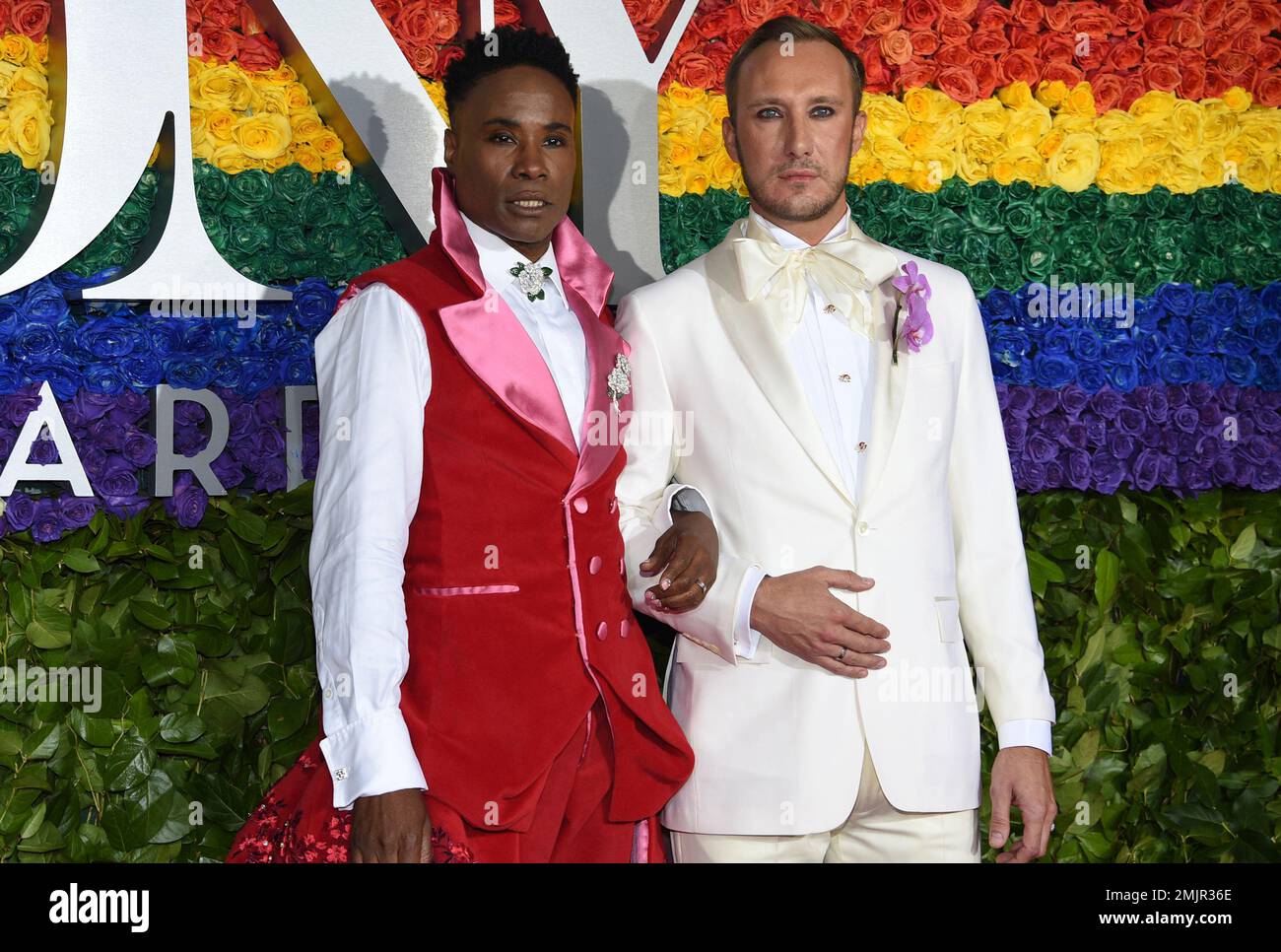
Billy Porter, particularly through his high-profile appearances on red carpets and his work in theater and television, has become a symbol of the radical expansion of individual identity. His practice of wearing gender-fluid fashion is not merely an aesthetic choice; it is an economic and cultural statement of labor and presence.
By commanding space in industries—such as fashion and Hollywood—that historically restricted the expression of Black, queer, and non-binary individuals, Porter reflects the Smithian principle of the individual asserting their unique value in a competitive market. Porter’s career represents the "specialization" of his own personhood as a brand. He has successfully disrupted traditional norms by refusing to adhere to the standardized "uniforms" of his profession, effectively creating a new market segment for visibility and inclusivity.
Comparative Perspectives: Economics and Cultural Performance
While one might find it unusual to group a 1770s economist with a contemporary actor, the juxtaposition provides a unique lens through which to view societal evolution. The table below outlines how the core concepts of Smith’s economic theory find modern parallels in the cultural landscape occupied by figures like Porter.
| Concept | Adam Smith’s Application | Billy Porter’s Application |
|---|---|---|
| Individual Liberty | Economic freedom as a natural right. | Freedom of expression as a civil right. |
| Specialization | Division of labor to increase efficiency. | Cultivating a unique persona as professional asset. |
| Market Entry | Removing state barriers to commerce. | Dismantling social barriers to representation. |
| Invisible Hand | Systemic benefit from private interest. | Cultural shifts driven by individual authenticity. |
The "invisible hand" in the context of Porter’s activism is the shift in public discourse. As Porter expresses his identity, he forces industries to adjust their standards. The market (in this case, the entertainment and fashion industries) responds to the demand for authenticity and diversity, demonstrating a cultural parallel to Smith’s market mechanisms.
The Evolution of the "Self" in Society
The 2026 perspective on these two figures allows us to see how far the concept of the individual has traveled. In Smith’s time, the primary struggle for the individual was against the mercantilist restrictions of the state. Today, the struggle for figures like Porter is often against the societal "mercantilism" of restrictive gender roles and cultural gatekeeping.
Porter’s work acts as a form of human capital development. By refusing to be constrained by traditional expectations, he increases the value of his output and broadens the horizons for others who follow in his path. This mirrors the Smithian ideal where the growth of the whole (the inclusive society) is predicated on the freedom of the part (the empowered individual).
Prerequisites for Social and Economic Progress
For both economic and cultural systems to thrive, specific prerequisites must be met. Adam Smith identified the necessity of the rule of law, stable property rights, and a lack of arbitrary restraint. In the cultural sphere occupied by contemporary artists like Porter, the prerequisites include:
- Freedom of Expression: The legal and social protection to exist publicly without persecution.
- Market Accessibility: Equal opportunity to enter, compete, and succeed in professional industries.
- Cultural Literacy: A society equipped to understand and value diverse forms of human output.
When these conditions are absent, both the economy and the arts stagnate. The history of the last two centuries shows that periods of highest creative and economic output correspond with periods where individual agency was most robustly protected.
Challenges and Criticisms
Connecting an Enlightenment-era economist to a modern entertainer is not without friction. Critics might argue that Smith’s theories are often used to justify systemic inequality, whereas Porter’s career is dedicated to highlighting and dismantling it.
It is important to acknowledge that the "free market" Smith idealized rarely functions perfectly in the real world. Economic inequality can create barriers to entry that prevent talented individuals from achieving success, regardless of their intrinsic drive. Similarly, in the entertainment industry, while some progress has been made, the systemic barriers that individuals like Porter challenge remain pervasive. The transition from abstract philosophy to tangible social change is never a linear or completed process.
Frequently Asked Questions
Is there a direct link between Adam Smith and Billy Porter?
No. There is no direct historical or intellectual link. They represent different eras and disciplines. Their connection is purely thematic, centered on the role of individual autonomy and the disruption of systemic barriers.
How does Smith’s "division of labor" apply to modern entertainment?
In modern terms, the division of labor has expanded into the "creative economy." Performers like Porter specialize in highly specific niches of identity, art, and fashion, creating unique value that was not present in more standardized eras of the entertainment industry.
Why is Billy Porter considered a symbol of economic freedom?
Porter represents the ability to monetize one’s authentic self. By breaking traditional molds, he demonstrates that individual eccentricity can become a valuable professional asset, reflecting the Smithian idea that individual pursuit leads to broader societal innovation.
What are the limits of applying economic theory to social activism?
Economic theories, such as those of Adam Smith, are descriptive and prescriptive regarding the exchange of goods and services. Social activism involves human rights, dignity, and cultural values that cannot always be measured by market metrics. While metaphors are useful, human identity should not be reduced to an economic commodity.
How has the definition of "individual agency" changed since the 18th century?
In the 18th century, agency was largely discussed in terms of property rights and freedom from monarchical intervention. In 2026, agency is increasingly defined by the ability to curate one’s identity, digital presence, and cultural impact, moving beyond the physical marketplace into the psychological and social arenas.
Practical Next Steps for Interested Readers
To further understand how these philosophies intersect, readers should consider the following steps:
- Primary Source Reading: Engage with the foundational texts of Adam Smith, particularly the early chapters of The Wealth of Nations, to understand the underlying logic of self-interest and social benefit.
- Cultural Analysis: View contemporary performance art through the lens of economic disruption. Ask yourself: "How does this person’s specific expression challenge the status quo of their industry?"
- Cross-Disciplinary Study: Explore the works of sociologists who study the intersection of markets and identity, which will provide a more grounded perspective than looking at these two figures in isolation.
- Critical Evaluation: When evaluating modern cultural movements, identify which barriers they are attempting to lower and how those barriers currently suppress individual potential.
By analyzing figures like Smith and Porter together, we gain a deeper appreciation for the long, complex history of the individual in society. Whether through the cold, rational logic of the market or the vibrant, emotional logic of the stage, the central theme remains the same: the drive to be free, to specialize, and to leave a distinct mark on the world.