AAMC-sponsored term life insurance is a specialized group protection plan designed specifically for the medical community, often administered through partnerships with major insurers like New York Life. It provides medical students, residents, and attending physicians with portable, cost-effective coverage tailored to the unique financial trajectories and high debt-to-income ratios characteristic of a career in medicine.
Understanding the Foundation of AAMC-Sponsored Insurance
The Association of American Medical Colleges (AAMC) serves a dual role: it is both an educational authority and a resource hub for the professional development of the nation's medical workforce. Recognizing that medical professionals face distinct financial pressures—most notably significant student loan debt and a delayed start to high-earning years—the AAMC facilitates access to insurance products that address these specific vulnerabilities.
As of 2026, the AAMC continues its long-standing endorsement of group term life insurance programs. These programs are not "one-size-fits-all" retail products. Instead, they are negotiated group contracts. By leveraging the collective bargaining power of thousands of medical students and physicians, the AAMC can secure provisions that might be unavailable or prohibitively expensive on the individual market.
The primary carrier associated with these plans has traditionally been the New York Life Insurance Company. This partnership is significant because it provides the stability of a mutual insurance giant with the niche focus required by the medical field. For a physician or student, "AAMC term life" represents a bridge between their current training phase and their future status as a high-net-worth professional.
Why Medical Professionals Require Specific Term Life Solutions
The financial profile of a physician is inverted compared to many other high-earning professions. In the early stages—medical school and residency—assets are often negative due to tuition debt, while "human capital" (future earning potential) is immense. Standard term life insurance serves as a hedge against the loss of that human capital.
Protecting Student Loan Obligations
One of the most critical reasons to investigate AAMC-sponsored coverage is the nature of medical student loans. While federal loans often include death discharge provisions, many private loans do not. If a medical student or resident passes away, their estate or co-signers (often parents or spouses) may remain liable for hundreds of thousands of dollars in debt. AAMC-sponsored term life is specifically structured to provide a liquidity event that can extinguish these debts immediately.
Bridging the "Resident Gap"
Residents occupy a precarious financial middle ground. They are no longer students, but they do not yet earn the "attending" salary required to easily afford high-end, permanent life insurance products. AAMC group term life allows residents to secure high coverage amounts—often up to $1 million or more—at rates that reflect their young age and generally healthy demographic, rather than their current modest income.
Key Features of AAMC Group Term Life Insurance
To understand how these policies function in 2026, one must look at the specific riders and structural advantages built into the group contract.
1. Portability
Unlike employer-provided life insurance (the kind you get through a hospital system), AAMC-sponsored coverage is generally portable. This means that if a resident finishes their program in Chicago and moves to a private practice in California, their life insurance coverage follows them. This is a vital feature for medical professionals who may change employers multiple times during the fellowship and early-career stages.
2. Guaranteed Future Insurability
Many AAMC-endorsed plans include options to increase coverage at specific milestones—such as graduating from medical school or completing a residency—without undergoing a new medical exam. This protects the individual against "insurability risk." If a doctor develops a chronic condition or suffers an injury during residency, they can still increase their death benefit because the option was locked in while they were healthy.
3. Level vs. Annually Renewable Terms
While many group plans are "annually renewable" (meaning the rate increases slightly every year as you age), the AAMC program often provides access to level-premium terms. In 2026, these 10-, 15-, or 20-year level terms allow physicians to lock in a consistent cost during their peak debt-repayment years.
Eligibility and Enrollment Requirements
As of 2026, eligibility is strictly defined to maintain the integrity of the risk pool, which helps keep premiums low for all participants.
- Medical Students: Must be enrolled in an LCME-accredited medical school or a COCA-accredited osteopathic medical school.
- Residents and Fellows: Must be in an ACGME-accredited training program.
- Attending Physicians: Must be members of the AAMC or affiliated with member institutions, such as teaching hospitals or medical schools.
- Family Members: Spouses and domestic partners of eligible members are often allowed to apply for coverage under the same group rates, though they may be subject to separate underwriting.
The application process in 2026 has been significantly streamlined. For lower coverage amounts (often under $500,000 for younger applicants), "accelerated underwriting" is the norm. This process uses digital health records and prescription databases to approve policies in a matter of days, often without the need for a paramedical exam (blood draw and physical).
Comparing AAMC Group Term vs. Individual Term Life
When deciding whether to use the AAMC-sponsored plan or a private individual policy, it is helpful to compare the mechanics of both.
| Feature | AAMC Group Term Life | Individual Term Life |
|---|---|---|
| Underwriting | Simplified for students; Group-based | Full medical underwriting required |
| Portability | High (follows the individual) | High (follows the individual) |
| Cost Basis | Age-banded or Level Group Rates | Individual risk-based pricing |
| Conversion | Usually allows conversion to permanent | Depends on the specific carrier |
| Control | Contract owned by AAMC (Group) | Policy owned by the Individual |
| Accessibility | Easier for students/trainees | Can be difficult for those with health issues |
The Role of Medical Underwriting in 2026
In 2026, the concept of "medical underwriting" has evolved. For medical professionals, the AAMC plans recognize the high-stress nature of the job. Underwriting for these plans typically accounts for the "physician lifestyle," meaning factors like occasional high-stress readings in vitals are often contextualized better than they might be by a generic life insurance carrier.
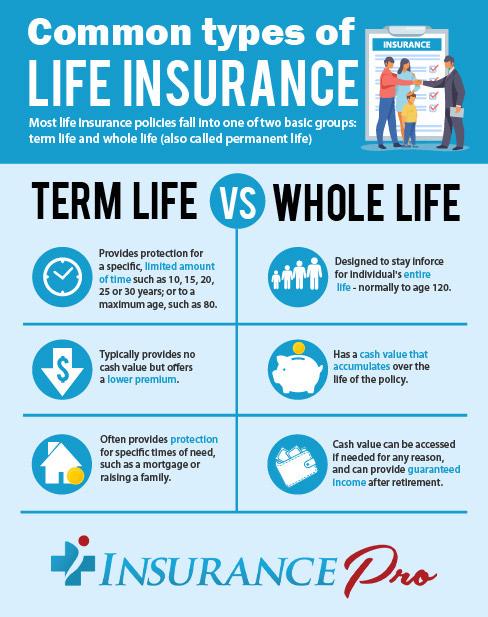
However, certain exclusions still apply. Group term life insurance usually carries standard exclusions for suicide (within the first two years) and death resulting from illegal acts. Because this is term life, there is no "cash value" component. The policy is pure protection; if the insured survives the term, no benefit is paid out, which is why the premiums are significantly lower than "Whole Life" or "Universal Life" alternatives.
Strategic Timing: When Should You Apply?
The optimal time to secure AAMC-sponsored term life insurance is typically at the start of medical school or the beginning of residency.
- The Student Phase: Secure a "base" policy of $100,000 to $250,000. This covers the immediate risk of private student loan debt. Because premiums are based on age, a 24-year-old medical student will pay a fraction of what a 35-year-old attending would pay.
- The Residency Transition: As you transition to residency, use the "Guaranteed Increase" options to boost coverage to $500,000 or $1,000,000. This accounts for the increased "economic value" of your life and provides for a growing family or mortgage.
- The Attending Phase: Once you reach attending status, you may choose to supplement your AAMC group coverage with a large individual policy. Many physicians keep their AAMC policy as a "laddered" component of their overall financial plan because the group rates for certain age bands remain highly competitive.
Potential Drawbacks to Consider
While the AAMC-sponsored plan is a powerful tool, it is not without potential downsides.
- Group Contract Changes: Because the AAMC holds the master contract, they have the right to change carriers or adjust the terms of the group policy. While rare, this means you have slightly less control than you do with an individual policy where the contract is a bilateral agreement between you and the insurer.
- Coverage Caps: Some group plans may cap total coverage at $2 million or $3 million. For a high-earning specialist with significant lifestyle expenses and multiple dependents, this might be insufficient.
- Age-Banding: If you are on an annually renewable plan, the costs can jump significantly when you enter a new five-year age bracket (e.g., moving from 44 to 45). It is vital to project these costs into the future to ensure the policy remains affordable in your later career.
Cost Considerations and 2026 Premium Outlook
In 2026, premium rates for AAMC-sponsored term life remain influenced by general mortality tables and interest rates. Generally, a healthy 30-year-old medical resident can expect to pay between $15 and $30 per month for $500,000 in coverage, depending on their tobacco usage and specific plan selection.
It is important to note that "tobacco-free" discounts are significant. In the medical community, where tobacco use is statistically lower, these discounts are often easier to qualify for. Furthermore, many plans now include "Living Benefits" or "Accelerated Death Benefit" riders at no extra cost, allowing the insured to access a portion of the death benefit if they are diagnosed with a terminal illness.
FAQs About AAMC Term Life Insurance
Does AAMC term life insurance cover disability?
No, term life insurance is strictly for death benefits. However, the AAMC often sponsors a separate Disability Income (DI) insurance program. It is highly recommended that medical professionals carry both, as the statistical likelihood of disability during a medical career is higher than the likelihood of premature death.
Can I keep my AAMC policy if I leave the medical profession?
Eligibility is generally tied to your status within the medical community. If you transition to a completely unrelated field, you may lose the ability to renew the group coverage. However, most plans offer a "conversion" privilege, allowing you to convert the group term policy into an individual permanent policy without a medical exam, though the premiums will increase significantly.
What happens to my policy if I am deployed or work abroad?
Many AAMC-sponsored plans through New York Life are designed for US-based professionals. If you are participating in a global health initiative or are called to active military duty, you must check the specific "War Clause" or "Territorial Exclusion" sections of your policy. Usually, temporary work abroad is covered, but active combat zones may trigger exclusions.
Is the death benefit from an AAMC policy taxable?
Under current 2026 federal tax law, life insurance death benefits are generally received by beneficiaries income-tax-free. However, if the death benefit is large enough to push the total estate over the federal estate tax threshold, it could be subject to estate taxes. Consult with a tax professional regarding the use of an Irrevocable Life Insurance Trust (ILIT) if your total assets are substantial.
Can I cancel my policy at any time?
Yes. Term life insurance is a "pay-as-you-go" product. If you stop paying the premiums, the coverage will lapse after a standard grace period (usually 31 days). There are no penalties for cancellation, but you will not receive any "refund" of premiums paid, as those funds were used to provide coverage during that period.
Practical Recommendation
If you are a medical student or resident in 2026, the AAMC-sponsored term life insurance plan should be one of the first pillars of your financial plan. Start by calculating your total "non-dischargeable" debt and your immediate family's needs. Apply for a coverage amount that meets those needs while you are at your youngest and healthiest. As your career progresses, treat this group policy as a foundational layer that you can supplement with individual policies as your income and complexity grow.