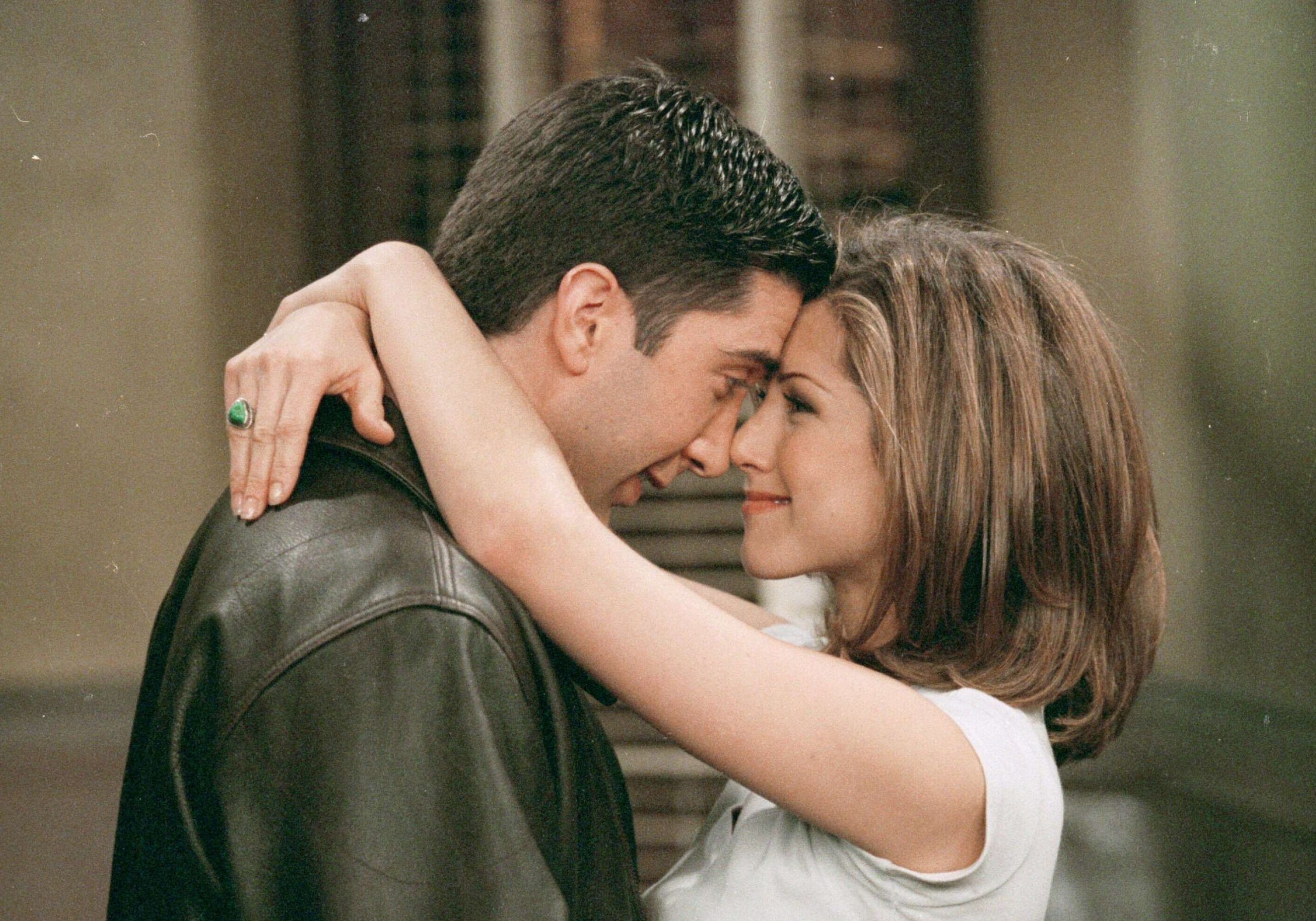
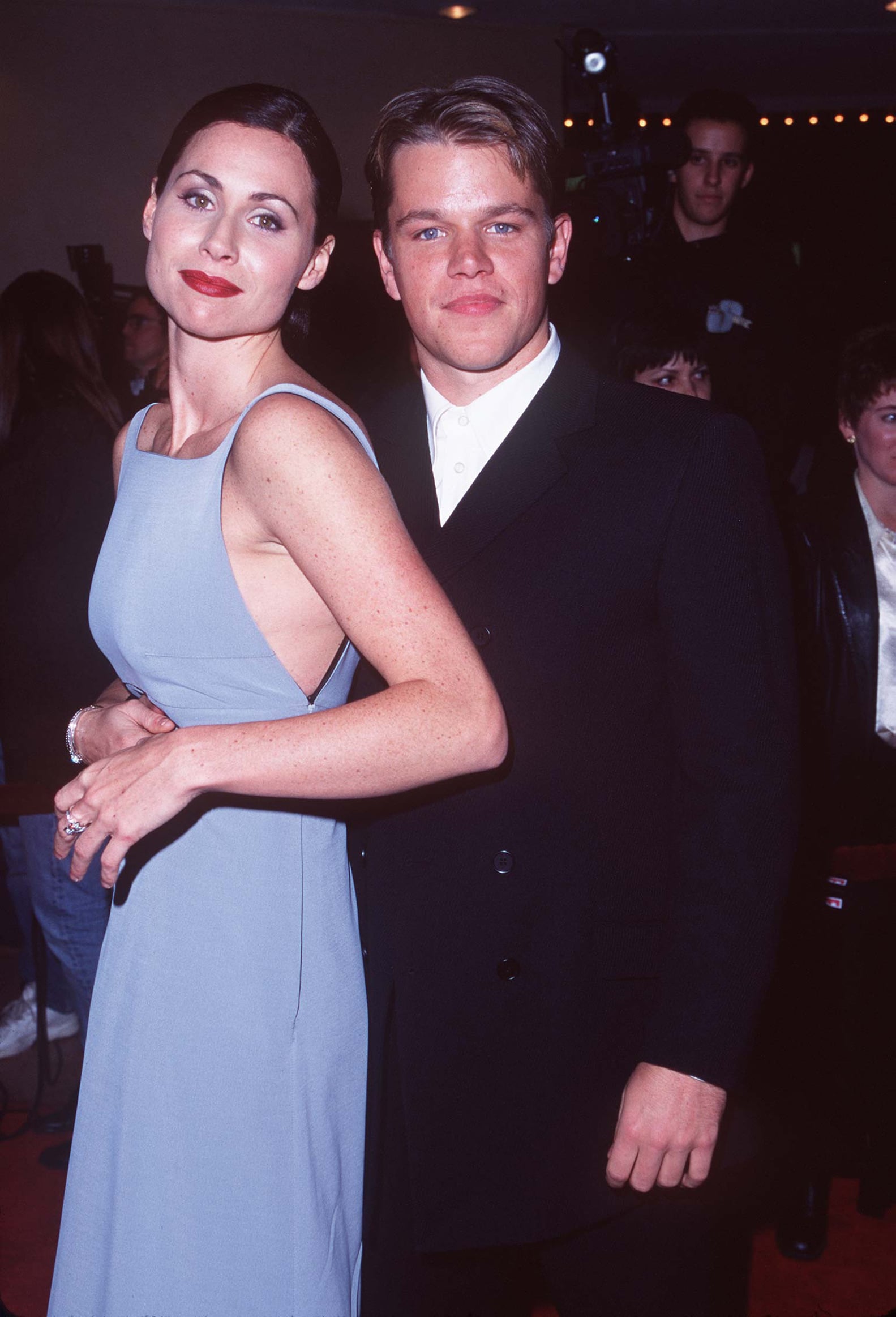
The most iconic couples of the 1990s redefined celebrity culture by blending high fashion, grunge aesthetics, and a burgeoning paparazzi industry. From the minimalist elegance of Carolyn Bessette-Kennedy and JFK Jr. to the raw energy of Kurt Cobain and Courtney Love, these pairings shaped the decade's visual language and set the stage for the modern era of public fascination with high-profile relationships.
The 1990s represented a unique "sweet spot" in media history. It was a decade where celebrity news had moved beyond the controlled studio systems of old Hollywood but had not yet reached the hyper-saturated, 24-hour cycle of the social media era. In this environment, 90s iconic couples became more than just romantic partners; they were symbols of specific subcultures, fashion movements, and societal shifts. Whether it was the "heroin chic" allure of Johnny Depp and Kate Moss or the global branding power of "Posh and Becks," these duos remain the primary reference points for nostalgia and style even as we navigate 2026.
The Foundations of 90s Celebrity Culture
To understand why certain couples became iconic, one must look at the media landscape of the time. The 1990s saw the rise of the "super-couple" as a marketing engine. Magazines like Vanity Fair, Rolling Stone, and People dominated public discourse, and a single cover feature could define a couple's public identity for years.
Furthermore, the 90s were characterized by a rejection of 80s excess in favor of two distinct paths: grunge and minimalism. Iconic couples typically fell into one of these two camps, providing a visual shorthand for the decade’s conflicting identities.
Johnny Depp and Winona Ryder: The Gothic Romance
Before the decade was even fully underway, Johnny Depp and Winona Ryder established the blueprint for the "indie" power couple. Meeting at the premiere of Great Balls of Fire! in 1989 and starring together in 1990’s Edward Scissorhands, they embodied a moody, sensitive aesthetic that resonated with Generation X.
Depp’s "Winona Forever" tattoo became a piece of pop culture folklore—a permanent declaration of love that eventually required a laser-assisted edit to "Wino Forever" after their 1993 split. Their relationship was characterized by a shared love for literature, vintage clothing, and an apparent disdain for the traditional Hollywood machine, making them the ultimate symbols of early 90s "cool."
Kurt Cobain and Courtney Love: The Grunge King and Queen
No couple represented the 90s alternative scene more potently than Kurt Cobain and Courtney Love. Married on a beach in Hawaii in 1992, with Cobain wearing green flannel pajamas, they were the antithesis of the polished celebrity pairings that preceded them.
Their relationship was often portrayed through a lens of chaos and controversy, most notably in a 1992 Vanity Fair profile that sparked significant legal and social scrutiny regarding their parenting. Despite the turmoil, their influence on music and fashion was absolute. They brought the Seattle sound and the "kinderwhore" aesthetic to the global stage, proving that vulnerability and raw emotion could be as captivating as traditional glamour.
The Intersection of Fashion and Fame
As the decade progressed, the red carpet transformed from a standard promotional event into a high-stakes fashion runway. Several couples utilized their public appearances to cement their status as style innovators.
Kate Moss and Johnny Depp: The Epitome of Cool
Following his split from Ryder, Johnny Depp’s relationship with supermodel Kate Moss (1994–1998) marked the intersection of the film and fashion worlds. This pairing was the physical embodiment of the "heroin chic" era—thin, disheveled, yet inherently glamorous.
Their style was effortless: leather jackets, slip dresses, and unstyled hair. They were frequently photographed by the paparazzi leaving hotels or clubs, looking exhausted yet remarkably photogenic. Their relationship was a precursor to the modern "paparazzi walk" that remains a staple of celebrity branding in 2026.
John F. Kennedy Jr. and Carolyn Bessette-Kennedy: American Royalty
If Depp and Moss were the rebels, JFK Jr. and Carolyn Bessette-Kennedy were the aristocrats of minimalism. Their 1996 secret wedding on Cumberland Island became the stuff of legend, particularly Bessette’s Narciso Rodriguez slip dress, which remains one of the most influential bridal looks in history.
Carolyn Bessette-Kennedy, a former publicist for Calvin Klein, brought a sleek, intellectual rigor to her wardrobe that perfectly complemented JFK Jr.’s classic American athleticism. They were the primary drivers of 90s "quiet luxury"—a trend that has seen a massive resurgence in the mid-2020s. Their tragic deaths in 1999 marked the symbolic end of the decade, leaving behind a legacy of unattainably chic public life.
The Rise of the Global Brand Couple
In the late 90s, the concept of the celebrity couple shifted toward business and global expansion. This era saw the birth of couples who were not just lovers, but partners in a massive commercial enterprise.
David and Victoria Beckham: Posh and Becks
When the star of Manchester United met a member of the Spice Girls in 1997, it created a synergy of sport and pop music that had never been seen on such a scale. Married in 1999 at Luttrellstown Castle in Ireland, the Beckhams embraced a flamboyant, maximalist approach to fame that stood in stark contrast to the grunge movement.
From their matching leather outfits to their throne-like wedding chairs, "Posh and Becks" understood the power of the image. They were among the first to successfully navigate the transition from UK tabloids to global superstardom, laying the groundwork for how modern celebrity athletes and entertainers manage their joint brands today.
Comparison of Key 90s Iconic Couples
| Couple | Primary Era | Style Archetype | Lasting Cultural Contribution |
|---|---|---|---|
| Johnny Depp & Winona Ryder | 1990–1993 | Gothic Indie | Defined the "Gen X" sensitive actor aesthetic. |
| Kurt Cobain & Courtney Love | 1991–1994 | Grunge | Brought alternative subculture to the mainstream. |
| Kate Moss & Johnny Depp | 1994–1998 | Heroin Chic | Merged high fashion with rock-and-roll rebellion. |
| JFK Jr. & Carolyn Bessette | 1994–1999 | Minimalism | Established the "Quiet Luxury" aesthetic. |
| David & Victoria Beckham | 1997–Present | Global Branding | Pioneered the "Power Couple" as a commercial entity. |
| Brad Pitt & Gwyneth Paltrow | 1994–1997 | Golden Era / Chic | Famous for their matching blonde haircuts and sleek style. |
Why the 90s "Couple Aesthetic" Persists in 2026
The fascination with 90s iconic couples is not merely nostalgia; it is rooted in the specific visual and social dynamics of that era. In 2026, where digital manipulation and social media filters are the norm, the candid, film-shot photography of 90s couples feels authentic and tangible.
- Analog Authenticity: Most photos of these couples were captured on 35mm film. The grain, the lighting, and the lack of instant editing give these images a "raw" quality that modern digital photography struggles to replicate.
- Mystery and Privacy: Before Instagram, fans only saw these couples when they chose to be seen (or when they were caught by a patient paparazzo). This created a sense of mystery. We didn't know what they ate for breakfast; we only knew how they looked in the back of a town car or on a red carpet.
- The Wardrobe as Narrative: In the 90s, couples often dressed in sync. Whether it was Brad Pitt and Gwyneth Paltrow’s matching pixie cuts or the coordinated black-tie looks of Whitney Houston and Bobby Brown, the clothes told a story of unity and shared identity.
Hollywood Power Players and Defining Romances
Beyond the fashion icons, the 90s were also the decade of the "Blockbuster Couple"—partners who dominated the box office and the headlines simultaneously.
Tom Cruise and Nicole Kidman
Married from 1990 to 2001, Cruise and Kidman were the reigning king and queen of Hollywood. Their collaboration on films like Days of Thunder, Far and Away, and eventually Eyes Wide Shut blurred the lines between their private lives and their professional output. They represented the height of high-glamour Hollywood, often appearing at the Oscars as the "gold standard" of a successful industry marriage.
Will Smith and Jada Pinkett Smith
Meeting on the set of The Fresh Prince of Bel-Air and marrying in 1997, Will and Jada became a foundational couple for the late 90s. They navigated the transition from television stars to film icons together, maintaining a public image of radical transparency and mutual support that would continue to make headlines for decades to come.
Justin Timberlake and Britney Spears
While their relationship peaked in the early 2000s, the roots of Justin and Britney’s romance are firmly planted in the late 90s. Both alumni of The Mickey Mouse Club, their 1999 union represented the absolute peak of "Teen Pop" culture. They were the manufactured pop royalty that signaled a shift away from the grit of the early 90s toward the polished, bubblegum aesthetic of the new millennium.
Frequently Asked Questions
Which 90s couple had the biggest influence on fashion?
While several couples were influential, Carolyn Bessette-Kennedy and JFK Jr. are widely considered the most impactful for their contribution to minimalism. Their influence is still visible in 2026 through the "old money" and "stealth wealth" trends. Kate Moss and Johnny Depp also remain highly influential for the "indie sleaze" and grunge-revival movements.
Why did Johnny Depp and Winona Ryder break up?
The couple cited the immense pressure of the media as a primary reason for their split in 1993. Winona Ryder later spoke about how the breakup was her first "real heartbreak" and how difficult it was to grieve a relationship while being constantly pursued by photographers.
Are any iconic 90s couples still together?
Yes, several prominent couples from the era have remained together. David and Victoria Beckham are perhaps the most famous example, having been married since 1999. Other long-standing couples include Will Smith and Jada Pinkett Smith (married 1997), Sarah Jessica Parker and Matthew Broderick (married 1997), and Faith Hill and Tim McGraw (married 1996).
How did the paparazzi culture of the 90s differ from today?
In the 90s, paparazzi were fewer in number but more aggressive in physical space, as there were no social media platforms where celebrities could post their own "controlled" images. This led to many of the iconic, candid shots we see today. In 2026, while there are more cameras overall (due to smartphones), the "mystique" of the candid celebrity photo has diminished because celebrities provide so much of their own content.
What is the significance of the "matching" outfits in 90s couples?
Matching or coordinated outfits were a way for 90s couples to project a unified front and a shared "brand." This was famously seen with Brad Pitt and Gwyneth Paltrow, who often mirrored each other’s hair colors and minimalist silhouettes, and later with the Beckhams' iconic matching leather ensembles.
Legacy and Next Steps for Enthusiasts
The 90s iconic couples were more than just tabloid fodder; they were the architects of modern celebrity branding and style. Their influence is found in every "Get Ready With Me" video that references 90s minimalism and every designer collection that looks back to the grunge era for inspiration.
To truly appreciate the impact of these pairings, one should look at archival photography from magazines like The Face or i-D, which captured the raw, unedited essence of the decade. For those looking to incorporate this aesthetic today, focusing on timeless silhouettes—the slip dress, the well-worn leather jacket, and the oversized blazer—is the best way to channel the enduring spirit of 90s iconicity.