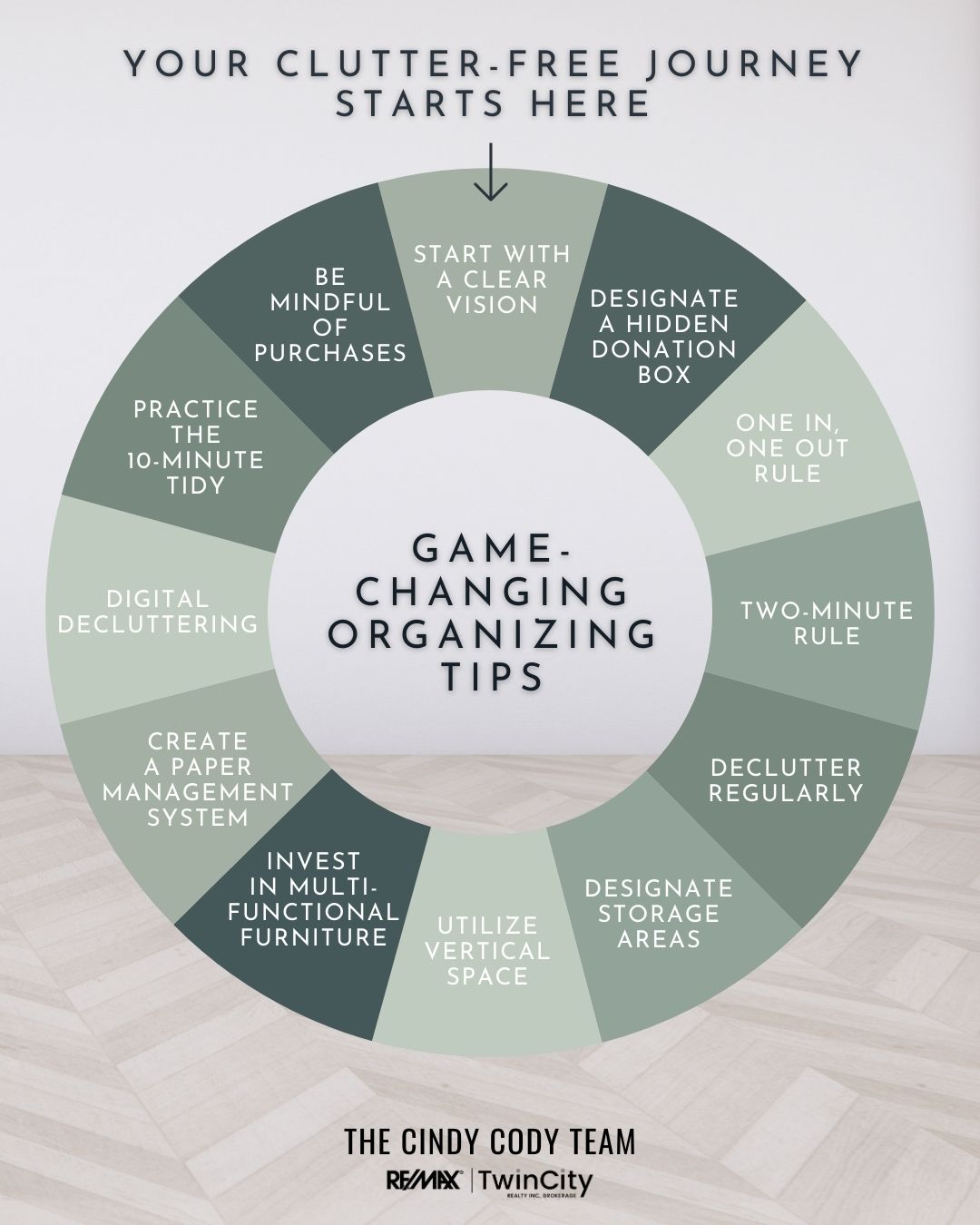
Managing everyday clutter requires a combination of proactive systems and consistent micro-habits that prevent accumulation. By implementing the "one-in, one-out" rule, utilizing vertical storage, and establishing a 15-minute nightly reset, you can maintain a functional, stress-free environment that supports productivity and mental clarity throughout 2026.
The Psychological Impact of Everyday Clutter
Before diving into specific techniques, it is essential to understand why clutter accumulates and how it affects the human brain. Scientific research has consistently shown that physical clutter competes for your attention, resulting in decreased performance and increased stress. When your environment is filled with unfinished tasks—represented by piles of mail, scattered shoes, or overflowing countertops—your visual cortex becomes overwhelmed. This leads to a state of "cognitive overload," making it difficult to focus on single tasks or process information efficiently.
In 2026, the intersection of physical and digital clutter has reached a peak. Most households deal not only with physical objects but also with the "invisible clutter" of charging cables, smart devices, and peripheral hardware. The following seven tips are designed to address these modern challenges by creating a sustainable framework for order.
1. Implement the "One-In, One-Out" Rule
The "One-In, One-Out" (OIOO) rule is a foundational principle of inventory management borrowed from retail and logistics, now widely adopted by professional organizers. The concept is simple: for every new item that enters your home, a similar item must leave.
Why This Works
Clutter is essentially a math problem—accumulation exceeds removal. By strictly adhering to the OIOO rule, you cap the total volume of possessions in your home. This prevents the "slow creep" of clutter that often goes unnoticed until a space becomes unusable.
How to Apply It
- Wardrobes: When you purchase a new pair of shoes, donate an old pair that you no longer wear or that has become uncomfortable.
- Kitchen Gadgets: If you upgrade to a high-speed blender, the older model should be sold or given away immediately, rather than being relegated to the "back of the cabinet."
- Media and Books: For every new physical book added to your library, one should be passed on to a friend or a local "little library."
By treating your home’s storage capacity as a fixed resource, you force yourself to make more intentional purchasing decisions. You are less likely to buy an item on impulse if you know it requires the sacrifice of an item you already own.
2. Maximize Vertical Storage Potential
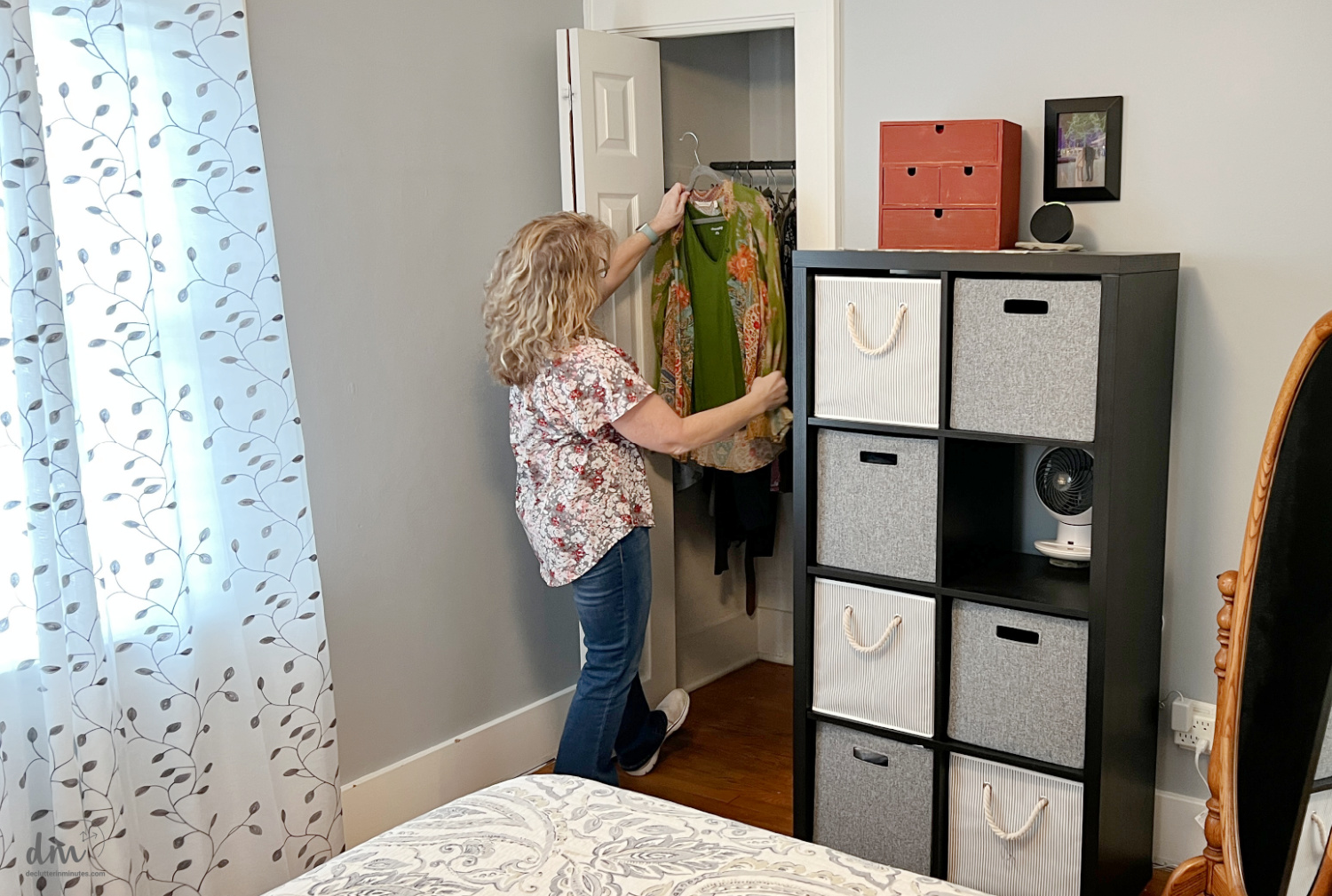
Most people only organize the space they can reach at eye level, leaving the top two-thirds of their walls entirely unused. Vertical organization is the most effective way to clear floor space and reduce the visual weight of a room.
Utilizing "Dead Space"
Standard shelving units often leave 12 to 18 inches of empty space between the top shelf and the ceiling. In 2026, professional organizing standards emphasize the use of "to-the-ceiling" cabinetry or high-mounted floating shelves. These areas are ideal for storing seasonal items, such as holiday decorations or winter gear, which are only needed a few times a year.
Strategic Tooling
- Wall-Mounted Hooks: Install heavy-duty hooks in entryways for bags and coats. This prevents the "chair-drobe" phenomenon where clothes accumulate on furniture.
- Pegboards: Popularized in workshops, pegboards are now frequently used in home offices and kitchens. They allow for a customizable, modular arrangement of tools and utensils, keeping countertops clear.
- Over-the-Door Organizers: These are no longer just for shoes. Use clear-pocket organizers on the back of pantry doors for snacks or in bathrooms for toiletries and styling tools.
3. Establish the 15-Minute Nightly Reset
One of the primary reasons clutter becomes overwhelming is that it is often ignored until it requires a multi-hour "deep clean." The 15-minute nightly reset shifts the focus from reactive cleaning to proactive maintenance.
The Anatomy of a Reset
A reset is not a deep clean; it is a restoration of the home to its "baseline" state. This habit should be performed at the same time every evening—ideally after dinner or right before bed.
- Clear the Surfaces: Move items off the kitchen island and dining table.
- Return to Home: Take any items that have migrated to the wrong room (shoes in the living room, toys in the kitchen) and return them to their designated spots.
- Prep for Tomorrow: Set out necessary items for the next morning, such as coffee supplies or work bags.
Psychological Benefits
Completing a reset provides a sense of closure to the day. Waking up to a clear environment reduces morning cortisol levels and allows you to start your tasks without immediately being forced into "cleaning mode."
4. Create Functional Zones (The "Prime Real Estate" Strategy)
Clutter often occurs because items do not have a defined "home," or their home is too difficult to reach. Organizing by functional zones involves grouping items based on where they are used, rather than what they are.
Identifying Prime Real Estate
In organizing, "prime real estate" refers to the areas between your shoulders and knees. These are the easiest spots to access. Items you use every day—such as your favorite coffee mug, your work keys, or your daily vitamins—should live in these zones.
Zone Categorization Examples
| Zone Type | Location | Items Included |
|---|---|---|
| Drop Zone | Entryway | Keys, mail, bags, umbrellas, masks. |
| Hot Zone | Kitchen Counter | Coffee maker, frequently used spices, cutting board. |
| Rest Zone | Nightstand | Phone charger, current book, water glass, sleep mask. |
| Work Zone | Desk | Computer, notepad, pens, reference materials. |
By ensuring that the "cost of entry" to put an item away is low (e.g., you don't have to move three other boxes to reach the shelf), you increase the likelihood that you—and other household members—will actually maintain the system.
5. Use Clear, Labeled Containers
Visibility is the enemy of forgotten clutter. When items are tucked away in opaque cardboard boxes or dark bins, they are often forgotten, leading to duplicate purchases and "mystery boxes" that eventually need to be purged.
The Science of Transparency
Using clear acrylic or glass containers allows for immediate visual inventory. In a pantry, for example, clear bins allow you to see exactly how much pasta or flour you have left at a glance. This "visual transparency" reduces the cognitive load of remembering what you own.
The Power of Labels
Labels serve as a social contract within a household. They remove the ambiguity of where an item belongs. In 2026, labeling has moved beyond simple name tags to include:
- Category Labels: (e.g., "Baking Supplies," "Cables," "First Aid").
- Instructional Labels: (e.g., "Return to Top Shelf").
- QR Code Labels: For deep storage bins, a QR code can link to a digital list of the contents, preventing the need to dig through the box.
6. Apply the "Touch It Once" Principle
The "Touch It Once" (TIO) rule is a productivity technique that is exceptionally effective for managing paper and digital clutter. The rule dictates that when you encounter a task or an object, you must make a final decision about it immediately rather than putting it off.
Handling Physical Mail
Most kitchen counter clutter starts with mail. Instead of bringing the mail inside and setting it on the counter, apply TIO:
- Recycle/Trash: Immediately discard junk mail and envelopes.
- Act: If a bill requires payment or an RSVP is needed, do it then or move it to a dedicated "Action Folder."
- File: Important documents go straight to their permanent filing location.
Laundry and Chores
The TIO principle also applies to laundry. Instead of moving clean clothes from the dryer to a basket to the bed and finally to the closet, move them directly from the dryer to hangers. This reduces the number of steps and prevents the clothes from becoming a "clutter obstacle" in the bedroom.
7. Manage Digital and Invisible Clutter
In 2026, a home can look perfectly tidy but still feel cluttered due to digital disarray and "cable chaos." Managing these invisible elements is crucial for a modern organized home.
Cable Management
Every electronic device comes with a charging cable. Unmanaged cords create "visual noise" that makes a room look messy regardless of how clean the surfaces are. Use cable management sleeves, under-desk trays, or dedicated charging stations to keep wires out of sight.
Digital File Hygiene
Digital clutter occupies "mental space." Set aside time once a month to:
- Clear the Desktop: Move loose files into organized folders.
- Unsubscribe: Use a tool to mass-unsubscribe from marketing emails that clutter your inbox.
- Photo Culling: Delete duplicate or blurry photos from your cloud storage.
Comparison of Popular Organizing Frameworks
Deciding which methodology to follow can be difficult. Below is a comparison of the most effective frameworks currently utilized in 2026.
| Framework | Core Philosophy | Best For | Maintenance Level |
|---|---|---|---|
| KonMari Method | Does it "spark joy"? | Major life transitions | High (requires deep purge) |
| 20/20 Rule | Can I replace it for <$20 in <20 mins? | Letting go of "just in case" items | Low |
| The 5S System | Sort, Set, Shine, Standardize, Sustain | Home offices and workshops | Medium |
| Edit & Forget | Seasonal purging and rotation | Wardrobes and children's toys | Medium |
Common Mistakes to Avoid
Even with the best intentions, many people fall into traps that actually increase clutter over time.
Buying Containers First
The most common mistake is going to a home goods store and buying beautiful baskets and bins before decluttering. This often results in "organized clutter"—where you have neatly binned items that you don't actually need or use. Always declutter first, measure second, and buy containers third.
Aiming for Perfection
Organizing is about functionality, not aesthetics. If your pantry doesn't look like a magazine spread but you can find the salt in three seconds, your system is a success. Perfectionism often leads to "analysis paralysis," where the fear of not doing it "perfectly" prevents you from starting at all.
Neglecting the "Transition" Areas
Mudrooms, garages, and "junk drawers" are often ignored because they aren't "living spaces." However, these transition areas are where clutter enters and exits the home. If these areas aren't organized, the rest of the house will eventually follow.
Frequently Asked Questions
How do I start organizing when I am completely overwhelmed?
Start with the smallest possible win. This is often referred to as the "Micro-Area Strategy." Pick one drawer—not a whole room—and organize it completely. The dopamine hit from completing a small task provides the momentum needed to tackle larger areas. Focus on a space that you use daily, such as a cutlery drawer or a nightstand.
What should I do with sentimental items that I don't use?
Sentimentality is a major hurdle in decluttering. Instead of keeping a box of old college t-shirts or a set of inherited china that doesn't fit your style, consider "digital preservation." Take high-quality photos of the items and keep them in a digital album. You retain the memory without the physical footprint. For items you must keep, limit yourself to one "Memory Box" per person.
How can I get my family or roommates to follow these rules?
Systems fail when they are too complex. If your family isn't putting shoes away, it might be because the shoe rack is behind a closed door or too far from the entrance. Make the right choice the easiest choice. Use open bins instead of lidded ones, and place hooks at a height children can reach.
Is professional organizing worth the cost in 2026?
If you have tried multiple systems and none have stuck, or if you are dealing with a major life event (moving, downsizing, or a new baby), a professional organizer can provide an objective perspective. They are trained to see patterns in your habits that you might miss and can design custom solutions tailored to your specific cognitive style.
Recommendation for Next Actions
To begin your journey toward a clutter-free home, do not attempt to implement all seven tips simultaneously. Start by establishing the 15-Minute Nightly Reset for one week. This habit requires no financial investment and provides the most immediate return on your time. Once the reset becomes a natural part of your evening routine, introduce the One-In, One-Out rule to manage your incoming inventory. Consistent, incremental improvements are more effective than a single, exhaustive "marathon" cleaning session.