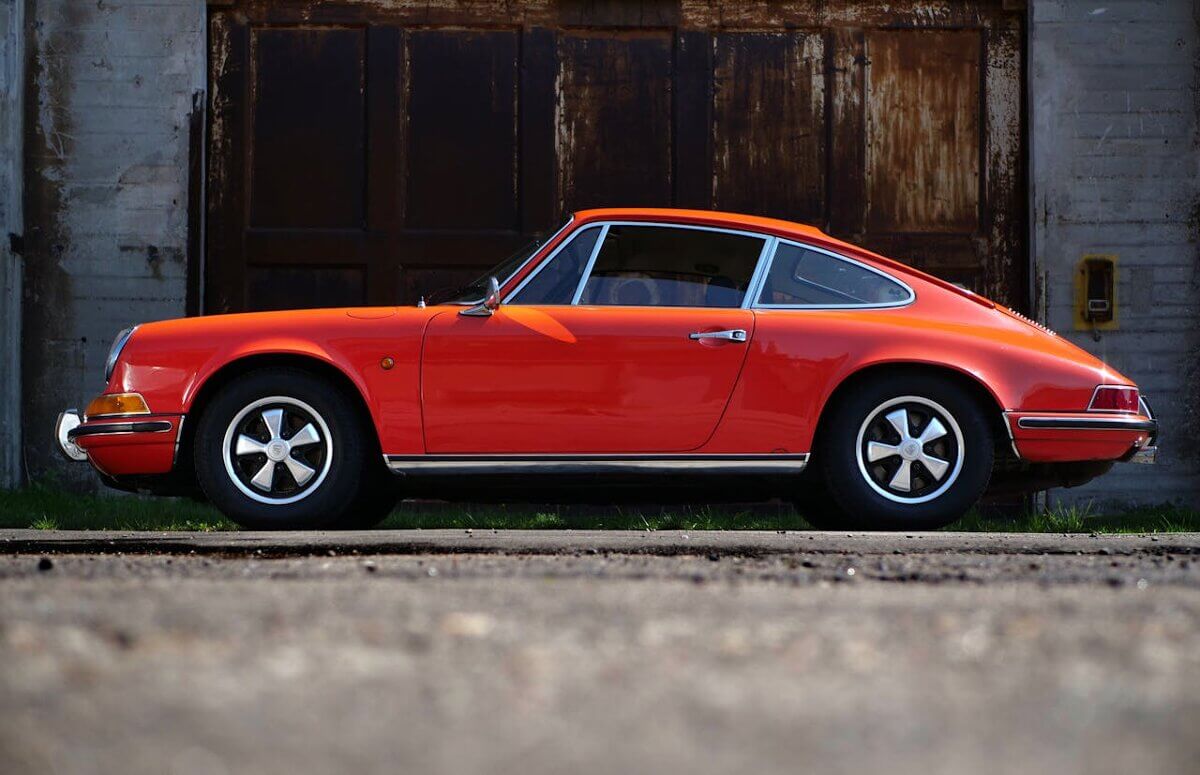
The 1970s was a transformative decade for the automotive industry, characterized by strict emissions regulations, fuel crises, and changing consumer preferences that shifted the spotlight away from heavy, thirsty gas-guzzlers toward nimble, compact engineering. Small cars from this era offered brilliant packaging, economical powertrains, and driving dynamics that prioritized mechanical connection over digital isolation. For modern enthusiasts and collectors looking to enter the classic car hobby without breaking the bank or taking up an entire suburban garage, exploring these seven iconic small cars from the 1970s provides an accessible and rewarding path.
The 1970s Automotive Landscape and the Rise of the Small Car
Before evaluating individual models, it is essential to understand the socio-economic forces that shaped the 1970s automotive market. The 1973 oil crisis shattered the era of cheap fuel, forcing global manufacturers to rapidly rethink vehicle design. At the same time, governments enacted stringent new safety and emissions standards—most notably the introduction of the 5 mph bumper standard in the United States and tightening exhaust regulations by the Environmental Protection Agency.
For buyers, these changes meant that large displacement engines were choking on primitive emissions equipment, suffering from dropped horsepower figures, and draining wallets at the fuel pump. In response, automakers across Europe, Japan, and the United States turned their engineering focus inward, pioneering front-wheel-drive layouts, space-efficient hatchback designs, and lightweight unit-body chassis.
Small cars of this decade are historically significant because they democratized smart packaging. The mechanical layouts pioneered during this era—such as transverse engines with front-wheel drive—directly influenced every modern hatchback and compact crossover built today. Owning a 1970s small car offers a tactile, analog driving experience accompanied by vintage aesthetics, modest maintenance costs, and strong enthusiast communities.
1. Volkswagen Golf Mk1 (1974)
The Volkswagen Golf Mk1 is arguably the most historically important small car of the 1970s. Released in 1974 to replace the aging, rear-engine Beetle, the Golf was a masterclass in functional industrial design. Designed by the legendary Italian stylist Giorgetto Giugiaro, the Golf introduced a clean, wedge-inspired hatchback profile that maximized interior volume within a diminutive footprint.
Mechanically, the Golf Mk1 abandoned Volkswagen's traditional air-cooled, rear-engine layout in favor of a modern, water-cooled, front-wheel-drive configuration with a transverse engine. This layout allowed for a spacious cabin and generous cargo capacity relative to the car's exterior dimensions.
- Why it’s worth knowing: It established the blueprint for the modern hot hatch, particularly with the introduction of the high-performance GTI variant in 1976.
- What to watch out for: Early models are notoriously susceptible to rust, particularly around the front shock towers, lower sills, and wheel arches. Parts availability is generally excellent, but clean, un-modified examples are increasingly difficult to find.
2. Honda Civic (First Generation, 1972)
When Honda introduced the first-generation Civic in 1972, it stunned the global automotive establishment. At a time when compact cars were often crude, noisy, and unrefined, the Civic offered sophisticated engineering, exceptional fuel economy, and remarkable interior space packaging.
Powered by Honda’s revolutionary Compound Vortex Controlled Combustion (CVCC) engine, introduced in the mid-1970s, the Civic managed to meet strict U.S. emissions standards without requiring a catalytic converter. This engineering triumph proved that small displacement engines could be both clean and efficient.
- Why it’s worth knowing: It established Honda as a global manufacturing powerhouse and proved that small cars could be reliable, economical, and genuinely fun to pilot through tight city streets.
- What to watch out for: Rust is the primary enemy of the first-generation Civic. Body panels, floor pans, and structural members are prone to severe corrosion, and finding original trim pieces can present a significant challenge for restorers.
3. Mini (1959–2000s Classic Era)
While the original Mini was born in 1959 under the British Motor Corporation, the 1970s represented a mature, deeply integrated era for this iconic urban runabout. Throughout the '70s, the Mini continued to define clever space utilization, famously packing four adults and their luggage into a vehicle measuring just over ten feet in length.
The Mini's secret weapon was its transverse-mounted engine paired with front-wheel drive and independent rubber cone suspension. This layout pushed the wheels out to the absolute corners of the car, giving it legendary go-kart-like handling characteristics that made it a terror on twisty backroads and rally stages alike.
- Why it’s worth knowing: It remains the undisputed pioneer of front-wheel-drive small car packaging, offering a driving dynamic that few modern vehicles can replicate.
- What to watch out for: Subframes are prone to rust and fatigue. Additionally, the integrated gearbox sump (which shares oil with the engine) requires meticulous maintenance and specific oil types to ensure longevity.
4. Fiat 128 (1969–1985)
The Fiat 128 is often considered the unsung hero of 1970s automotive engineering. While Giugiaro designed the body, legendary engine designer Aurelio Lampredi crafted its advanced, high-revving overhead-camshaft engine.
More importantly, the Fiat 128 perfected the transverse-engine, front-wheel-drive layout with unequal-length driveshafts—a design configuration that was subsequently copied by almost every major manufacturer for their own compact cars, including the aforementioned Volkswagen Golf.
- Why it’s worth knowing: It won the European Car of the Year award in 1970 and served as the technical foundation for numerous Italian and international economy cars.
- What to watch out for: Italian tinworm from this era was notoriously aggressive. Finding a Fiat 128 with solid structural integrity requires inspecting the floorpans, suspension mounting points, and rocker panels very carefully.
5. Datsun 510 (Late 1970s Context / Successors)
While the classic Datsun 510 sedan made its primary cultural impact around the turn of the decade, its legacy extended deeply into the 1970s, paving the way for subsequent compact imports like the Datsun B210 and the Nissan Sunny. Known colloquially as the "poor man's BMW," the 510 paired a lightweight unibody chassis with rear-wheel drive, MacPherson strut front suspension, and semi-trailing arm independent rear suspension.
The combination of a willing overhead-cam L-series engine and balanced rear-wheel-drive dynamics made the 510 an immediate favorite in Sports Car Club of America (SCCA) racing, establishing Japanese engineering credibility in North America.
- Why it’s worth knowing: It bridged the gap between economical Japanese daily drivers and competitive motorsport pedigree, creating a massive enthusiast following that persists today.
- What to watch out for: High modification rates mean that finding an un-molested, factory-original example can be difficult. Check for structural rust in the rear crossmember mounts and lower quarter panels.
6. BMW 2002 (1968–1976)
Though slightly larger than the traditional micro-compacts on this list, the BMW 2002 occupies a vital space as a small, sporting sedan that defined the modern executive compact class. Arriving at the tail end of the '60s and anchoring the early-to-mid 1970s, the 2002 combined nimble dimensions with BMW's signature high-revving four-cylinder M10 engine.
The 2002 essentially invented the sport sedan segment. It offered upright greenhouse visibility, precise steering feel, and an analog connection to the road that cemented BMW's reputation for building the "Ultimate Driving Machine."
- Why it’s worth knowing: It laid the groundwork for the legendary 3 Series and remains one of the most collectible and satisfying vintage European drivers on the market.
- What to watch out for: Later models equipped with large, federally mandated impact bumpers (often called "diving boards" by enthusiasts) alter the clean lines of early cars. Rust around the shock towers, sunroof cassettes, and rocker panels demands thorough inspection.
7. Ford Pinto (1971–1980)
No overview of 1970s small cars would be complete without addressing the domestic market's response to import competition. The Ford Pinto was designed to offer American buyers an economical, lightweight subcompact car capable of competing with Japanese and European imports.
Powered by a range of small four-cylinder engines, the Pinto was straightforward to service and incredibly common. While history often remembers the model for its early fuel tank safety controversies—which prompted significant regulatory changes regarding automotive safety testing—the Pinto remains an important piece of 1970s automotive history.
- Why it’s worth knowing: It represents the quintessential American subcompact effort of the fuel-crisis era, offering low-cost entry into vintage motoring and a vibrant community of nostalgic restorers.
- What to watch out for: Ensure that any prospective purchase has been retrofitted with or checked for fuel system safety updates. Parts are generally straightforward to source through domestic aftermarket suppliers, but clean sheetmetal can be scarce due to lower survival rates.
| Car Model | Drive Layout | Engine Type | Notable Significance | Primary Maintenance Concern |
|---|---|---|---|---|
| Volkswagen Golf Mk1 | Front-Engine, Front-Wheel Drive | Inline-4 (Water-Cooled) | Defined the modern hatchback and GTI hot hatch segment. | Front shock tower rust and electrical ground issues. |
| Honda Civic (Gen 1) | Front-Engine, Front-Wheel Drive | Inline-4 (CVCC) | Established Japanese small car reliability and clean emissions tech. | Severe structural and body panel corrosion. |
| Classic Mini | Transverse Front-Engine, Front-Wheel Drive | Inline-4 (A-Series) | Masterclass in space efficiency and go-kart handling. | Subframe fatigue and gearbox sump oil maintenance. |
| Fiat 128 | Front-Engine, Front-Wheel Drive | Inline-4 (Lampredi OHC) | Perfected the transverse front-wheel-drive mechanical layout. | Aggressive rust in floorpans and structural members. |
| Datsun 510 | Front-Engine, Rear-Wheel Drive | Inline-4 (L-Series) | Brought balanced rear-wheel-drive performance to the economy class. | Modified suspension mount points and rear crossmember rust. |
| BMW 2002 | Front-Engine, Rear-Wheel Drive | Inline-4 (M10) | Invented the modern sport sedan and performance compact market. | Sunroof cassette rot and heavy U.S.-spec bumper modifications. |
| Ford Pinto | Front-Engine, Rear-Wheel Drive | Inline-4 (Pinto/Kent) | The defining American subcompact response to the 1970s oil crisis. | Fuel system safety updates and lower body rust. |
Practical Considerations for Owning a 1970s Small Car
Purchasing and maintaining a classic small car from the 1970s differs significantly from acquiring a modern used vehicle. Before diving into ownership, prospective buyers must evaluate several practical factors to ensure a satisfying experience.
Mechanical Simplicity vs. Parts Availability
One of the greatest joys of 1970s automobiles is their mechanical simplicity. Most engines from this era feature carburetors, mechanical points distributors, and minimal electronic wiring, making them ideal for DIY enthusiasts who want to learn basic automotive mechanics. However, parts availability varies wildly. While mechanical components for popular models like the Volkswagen Golf, Classic Mini, and BMW 2002 are widely reproduced and easily sourced through specialized vendors, finding trim pieces, interior plastics, and specific body panels for Japanese or less common European imports can require patience and online forum networking.
Assessing Structural Rust
Because many 1970s cars were constructed from lower-grade steels and lacked modern rust-proofing techniques, environmental corrosion is the single most critical factor when inspecting a potential purchase. Surface patina is charming, but structural rust in chassis rails, suspension mounting points, floor pans, and firewall structures can render a car economically unviable to restore. Always inspect the vehicle on a lift, paying close attention to hidden moisture traps.
Frequently Asked Questions
Are 1970s small cars safe to drive in modern traffic?
While these vehicles offer undeniable charm and engagement, they lack modern safety features such as airbags, anti-lock braking systems, crumple zones, and side-impact reinforcement beams. Driving a 1970s small car in modern highway traffic requires heightened defensive driving awareness and acceptance of older braking and handling thresholds.
Are these cars difficult to maintain without professional mechanical experience?
Not necessarily. The relative lack of complex computers and wiring harnesses makes 1970s vehicles fantastic platforms for learning shade-tree mechanics. Basic hand tools, a timing light, and a factory service manual are usually sufficient to handle routine tune-ups, carburetor adjustments, and suspension maintenance.
How do emissions regulations affect classic 1970s cars?
Emissions regulations vary significantly by jurisdiction. In many regions, vehicles older than a certain threshold (such as 25 or 30 years) are granted historic or classic vehicle registration status, which often exempts them from mandatory biennial smog checks. Buyers should verify local Department of Motor Vehicles regulations before purchasing.
Can a 1970s small car serve as a reliable daily driver?
While it is technically possible to daily-drive a vintage car, most enthusiasts recommend using them as weekend drivers or fair-weather commuters. Sourcing replacement parts during unexpected breakdowns can lead to downtime, and older heater cores, window seals, and wiring harnesses may not offer the weatherproofing or reliability expected from modern daily transportation.
Final Recommendations for Prospective Buyers
Entering the world of 1970s classic small cars offers an affordable, engaging, and deeply rewarding entry point into the automotive hobby. Whether you are drawn to the engineering pedigree of the Volkswagen Golf, the nimble packaging of the Classic Mini, or the motorsport heritage of the Datsun and BMW offerings, success lies in prioritizing structural integrity over cosmetic condition. Always buy the most rust-free, complete example you can afford, join local or online owner clubs for technical support, and prepare to wave at fellow motorists who will inevitably smile at your retro ride.