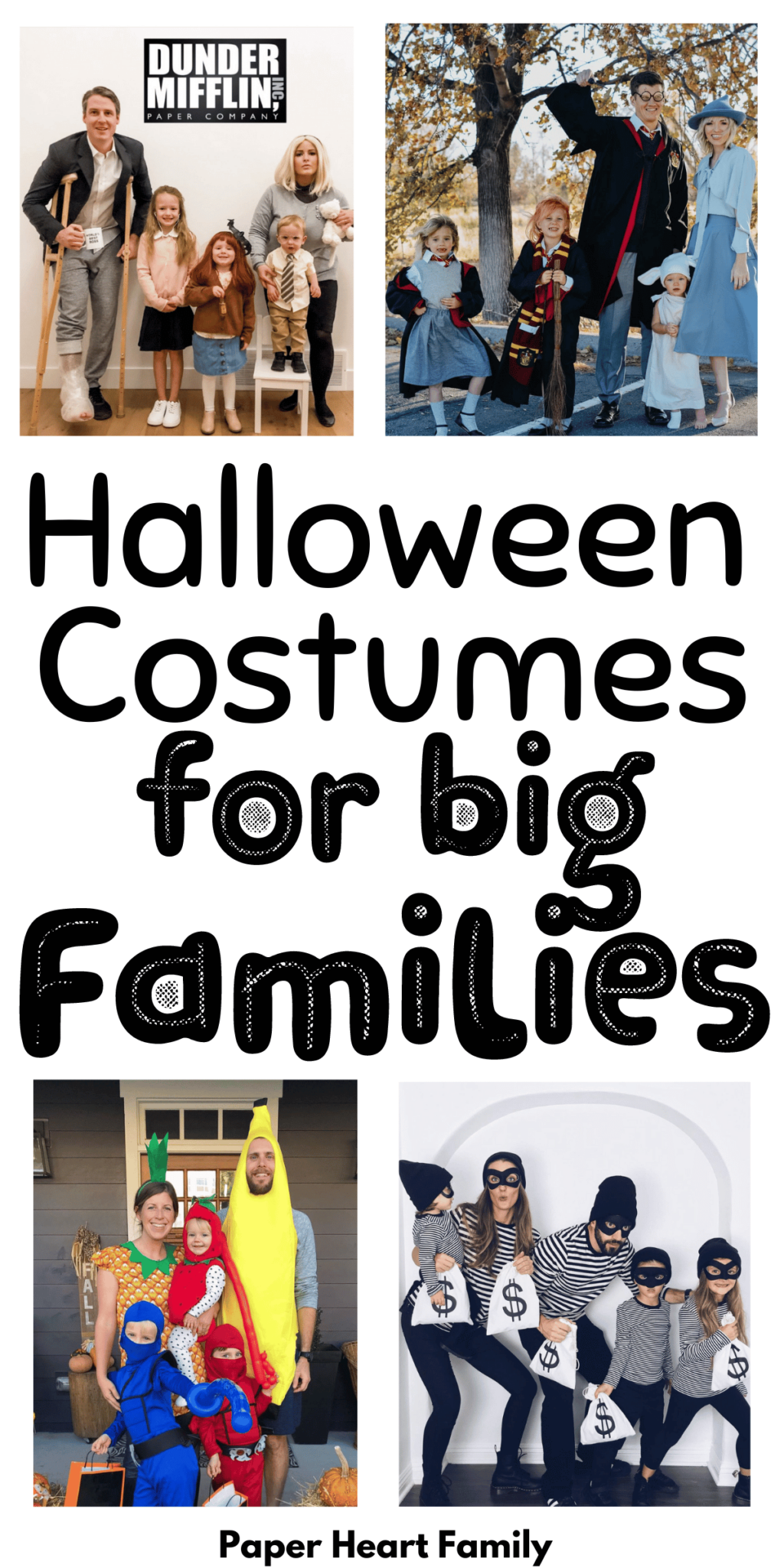
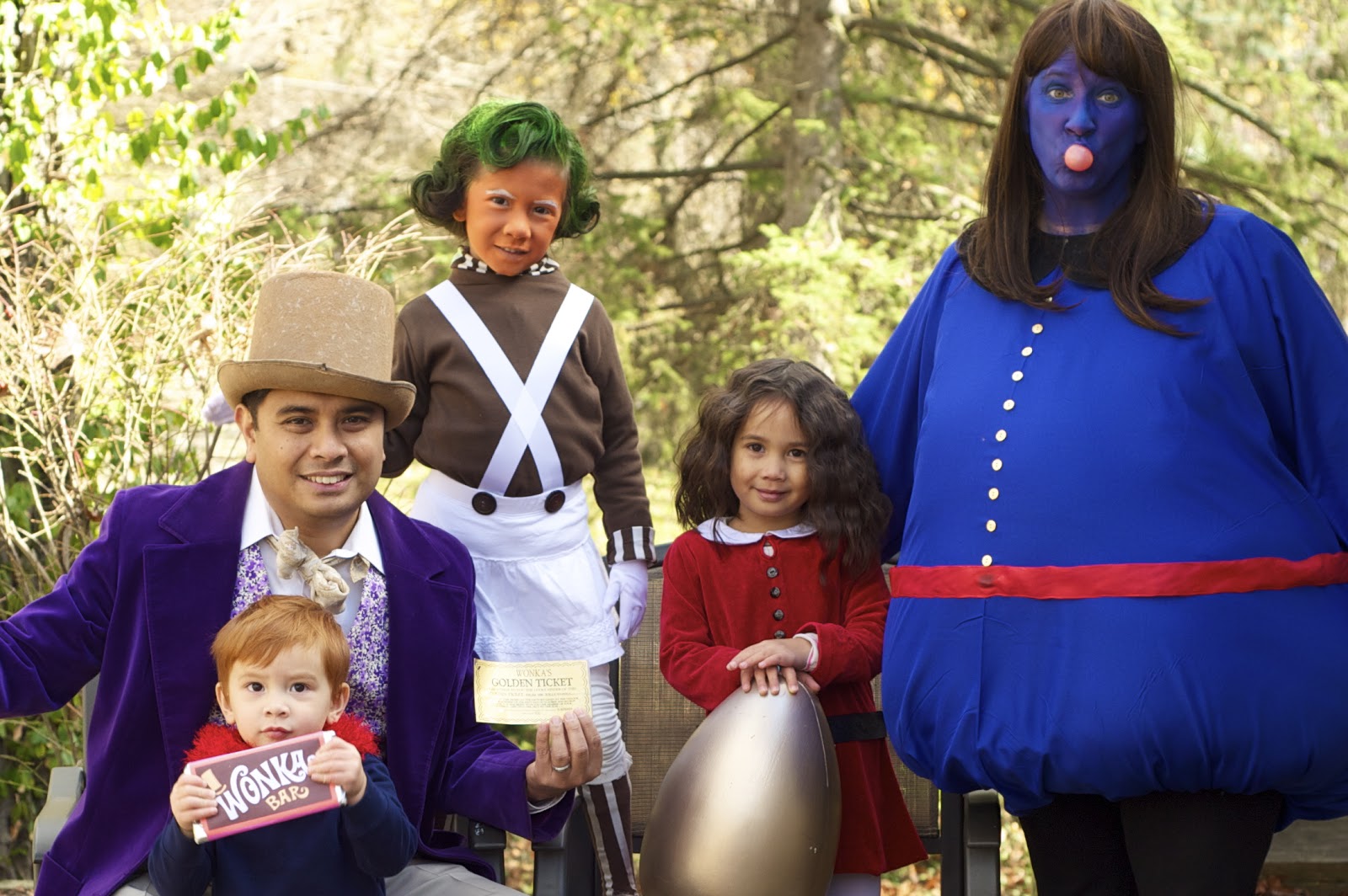
To wow your Halloween with "big and little" costumes, focus on scale-based storytelling such as a Chef with their Lobster, the Mandalorian paired with Grogu, or an Oak Tree with a tiny Acorn. These pairings leverage the natural size difference between participants—typically a parent and child or older and younger siblings—to create a visually striking and cohesive narrative that stands out in any crowd.
The "big and little" costume concept relies on the visual contrast between two individuals. Whether you are a parent dressing up with a toddler, a mentor with a mentee, or even a pet owner with a small animal, the most effective costumes are those that treat the size disparity as a feature rather than a hurdle. In 2026, the trend has shifted toward high-concept DIY and "interactive" costumes that go beyond simple store-bought jumpsuits, favoring ensembles that tell a specific story through movement and props.
The Psychology of the "Big and Little" Dynamic in Costuming
Choosing a coordinated costume is more than just a fashion statement; it is a form of social bonding. For children, dressing up as a "miniature" version of a guardian or as a complementary character provides a sense of security and belonging during the often-overwhelming festivities of Halloween night. For the "big" participant, it offers a way to anchor the child’s experience, making the holiday a shared project rather than a solo endeavor.
From a design perspective, the "big and little" dynamic allows for "forced perspective" and scale humor. When a tall adult dresses as a florist and a small child as a potted sunflower, the scale makes sense to the human eye, creating a "wow" factor that symmetrical costumes (like two identical ghosts) lack. In 2026, we see a move toward "transformative" scale, where the little person represents the most powerful or central element of the duo, subverting traditional power dynamics for comedic or dramatic effect.
1. The Culinary Classic: Master Chef and the Main Course
One of the most enduringly popular yet infinitely customizable ideas is the Chef and the Food. This concept works exceptionally well for infants and toddlers because the "little" participant can be integrated into a stroller or a baby carrier, which then becomes part of the costume.
The Execution
The "big" participant wears traditional chef’s whites, including a tall toque blanche (chef’s hat) and a white apron. The "little" participant is dressed as a lobster, a stalk of broccoli, or even a bag of flour.
For the "wow" factor, the "big" participant carries a large, lightweight stockpot. If the "little" is a baby in a carrier, the carrier is decorated to look like the pot. You can use silver metallic fabric or lightweight plastic sheeting to wrap the carrier, adding "bubbles" made of white balloons or iridescent Christmas ornaments to simulate boiling water.
Why It Works in 2026
With the continued popularity of culinary competition shows and the "slow food" movement, this costume resonates across generations. It is also highly practical. The "chef" can carry the "food" easily, and the costume allows for layers—an essential feature for 2026’s unpredictable October weather.
- Pro-Tip: If the "little" is older, they can dress as a "Sous Chef" in training, carrying a giant whisk, while the "big" carries a massive recipe book.
2. Intergalactic Bond: The Mandalorian and The Foundling
Even years after its debut, the bond between Din Djarin (The Mandalorian) and Grogu (The Child) remains the gold standard for "big and little" pairings. This costume taps into the "protector and protected" theme that defines many parent-child relationships.
Technical Depth and DIY Integration
In 2026, costume enthusiasts are moving away from flat polyester suits and toward 3D-printed armor or weathered EVA foam. The Mandalorian costume requires a helmet, chest plate, and gauntlets. For the "little" participant, the Grogu costume focuses on the oversized tan robe and the iconic green ears.
The true "wow" factor comes from the "hover pram." Parents can decorate a stroller to look like Grogu’s floating pod using grey foam board and LED strip lighting. According to the Consumer Product Safety Commission, any costume involving a stroller or carriage must ensure that the decorations do not interfere with the wheels or the occupant's ventilation.
Narrative Consistency
The beauty of this duo is the movement. As the "big" Mandalorian walks, the "little" Grogu follows in the pram, mimicking the show’s cinematography. It’s a high-impact visual that requires no explanation to the public, making it a reliable winner for community contests.
3. Nature’s Legacy: The Ancient Oak and the Acorn
For those who prefer a more organic or "cottagecore" aesthetic, the Oak Tree and the Acorn offer a beautiful, symbolic take on the "big and little" theme. This costume represents growth, time, and the passing of wisdom.
Constructing the Canopy
The "big" participant becomes the tree. This is achieved using brown clothing as the "trunk" and a large, structured headpiece or shoulder-mantle made of faux oak leaves and silk branches. To add depth, use expanding insulation foam (painted brown) to create a "bark" texture on the vest or tunic.
The "little" participant is the Acorn. This costume is best executed with a brown velvet bodysuit and a "cap" made from a textured, knitted beanie or a hat covered in real or oversized burlap scales.
Sustainability Focus
In 2026, there is a significant emphasis on eco-friendly Halloweens. This costume can be made almost entirely from recycled cardboard, dried leaves, and biodegradable fabrics. It’s a "quiet" wow—one that earns respect for its artistry and craftsmanship rather than its flashiness.
4. Architectural Marvel: King Kong and the Empire State Building
This is a classic "scale-flip" costume. It plays with the idea of what is "big" and what is "little" in a humorous, high-concept way. Usually, the "big" person is the building, and the "little" person is the giant ape.
Structural Integrity
The "big" participant wears a tall, rectangular costume made of lightweight corrugated plastic or cardboard, painted to resemble the Empire State Building. Silver or grey spray paint with hand-painted windows provides the necessary detail.
The "little" participant is dressed in a gorilla suit. To create the "wow" effect, the "little" Kong is attached to the side of the "building." This can be done via a harness or, if the child is mobile, they can simply "climb" the building for photos.
The Logistics of Scale
This costume is best suited for indoor parties or short walks, as the "building" can be cumbersome.
- Weight Management: Use suspenders inside the building frame to distribute the weight across the shoulders.
- Visibility: Ensure the "big" participant has a clear line of sight, perhaps through a "window" in the 80th-floor section of the costume.
5. Folklore Subverted: Little Red Riding Hood and the Big Bad Wolf
The "Big and Little" concept is perfectly captured in the tale of the wolf and the girl, but in 2026, the "wow" factor comes from subverting the roles or leaning into high-fashion interpretations of the characters.
Aesthetic Choices
Instead of a simple red cape, the "little" Red Riding Hood can wear a detailed, Victorian-inspired ensemble with a heavy velvet cloak. The "big" participant as the Wolf can go the "Grandmother" route—wearing a nightgown, spectacles, and a wolf mask—or a more "werewolf" inspired rugged look.
The "Little Wolf" Variation
Alternatively, a very small child as the "Big Bad Wolf" (the "little") and an adult as the "Red Riding Hood" (the "big") is a hilarious role reversal that always wins over a crowd. The sight of a tiny, ferocious wolf being led by a tall, red-cloaked adult creates a comedic scale shift that is instantly memorable.
Comparison of Costume Complexity and Requirements
The following table compares the five ideas based on the resources and effort required for a successful Halloween 2026 execution.
| Costume Duo | Difficulty Level | Primary Materials | Prep Time | Mobility |
|---|---|---|---|---|
| Chef & Lobster | Easy | Fabric, Stockpot, Stroller | 2–4 Hours | High |
| Mando & Grogu | Hard | EVA Foam, LEDs, Stroller | 15–20 Hours | Moderate |
| Oak & Acorn | Medium | Faux Leaves, Foam, Cardboard | 8–10 Hours | Moderate |
| Kong & Building | Hard | Cardboard, Plastic, Paint | 12–15 Hours | Low |
| Wolf & Red | Easy-Medium | Velvet, Fur, Masks | 3–6 Hours | High |
Planning Your "Big and Little" Strategy
When executing a coordinated costume, logistics are as important as the aesthetic. Here are the core factors to consider for 2026:
1. Comfort and Temperature Regulation
Halloween 2026 weather is forecasted to follow the trend of recent years, with significant temperature drops after sunset. Ensure that the "little" costume is large enough to fit over a warm base layer. For the "big" participant, avoid costumes that are too well-insulated if you will be walking long distances, as body heat can build up quickly inside foam or cardboard structures.
2. The "Stroller Factor"
If the "little" in your duo is under the age of four, the stroller is your best friend. Instead of fighting it, make it the centerpiece of the costume. Whether it's the "boiling pot" for the lobster or the "hover pram" for Grogu, a decorated stroller provides a place for the child to rest, keeps them safe in crowds, and holds the inevitable candy haul.
3. Safety and Visibility
According to the National Safety Council, visibility is the most critical safety factor for Halloween. Use reflective tape strategically. For the "big and little" costumes, ensure that both participants can be seen from the side and back. If the costume is dark (like the Mandalorian), integrate small, battery-operated LED lights into the design.
Where to Source Materials in 2026
In 2026, the shift toward sustainable and ethical sourcing is more prominent than ever.
- Thrift Stores: The best place for base layers, such as the Chef's white pants or the "Wolf's" nightgown.
- Specialty Foam Suppliers: For those building the Mandalorian armor or the Empire State Building, high-density EVA foam is the industry standard for lightweight, durable structures.
- Local Makerspaces: Many communities now offer 3D printing and laser cutting services which are perfect for creating intricate details like the "Acorn" cap texture or the "Chef's" custom nameplate.
Frequently Asked Questions
Can "Big and Little" costumes work for more than two people?
Yes. These duos are easily expandable. A "Chef and Lobster" can become a "Chef, Lobster, and a Waiter." The "Oak and Acorn" can include several "Acorns" or a "Squirrel." The key is to maintain the central theme so the visual story remains clear to onlookers.
How do I ensure the child stays in character?
For "little" participants, comfort is the main driver of behavior. If the costume is itchy or restrictive, they won't want to wear it. Use soft fabrics for the parts that touch their skin and make the "wow" parts of the costume (like masks or heavy props) removable so they can take a break between photo ops.
What if there is a large height difference between the "Big" and "Little"?
A large height difference is actually an advantage for these specific ideas. The "King Kong and Building" and "Oak and Acorn" ideas specifically rely on a significant size gap to make the visual jokes land. If the participants are closer in size, focus on "The Mandalorian" where the scale is less dependent on height and more on character roles.
How do I handle costume repairs on the go?
Always carry a "Halloween Emergency Kit." This should include duct tape (in colors matching your costumes), safety pins, a small hot glue gun (if you have access to a power source), and extra batteries for any LED components. For cardboard-based costumes like the Empire State Building, a small roll of clear packing tape is essential for fixing structural creases.
Are masks safe for "Little" participants?
It is generally recommended to use face paint instead of masks for young children. Masks can restrict vision and breathing, especially during the excitement of trick-or-treating. For costumes like the Wolf or the Mandalorian, consider a "helmet" style that sits on top of the head rather than covering the face entirely.
Final Recommendation
To truly wow your audience in 2026, choose a costume that balances creativity with practicality. The "Mandalorian and Grogu" is the best choice for those who want a high-tech, recognizable look, while the "Chef and Lobster" offers the best balance of comfort and "cute" factor for those with very young children. Regardless of the theme you choose, the most successful "big and little" costumes are those where the participants are having as much fun wearing them as the neighbors are seeing them. Start your preparation at least four weeks in advance to allow for material shipping and fitting adjustments, ensuring a stress-free and spectacular Halloween.