Navigating credit card debt can be overwhelming, but utilizing a balance transfer credit card with a 0% introductory APR period can save you hundreds—or even thousands—of dollars in interest charges. By moving high-interest balances from existing accounts to a new card featuring a promotional rate, you can dedicate 100% of your monthly payments toward reducing the principal balance, accelerating your path to financial freedom.
Understanding Balance Transfers and How They Work
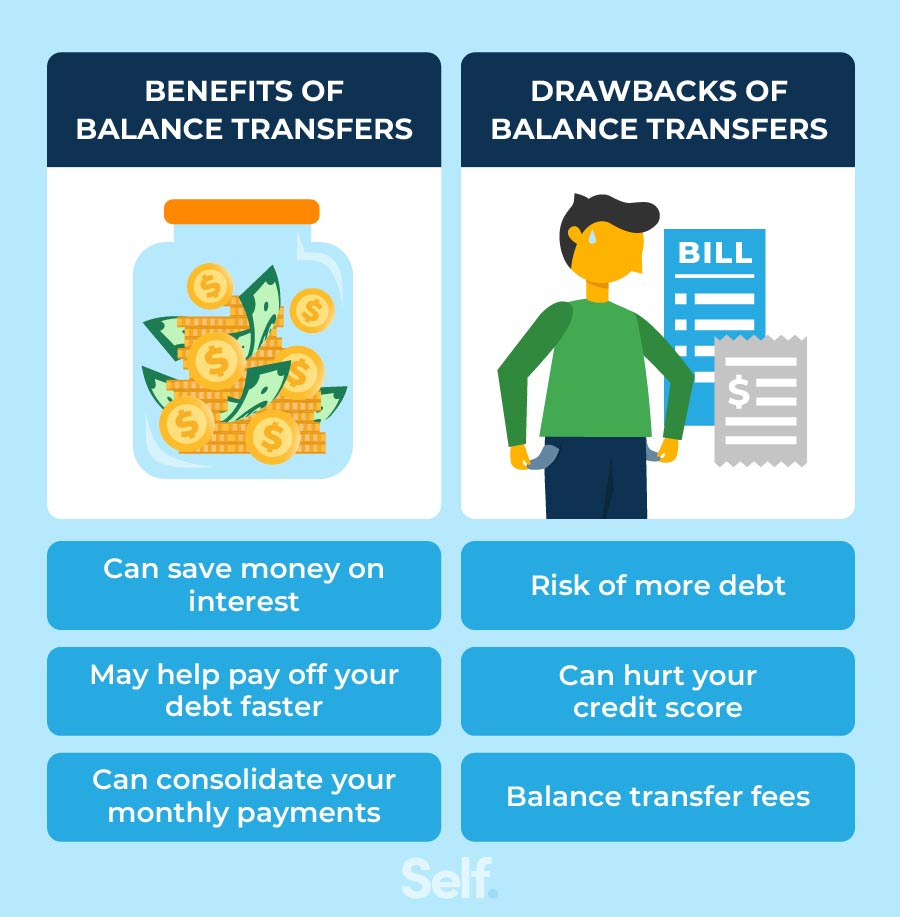
A balance transfer is a financial maneuver that allows you to move existing credit card debt from one or more high-interest accounts to a single new credit card, ideally one with a low or 0% promotional Annual Percentage Rate (APR). This mechanism is designed to give consumers breathing room. When you are no longer crushed by daily-compounding interest rates that often exceed 20% to 30% variable APR, every dollar you pay goes directly toward paying down what you actually borrowed.
However, executing a balance transfer requires a strategic approach. Issuers typically charge a balance transfer fee, which is usually between 3% and 5% of the total amount transferred. Before initiating a transfer, you must weigh this upfront cost against the total interest you expect to save during the promotional window. Furthermore, qualifying for the best balance transfer options—specifically those offering the longest 0% APR periods—typically requires a good to excellent credit score, generally defined as a FICO score of 690 or higher.
Key Factors to Consider When Evaluating Balance Transfer Offers
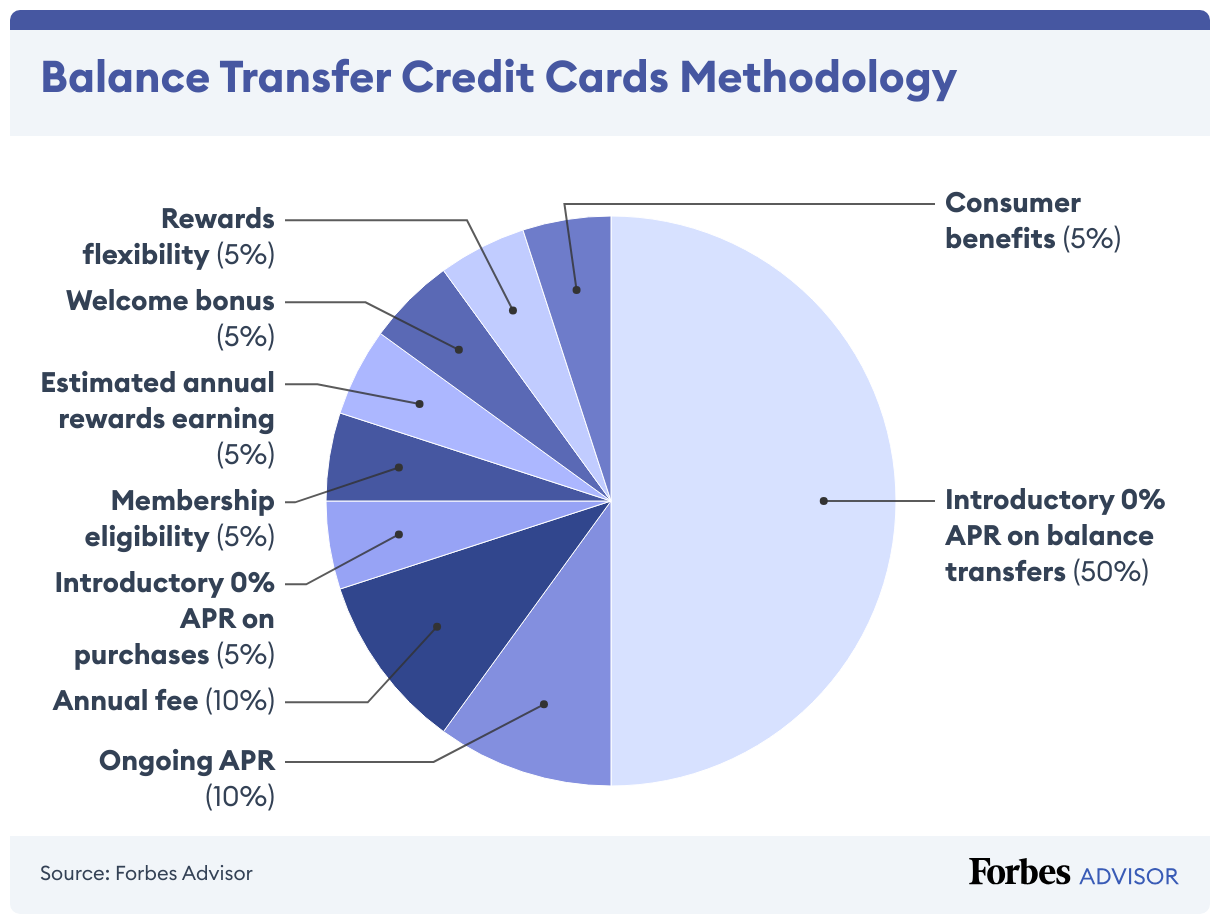
When comparing balance transfer options, looking solely at the length of the 0% APR introductory period is a common mistake. While a lengthy introductory window is undeniably valuable, several other financial metrics dictate the true value of a card.
Introductory APR Duration vs. Regular Variable APR
The length of the 0% introductory APR period can range anywhere from 12 months to 21 months or more. A longer window provides more time to pay off large balances without incurring interest, but you must also examine what the regular variable APR will revert to once the promotional period expires. If you anticipate carrying a remaining balance past the deadline, a slightly shorter promotional period paired with a lower regular APR might ultimately save you money.
Balance Transfer Fees
Virtually all credit card issuers charge a fee to process a balance transfer. This is typically calculated as a flat percentage of the transferred amount—frequently 3% or 5%, with a minimum fee of $5 or $10. For example, transferring a $10,000 balance with a 5% fee will immediately add $500 to your new card balance. You must calculate whether the interest saved over the promotional period outweighs this immediate overhead cost.
Purchase APR and Promotional Exclusions
Some cards offer a 0% introductory APR on both balance transfers and new purchases, while others restrict the 0% rate strictly to balance transfers. If you plan on using the card for everyday spending while paying down your transferred debt, a dual-purpose 0% APR offer is essential. Additionally, you must be aware of the window allowed for transfers; many issuers require you to complete all balance transfers within the first 60 to 90 days of account opening to qualify for the promotional rate.
Comparison of Top Balance Transfer Credit Cards
To help clarify the marketplace, the following comparison details structural features commonly found among leading balance transfer offerings. Note that specific terms, credit requirements, and fee structures are subject to change by issuers based on individual applicant creditworthiness.
| Card Category | Typical Introductory Period | Standard Balance Transfer Fee | Purchase APR Offer | Target Credit Profile |
|---|---|---|---|---|
| Ultra-Long Duration Tier | Up to 21 months | 3% to 5% ($5 minimum) | Often 0% for matching period | Excellent (740+) |
| Standard Long-Term Tier | 15 to 18 months | 3% to 5% ($5 minimum) | 0% for introductory period | Good to Excellent (690+) |
| Balanced Rewards Tier | 12 to 15 months | 3% (sometimes $0 promo) | 0% introductory rate | Good (670+) |
| Flat-Fee Specialized Tier | 15 to 18 months | Low fixed or intro 0% fee | Varies by issuer | Good to Excellent (690+) |
| Fair Credit Tier | 12 months | 5% ($5 minimum) | Standard variable APR | Fair to Good (580-680) |
Strategies for Maximizing Your Balance Transfer
Securing a card with a favorable balance transfer offer is only the first step. To extract maximum value from the arrangement, you must adhere to a strict repayment discipline and avoid common financial pitfalls.
Calculate Your Required Monthly Payment
To ensure your balance is completely eradicated before the 0% introductory APR expires, divide your total transferred balance (including the transfer fee) by the total number of months in the promotional window. For example, if you transfer $6,000 with a 3% fee ($180), your total balance is $6,180. Spread across an 18-month 0% period, your target monthly payment must be at least $343.33 to avoid facing deferred or retroactive interest spikes.
Avoid New Purchases on the Transfer Card
Unless your card specifically offers a 0% APR on new purchases and you possess strict spending discipline, refrain from using your balance transfer card for everyday retail shopping. Carrying a purchase balance while attempting to pay down a transfer can complicate payment allocations, as issuers often apply payments exceeding the minimum toward the balance with the lowest interest rate first, potentially leaving your new purchases accumulating high interest.
Keep Your Old Accounts Open
A common misconception is that you should close your old credit card accounts once the balances are transferred to a new card. However, closing accounts can negatively impact your credit utilization ratio and shorten your average credit history length, both of which calculate heavily into your credit score. Instead, keep the old accounts open with a zero balance, or use them for a small, recurring subscription that you pay off automatically each month to maintain active credit history.
Common Pitfalls to Avoid
Navigating balance transfers successfully requires vigilance regarding fine print and issuer rules. Overlooking minor details can result in unexpected fees or the immediate revocation of your 0% promotional rate.
- Missing Payment Deadlines: Missing even a single payment by its due date can cause the issuer to cancel your 0% promotional APR immediately, replacing it with a steep penalty APR that can exceed 29.99%. Set up automatic payments for at least the minimum amount due to protect your promotional status.
- Exceeding Your Credit Limit: Balance transfer requests are subject to your approved credit limit. If your approved limit is $5,000, you cannot transfer a $6,000 balance, even if the issuer initially indicated interest. Always request a transfer amount that leaves a safe buffer below your maximum credit limit.
- Ignoring Transfer Deadlines: Issuers frequently enforce a strict window—such as 60 days from account opening—during which balance transfers must be initiated to qualify for the promotional APR. Transfers requested outside this window will typically be assessed at the card's standard cash advance or purchase APR.
Frequently Asked Questions
What credit score is required to qualify for a top balance transfer card?
Qualifying for the most competitive balance transfer cards—especially those offering 18 to 21 months of 0% APR—typically requires a good to excellent credit score, generally ranging from 690 to 850. Consumers with fair credit may still find options, but promotional periods may be shorter and transfer fees or regular APRs may be higher.
Can I transfer a balance from one card to another issued by the same bank?
No. Major credit card issuers generally prohibit balance transfers between cards belonging to the same financial institution or banking family. You must transfer the balance from an account with one issuer to a newly opened card with an entirely different issuer.
What happens to my remaining balance when the 0% APR period ends?
Any remaining balance that is not paid off by the exact final day of the 0% introductory APR promotional period will begin accruing interest at the card's standard variable APR. This rate is specified in your cardholder agreement and is usually tied to the Prime Rate.
Are balance transfer fees tax-deductible?
Generally, credit card balance transfer fees and interest charges are considered personal debt expenses and are not tax-deductible for individual consumers. Always consult a certified public accountant or tax professional regarding your specific financial situation.
Conclusion and Next Actionable Steps
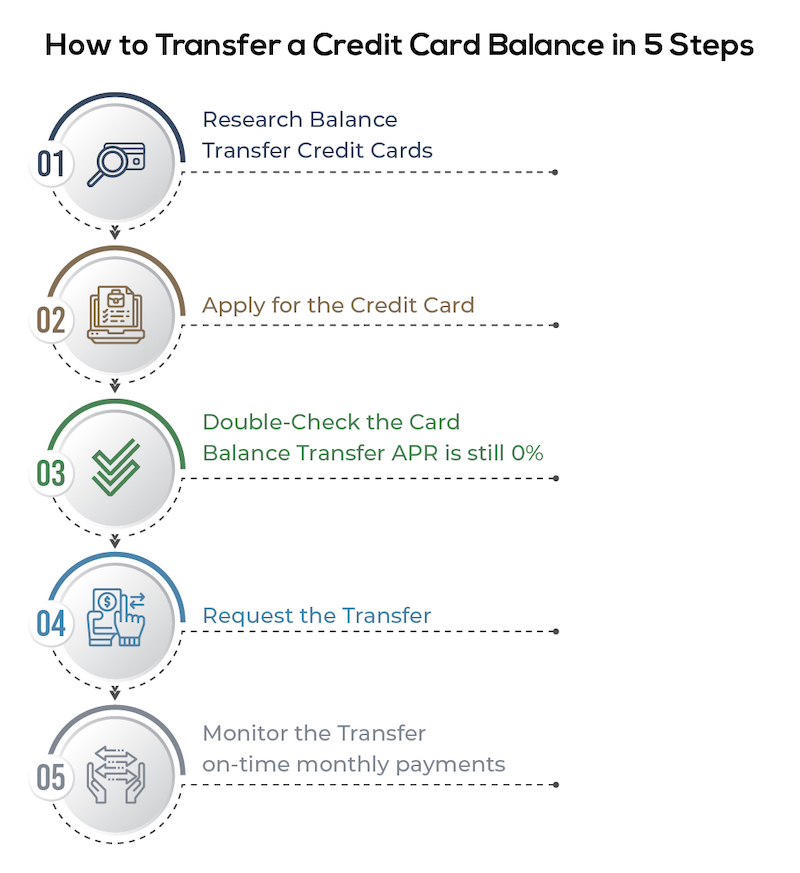
Comparing balance transfer options effectively requires analyzing the length of the introductory 0% APR period, calculating the impact of transfer fees, and evaluating your ability to eliminate the debt before the promotional window closes. Begin by pulling your credit report to verify your credit score, research current issuer offerings that match your financial profile, and calculate a strict monthly payment budget to ensure you conquer your debt before standard interest rates resume.