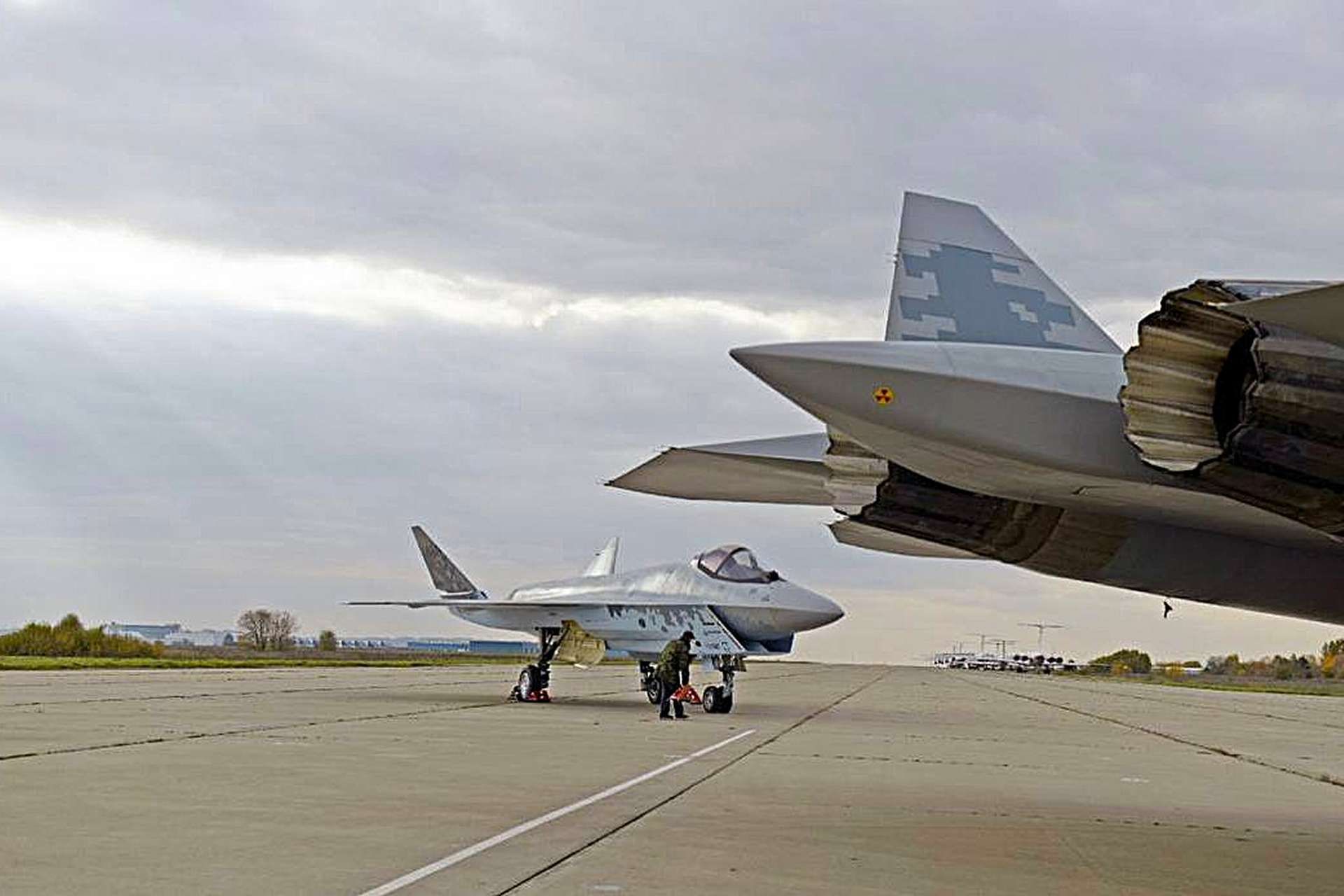
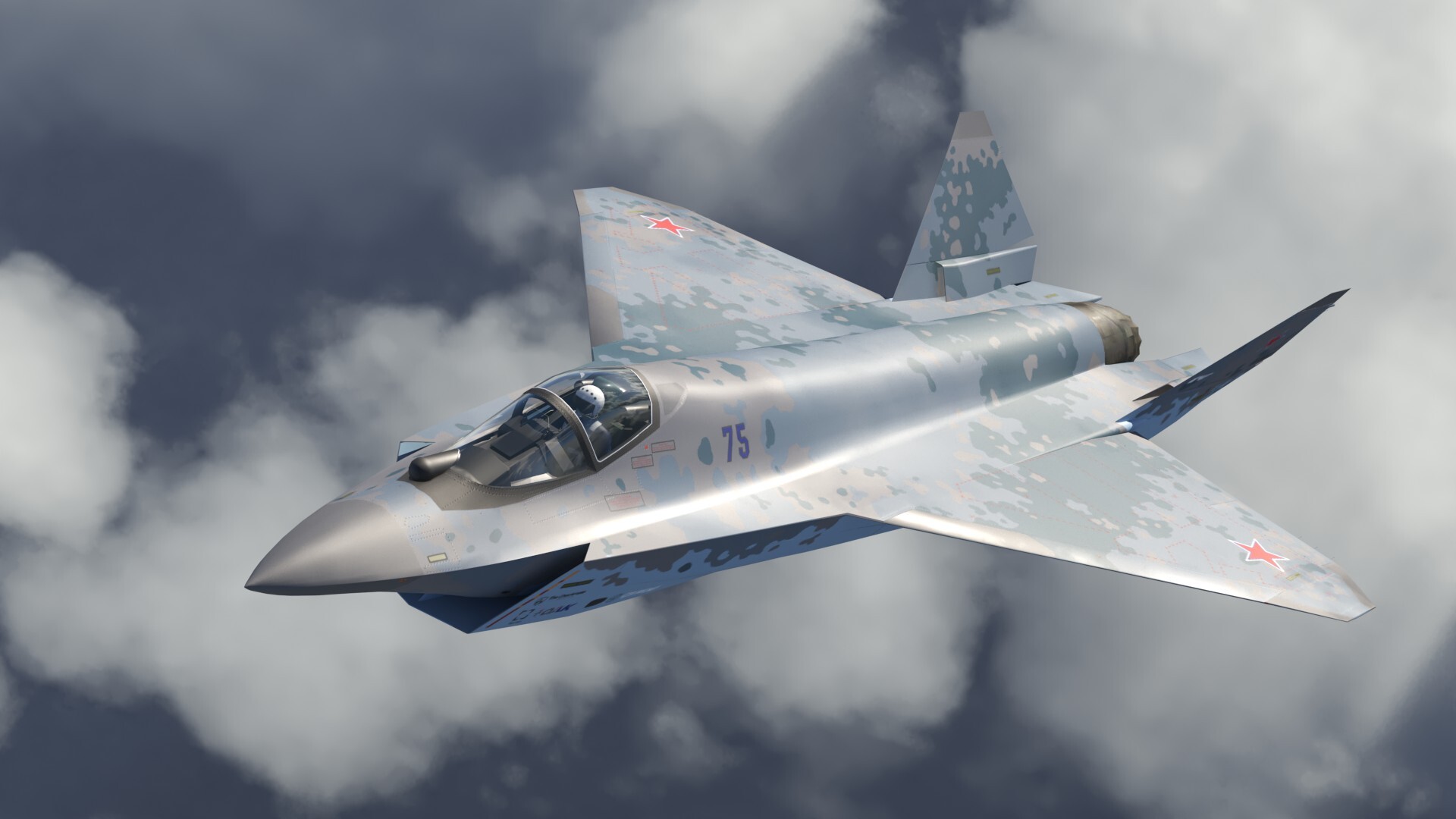
The Sukhoi Su-75 Checkmate is a single-engine, fifth-generation light tactical fighter aircraft developed by Russia’s United Aircraft Corporation (UAC) to capture the export market for affordable stealth aviation. Positioned with an estimated unit cost of $30 million to $35 million, the aircraft targets nations seeking advanced low-observable capabilities without the prohibitive acquisition and maintenance expenses associated with heavy platforms like the F-35 Lightning II or Su-57.
Introduction to the Su-75 Checkmate Program
The aerospace market has long been dominated by heavy, twin-engine, fifth-generation stealth fighters that require immense capital outlays and complex logistical footprints. Recognizing a gap for a cost-effective, multi-role tactical fighter, Russia’s Sukhoi design bureau—a subsidiary of the state-owned United Aircraft Corporation—embarked on the development of the Su-75 Checkmate, also designated internally as the Light Tactical Fighter (LTS). Unveiled internationally at the MAKS air show in 2021, the Checkmate represents an ambitious effort to provide export-oriented air forces with low-observable strike capabilities, high maneuverability, and modern avionics at a fraction of Western platform costs.
Priced aggressively between $30 million and $35 million per unit, the Checkmate is explicitly engineered for budget-conscious international buyers who require advanced sensor fusion, internal weapon storage, and supersonic performance. However, transitioning from a static prototype to an operational, mass-produced combat aircraft involves significant engineering hurdles, supply chain constraints, and geopolitical headwinds. This overview examines the technical architecture, cost dynamics, performance projections, and strategic market realities surrounding the Su-75 Checkmate program.
Strategic Economic Positioning and Pricing Architecture
The defining characteristic of the Su-75 Checkmate marketing strategy is its disruptive unit cost. While traditional fifth-generation fighters often exceed $80 million to $100 million in flyaway costs—accompanied by exceptionally high cost-per-flight-hour metrics—Sukhoi designed the Checkmate to appeal to nations operating older legacy fleets such as the MiG-29 or F-16 who cannot justify Western procurement budgets.
Cost Breakdown Drivers
Achieving a $30 million to $35 million price point requires deliberate design and manufacturing choices:
- Single-Engine Architecture: Utilizing a single powerplant significantly reduces manufacturing complexity, engine maintenance cycles, and raw material requirements compared to twin-engine configurations like the Su-57.
- Component Commonality: The Checkmate leverages avionics, radar sub-systems, and cockpit layouts derived from the proven Su-57 program, spreading research and development amortization across multiple platforms.
- Modular Open Architecture: By utilizing commercial-off-the-shelf (COTS) computing standards and simplified internal bus systems, production hours are minimized.
Despite these cost-saving measures, analysts note that export pricing often shifts once ground support equipment, training simulators, specialized ordnance, and multi-year maintenance packages are integrated into final government-to-government contracts.
Technical Specifications and Aerodynamic Design
The Su-75 Checkmate features a distinct aerodynamic profile optimized for radar cross-section (RCS) reduction while maintaining high agility across various flight regimes.
Airframe and Low-Observable Features
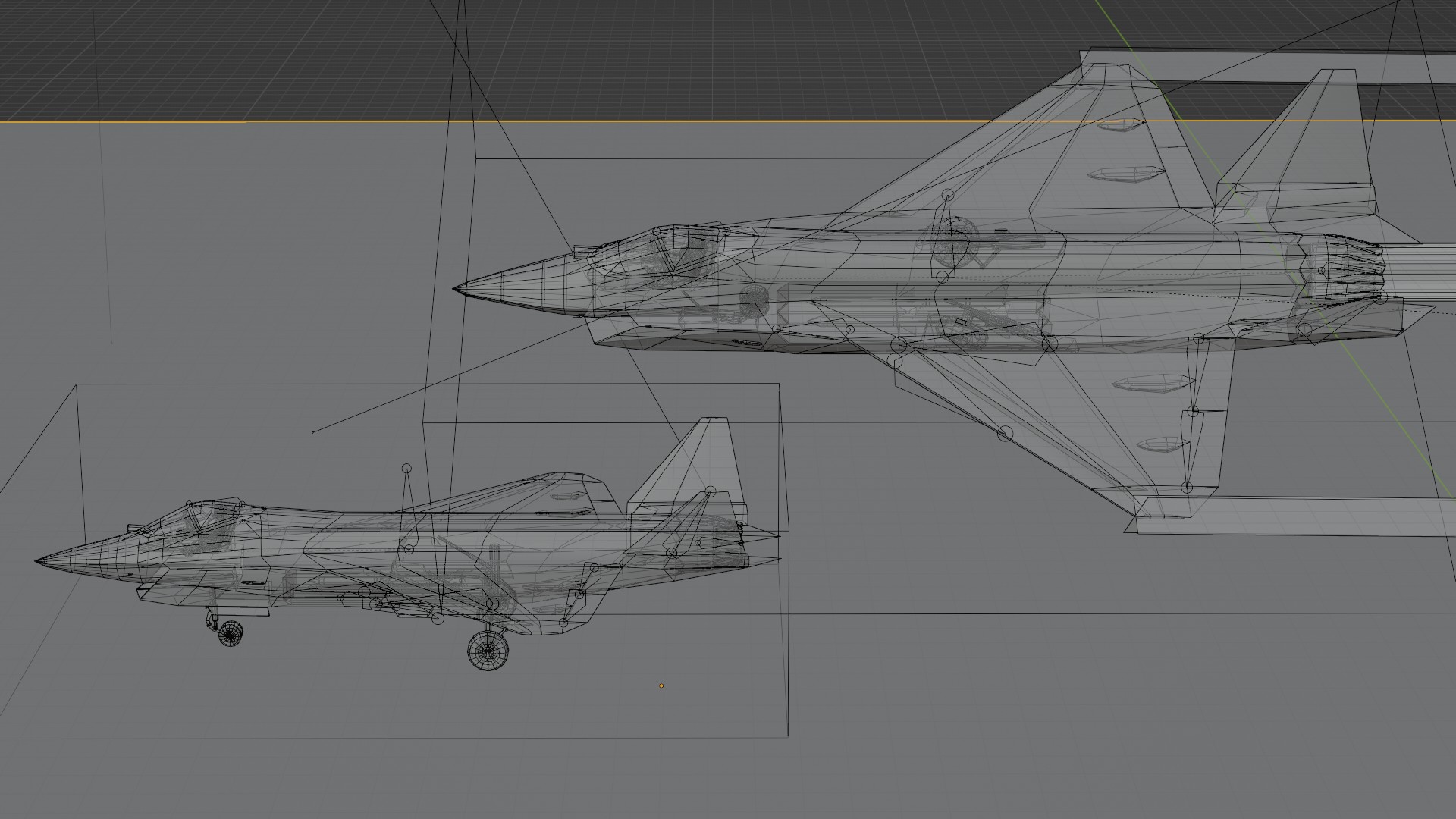
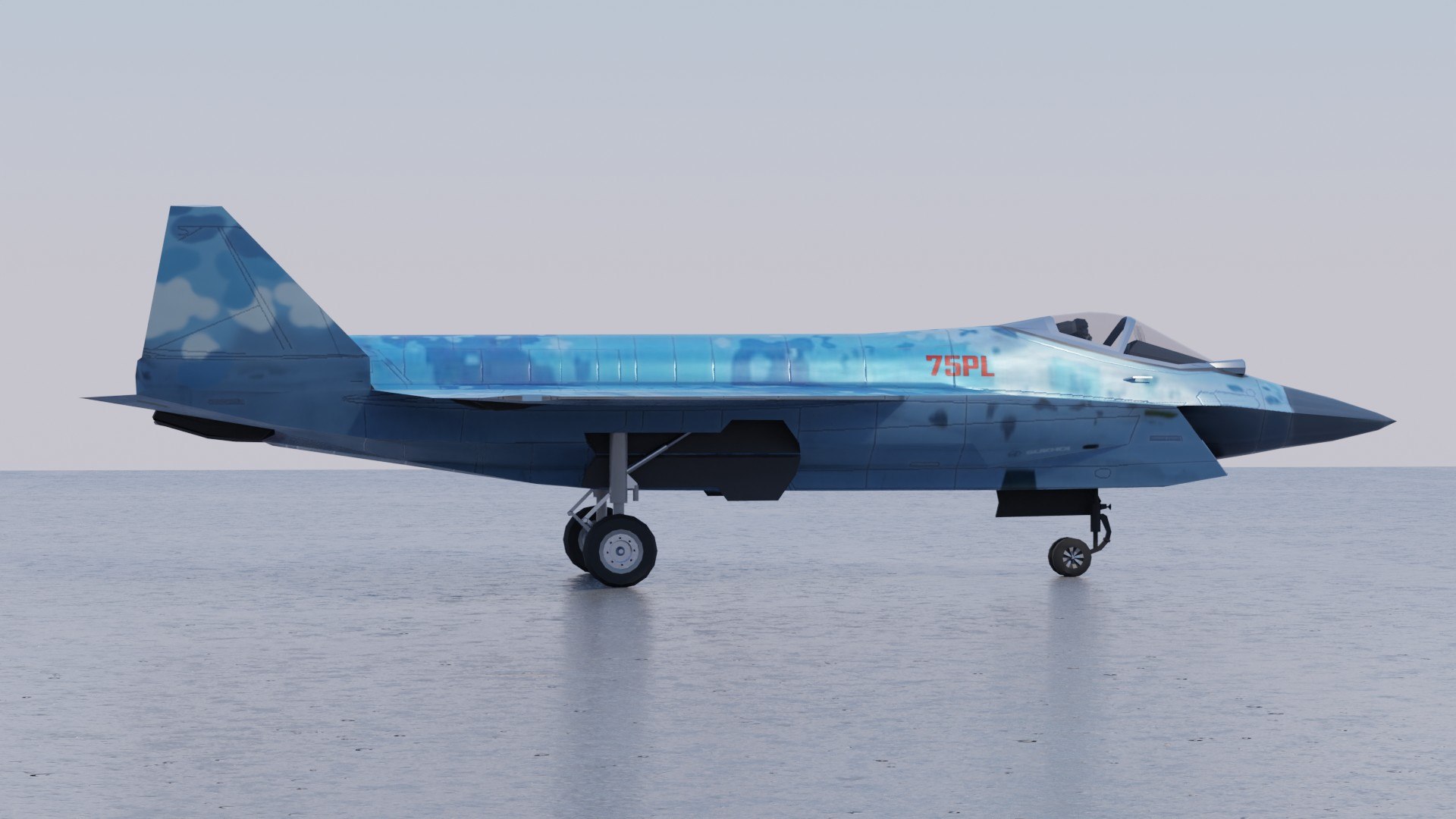
The aircraft incorporates a diverted supersonic intake (DSI) belly inlet, internal weapon bays to preserve stealth profiles during transit, and an aggressively swept wing planform. Unlike traditional tail configurations, the Checkmate utilizes a V-tail empennage, which reduces weight, minimizes radar reflection from rear aspects, and enhances pitch-yaw control coupling.
| Technical Parameter | Projected / Estimated Specification |
|---|---|
| Classification | Single-engine fifth-generation stealth fighter |
| Estimated Unit Cost | $30 million – $35 million |
| Maximum Speed | Mach 1.8 - Mach 2.0 |
| Combat Radius | Up to 1,500 kilometers (without external tanks) |
| Max Takeoff Weight (MTWT) | ~18,000 to 26,000 kilograms |
| Internal Payload Capacity | Up to 7,400 kilograms across internal bays |
| Engine Type | Derivative of Saturn izdeliye 30 / AL-41F1 |
Avionics, Radar, and Sensor Fusion
At the heart of the Checkmate's combat capability is an Active Electronically Scanned Array (AESA) radar system designed to track multiple aerial, ground, and sea targets simultaneously in heavy electronic countermeasures (ECM) environments. The cockpit features a glass design centered on large-format multifunction liquid crystal displays, supported by a helmet-mounted cueing system. Sensor fusion algorithms process data from optical, infrared, and electronic intelligence (ELINT) sensors to reduce pilot cognitive workload during high-threat engagements.
Operational Capabilities and Mission Profiles
The Checkmate is designed as a modular multi-role platform capable of executing air superiority, precision strike, and reconnaissance missions.
Air-to-Air Combat
Equipped with internal weapon bays that can accommodate beyond-visual-range (BVR) missiles such as the R-77M, the Su-75 maintains its low radar signature while hunting adversary aircraft. For close-in engagements, wingtip rails can carry short-range infrared-guided missiles, though mounting external ordnance compromises the aircraft's stealth profile.
Strike and Ground Suppression
For air-to-ground missions, the internal bays house precision-guided munitions, including KAB-series smart bombs and Kh-38 tactical missiles. The inclusion of an internal electro-optical targeting pod interface allows the pilot to designate and destroy stationary or moving targets without external pod attachments that increase drag and RCS.
Geopolitical Landscape and Export Viability
The commercial success of the Su-75 Checkmate depends heavily on geopolitical factors, export controls, and foreign policy alignments. Traditional buyers of Russian military hardware face complex procurement calculations, particularly in light of international economic sanctions and the Countering America's Adversaries Through Sanctions Act (CAATSA).
Target Export Markets
UAC has historically focused marketing efforts toward nations in the Middle East, Asia-Pacific, Latin America, and Africa. Air forces seeking to modernize aging fleets without committing to Western supply chains represent the primary demographic. However, actual firm orders remain limited as prospective buyers evaluate prototype maturity, flight-test validation milestones, and the reliability of long-term parts supply chains.
Industrial Partnerships and Co-Production
To mitigate financial risks and secure market access, Russian defense officials have periodically floated proposals for co-production agreements and technology transfer options with interested foreign partners. Such arrangements would allow buyer nations to manufacture specific sub-components domestically, increasing the attractiveness of the $30–$35 million price tag.
Comparison with Competing Fifth-Generation Fighters
Evaluating the Su-75 requires direct comparison against established global competitors in the light-to-medium stealth category.
- Lockheed Martin F-35A Lightning II: The benchmark for fifth-generation fighters. While the F-35 boasts unmatched sensor fusion, global logistics networks, and mature combat software, its unit flyaway cost remains significantly higher ($80M+), and export approvals are strictly regulated by the United States government.
- Chengdu J-35: China's twin-engine carrier-capable stealth fighter. The J-35 offers twin-engine redundancy and naval operational capability, positioning it as a heavier, more complex alternative to the single-engine Checkmate.
- Kaan (TF-X): Turkey's indigenous fifth-generation fighter program. Positioned as a heavy air superiority platform, the Kaan targets a different weight and cost class than the light tactical Su-75.
Frequently Asked Questions
What is the actual operational status of the Su-75 Checkmate?
The Su-75 exists primarily in prototype and mockup forms. While ground tests and structural assembly benchmarks have progressed, comprehensive flight-test validation schedules continue to experience timeline adjustments governed by domestic industrial priorities and component availability.
How does the Checkmate achieve a $30–$35 million price tag?
Cost reduction is achieved by utilizing a single powerplant, maximizing avionics commonality with the Su-57, and incorporating simplified manufacturing techniques designed to lower labor hours and raw material waste.
Can the Su-75 Checkmate carry weapons externally?
Yes. While internal weapon bays are utilized to maintain low observability, the aircraft features underwing hardpoints for situations where stealth is secondary to payload capacity, such as permissive airspace patrols or heavy strike missions.
What engine powers the Su-75 Checkmate?
The prototype utilizes an interim engine variant based on proven Russian tactical jet architectures, with future serial-production models slated to receive advanced powerplants derived from the izdeliye 30 engine family, offering improved thrust-to-weight ratios and fuel efficiency.
Is the Checkmate intended for aircraft carrier operations?
While standard land-based variants are the primary focus, UAC representatives have previously indicated that carrier-capable and unmanned derivations of the Checkmate airframe are technically feasible within the modular design framework.
Conclusion and Next Actions
The Sukhoi Su-75 Checkmate occupies a unique conceptual space in modern military aviation: an affordable, single-engine fifth-generation fighter designed to democratize access to stealth technology. With a projected price point of $30 million to $35 million, it addresses a genuine market demand for cost-effective air force modernization. However, prospective buyers and defense analysts must weigh these attractive economic projections against the realities of developmental timelines, export regulatory frameworks, and unproven combat performance metrics. Stakeholders monitoring the program should closely track formal maiden flight milestones, serial production facility investments, and verified export contract signings to gauge the long-term viability of the Checkmate platform.