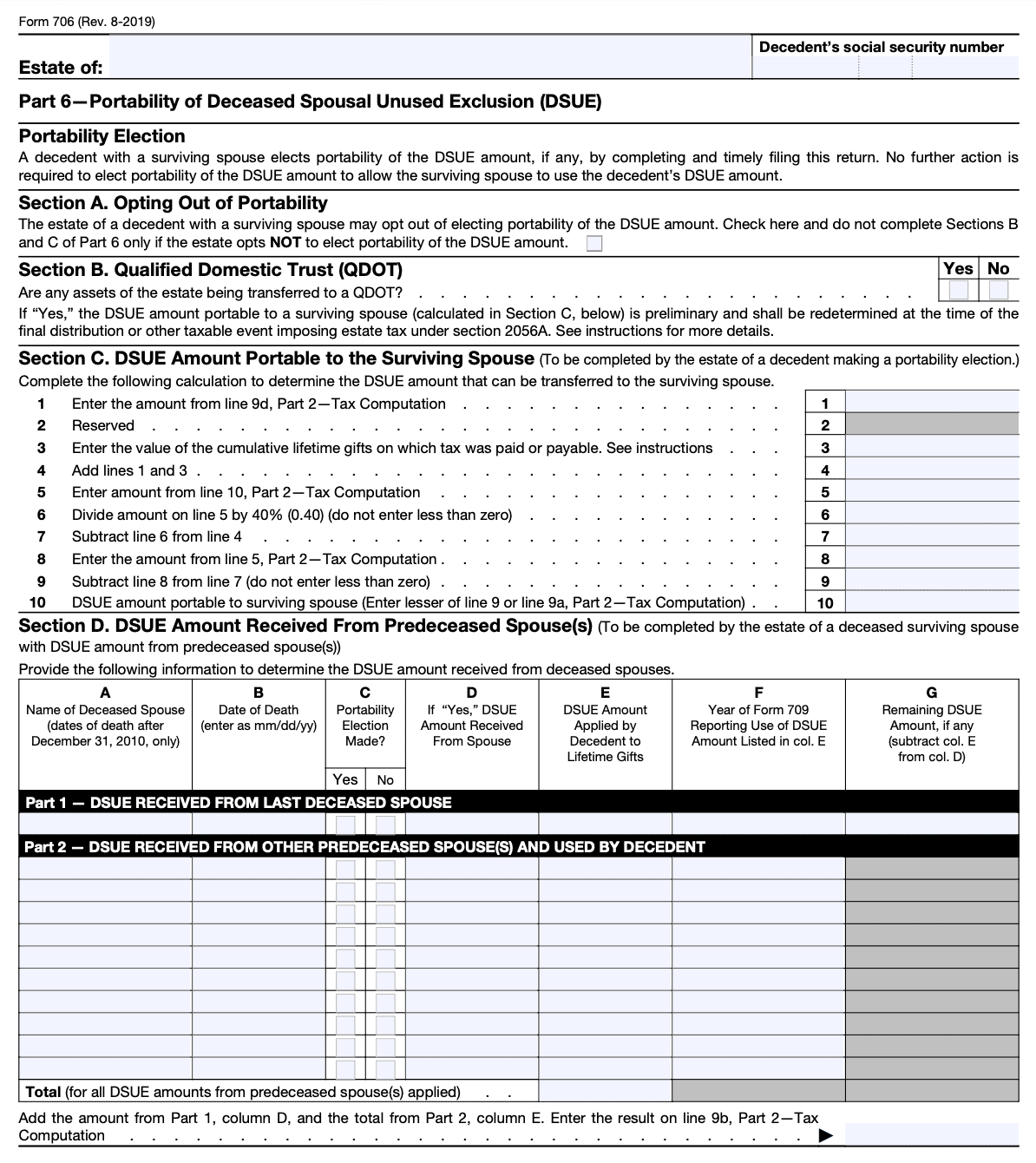
When an individual passes away, their estate may be subject to federal estate taxes, which are reported and paid using United States Estate (and Generation-Skipping Transfer) Tax Return, commonly known as IRS Form 706. A critical yet frequently misunderstood component of calculating the taxable estate is the Internal Revenue Code (IRC) Section 2035, often referred to as the "three-year rule." Under this provision, certain transfers of property and life insurance policies made by the decedent within three years of their death are pulled back into their gross estate for tax purposes. Understanding how this rule interacts with life insurance policies is essential for estate planning, executors filing Form 706, and financial professionals navigating complex tax liabilities.
Understanding the Three-Year Rule (IRC Section 2035)
To comprehend why a life insurance policy might be included in a decedent's estate even when they technically gave away ownership, one must examine the legislative intent behind IRC Section 2035. Historically, individuals would attempt to gift away appreciating assets or death benefits right before passing away to avoid steep estate tax rates. To counteract this deathbed transfer strategy, Congress enacted rules that claw back certain transfers made during the final 36 months of a person's life.
When applied to general property, the three-year rule triggers inclusion if the decedent transferred an interest in property that would have been included in the gross estate under sections 2036 (transfers with retained life estate), 2037 (transfers taking effect at death), 2038 (revocable transfers), or 2042 (proceeds of life insurance) had they retained it. However, the application of this rule to life insurance carries unique mechanical hurdles that executors must carefully navigate when filling out Form 706.
How Life Insurance Intersects with Form 706
IRS Form 706 requires executors to provide an exhaustive accounting of all assets owned by the decedent at the time of death, as well as certain lifetime transfers. Life insurance is reported primarily on Schedule D of Form 706. Generally, if the decedent owned the policy at the time of death, or if the policy proceeds are payable to the estate, the full face value (death benefit) is included in the gross estate.
If the insured successfully transfers ownership of a life insurance policy to an Irrevocable Life Insurance Trust (ILIT) or another individual beneficiary more than three years before death, the proceeds typically avoid estate taxation. However, if the transfer occurs within the three-year window preceding death, the rule steps in, and the proceeds are pulled back into the gross estate and reported on Form 706, regardless of who currently holds legal title to the policy.
Direct Transfer of an Existing Policy
The most straightforward application of the three-year rule to life insurance occurs when an insured person owns an existing policy on their own life and transfers all incidents of ownership—such as the right to change beneficiaries, surrender the policy, or borrow against its cash value—to a third party or an ILIT.
If the insured dies within 30 months of executing this transfer, the transfer is undone for estate tax purposes. The entire death benefit of the policy is treated as though the insured never gave it away, and it must be included on Form 706. This inclusion can drastically increase the total gross estate, potentially triggering a significant federal estate tax liability if the total estate exceeds the applicable unified credit exclusion amount.
The Payment of Premiums and the "Contemplation of Death" Construct
A more subtle and frequently litigated aspect of the three-year rule involves the payment of insurance premiums rather than the transfer of the policy itself.
- Policies Owned by ILITs from Inception: If an irrevocable trust is set up to apply for and purchase a brand-new life insurance policy on the insured's life, the insured never technically owned the policy, avoiding a direct policy transfer.
- The Premium Trap: If the insured gifts cash to the trust, and the trust uses that exact cash to pay the policy premiums, the IRS may argue under IRC Section 2035 that the insured was indirectly paying the premiums on a policy insuring their own life.
- The Inclusion Rule: If the insured dies within three years of these premium payments, the IRS generally does not pull the entire million-dollar death benefit into the estate. Instead, the IRS includes the total dollar amount of the premiums paid by the insured during that three-year window.
However, if the insured directly purchased the policy and then transferred it, the entire death benefit is pulled back, not just the premiums. This distinction is vital for estate planners who utilize ILITs to structure new policies versus transferring legacy policies.
Comparison of Life Insurance Transfer Methods and Form 706 Impact
To clarify how different ownership and transfer scenarios affect reporting requirements on IRS Form 706, consider the comparative breakdown below:
| Transfer / Ownership Scenario | Action within 3-Year Window? | Form 706 Reporting Requirement | Tax Impact on Gross Estate |
|---|---|---|---|
| Direct Ownership | N/A (Owned at death) | Report full death benefit on Schedule D | 100% of death benefit included |
| Existing Policy Gift | Yes (Transferred within 3 years) | Report full death benefit under IRC 2035 rules | 100% of death benefit included |
| Existing Policy Gift | No (Transferred > 3 years prior) | Omitted from Schedule D (unless incidents retained) | Excluded from gross estate |
| ILIT Purchase (Direct Cash Gifts) | Yes (Premiums paid within 3 years) | Report total premiums paid on Schedule G/D | Only the aggregate premiums paid are included |
| ILIT Purchase (Independent Funds) | N/A (Trust funded independently) | Omitted from Schedule D | Excluded from gross estate |
Step-by-Step Guidance for Executors Filing Form 706
When an executor takes on the responsibility of filing Form 706, identifying whether life insurance policies are subject to the three-year rule requires a meticulous audit of the decedent’s financial history for the 36 months prior to death.
Step 1: Gather Historical Ownership Records
The executor must review all active and lapsed life insurance policies for the decedent covering the past three to five years. This includes requesting historical policy ledger statements from insurance carriers to verify who held the incidents of ownership at all times.
Step 2: Examine Gift Tax Returns (Form 709)
Review past United States Gift (and Generation-Skipping Transfer) Tax Returns (Form 709) filed by the decedent. If the decedent transferred a life insurance policy as a gift, the Form 709 filing date and reported value at the time of the gift provide crucial evidence regarding the exact timeline of the transfer.
Step 3: Audit Bank Statements and Trust Accounts
Trace the origin of every premium payment made on policies owned by trusts or third parties. If the decedent wrote personal checks directly to the insurance company, or transferred funds to an ILIT immediately before a premium was due, those transactions must be flagged for potential three-year rule inclusion.
Step 4: Complete Schedule D and Schedule G
If the three-year rule applies, the asset cannot simply be ignored.
- Policies pulled back under Section 2035 are typically reported on Schedule D (Insurance) or Schedule G (Transfers During Decedent's Life), depending on local tax software formatting and specific IRS instructions for the filing year.
- Ensure that the values reported match the official Form 712 (Life Insurance Statement) provided by the insurance carrier.
Common Mistakes and Compliance Pitfalls
Navigating Form 706 and the three-year rule is fraught with technical traps that can result in IRS audits, severe underreporting penalties, and unexpected tax burdens.
- Failing to Request Form 712: Executors often rely solely on annual statements or death benefit notifications. The IRS strictly requires Form 712 for every policy on the decedent's life, whether the proceeds are taxable or not.
- Miscalculating the 36-Month Window: The three-year period is calculated backward to the exact day from the date of the decedent’s death, not just the calendar year. Transfers occurring even a few days within the threshold trigger full inclusion.
- Ignoring Indirect Transfers: Assuming that setting up an ILIT completely insulates the estate from scrutiny without verifying the source of the premium payments often leads to compliance errors during an audit. If the grantor-insured supplied the funds used to purchase the policy in a transparently circular transaction, the IRS will challenge the structure.
Frequently Asked Questions
What triggers the three-year rule for life insurance on Form 706?
The three-year rule is triggered when an insured individual transfers ownership of an existing life insurance policy or relinquishes all incidents of ownership within 36 months of their date of death. It can also apply to certain premium payments made by the insured on policies owned by third parties or trusts during that same window.
Are the proceeds of an ILIT always subject to the three-year rule?
No. If an Irrevocable Life Insurance Trust is created from inception, applies for the policy itself, and is funded with independent assets where the insured exercises no control or direct premium-funding loops, the policy proceeds bypass the gross estate entirely, even if the insured dies shortly after setup. The three-year rule primarily targets transfers of existing policies or direct premium payments made by the insured.
How do I report a policy pulled back under the three-year rule on Form 706?
When a policy is brought back into the estate via IRC Section 2035, the full face value (death benefit) must be reported on the appropriate schedules of Form 706 (typically Schedule D and/or Schedule G), supported by an attached IRS Form 712 issued by the insurance carrier.
Can the marital deduction offset life insurance included via the three-year rule?
Yes, if the life insurance proceeds pass outright or via a qualifying marital trust to a surviving spouse who is a U.S. citizen, the estate may claim the marital deduction on Schedule M of Form 706, potentially reducing the net taxable estate to zero for that specific asset.
What is IRS Form 712 and why is it necessary?
Form 712 is a mandatory statement issued by the insurance company that details the exact valuation, terminal reserve, cash surrender value, and death benefit of a life insurance policy. It must be attached to Form 706 for every policy existing on the decedent's life, regardless of whether the proceeds are included in the taxable estate.
Conclusion and Next Actions
The interaction between the three-year rule, tax Form 706, and life insurance highlights the profound importance of proactive, long-term estate planning. Executors facing the filing of Form 706 must carefully audit all historical transfers and premium payments within the 36-month window prior to death to ensure strict compliance with federal tax law. Because estate tax laws and IRS valuation rules are intensely technical, executors and families should consult an experienced estate planning attorney or certified public accountant specializing in estate taxation before finalizing and submitting Form 706.