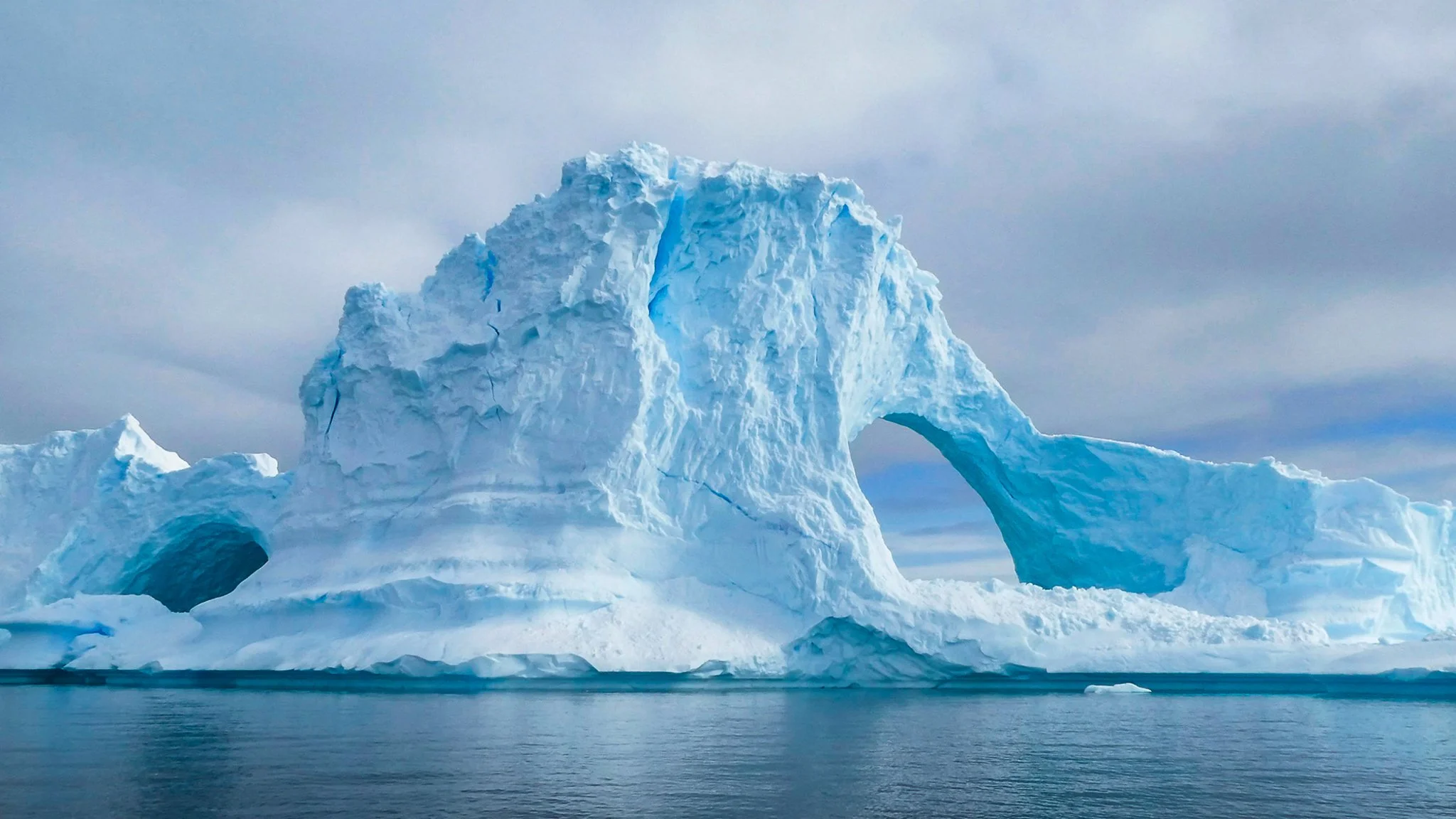
Antarctica is governed by the Antarctic Treaty System, which strictly regulates human activity, construction, and environmental impact across the continent. While the popular imagination often conjures images of mysterious, undocumented statues or ancient monolithic structures, the reality of sculptural presence on the continent is defined by scientific heritage, memorial markers, and art installations sanctioned under international protocols. As of 2026, there are no unverified, ancient, or non-human-made statues in Antarctica; all recognized structures are cataloged, historical, or modern art pieces installed with explicit environmental oversight.
The Governance of Structures in the Antarctic Treaty Area
To understand the presence of any man-made object in Antarctica, one must first reference the Antarctic Treaty of 1959. This foundational document designates the continent as a scientific preserve, prioritizing environmental protection and international cooperation. Under the Protocol on Environmental Protection to the Antarctic Treaty (the Madrid Protocol), any installation—including monuments, busts, or statues—requires rigorous environmental impact assessments (EIA).
The Committee for Environmental Protection (CEP) oversees these assessments to ensure that foreign objects do not introduce non-native materials, interfere with scientific research, or disrupt local ecosystems. Consequently, any "statues" reported in Antarctica are almost exclusively located within the curtilage of existing research stations or are recognized as Historical Sites and Monuments (HSM).
Registered Historical Sites and Monuments (HSMs)
The Antarctic Treaty Consultative Parties (ATCP) maintain a comprehensive list of Historical Sites and Monuments. These are the only "monuments" in the region that hold legal recognition and protected status. These sites are not mysterious monoliths but rather markers of human endeavor, exploration, and tragedy.
Common types of protected monuments include:
- Memorial Busts and Plaques: Small-scale bronze or stone markers dedicated to explorers or researchers who lost their lives in the service of Antarctic science.
- Cairns and Navigation Markers: Simple stone structures erected by early 20th-century expeditions, often serving as critical historical touchstones.
- Station Markers: Commemorative installations marking the founding of long-standing research bases, such as the Amundsen-Scott South Pole Station.
These sites are strictly protected. Removing, defacing, or adding to these markers is prohibited under the Protocol. If you are conducting research or visiting as part of a sanctioned expedition, you are legally obligated to respect these boundaries and avoid disturbing the physical integrity of these sites.
Modern Art and Symbolic Installations
Beyond historical markers, there have been instances of modern art installations in Antarctica. However, these are transitory by design or strictly regulated. The "Antarctica World Critical Zone" project and various artist-in-residence programs have, at times, introduced sculptural elements to the landscape.
Unlike the misconceptions regarding "ancient statues," these contemporary works are:
- Documented: Every piece of material used is logged to prevent contamination.
- Temporary: Most are designed to be removed upon the conclusion of the project.
- Approved: They undergo the same stringent EIA process as a new research laboratory or communication array.
There is no evidence of permanent, large-scale statues outside of established station zones. Claims regarding the discovery of "lost" or "hidden" statuary in remote, uninhabited regions of the ice sheet have been investigated by researchers and aerial surveys, with all such reports attributed to pareidolia—the psychological phenomenon where humans perceive familiar patterns (like faces or statues) in random data—or the natural formation of nunataks and wind-sculpted snow drifts.
Comparative Status of Antarctic Markers
To clarify the difference between legitimate installations and common misconceptions, the following table summarizes the types of structures found in the Antarctic region.
| Category | Typical Composition | Purpose | Legal Status |
|---|---|---|---|
| Historical Monuments | Bronze/Stone/Wood | Commemoration of explorers | Protected under HSM list |
| Scientific Markers | Metal/Plastic/Data loggers | Surveying and geodetic reference | Research infrastructure |
| Research Bases | Modular Steel/Aluminum | Human habitation/Laboratory | Governed by Madrid Protocol |
| Natural Formations | Ice/Rock (Nunataks) | Geological features | Natural protected environment |
| Illegal/Unverified | N/A | Hoaxes or Misidentification | Non-existent |
Addressing Persistent Misinformation
The narrative of "hidden statues in Antarctica" frequently gains traction on digital platforms due to the sheer vastness and inaccessibility of the continent. However, from a professional geographic and logistical perspective, the lack of hidden statues is confirmed by the continuous monitoring conducted by international bodies.
- Satellite Imagery: The entire continent is mapped via high-resolution satellite imagery. Any object large enough to be considered a statue would be identifiable. No such objects have appeared in the peer-reviewed records of the Scientific Committee on Antarctic Research (SCAR).
- Physical Exploration: Between the various national Antarctic programs, thousands of personnel traverse the ice annually. The cross-pollination of data between these programs ensures that any anomalous find is documented, studied, or debunked.
- Environmental Constraints: The logistical difficulty of transporting and installing heavy masonry in extreme sub-zero temperatures with high-velocity wind speeds is prohibitive for any non-sanctioned entity.
How to Verify Official Sites
If you are interested in the legitimate history of monuments in Antarctica, the primary source for verification is the Antarctic Treaty Secretariat (ATS) database. This database provides the official list of HSMs, complete with geographic coordinates, descriptions, and the legal basis for their protection.
When conducting research:
- Use Official Databases: Rely on the ATS portal rather than speculative blogs or social media.
- Consult Peer-Reviewed Records: Search the SCAR (Scientific Committee on Antarctic Research) archives for documentation regarding physical sites.
- Understand Logistics: Consider the extreme cost and logistical requirements of placing any structure in the Antarctic interior; this serves as a natural gatekeeper against unrecorded construction.
FAQ: Common Queries Regarding Antarctic Structures
Are there any statues of historical figures in Antarctica? Yes, there are several, but they are small-scale, such as busts or plaques located within the boundaries of specific research stations (e.g., McMurdo Station or the Russian station Bellingshausen) or at historical base camps used during the Heroic Age of Antarctic Exploration.
Can a tourist visit these monuments? Some historical monuments are accessible to tourists arriving via organized cruise expeditions, provided the visit is in compliance with the International Association of Antarctica Tour Operators (IAATO) guidelines. However, many are in restricted or remote areas and remain off-limits to ensure environmental integrity.
How do I report an unusual finding in Antarctica? If you are part of a research expedition and encounter an object that appears out of place, you should document its GPS coordinates, photograph the object, and report it to your national program’s environmental officer. Do not touch or move the object.
Could there be statues buried beneath the ice that haven't been discovered? Given the massive thickness of the ice sheet—in some places reaching over 4,000 meters—it is physically impossible for traditional "statues" to exist in the geological record of the continent. Antarctica’s history is defined by its deep-time geological features, not human architectural artifacts.
What is the legal consequence of leaving a statue or monument in Antarctica without permission? Unauthorized construction is a violation of the Madrid Protocol. It can result in significant legal action, heavy fines, and the mandatory, self-funded removal of the materials by the responsible party, as the treaty requires leaving the environment in a state as close to pristine as possible.
Practical Next Steps for Researchers and Enthusiasts
For those interested in the authentic history of human presence in Antarctica, the best course of action is to engage with the Antarctic Treaty Secretariat’s Historical Sites and Monuments database. This resource provides the only accurate and verified information regarding permanent structures on the continent.
If you are planning an expedition or a study, ensure your itinerary is registered with your national Antarctic program. Adherence to the Guidelines for Visitors to the Antarctic is mandatory. By focusing on the verified history of exploration and the scientific achievements documented through official monuments, you gain a more accurate and profound understanding of the human relationship with the southernmost continent.
The allure of mysterious, undiscovered statues persists, but it remains a product of speculative fiction rather than geographical reality. The actual human history of Antarctica is one of perseverance, scientific rigor, and a profound, collective effort to preserve one of the last true wildernesses on Earth.