The year 2019 represents a landmark period in interactive entertainment, characterized by a transition toward high-fidelity graphical experiences and the maturation of live-service titles. This window of time saw the launch of critically acclaimed single-player epics, long-awaited sequels, and experimental indie titles that redefined genre conventions, cementing the year as one of the most prolific in gaming history.
The Landscape of 2019 Releases
When examining the gaming industry landscape of 2019, it is helpful to categorize titles by their production scale and primary design philosophy. This was the year that bridged the gap between the mid-cycle of the eighth-generation consoles—the PlayStation 4 and Xbox One—and the high-end PC gaming market that was pushing boundaries with real-time ray tracing and higher frame rates.
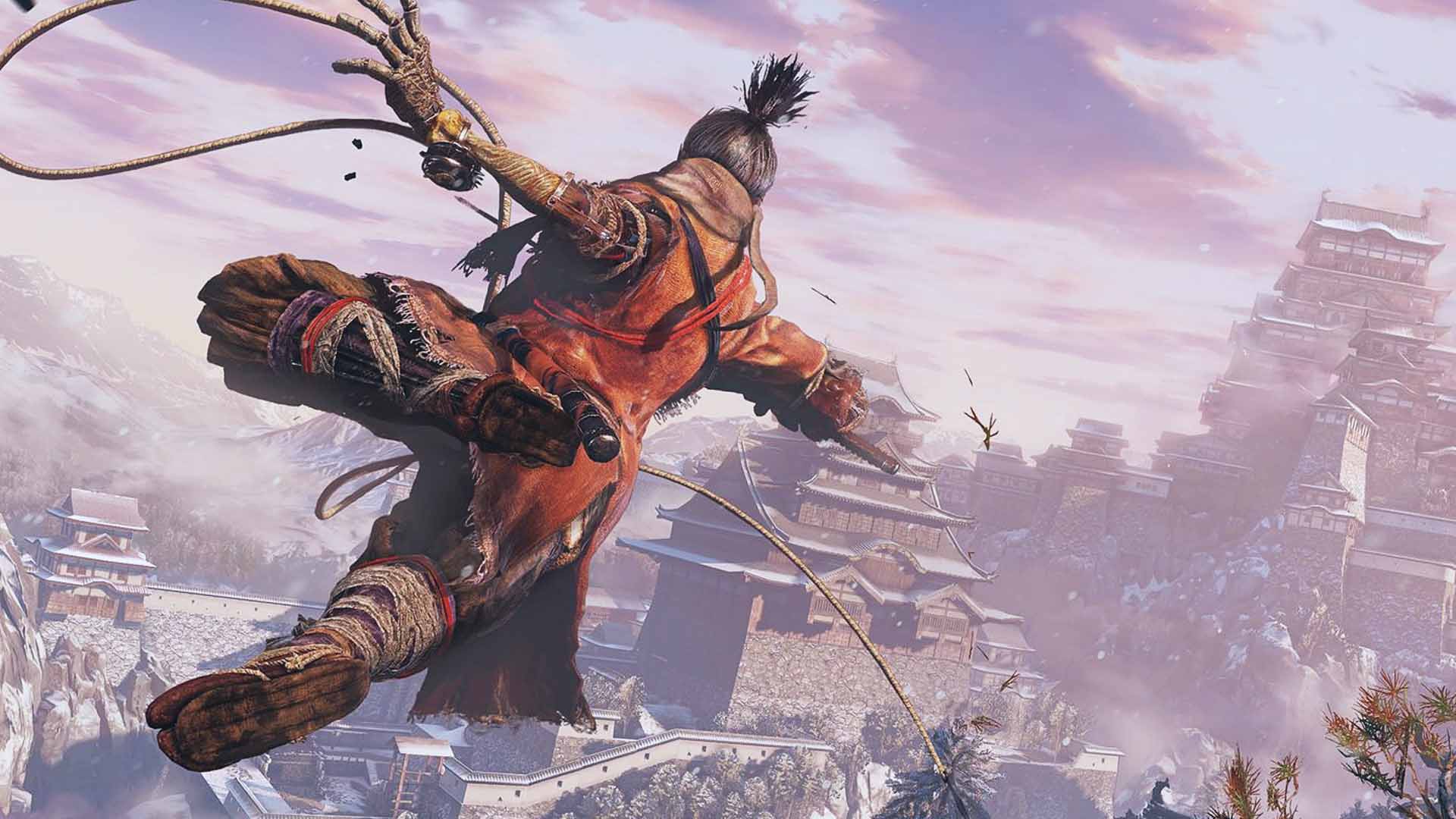
The releases from this period were not merely updates or sequels; they were representative of the industry's attempt to reconcile cinematic storytelling with emergent gameplay mechanics. From the sprawling, narrative-driven intensity of Death Stranding to the precise, challenging combat found in Sekiro: Shadows Die Twice, players were treated to a diverse spectrum of design quality.
Critically Acclaimed Titles and Their Legacy
To understand the weight of 2019 in the historical record, one must evaluate the titles that defined the discourse of the gaming community. These games set new bars for technical performance, writing, and art direction.
Sekiro: Shadows Die Twice
Developed by FromSoftware, Sekiro shifted away from the traditional role-playing mechanics of the Dark Souls series to focus on a singular, high-skill action experience. By emphasizing posture-based combat and verticality, the game challenged players to learn rhythm and timing rather than statistical character building. Its legacy remains in the refined combat systems adopted by many action games that followed.
Death Stranding
Hideo Kojima’s Death Stranding offered a polarizing but undeniably unique vision of the open-world genre. By making the act of traversal—walking, balancing, and route planning—a core mechanical challenge, the game inverted the common "fast travel" tropes of the era. Its emphasis on asynchronous social connection through shared infrastructure left a lasting impact on how developers view cooperative play without direct interaction.
Resident Evil 2 (2019 Remake)
Capcom’s re-imagining of the 1998 classic established a new benchmark for how legacy intellectual properties should be treated. By utilizing the proprietary RE Engine, the developers successfully updated fixed-camera survival horror into a modern over-the-shoulder format without sacrificing the claustrophobic tension or resource management constraints that made the original iconic.
Comparison of Notable Releases
The following table provides a breakdown of some of the most significant releases from 2019, highlighting their genre and primary contribution to the gaming medium.
| Game Title | Genre | Primary Contribution |
|---|---|---|
| Sekiro: Shadows Die Twice | Action-Adventure | Refinement of parry-focused combat systems |
| Death Stranding | Open-World/Traversal | Innovation in asynchronous multiplayer mechanics |
| Resident Evil 2 | Survival Horror | Gold standard for high-fidelity franchise remakes |
| Control | Action-Adventure | Utilization of physics-based environmental combat |
| Outer Wilds | Exploration/Puzzle | Non-linear storytelling through environmental discovery |
| Devil May Cry 5 | Hack and Slash | Peak mechanical fluidity in high-octane action |
Technical Advancements and Industry Trends
Beyond individual titles, 2019 was a year of technical pivot points. Hardware developers were heavily focused on increasing the accessibility of 4K gaming and high refresh rates. For PC users, the integration of DLSS (Deep Learning Super Sampling) began to move from a niche marketing term to a functional requirement for achieving high-fidelity performance in demanding titles like Control.
Furthermore, 2019 saw the solidification of the "games-as-a-service" (GaaS) model. While some titles experienced varying degrees of success, the industry began to shift toward long-term support cycles where the "release" date was merely the starting point for years of content updates, seasonal events, and live technical maintenance.
Exploring Indie Successes
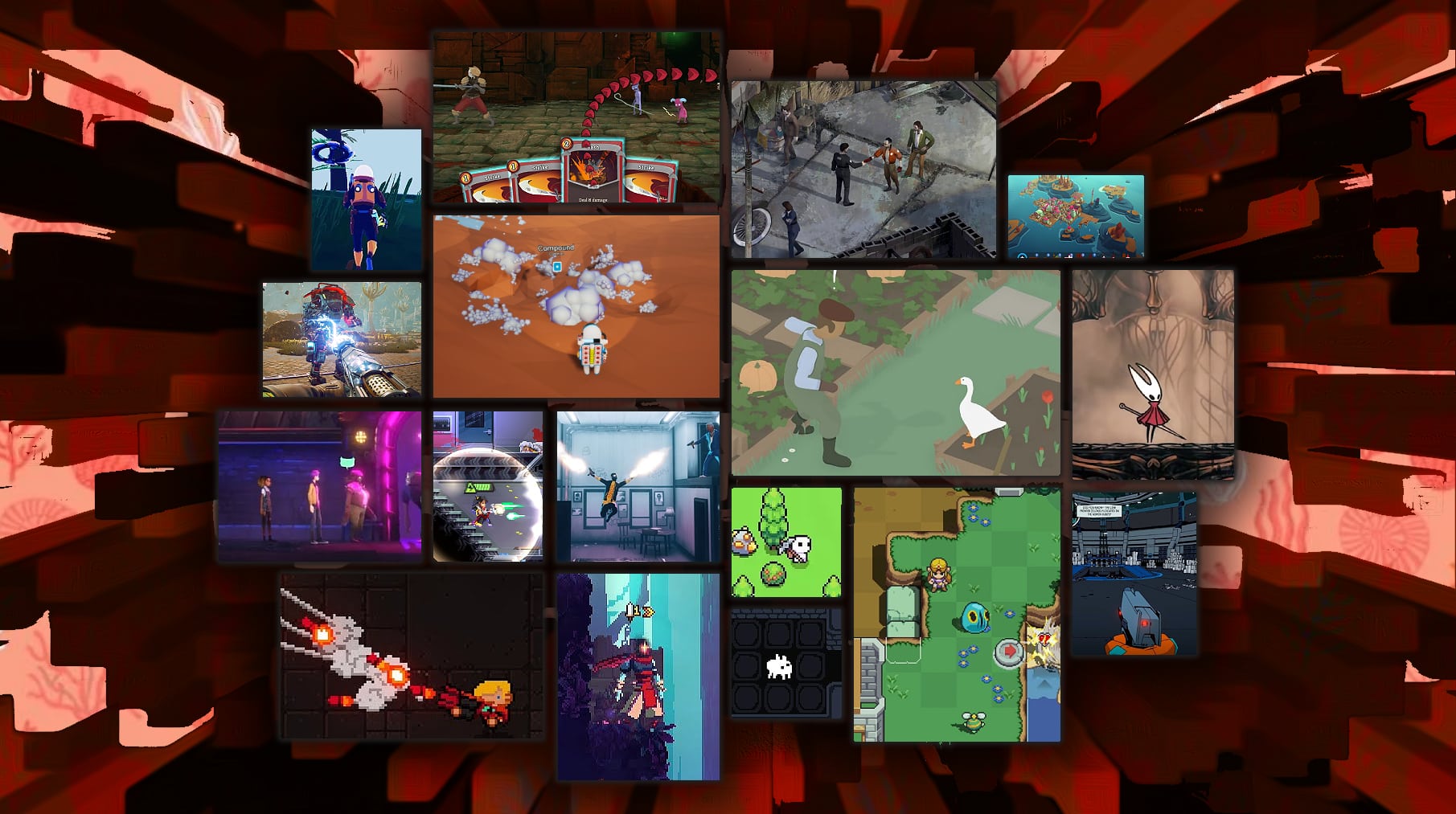
While high-budget blockbusters received the most mainstream attention, 2019 was arguably a banner year for independent developers. Titles like Outer Wilds and Disco Elysium proved that tight, highly conceptual design could compete with, or even surpass, the cultural impact of large-studio releases.
Outer Wilds, in particular, stands out for its handling of information-based progression. Unlike games that require character leveling to unlock new areas, Outer Wilds relies entirely on the player’s personal knowledge of the game’s clockwork solar system. This design philosophy created a sense of discovery that many AAA developers struggle to replicate.
Disco Elysium pushed the boundaries of the isometric RPG, stripping away traditional combat in favor of a complex system of internal dialogue and personality-based skill checks. It demonstrated that deep, sociological, and political themes could be effectively integrated into the core loops of a digital game.
Common Misconceptions Regarding 2019 Releases
There is often a misunderstanding that 2019 was solely focused on high-octane action. In reality, the diversity of the release schedule allowed for quieter, more meditative experiences to find their footing. It is a mistake to view the year as one-dimensional; for every Devil May Cry 5, there was a thoughtful, narrative-focused experience that prioritized character over spectacle.
Another misconception relates to the technical state of games at launch. Like any year, 2019 had its share of titles that struggled with optimization or bug-ridden launches. However, the discourse of the time shifted toward acknowledging the immense difficulty of balancing complex systems, leading to a more nuanced conversation between developers and the gaming public regarding the "day-one patch" culture.
Practical Considerations for Retroactive Play
If you are exploring the games of 2019 in the current 2026 climate, you have several advantages. Most of these titles have received multiple patches, performance updates, and, in many cases, enhanced ports for newer hardware.
- Platform Availability: Most 2019 games are now available on digital storefronts with frequent discounts. You rarely need to worry about the launch-day bugs that characterized early versions.
- Hardware Requirements: The hardware that was "cutting edge" in 2019 is now mid-range. Modern systems will likely run these titles at maximum settings without the cooling or power constraints that early adopters faced.
- Community Resources: Because these games have been out for years, there is an abundance of community-made mods, comprehensive wikis, and deep-dive technical analyses that can help you troubleshoot issues or navigate complex mechanics.
Frequently Asked Questions
Which 2019 game is considered the most technologically advanced for its time? Control is widely cited for its early and ambitious use of ray-traced reflections and global illumination, which set a new visual standard that other developers aimed to emulate throughout the early 2020s.
Are the servers for 2019 multiplayer-focused games still active? It varies significantly by title. Games with dedicated private server support or peer-to-peer networking generally remain playable. However, proprietary live-service titles may have had their servers decommissioned. Always check the official developer status page before investing time.
Is it worth playing 2019 titles on older hardware? Yes. Titles from 2019 were optimized for the PS4 and Xbox One base models. If you have that hardware, these games will run as intended by the developers, though perhaps without the increased resolution or frame rate caps found on later "Pro" or "X" iterations.
How do 2019 games compare to modern 2026 releases? While 2026 titles feature more advanced lighting and textures, 2019 games often feature more cohesive art direction. Many 2019 games were designed to work within the limitations of the hardware of that time, leading to highly efficient engine performance and polished gameplay loops that remain satisfying today.
Are there any "hidden gems" from 2019 that I might have missed? Disco Elysium and Outer Wilds are frequently cited as the most significant "hidden gems" that grew into cultural phenomena long after their initial release due to strong word-of-mouth and post-launch critical re-evaluation.
Recommendation for Further Engagement
To get the most out of the gaming catalog from 2019, focus on titles that prioritize "gameplay first" design. If you are looking for a singular starting point, Sekiro: Shadows Die Twice offers a masterclass in mechanical precision, while Outer Wilds provides an unparalleled experience in intellectual curiosity. Regardless of your genre preference, start by researching the performance state of your chosen title on your specific hardware to ensure you can appreciate the visual and mechanical design as it was intended to be experienced.