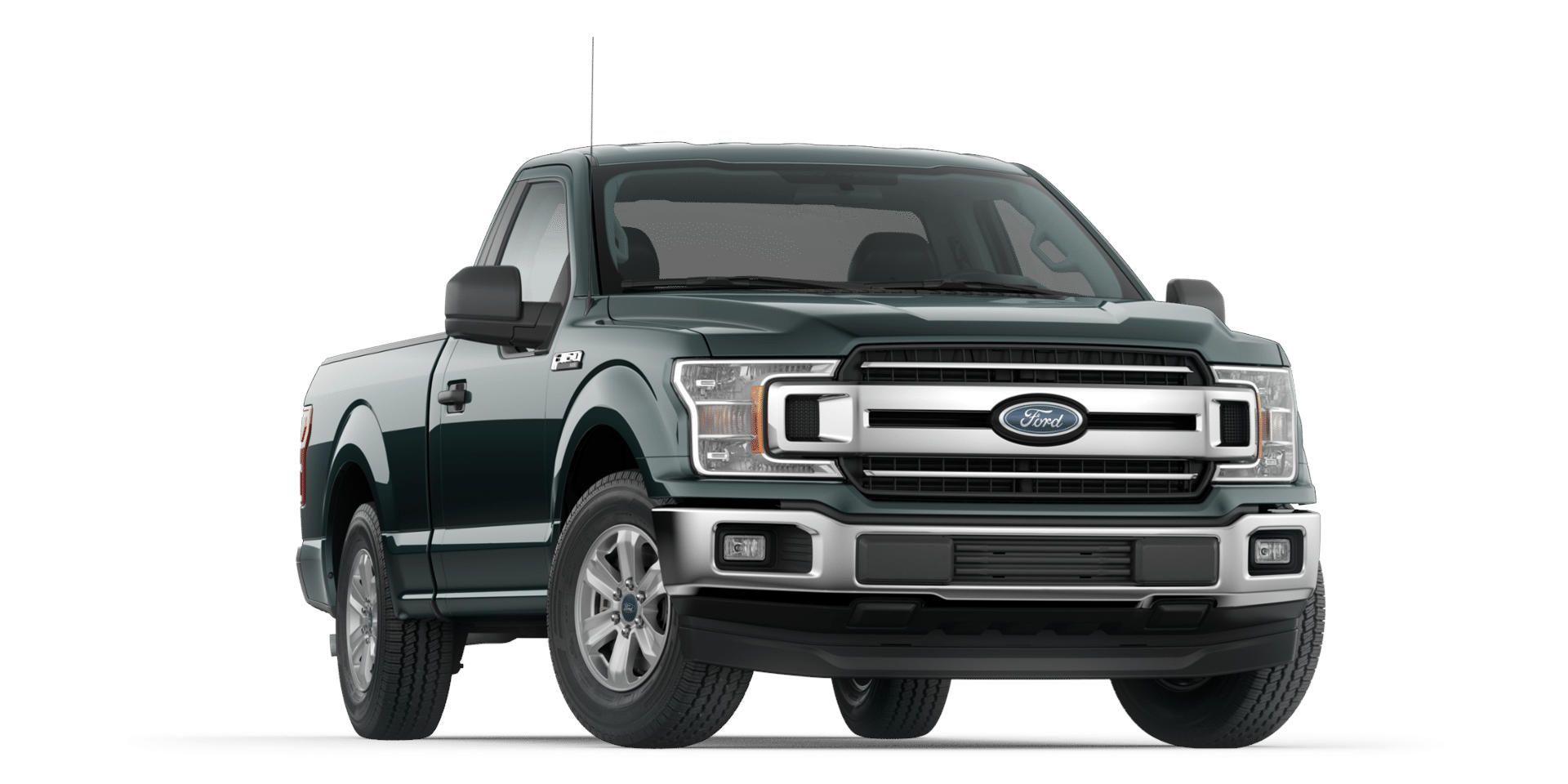
The 2019 Ford F-150 equipped with the 5.0L Ti-VCT V8 engine offers an EPA-estimated fuel economy of 16 mpg in the city, 22 mpg on the highway, and 18 mpg combined for two-wheel-drive models, while four-wheel-drive versions typically yield 15 mpg city, 20 mpg highway, and 17 mpg combined. These figures vary significantly based on axle ratios, driving habits, and vehicle configuration.
The 5.0-liter "Coyote" V8 engine stands as one of the most iconic powerplants in the Ford F-150 lineup. For the 2019 model year, Ford continued to refine this naturally aspirated workhorse to balance the raw, linear power delivery enthusiasts demand with the efficiency requirements of a modern half-ton pickup truck. Understanding your fuel economy in this vehicle requires looking past the window sticker and into the mechanical variables that define how this engine consumes fuel in real-world conditions.
Technical Specifications and EPA Ratings
When evaluating the 2019 Ford F-150 5.0L fuel economy, the baseline provided by the Environmental Protection Agency (EPA) serves as the primary benchmark. It is important to note that the EPA tests are conducted in controlled laboratory settings, which often differ from the variable terrain, load, and aerodynamic drag encountered on public roads.
The 5.0L V8 engine utilizes Twin Independent Variable Camshaft Timing (Ti-VCT) to optimize combustion efficiency. In 2019, this engine was mated to the 10-speed SelectShift automatic transmission, a critical component in managing fuel consumption. By having more gear ratios available, the transmission can keep the engine within its most efficient power band during highway cruising while allowing for rapid downshifts when acceleration is required.
EPA Estimates by Drivetrain
- 2WD (4x2): 16 mpg city / 22 mpg highway / 18 mpg combined.
- 4WD (4x4): 15 mpg city / 20 mpg highway / 17 mpg combined.
These numbers reflect the standard configuration. Changes in final drive ratios—such as opting for a 3.73 axle ratio over the standard 3.31 or 3.55—will result in higher engine RPMs at cruising speeds, which inherently reduces highway fuel economy even if it improves towing performance.
Factors Influencing Real-World Fuel Consumption
The gap between the official EPA ratings and the actual fuel economy you see on the dashboard is frequently the result of external factors that the EPA test cycle cannot fully replicate.
Aerodynamics and Speed
The Ford F-150 is a large, boxy vehicle. Aerodynamic drag increases exponentially as vehicle speed rises. Driving at 75 or 80 mph on the interstate will result in significantly lower fuel economy than driving at 65 mph. The 5.0L engine, being naturally aspirated, does not rely on forced induction like the EcoBoost variants, meaning it is more susceptible to high-RPM load during sustained high-speed driving.
The Impact of Tire Choice and Weight
Many owners modify their 2019 F-150s with larger "all-terrain" or "mud-terrain" tires, lift kits, and aftermarket wheels. These modifications harm fuel economy in three ways:
- Increased Rolling Resistance: Larger, heavier, and more aggressive tires require more energy to move.
- Increased Aerodynamic Drag: Lifting the truck allows more air to flow underneath the chassis, creating turbulence.
- Rotating Mass: Heavier wheels and tires require more power to spin up from a stop, causing the transmission to hold gears longer and increasing fuel consumption in city driving.
Payload and Towing
The 5.0L engine produces 395 horsepower and 400 lb-ft of torque. While these figures are robust for hauling, pulling a heavy trailer creates a massive amount of aerodynamic drag. When towing, your fuel economy may drop into the single digits depending on the frontal area of the trailer. Keeping your tires properly inflated to the door-jamb specification is a critical, yet often overlooked, way to mitigate some of these losses.
Comparing the 5.0L V8 to Alternative Engines
Buyers in 2019 had several engine choices, including the 2.7L EcoBoost, 3.5L EcoBoost, and 3.0L Power Stroke Diesel. Comparing these helps contextualize the 5.0L's performance.
| Engine Configuration | Avg. City MPG | Avg. Hwy MPG | Primary Characteristic |
|---|---|---|---|
| 5.0L Ti-VCT V8 | 16 | 22 | Linear power; no turbo lag |
| 2.7L EcoBoost V6 | 20 | 26 | High efficiency; quick torque |
| 3.5L EcoBoost V6 | 17 | 23 | Best-in-class towing power |
| 3.0L Power Stroke | 22 | 30 | Long-range highway efficiency |
The 5.0L V8 sits in a middle ground. It does not provide the sheer highway economy of the diesel or the low-end torque efficiency of the smaller EcoBoost, but it offers a specific driving experience characterized by predictable throttle response and the audible feedback of a naturally aspirated engine.
Maintenance Requirements for Optimal Efficiency
To maintain the efficiency of the 5.0L engine, strict adherence to maintenance schedules is necessary. Because this engine uses Ti-VCT, oil quality and pressure are vital for the proper operation of the variable valve timing systems.
- Oil Changes: Use the exact oil viscosity recommended in the owner's manual (typically 5W-20). Using an incorrect oil weight can impede the operation of the cam phasers, leading to decreased efficiency and potential long-term wear.
- Air Filters: A clogged air filter prevents the engine from "breathing" efficiently, forcing it to work harder to pull in the air needed for combustion. Inspect your air filter every 10,000 to 15,000 miles.
- Spark Plugs: While modern iridium-tipped spark plugs are durable, worn plugs can lead to incomplete combustion, which directly reduces fuel economy and power. Follow the manufacturer's interval for replacement.
Diagnostic Procedures for Poor Fuel Economy
If you find that your 2019 F-150 5.0L is consistently returning fuel economy numbers well below the EPA estimates, there may be a technical issue.
- Check for Diagnostic Trouble Codes (DTCs): Even if the "Check Engine" light is not illuminated, a technician can scan the vehicle for "pending codes." These codes may indicate a failing sensor—such as an Oxygen (O2) sensor—that is not yet severe enough to trigger a warning light but is skewing the air-fuel mixture toward a "rich" condition.
- Monitor Fuel Trims: Using an OBD-II scanner, monitor the Short-Term and Long-Term Fuel Trims. If the engine computer is constantly adding fuel (positive trim) to compensate for a lean condition, you may have a vacuum leak or an issue with the mass airflow (MAF) sensor.
- Assess Brake Drag: A stuck brake caliper is a common issue on high-mileage trucks. If a wheel feels excessively hot after a drive, the caliper may be dragging, forcing the engine to work against constant resistance.
Frequently Asked Questions
Will using E85 fuel lower my fuel economy in the 2019 5.0L F-150?
Yes, using E85 (a blend of 85% ethanol and 15% gasoline) will result in lower fuel economy compared to standard gasoline. Ethanol contains less energy per gallon than gasoline, so the engine must inject more fuel to achieve the same power output. While E85 is often cheaper, the drop in miles per gallon usually offsets the cost savings.
How does the 10-speed transmission affect fuel economy compared to older 6-speeds?
The 10-speed transmission significantly improves highway fuel economy by offering a wider range of gear ratios. It allows the 5.0L engine to cruise at a much lower RPM at highway speeds than the older 6-speed transmissions, which reduces internal friction and fuel consumption during steady-state travel.
Does the "Auto Start-Stop" feature actually save fuel?
The Auto Start-Stop feature is designed to reduce fuel consumption in heavy stop-and-go city traffic. By shutting off the engine while the truck is stationary, it eliminates idling fuel waste. In dense urban environments, this can improve city fuel economy by 0.5 to 1.0 mpg, though it has no impact on highway driving.
Is the 5.0L V8 considered reliable for high-mileage ownership?
The 5.0L V8 is widely regarded as a very durable engine platform. Its lack of turbochargers means there are fewer complex components that may fail at high mileage. Providing that the oil is changed at regular intervals, the engine is well-suited for long-term ownership, though like all modern engines, it requires proper maintenance to perform at its peak.
Can I install a cold air intake to improve my fuel economy?
Most aftermarket cold air intakes provide minimal to no improvement in fuel economy. They are primarily designed for sound and potential minor performance gains. The factory intake system on the 2019 F-150 is already highly engineered to pull air from outside the engine bay; modifying it may sometimes even result in a loss of low-end torque, which can negatively affect daily driving efficiency.
Recommendations for Maximizing Efficiency
To get the most out of your 2019 Ford F-150 5.0L, adopt a driving style that minimizes unnecessary energy waste. Smooth, gradual acceleration allows the 10-speed transmission to upshift early, keeping the engine in the most efficient RPM range. On the highway, utilize cruise control on flat terrain to maintain a consistent speed, but consider disengaging it on steep hills, as the truck may downshift unnecessarily and use more fuel than a driver manually modulating the throttle would.
Ensure that your tires are inflated to the specifications found on the driver-side door sticker. Under-inflated tires increase rolling resistance significantly. Finally, remove unnecessary weight from the cargo bed. Carrying an extra 200 pounds of tools or equipment may seem negligible in a 5,000-pound truck, but it adds up over the course of a fuel tank. By combining disciplined maintenance with conscientious driving habits, you can reliably achieve and occasionally exceed the EPA-estimated fuel economy ratings for your 2019 Ford F-150.