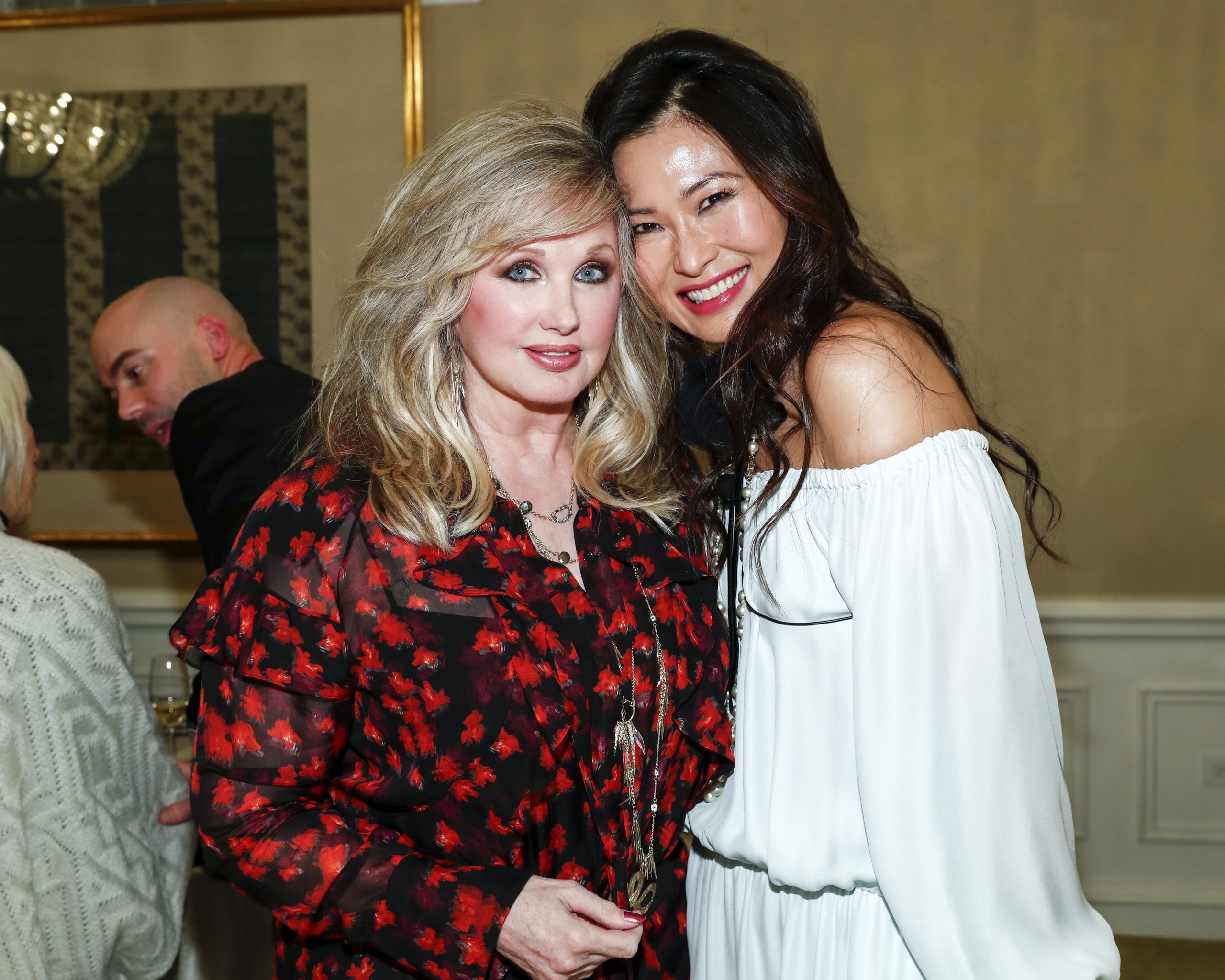
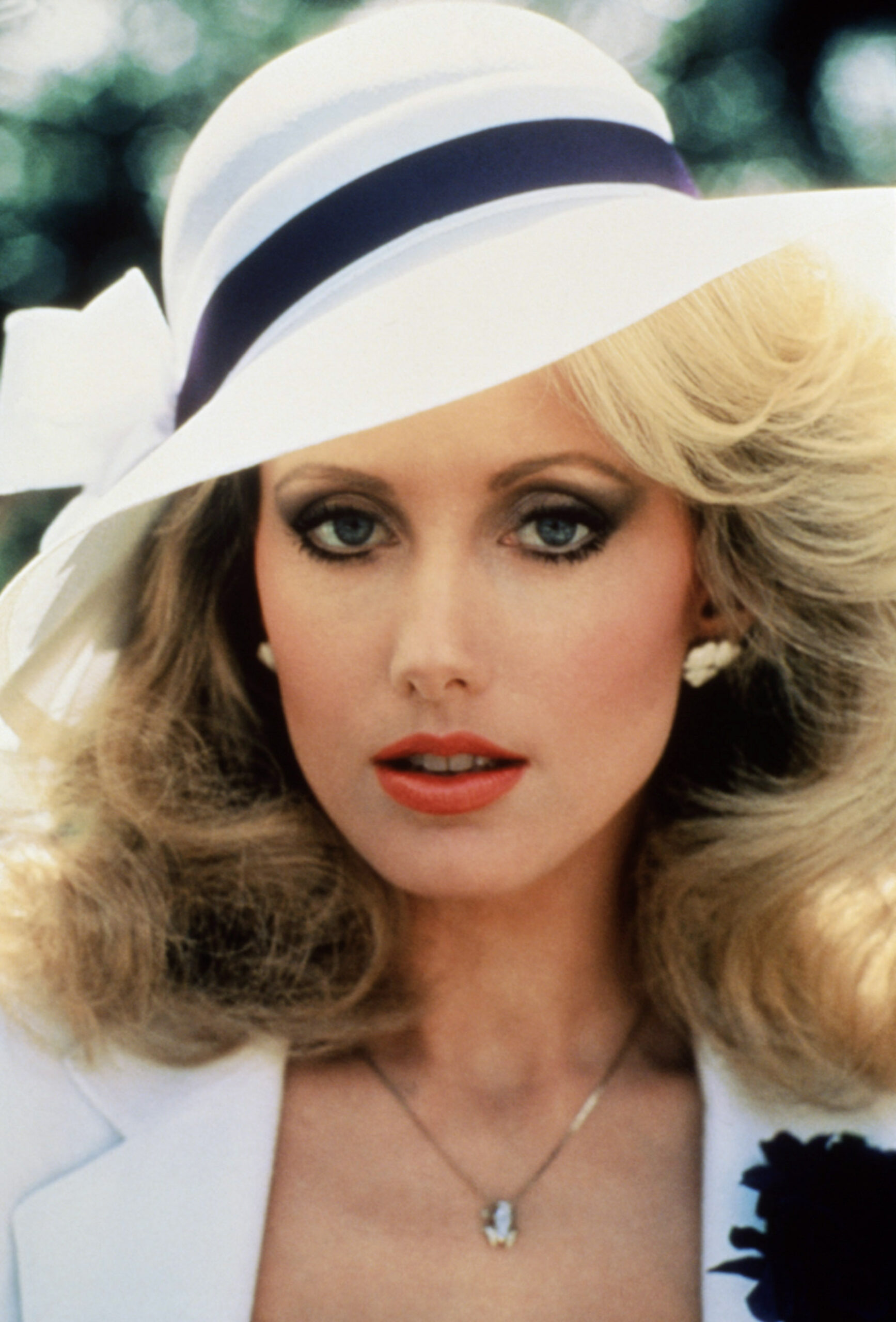
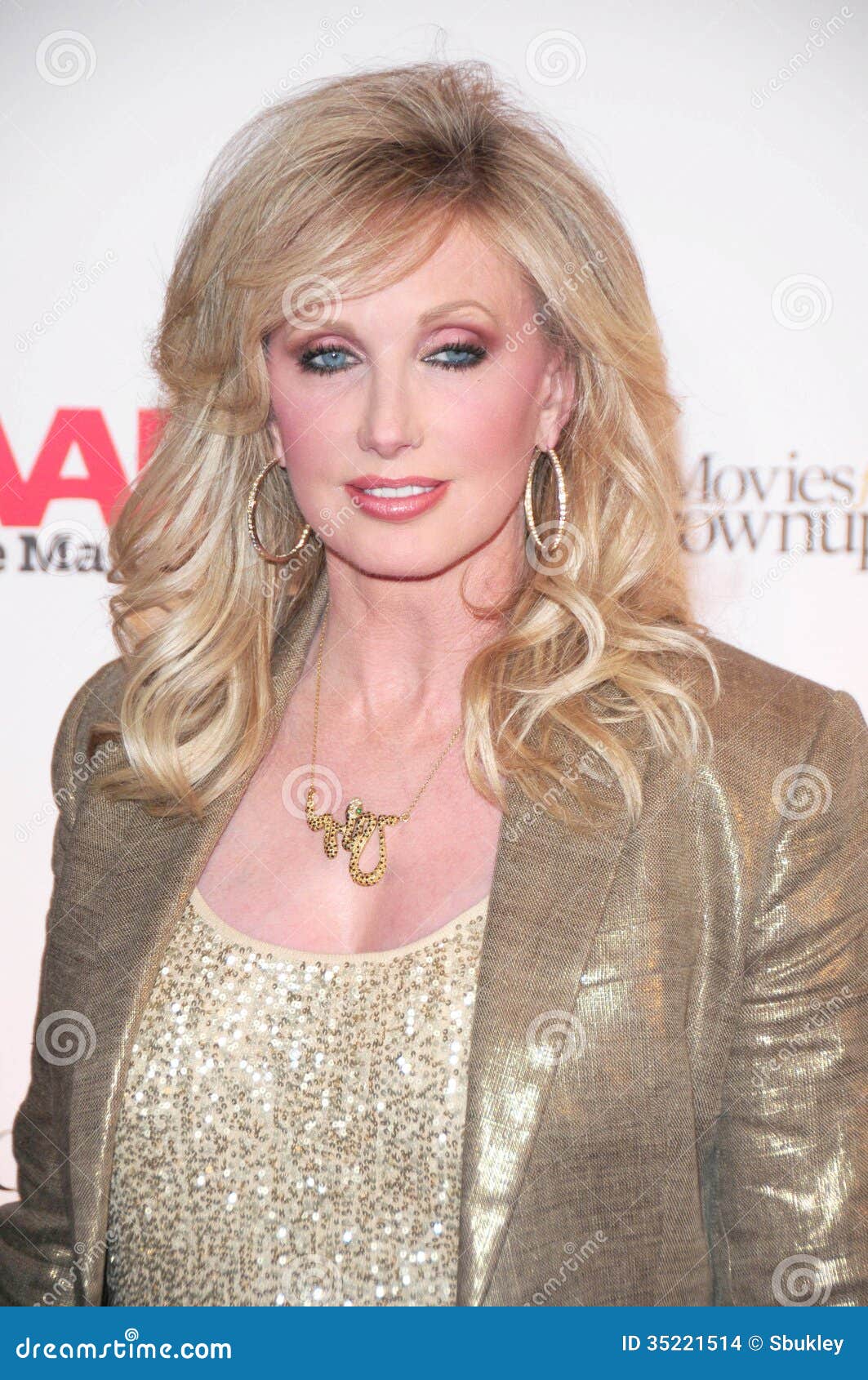
By the late 2010s, public financial estimates positioned American actress Morgan Fairchild’s net worth at approximately $10 million, a valuation that has remained consistent into the current decade. Built across more than five decades in show business, her fortune is the result of continuous work in primetime television, daytime soap operas, stage productions, national commercial endorsements, and prudent financial management.
Unlike short-lived pop culture icons who experience brief surges in high-paying blockbuster roles followed by long stretches of inactivity, Fairchild established a business model centered on career longevity, personal branding, union leadership, and diversified revenue streams.
Wealth Breakdown and Financial Snapshot
Understanding Morgan Fairchild's net worth requires examining how television actors generated and preserved wealth across different eras of the entertainment industry. Having entered professional acting in the late 1960s and early 1970s, Fairchild navigated the transition from classic network television to the modern cable and streaming ecosystem.
Her total net worth reflects a combination of liquid cash reserves, accrued performance royalties, SAG-AFTRA retirement benefits, real estate holdings in Southern California, and ongoing earnings from commercial spokesperson campaigns.
| Career Phase / Income Source | Primary Revenue Drivers | Financial Impact & Characteristics |
|---|---|---|
| Daytime Soap Operas (1970s) | Search for Tomorrow, guest appearances | Stable weekly base salary, foundational network entry |
| Primetime TV Hits (1980s) | Flamingo Road, Dallas, Falcon Crest, Paper Dolls | Top-tier network episodic rates, Golden Globe nominations, global syndication rights |
| Guest Roles & Sitcoms (1990s–2000s) | Friends, Murphy Brown, Home Improvement, Roseanne | High-volume guest-star fees, long-tail rerun residual payments |
| Commercials & Voice Work (1990s–2020s) | Old Navy campaigns, Consumer Cellular, animated series | Lucrative upfront contract fees, ongoing national ad residuals |
| Stage & Theatre Tours (1980s–Present) | Singin' in the Rain, The Graduate, Gigi | Guaranteed theatrical contract rates, regional venue revenue shares |
| Real Estate & Investments | Southern California residential properties, conservative portfolio | Long-term asset appreciation, equity preservation |
The Television Earnings Engine: Soap Operas and Primetime Dramas
The core foundation of Morgan Fairchild’s net worth was established during the golden age of American network television in the 1970s and 1980s. Born Patsy Ann McClenny in Dallas, Texas, she began her career working in regional theatre and performing as a body double for Faye Dunaway in the 1967 film Bonnie and Clyde. However, her financial trajectory shifted dramatically when she moved to New York City and secured the role of Jennifer Pace on the daytime drama Search for Tomorrow (1973–1977).
Daytime television provided actors during that era with consistent, weekly contract salaries. While daytime rates were modest compared to late-career primetime rates, the routine provided a stable income base and professional visibility that enabled her to migrate to prime-time television in Los Angeles.
The Primetime Soap Boom of the 1980s
By the late 1970s and early 1980s, network television experienced a massive surge in night-time serialized dramas. Fairchild became one of the most recognizable faces of this era, specializing in sophisticated, glamorous, and often antagonist roles.
- Flamingo Road (1980–1982): Fairchild landed the starring role of Constance Weldon Carlyle in this NBC primetime soap opera. The role earned her a Golden Globe nomination for Best Actress in a Television Series Drama and significantly elevated her per-episode compensation rate. Network leads on major drama series during the early 1980s commanded substantial episodic fees, often ranging from tens of thousands of dollars per episode alongside perks and wardrobe provisions.
- Dallas (1978): Fairchild was the original actress to portray the character Jenna Wade in the hit CBS series Dallas. Although her time on the show was brief—the role was later famously played by Priscilla Presley—her association with one of the most-watched shows in global television history boosted her international profile and syndication value.
- Paper Dolls (1984) and Falcon Crest (1985–1986): As Racine, the owner of a modeling agency in ABC's Paper Dolls, and later as Jordan Roberts on CBS's Falcon Crest, Fairchild maintained her status as a high-earning network TV star. Falcon Crest was a top-rated primetime soap, where long-running cast members negotiated escalating salaries, performance bonuses, and residual terms.
During the 1980s, network contracts often included performance bonuses for ratings milestones and clauses governing overseas broadcast rights. The international popularity of American primetime soaps meant these series generated substantial distribution fees abroad, providing main cast members with an enduring pipeline of secondary royalty payments.
Sitcoms, Guest Appearances, and Syndication Residuals
As the television landscape shifted in the 1990s away from hour-long primetime soap operas toward half-hour ensemble sitcoms, Fairchild successfully pivoted her career into guest-starring and recurring character roles.
In television economics, recurring guest roles on hugely popular sitcoms can yield long-term financial dividends due to syndication mechanics. SAG-AFTRA television residual agreements require production companies to pay actors each time an episode reruns on broadcast networks, local TV syndication, basic cable, or international markets, as well as on modern subscription video-on-demand (SVOD) streaming platforms.
The Friends Financial Factor
One of Fairchild's most financially durable guest roles came in 1995 when she was cast as Nora Tyler Bing, the glamorous mother of Chandler Bing (played by Matthew Perry), on NBC's massive hit comedy Friends.
Fairchild appeared in five episodes of Friends across its ten-season run between 1995 and 2001. Because Friends became one of the most lucrative syndication properties in television history—generating billions of dollars in rerun licensing fees for Warner Bros. Television—guest stars on key episodes continue to receive regular residual checks decades after initial broadcast.
While guest stars do not share in the backend equity percentages earned by the main six cast members, the standard union residual structure for a high-performing network sitcom guarantees that every rerun of episodes like "The One with Mrs. Bing" generates reliable ongoing payments.
Other Notable Television Credits
Fairchild accrued dozens of guest and recurring television credits throughout the 1990s, 2000s, and 2010s, including:
- Murphy Brown (which earned her an Primetime Emmy Award nomination for Outstanding Guest Actress in a Comedy Series)
- Roseanne
- Home Improvement
- 7th Heaven
- Nip/Tuck
- The Bold and the Beautiful and Days of Our Lives
- Fashion House (MyNetworkTV telenovela series)
By accumulating over 150 screen credits across her career, Fairchild built a broad foundation of residual income. Even minor residual payments from dozens of different television series, when pooled together over several decades, generate significant annual cash flow that supports long-term wealth preservation.
Commercial Endorsements and Brand Campaigns
Beyond traditional acting roles, commercial endorsements have represented a highly lucrative sector of Fairchild's earnings portfolio. Brand partnerships allow established actors to monetarily leverage their recognizable image, voice, and personal brand without committing to lengthy production schedules.
The Old Navy Ad Campaign Era
In the late 1990s, clothing retailer Old Navy launched a major national advertising campaign that featured Fairchild alongside other classic television personalities and pop culture figures (such as Joan Collins and the Old Navy dog, Magic).
The Old Navy campaign was widely recognized across North America and ran across broadcast television, print publications, and billboards. National commercial campaigns for major retail brands typically pay actors substantial upfront fees, supplemented by broadcast frequency residuals based on how widely and frequently the commercial airs across television networks.
Modern Commercial Voice and On-Screen Campaigns
In more recent years, Fairchild continued to capitalize on her familiar image through targeted commercial engagements. Notably, she served as a long-standing national television spokesperson for Consumer Cellular, a major wireless provider targeting senior demographics and value-conscious consumers.
Spokesperson contracts for major telecommunications brands frequently involve multi-year retainers, scheduled commercial shoot commitments, and recurring usage fees. These endorsements provided Fairchild with consistent, high-margin income into the 2010s and 2020s, supplementing her acting revenue.
Stage Productions, Film Roles, and Voice Work
While television and commercials represent the primary financial pillars of her career, Fairchild expanded her income through live theatre, independent films, and voice acting.
Live Theatre and National Tours
Stage work provides theatrical performers with steady weekly salaries governed by Actors' Equity Association contracts. Fairchild starred in numerous regional theatre productions and high-profile national touring productions, including:
- Singin' in the Rain
- The Graduate (playing Mrs. Robinson)
- Gigi
- Gentlemen Prefer Blondes
- Love Letters
National touring productions of popular plays and musicals often pay lead actors guaranteed weekly stipends along with travel allowances and, in some instances, a small percentage of weekly box office receipts.
Film and Voice Acting Credits
Fairchild's film resume includes theatrical releases such as The Seduction (1982), Pee-wee's Big Adventure (1985 cameo), and numerous made-for-television movies on networks such as Lifetime and the Hallmark Channel. Television films pay fixed contract fees and generate secondary broadcast residuals.
Additionally, Fairchild supplied character voices for animated television series, including Batman: The Animated Series, SWAT Kats: The Radical Squadron, and The Angry Beavers. Voice acting for animated series governed by SAG-AFTRA contracts offers efficient compensation, requiring minimal production time while securing full union benefits and residual rights.
SAG-AFTRA Leadership, Pensions, and Financial Resilience
A crucial yet frequently overlooked aspect of maintaining long-term wealth in Hollywood is union membership benefits and financial governance. Morgan Fairchild served for many years as an active board member of the Screen Actors Guild (SAG) and later SAG-AFTRA.
Union Pension and Health Plans
Performers who maintain continuous union eligibility over multiple decades qualify for maximum pension and healthcare benefits through the SAG-AFTRA Health and Pension Plans.
Union pensions are calculated based on an actor's lifetime covered earnings and total qualified years of service. Given Fairchild's five-decade career of continuous screen work, her accrued union pension provides a steady, guaranteed monthly retirement income stream independent of volatile financial markets or acting work fluctuations.
Industry Leadership and Career Strategy
Her active involvement in union governance allowed Fairchild to stay directly informed about evolving industry contract standards, foreign residual collections, digital licensing rights, and performer protections. This structural knowledge informed her personal business decisions, ensuring she maintained fair contract pricing and retained intellectual property and image rights whenever possible.
Real Estate and Asset Management
For long-term entertainment professionals residing in Southern California, real estate allocation frequently plays a significant role in total net worth.
Fairchild has maintained primary residence in Los Angeles for several decades. Properties acquired in desirable Los Angeles neighborhoods (such as the Hollywood Hills, Beverly Hills, or Studio City) during the 1970s, 1980s, and 1990s have experienced historical market appreciation.
Unlike celebrities who engage in aggressive real estate speculation, over-leveraged developments, or lavish expenditures, Fairchild maintained a disciplined, private lifestyle focused on wealth preservation. Conservative spending habits combined with appreciated Southern California property equity have reinforced her long-term financial stability.
How Entertainment Financial Estimates Are Calculated
Estimates regarding public figures' net worth—such as the $10 million figure associated with Morgan Fairchild—are compiled using financial synthesis methodologies. Industry analysts examine several core components:
- Historical Earnings Aggregation: Calculating gross earnings from television contracts, film stipends, commercial campaigns, and stage productions over a career span.
- Standard Overhead Deductions: Factoring in standard talent representation fees (agents usually take 10%, managers 10-15%, and entertainment attorneys 5%), along with federal and state income taxes (California maintains high state income tax rates for top earners).
- Residual Valuation Models: Estimating annual income generated from broadcast, cable, foreign, and digital streaming residuals across an actor's full catalog of work.
- Asset & Equity Appraisals: Evaluating public property records, documented real estate holdings, and standard market investment returns.
While exact private bank balances remain confidential, the $10 million valuation represents a realistic, conservative reflection of her career earnings minus expenses, taxes, and standard lifestyle outlays.
Frequently Asked Questions
What is Morgan Fairchild's net worth?
Morgan Fairchild’s net worth is estimated at approximately $10 million. This valuation is derived from her five-decade career in primetime television, daytime soaps, stage tours, commercial endorsements, and real estate investments.
What was Morgan Fairchild's most lucrative acting role?
Her starring roles in 1980s primetime soap operas like Flamingo Road and Falcon Crest provided her highest per-episode broadcast salaries. However, long-running residual income from guest appearances on massively syndicated series like Friends continues to generate consistent revenue.
How does Morgan Fairchild still earn money today?
Fairchild continues to generate income through ongoing screen acting credits, television movie roles, national commercial spokesperson campaigns (such as Consumer Cellular), stage appearances, SAG-AFTRA pension distributions, and television syndication residuals.
Was Morgan Fairchild on Friends?
Yes. Fairchild played Nora Tyler Bing, the mother of Chandler Bing (Matthew Perry), appearing in five episodes across the series. Because Friends is heavily syndicated worldwide and licensed to major streaming platforms, these appearances generate regular residual payments.
Does Morgan Fairchild receive a SAG pension?
Yes. As a long-serving actor and former member of the SAG-AFTRA National Board of Directors with over 50 years of union-covered employment, Fairchild qualifies for full union pension and healthcare benefits.
Key Financial Takeaways from Morgan Fairchild's Career
Morgan Fairchild’s estimated $10 million net worth stands as a clear example of how strategic career management, work ethic, and asset diversification yield long-term financial security in the entertainment industry.
- Diversify Revenue Channels: Rather than relying exclusively on screen acting, Fairchild built income streams across daytime TV, primetime dramas, sitcoms, live theater, voice acting, and national commercials.
- Capitalize on Branding: By establishing a clear, recognizable persona in the late 1970s and 1980s, she transitioned seamlessly into lucrative long-term commercial campaigns for national brands like Old Navy and Consumer Cellular.
- Leverage Residual Structures: Participating in syndicated television hits ensured a steady stream of secondary income that continues decades after production wrapped.
- Prioritize Union Security: Active involvement in SAG-AFTRA ensured comprehensive pension equity, protecting her net worth against market downturns and industry shifts.