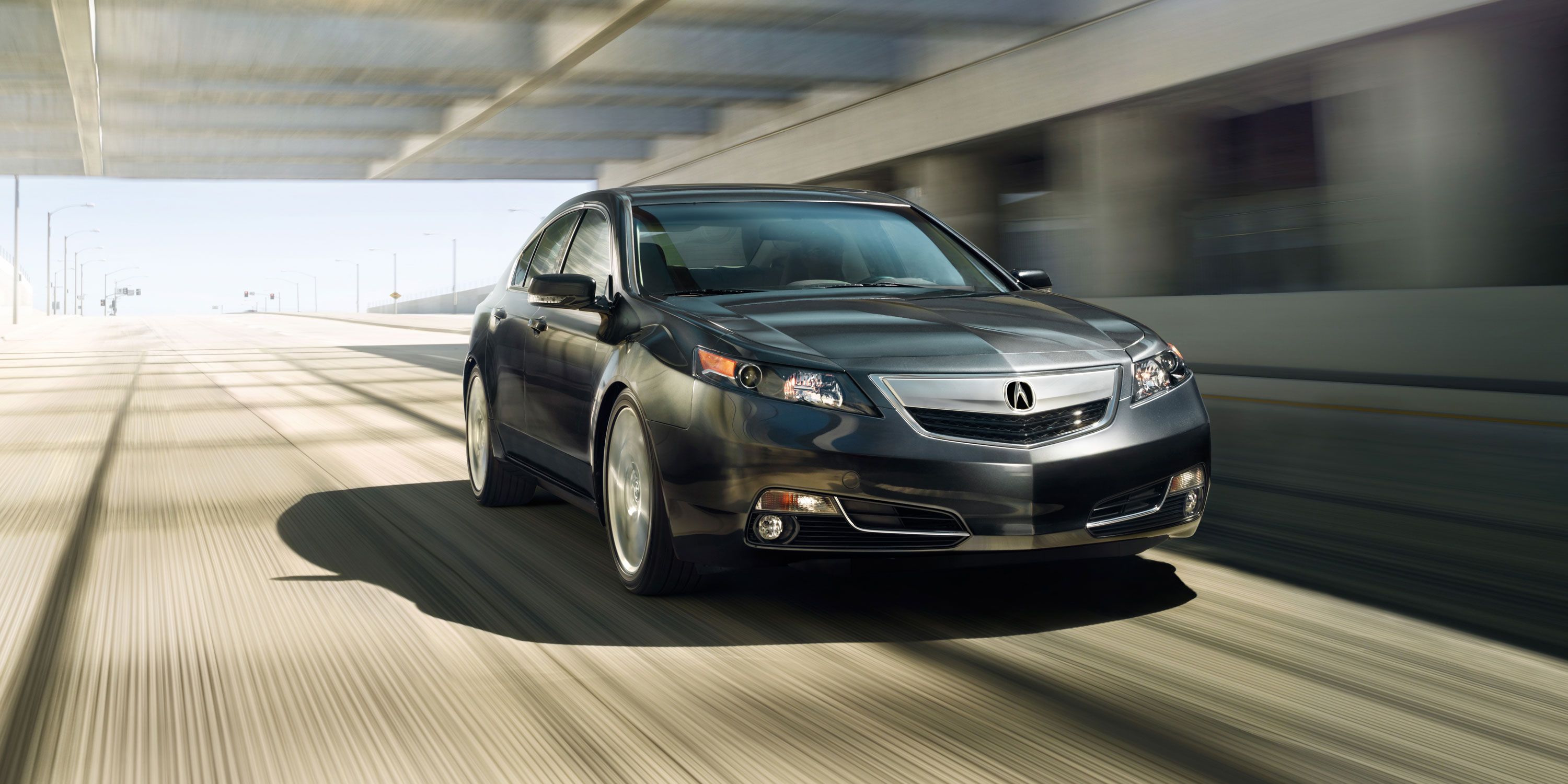
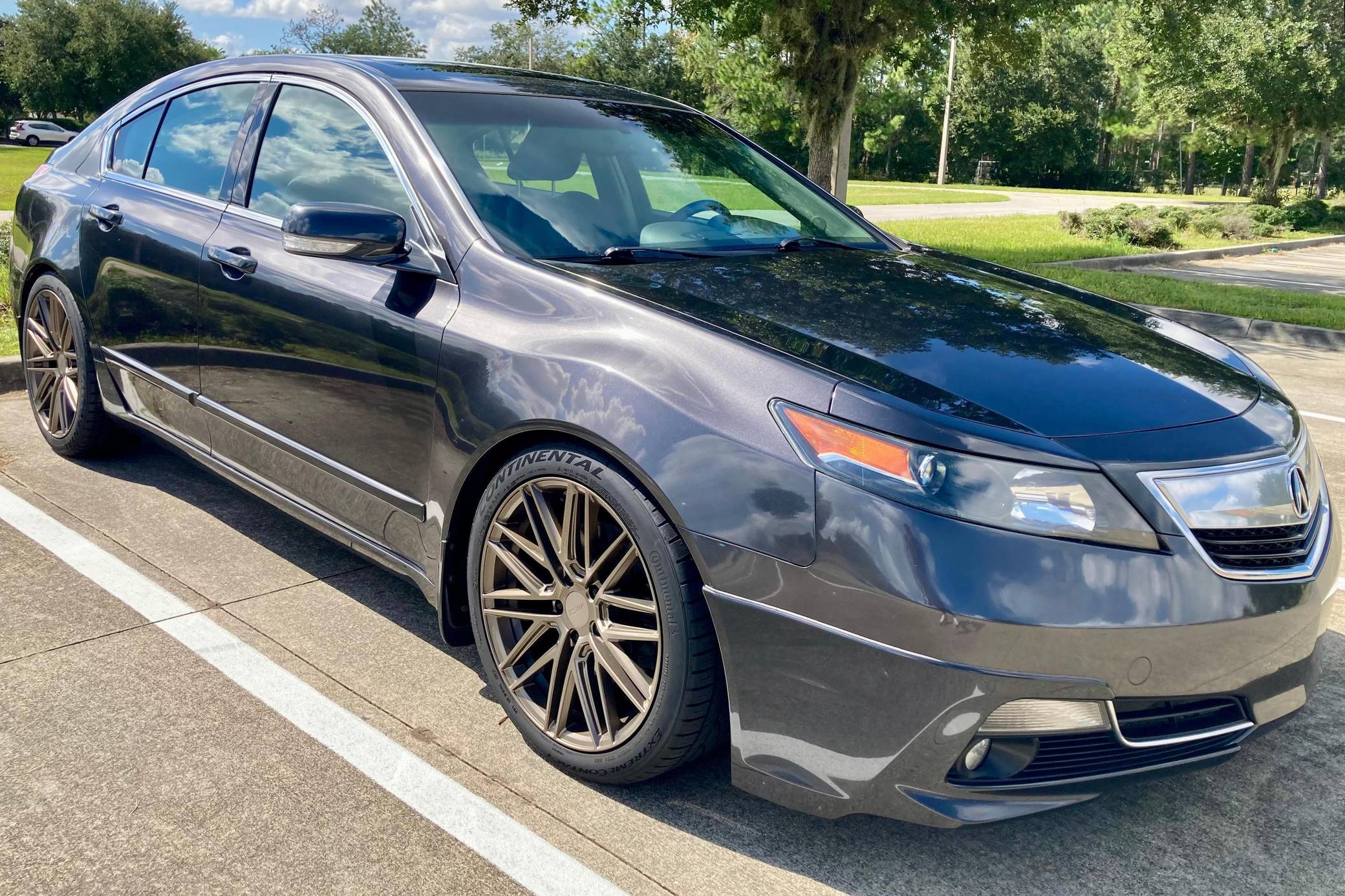
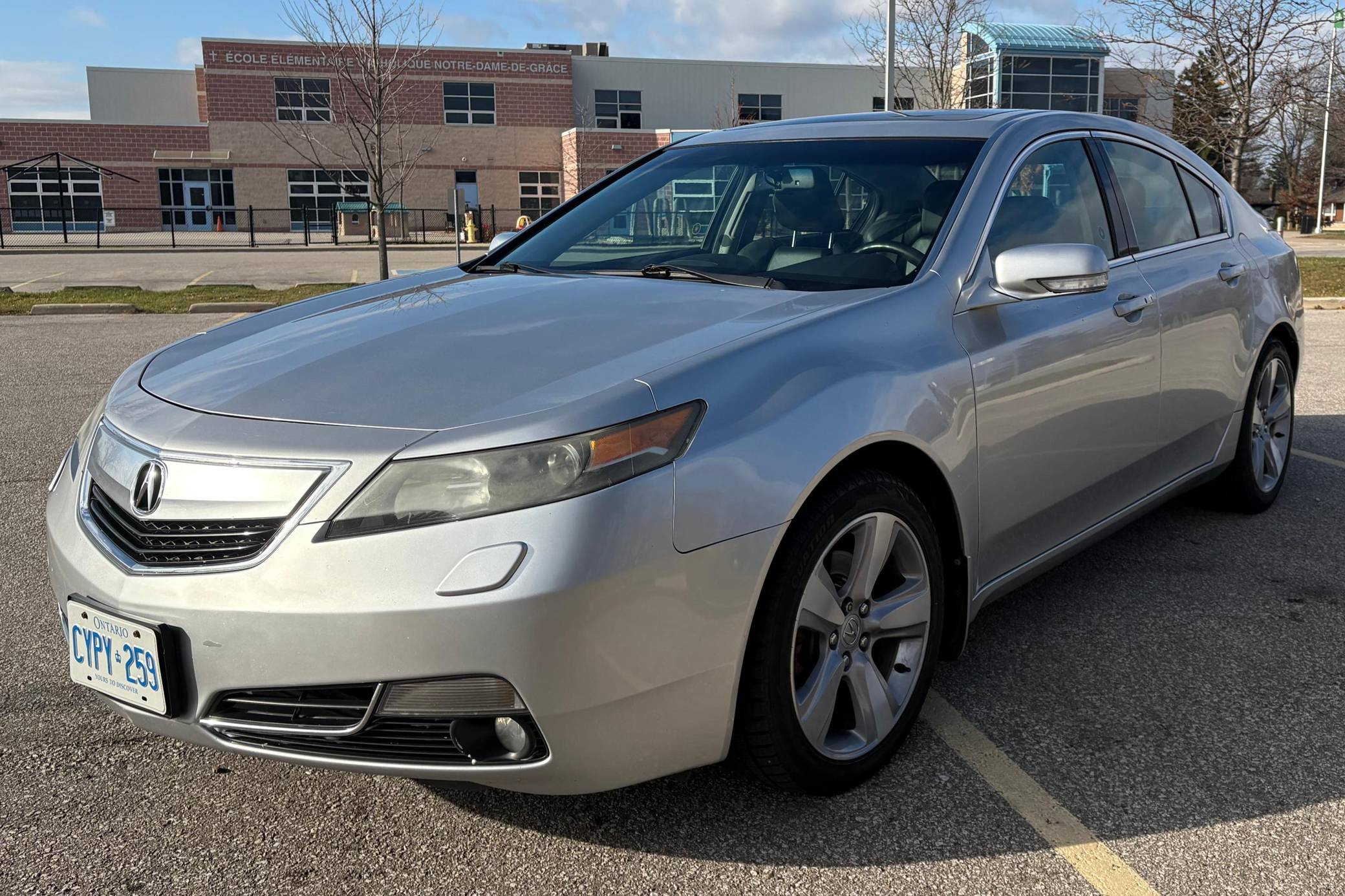
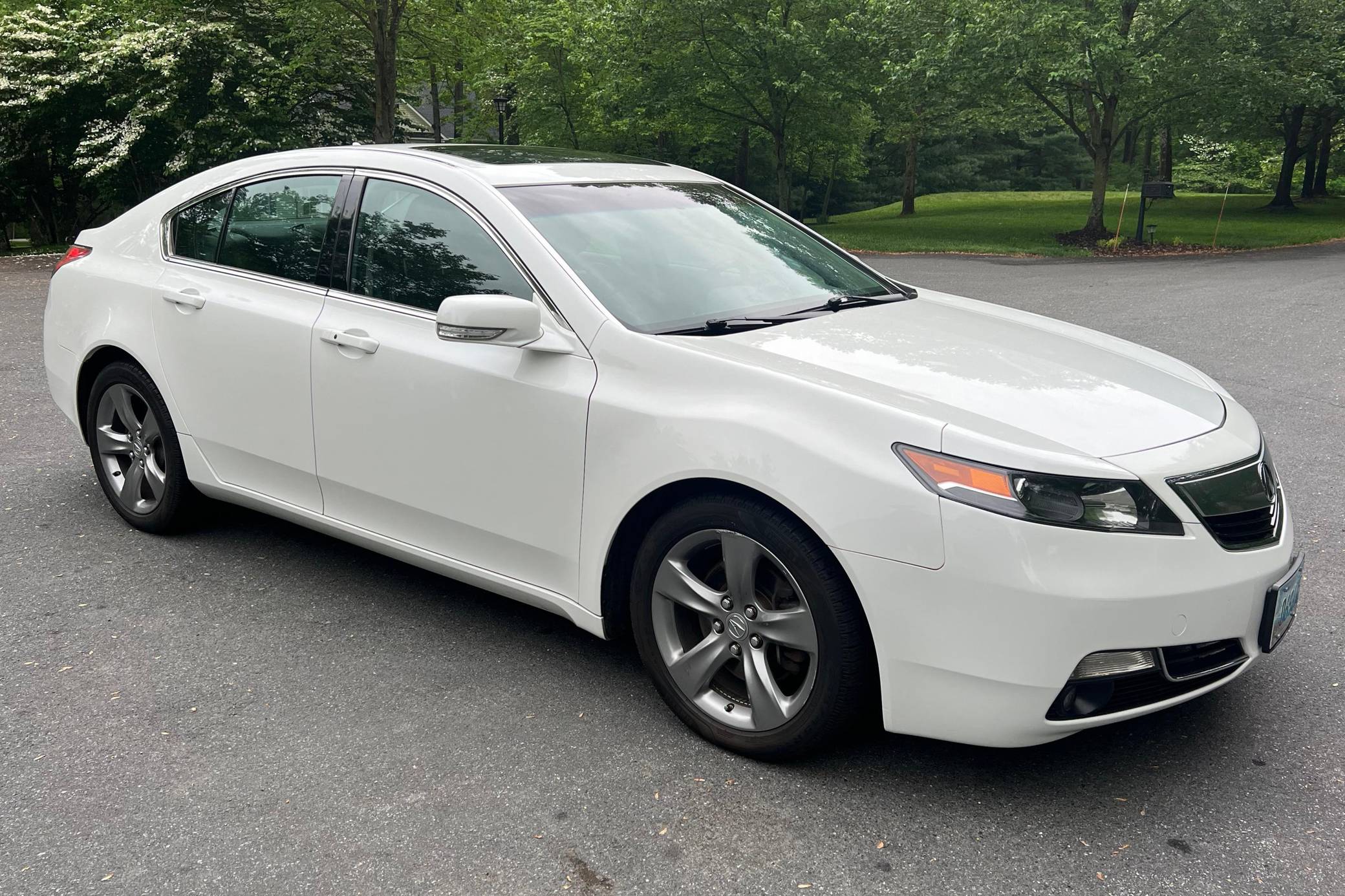
The 2013 Acura TL features two distinct horsepower ratings based on the chosen drivetrain and engine configuration. The front-wheel-drive (FWD) model, equipped with a 3.5-liter V6 engine, produces 280 horsepower, while the Super Handling All-Wheel Drive (SH-AWD) variant, featuring a larger 3.7-liter V6, delivers 305 horsepower. Both engines utilize Acura’s Variable Valve Timing and Lift Electronic Control (VTEC) to optimize performance across the powerband.
Confusion regarding the 2013 Acura TL’s output often stems from these two separate engine options. Unlike some competitors that offer a single engine with different software tunes, Acura utilized two physically different blocks within the J-series engine family for this model year. Understanding which version you are driving or considering for purchase is essential, as the power delivery, maintenance requirements, and fuel consumption profiles differ significantly between the 3.5L and 3.7L variants.
The 3.5-Liter V6: Performance for the Base and Technology Trims
The entry-point for the 2013 Acura TL is the 3.5-liter SOHC (Single Over Head Cam) V6 engine. This engine, designated as the J35Z2, was designed to provide a balance between luxury-car smoothness and executive-sedan urgency.
Power and Torque Specifications
The 3.5L engine produces 280 horsepower at 6,200 rpm and 254 lb-ft of torque at 5,000 rpm. This engine is exclusively paired with a front-wheel-drive layout. While "base" models in the luxury segment are sometimes underpowered, the 280-hp output of the TL allowed it to remain competitive with the entry-level BMW 5 Series and Lexus ES of its era.
The power delivery is characteristic of naturally aspirated Honda/Acura engines: it is linear and predictable. The VTEC system engages at higher RPMs, altering the valve lift to allow more air into the combustion chamber, which provides a noticeable "second wind" as the needle approaches the redline.
Efficiency and Transmission Pairing
In the 2013 model year, this engine was mated to a 6-speed Sequential SportShift automatic transmission. This was a significant upgrade over the 5-speed units found in earlier iterations of the fourth-generation TL (2009–2011). The extra gear allowed for shorter early ratios—improving off-the-line acceleration—while providing a taller sixth gear for highway cruising. This combination helped the 3.5L TL achieve an EPA-rated 20 mpg in the city and 29 mpg on the highway.
The 3.7-Liter V6: Performance for the SH-AWD Trim
For drivers seeking more engagement, Acura offered the TL SH-AWD. This trim did not just add an all-wheel-drive system; it swapped the engine for a larger, more sophisticated 3.7-liter V6 (J37A4).
Engineering the 305-Horsepower Output
The 3.7L engine was, at the time of its release, the most powerful engine Acura had ever produced for a sedan. It generates 305 horsepower at 6,300 rpm and 273 lb-ft of torque at 5,000 rpm.
The 25-horsepower increase over the base model was achieved through several engineering advancements:
- Increased Displacement: The larger bore and stroke naturally allow for more air-fuel mixture.
- Dual VTEC: Unlike the 3.5L, which applied VTEC only to the intake valves, the 3.7L featured VTEC on both the intake and exhaust valves. This improved the engine’s ability to "breathe" at high speeds, resulting in a more aggressive power curve.
- High-Silicon Aluminum Cylinder Liners: Instead of traditional iron liners, Acura used specialized aluminum cylinders that allowed for better cooling and tighter tolerances, contributing to the engine’s higher output and durability.
The Drivetrain Advantage
The "Super Handling" in SH-AWD refers to the system’s ability to perform torque vectoring. While the engine makes 305 horsepower at the crank, the SH-AWD system can distribute up to 70% of that torque to the rear wheels, and then 100% of that rear torque to either the left or right wheel. This helps the car "rotate" through corners, effectively mitigating the understeer typically associated with heavy, front-biased sedans.
Comparing the 2013 Acura TL Engines
| Specification | 3.5L V6 (FWD) | 3.7L V6 (SH-AWD) |
|---|---|---|
| Horsepower | 280 hp @ 6,200 rpm | 305 hp @ 6,300 rpm |
| Torque | 254 lb-ft @ 5,000 rpm | 273 lb-ft @ 5,000 rpm |
| Engine Code | J35Z2 | J37A4 |
| VTEC System | Intake Only | Intake and Exhaust |
| Recommended Fuel | Premium 91+ Octane | Premium 91+ Octane |
| 0-60 MPH (approx.) | 6.2 - 6.4 Seconds | 5.3 - 5.7 Seconds |
| Transmission | 6-Speed Automatic | 6-Speed Auto / 6-Speed Manual |
Transmission Options and Their Impact on Power
While most 2013 Acura TLs on the road today (now over a decade old as of 2026) are automatics, the SH-AWD model offered a rare enthusiast option: a close-ratio 6-speed manual transmission.
The manual transmission does not change the engine's peak horsepower, but it changes the perception of that power. It features a stiffer suspension tune and more aggressive hill-start assist. Furthermore, because manual transmissions generally have lower parasitic power loss compared to torque-converter automatics, more of that 305 horsepower actually reaches the wheels in the 6MT version.
The 6-speed automatic, however, is no slouch. It features "Grade Logic Control," which prevents the transmission from hunting for gears when driving on inclines, and steering-wheel-mounted paddle shifters that allow the driver to hold gears manually up to the redline.
Real-World Horsepower: Drivetrain Loss and Fuel Requirements
When discussing "305 horsepower," it is important to distinguish between crank horsepower (what the engine produces) and wheel horsepower (what actually hits the pavement).
Drivetrain Parasitic Loss
All cars lose some power as it travels through the transmission, driveshaft, and differentials.
- FWD (3.5L): Generally loses about 10-15% of its power. A 280-hp TL might put down roughly 240-250 hp at the wheels.
- SH-AWD (3.7L): All-wheel-drive systems are more complex and heavier, typically resulting in a 20-25% loss. Despite having 305 hp at the crank, an SH-AWD model might put down approximately 235-245 wheel horsepower on a dynamometer.
This explains why, in a straight line from a roll, a front-wheel-drive TL can sometimes stay surprisingly close to an SH-AWD model; the FWD model is lighter and more efficient at transferring its power.
The Role of Premium Fuel
Acura "recommends" premium 91-octane fuel for the 2013 TL. To achieve the clarified horsepower ratings of 280 and 305, premium fuel is essentially required. The engine’s ECU (Engine Control Unit) is programmed with ignition timing maps designed for high-octane fuel.
If a driver uses 87-octane "Regular" gas, the engine's knock sensors will detect premature detonation. To protect the engine, the ECU will retard the ignition timing. This significantly reduces horsepower—often by 10 to 15 hp—and can lead to sluggish throttle response. For owners looking to maintain the vehicle's factory performance in 2026, consistent use of top-tier premium fuel is the single easiest way to preserve the advertised horsepower.
Common Performance Issues and Maintenance
As these vehicles age, certain mechanical factors can "rob" the engine of its original horsepower. To ensure a 2013 Acura TL still produces its full rated power, owners should focus on three specific areas.
1. The Timing Belt Service
Both the 3.5L and 3.7L engines are interference designs, meaning if the timing belt snaps, the pistons will hit the valves, causing catastrophic engine failure. This service is due every 105,000 miles or 7 years. A stretched or worn belt can slightly affect timing, though the primary concern here is total engine loss.
2. Intake Manifold and Valve Carbon
While these are not direct-injection engines (they use multi-port fuel injection), they can still suffer from carbon buildup in the intake tract over hundreds of thousands of miles. Cleaning the throttle body and ensuring the air filter is replaced regularly (every 15,000 to 30,000 miles) ensures the engine receives the air volume it needs to hit its peak 280/305 hp figures.
3. Oil Consumption in the 3.7L Engine
It is a documented issue that some 3.7L J37 engines can consume oil at a higher rate than the 3.5L units. Low oil levels can affect the operation of the VTEC solenoids. Since VTEC is responsible for the "high-end" horsepower of these engines, a malfunctioning solenoid due to low oil pressure will prevent the engine from reaching its peak power at the top of the RPM range.
FAQs About 2013 Acura TL Horsepower
Can I increase the horsepower of my 2013 Acura TL easily?
The J-series engine is highly receptive to "bolt-on" modifications. Common upgrades include a Cold Air Intake (CAI), a larger J37 throttle body (for 3.5L owners), and "PCDs" (Pre-Cat Deletes). These modifications, when combined with a professional ECU tune (such as KTuner or Hondata), can push the 3.7L engine toward 330 crank horsepower and the 3.5L toward 300 crank horsepower.
Is the 2013 TL faster than the TLX that replaced it?
The first-generation Acura TLX (2015+) featured a 290-hp 3.5L engine. While the TLX had a more advanced 9-speed transmission, many enthusiasts find the 2013 TL SH-AWD with 305 hp to be more "raw" and engaging, particularly the manual version. In terms of raw 0-60 times, they are very similar, usually separated by less than half a second.
Why does the 3.7L have 305 hp while the 3.5L only has 280?
The difference comes from the extra 0.2 liters of displacement and the inclusion of VTEC on both the intake and exhaust valves in the 3.7L. The 3.5L engine only uses VTEC on the intake side. This dual-VTEC setup allows the 3.7L to move more air through the engine more efficiently at high RPMs.
Does the 2013 Acura TL have a turbo?
No, all 2013 Acura TL models are naturally aspirated. They rely on engine displacement and high-RPM valve timing (VTEC) to generate power. This contributes to the car's reputation for long-term reliability compared to the turbocharged engines found in newer luxury sedans.
What is the top speed of the 2013 Acura TL?
Both versions of the 2013 Acura TL are electronically limited to approximately 130 mph. While the engines have enough horsepower to propel the car faster (estimated 150+ mph), the limit is set due to the speed rating of the factory tires and aerodynamic stability.
Final Recommendation for Owners and Buyers
To truly experience the clarified horsepower of the 2013 Acura TL, focus on the SH-AWD trim. The 305-horsepower 3.7L engine remains a high point in Acura’s naturally aspirated history. If you are buying one in 2026, ensure the timing belt has been replaced and perform a valve adjustment if the engine sounds "tappy." These mechanical refreshes, combined with a steady diet of 91-octane premium fuel, will ensure that this classic sport sedan continues to deliver its advertised performance for years to come.